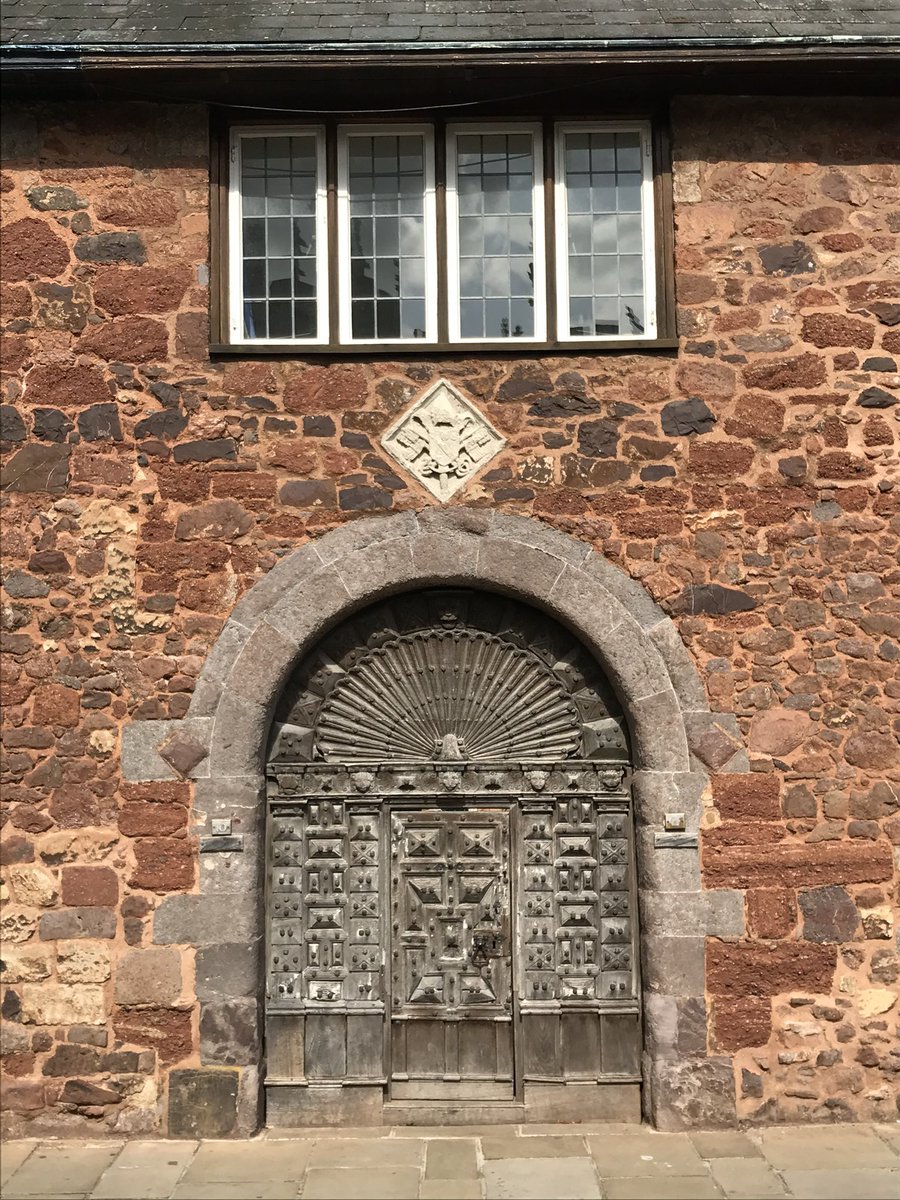
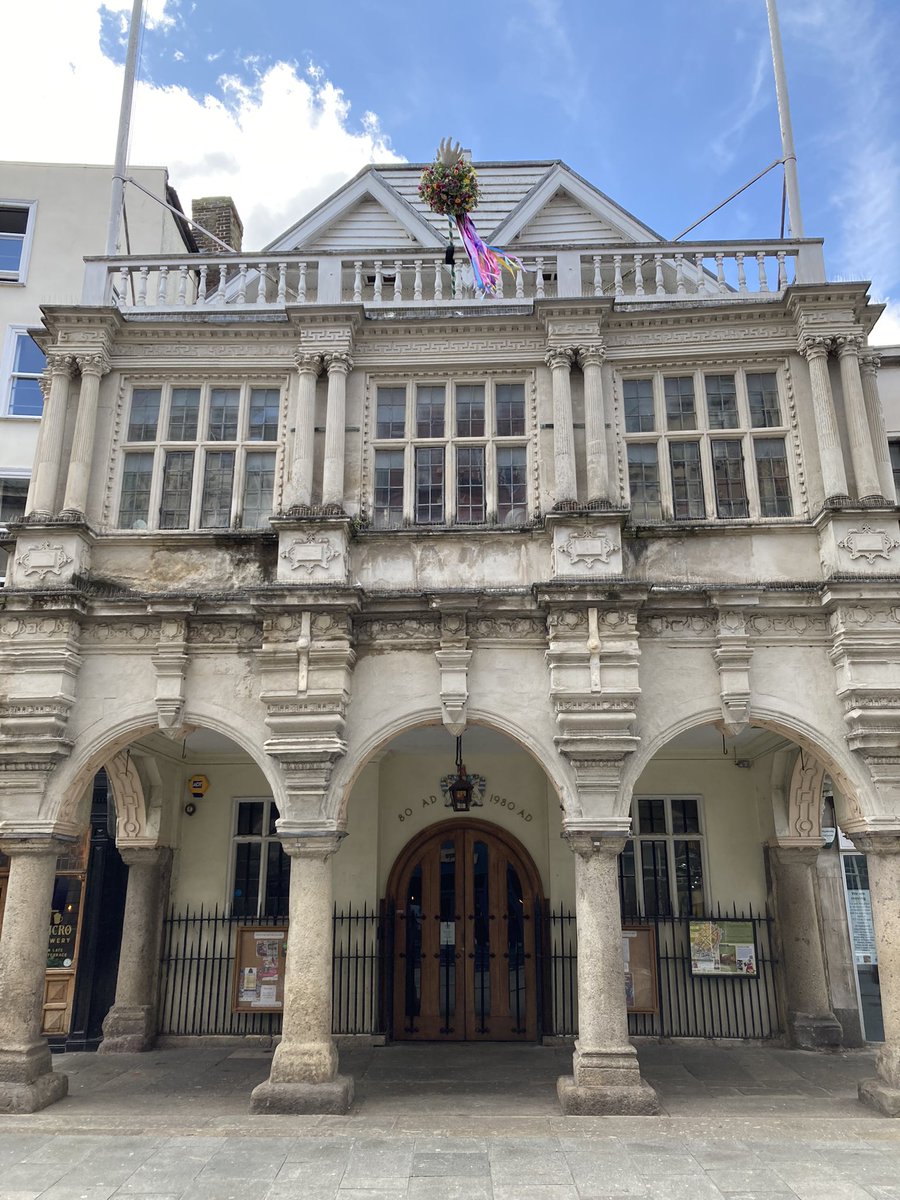
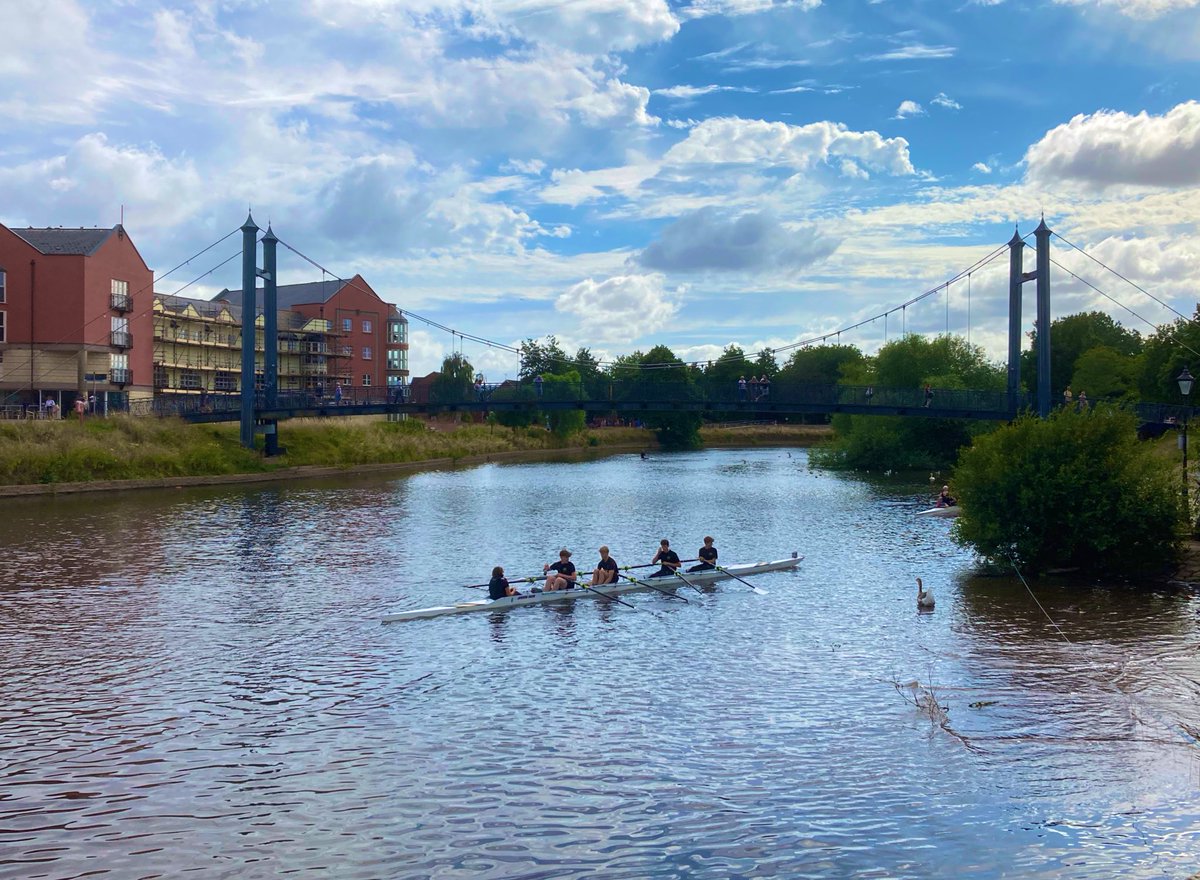
On Thursday, the Lammas Glove was paraded through the city and displayed from the guildhall. The ceremony has been held for over 900 years and celebrates the first fruits of the harvest. The giant white glove symbolises the King's protection over the city. #Exeter#Devon#history
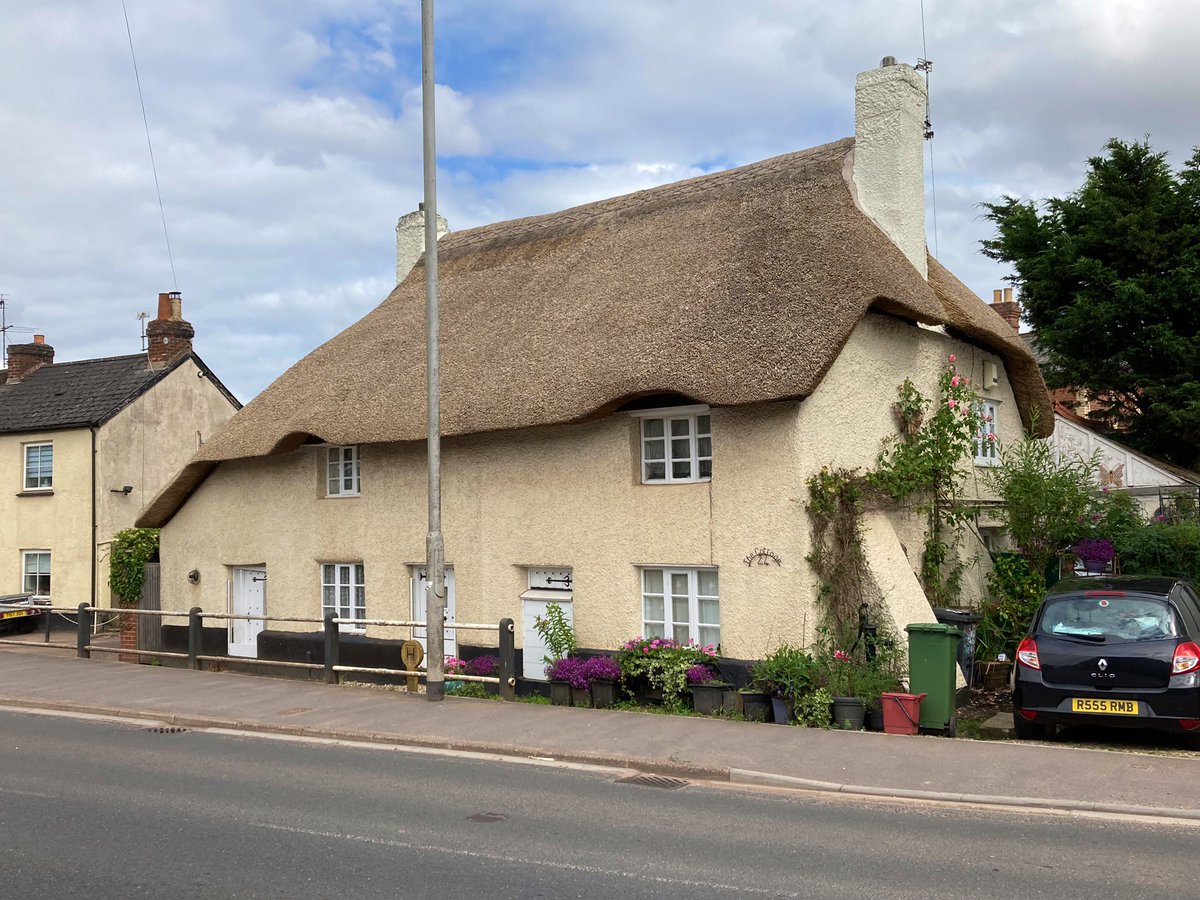
24 and 26 Main Road, Pinhoe. Cottage now divided into two dwellings. Thought to date from the 17th or 18th century. One of several thatched buildings located in the Pinhoe area of the city. #history#architecture#Exeter#Devon#England#UK
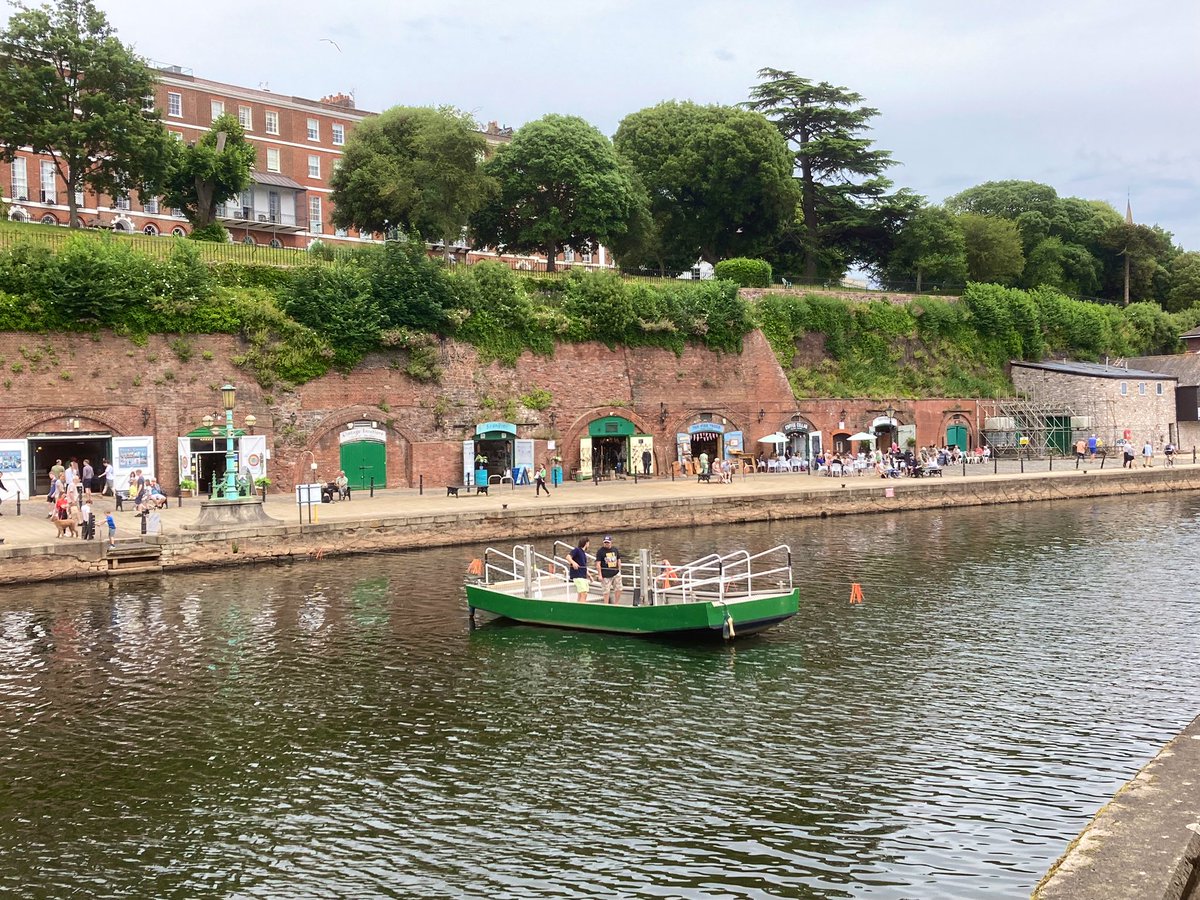
Butt's Ferry, Exeter quay. Ferry services have crossed the river Exe since at least the 1200s. In 1972 the city council (who then ran the ferry) planned to abolish it. George Butt, a local man, successfully fought to save the ferry, hence it its current name #history#Devon#UK
Mary of Exeter, depicted on a mosaic in St Thomas. Mary served with the National Pigeon Service during WW2 carrying secret messages to France. She was attacked by a German hawk, shot, and hit by shrapnel but survived. She was awarded the Dickin Medal for bravery. #history#Devon
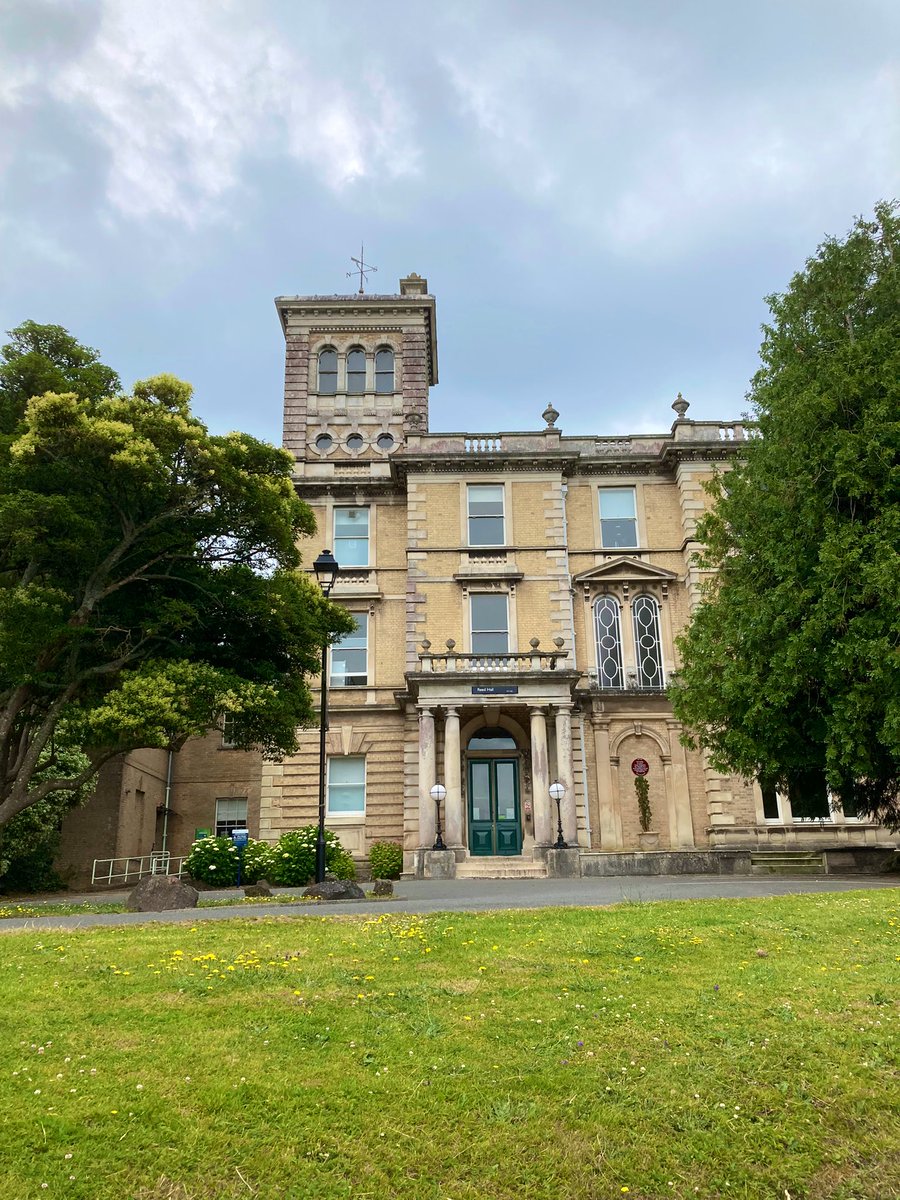
Reed Hall, an Italianate mansion built in 1867 for Richard Thornton, a wealthy merchant who made his fortune trading in Indonesia. During WW1 it became a hospital for wounded officers. Today it forms part of Exeter University's main campus. #history#architecture#Exeter#Devon
If you haven't yet checked out Gatekeepers to Heaven exhibition @RAMMuseum it is well worth the visit! You can see medieval #manuscripts, formerly of @ExeterCathedral archives & on loan from @bodleianlibs on display, & v useful overview of key figures & context. And it's free!🤩
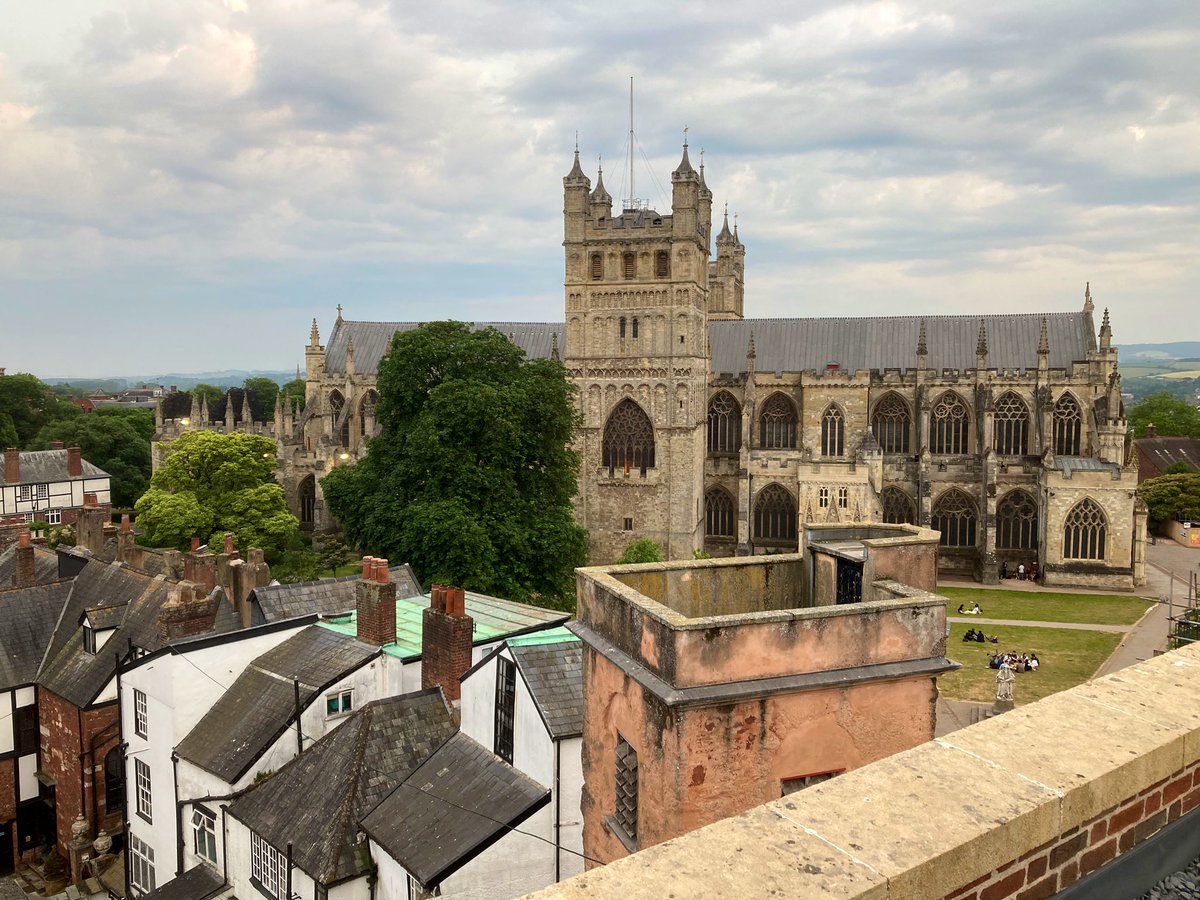
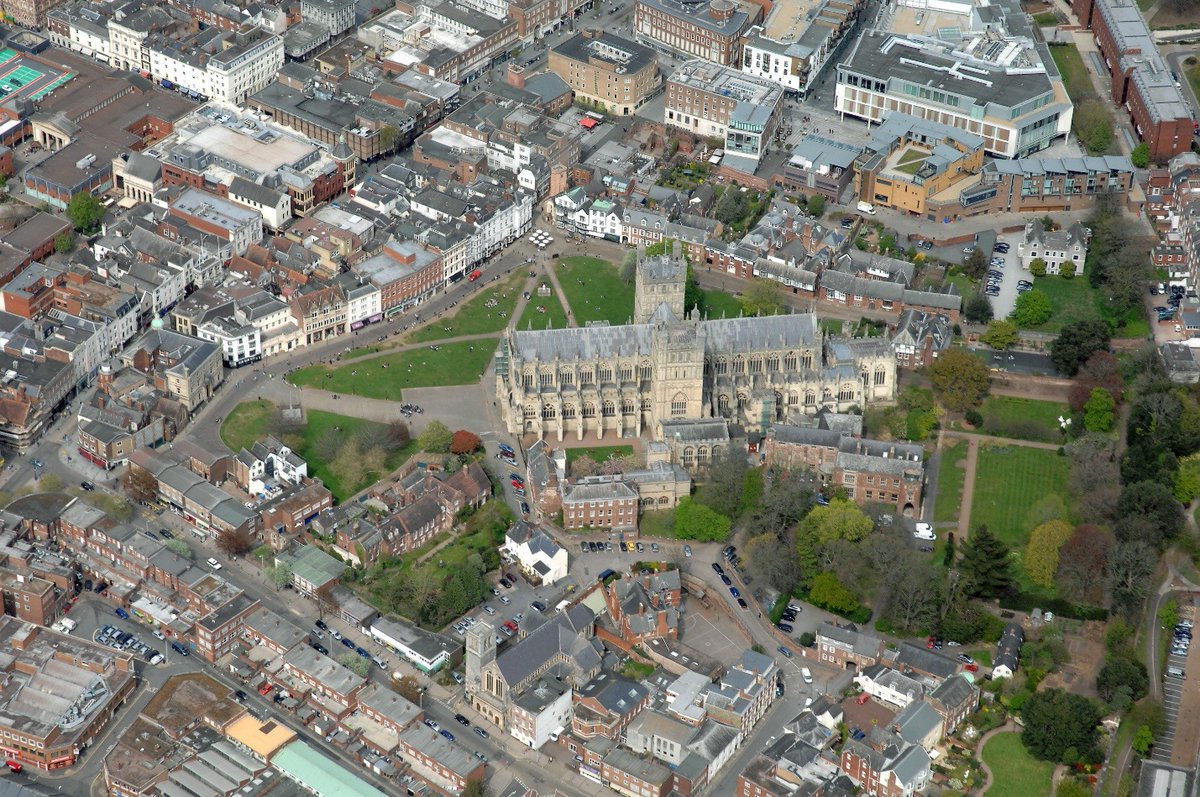
View of Exeter Cathedral from the Becketts rooftop bar last night. The bar sits at the top of the old Colson's department store building. Founded in 1792 by one Mrs Colson, the firm traded for almost 200 years. #Exeter#Devon#England#UK#travel#history#bar#nightlife
Explore the Bishop’s Palace Garden on 14 May between 2pm-4pm for an open day in aid of the Devon Historic Churches Trust. The Bishop’s Palace Garden covers three acres and is one of the most ancient in Devon. Find out more at https://t.co/1G3cQ9x2xF @CofEDevon@visitexeter
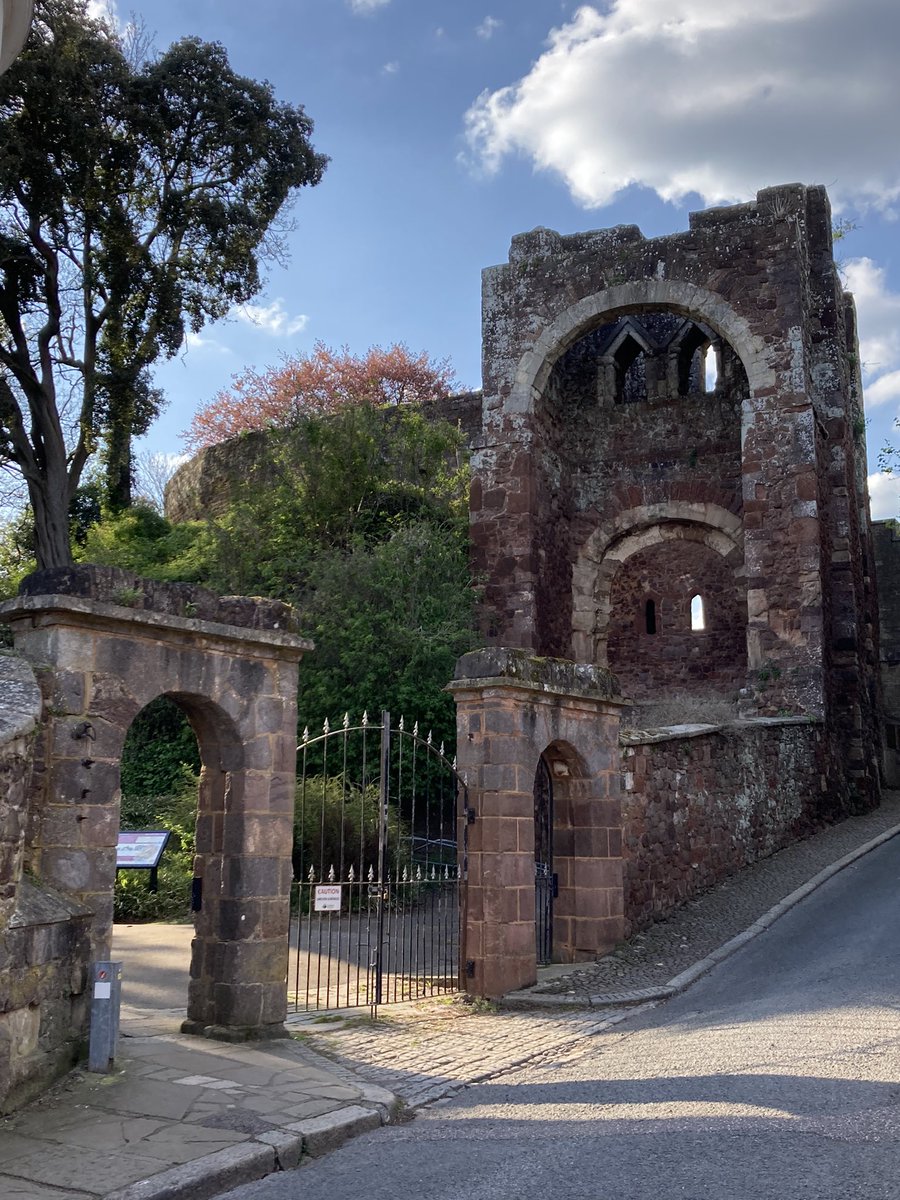
Norman gatehouse of Exeter Castle. Built by William the Conqueror shortly after his successful Siege of Exeter in 1068. The use of Saxon building methods suggests that the Normans used English masons during its construction. #history#travel#architecture#Exeter#Devon#UK
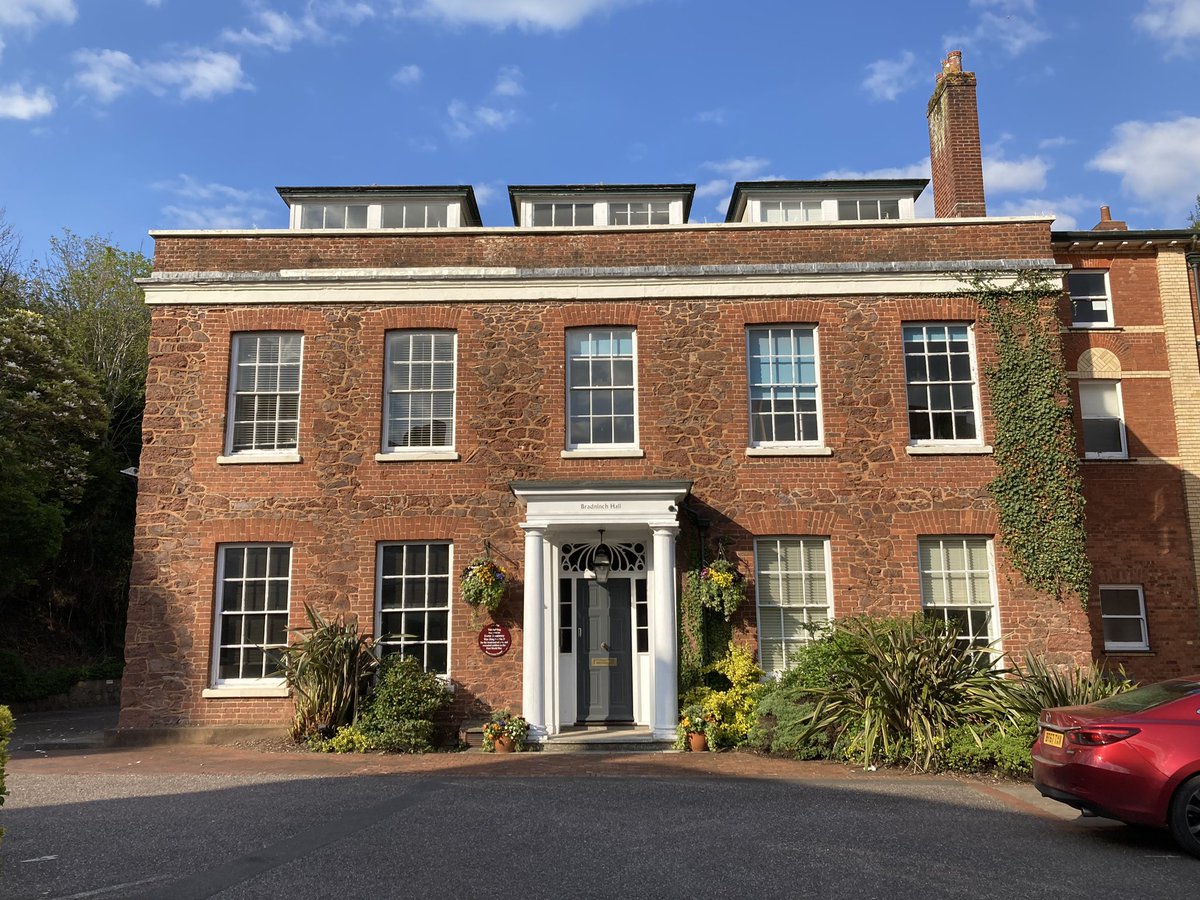
Bradninch Hall, Castle Street. Built in the early 1800s as a house. During WW1 it became a military hospital. In April 1916 Pte. William Young, of the 8th East Lancashire Regiment, a patient at the hospital, was awarded the Victoria Cross. #history#Exeter#Devon#UK
Become part of our community of local #Wikipedians! #Volunteer from the comfort of your own home 🏠, and help us explore and communicate #Devon and #Exeter's history.
Find out more >>>
https://t.co/jlO700WNLU
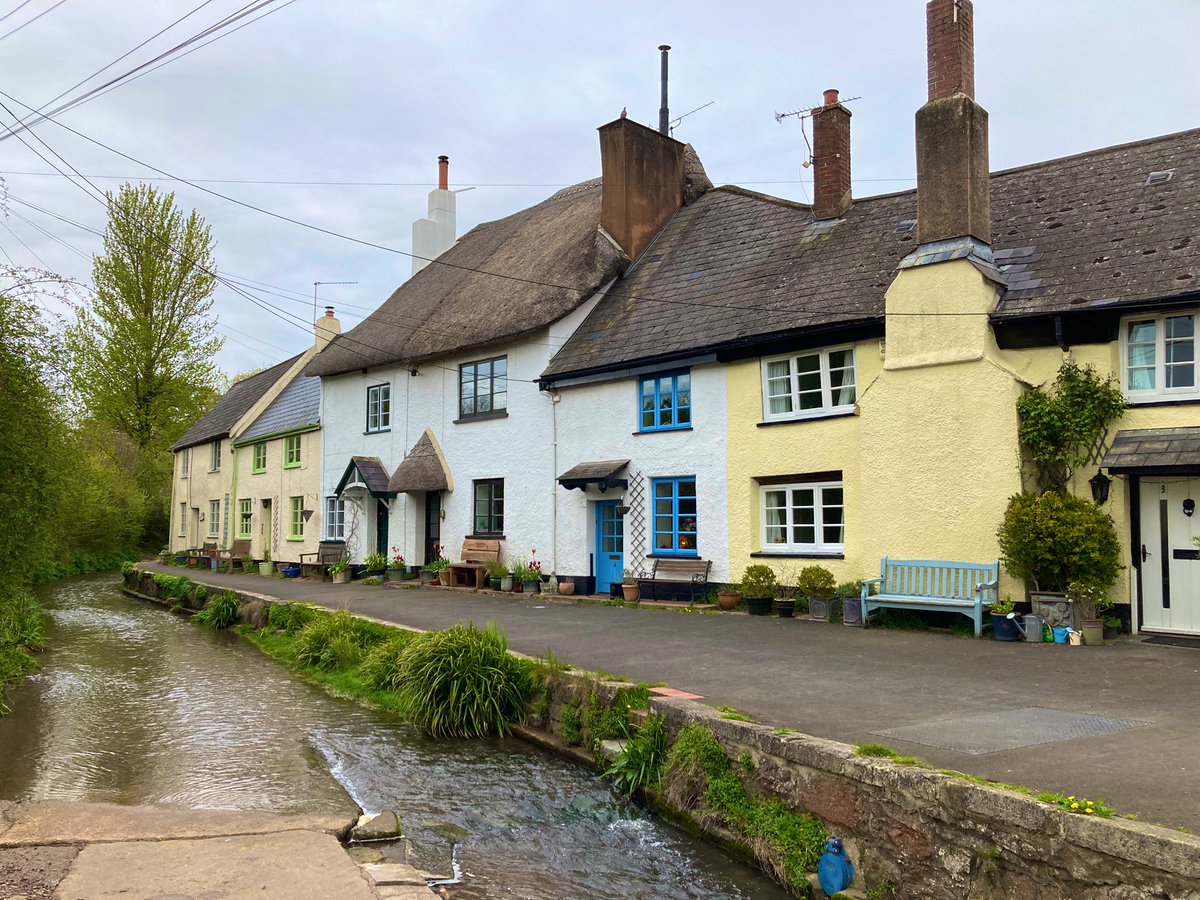
College Lane, Ide (a small village a mile outside Exeter). Fordland Brook flows over the surface making it perhaps the only road in England to be predominately under water. Several of the cottages date from the medieval era. #history#travel#Devon#UK
Find out more about the fascinating discoveries from the Roman period made by archaeologists investigating the #ExeterCathedral Cloister Garden https://t.co/DdTLXchDpE #The2020sDevelopmentAppeal
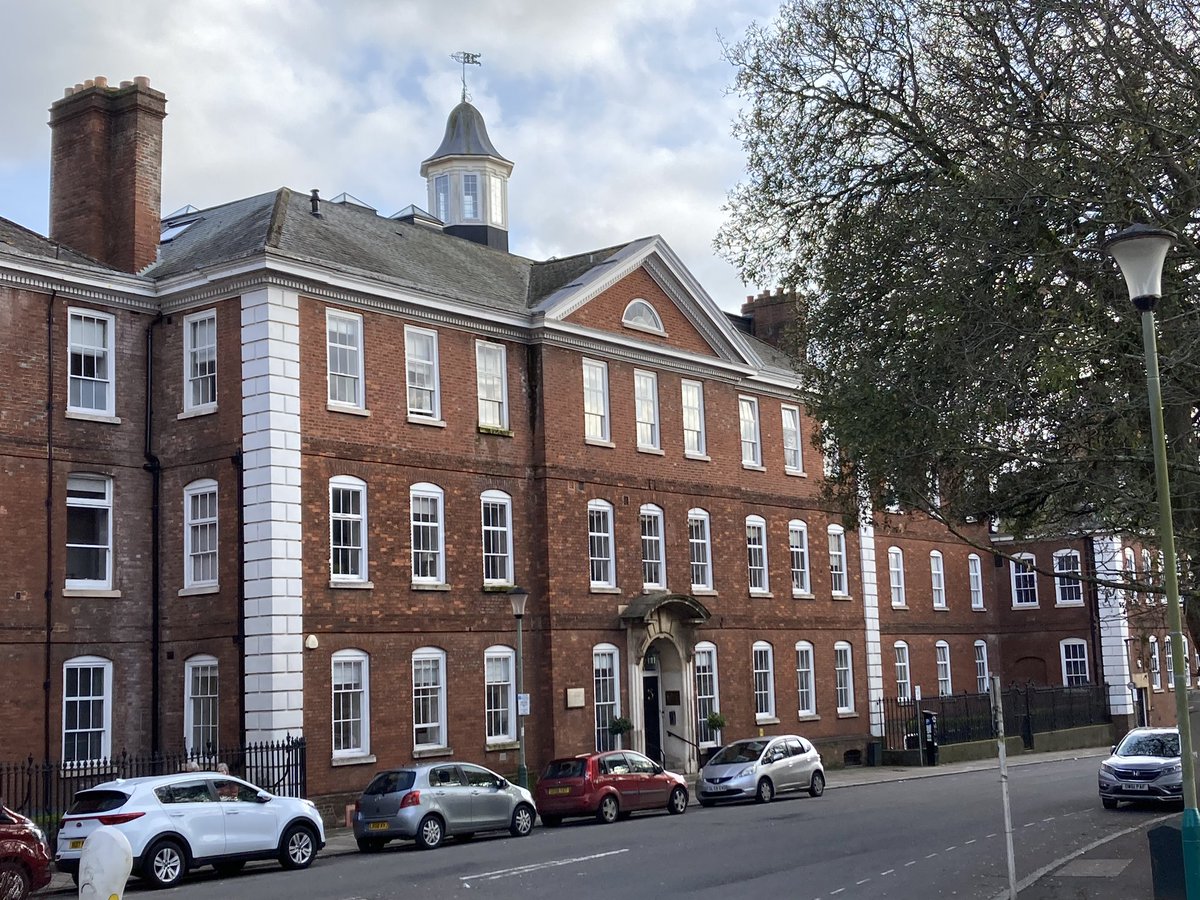
The original Royal Devon and Exeter Hospital, Southernhay. Built in 1741 on land donated by John Tuckfield (MP for Exeter). Local architect John Richards designed the building for free. After WW2 it became an NHS hospital before moving outside the city centre. #history#Devon
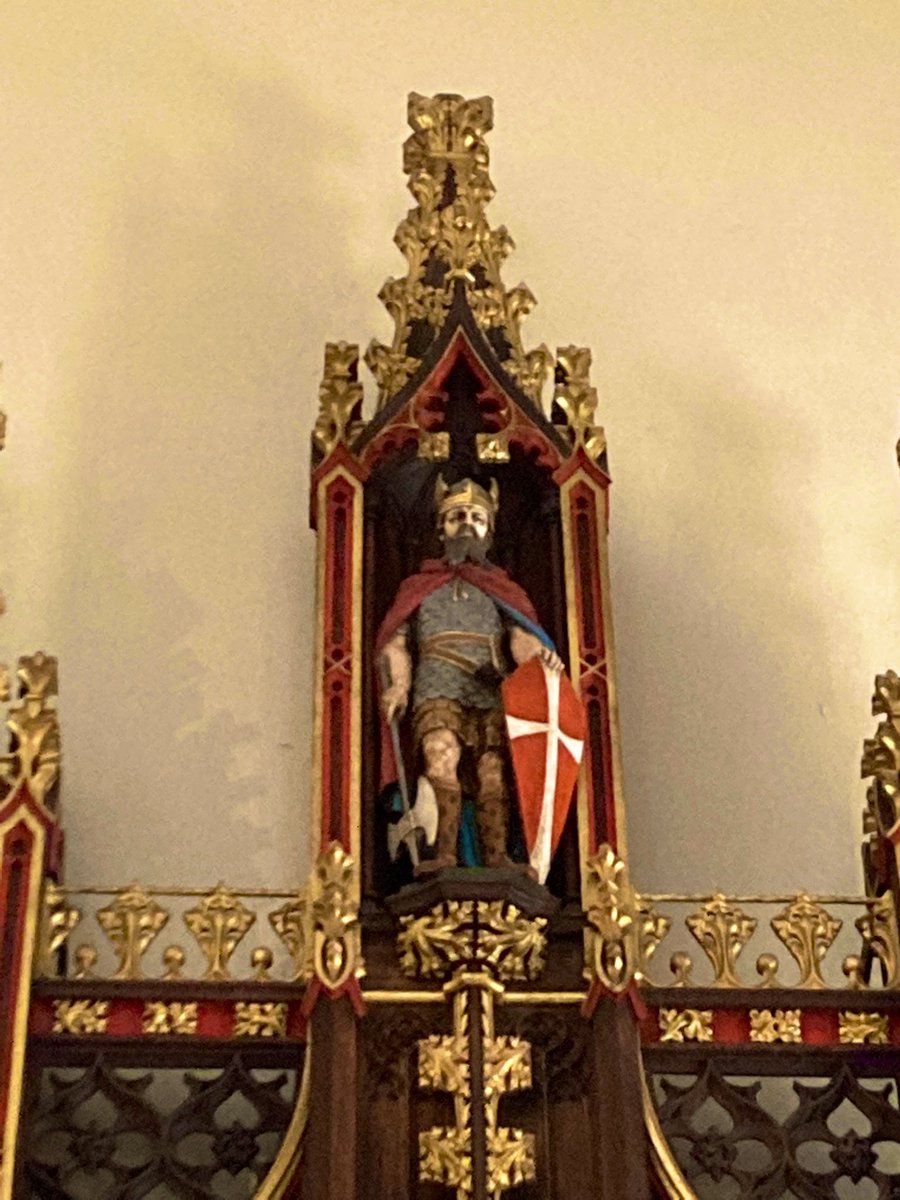
Statue of a viking, St. Olave's Church. The church was founded in 1053 by Gytha Thorkelsdóttir, a Danish noblewoman. It is dedicated to Saint Olave, a Norwegian King who helped spread Christianity in Scandinavia. #Exeter#Devon#UK#history#travel#vikings
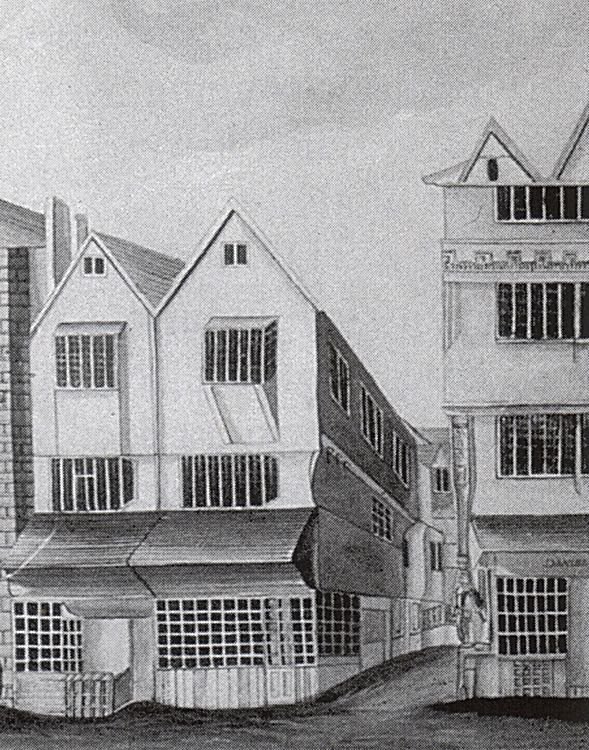
@cguyver@RAMMuseum Correct! The current building dates from 1892. Originally, the statue was at street level on the corner. This drawing from 1770 shows what it once looked like.
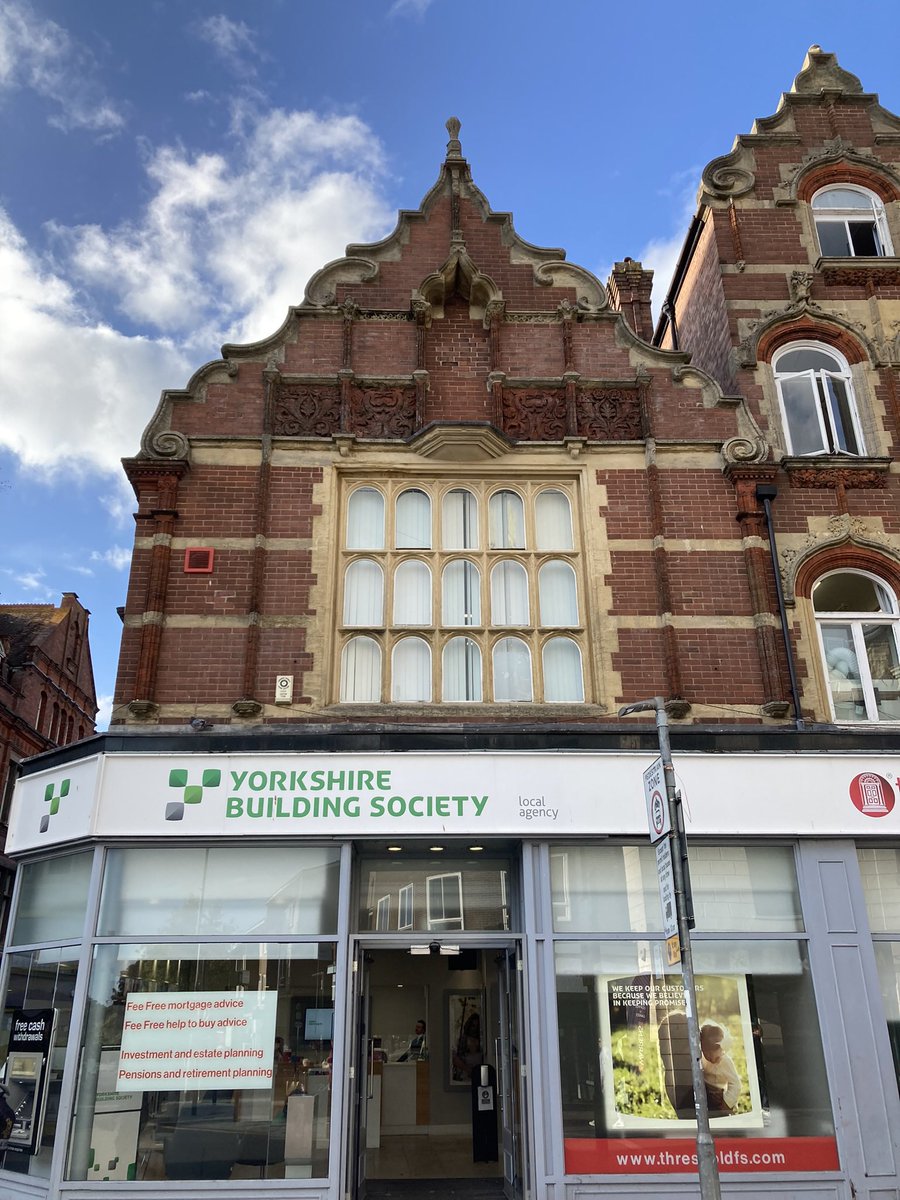
The building on the corner of High Street and North Street features a niche that once contained a rare medieval oak statue of St Peter trampling Satan. Remarkably, the carving survives and is on display at @RAMMuseum. (1/2) #history#architecture#heritage#travel#Exeter#Devon
Dating from 1400s or 1500s, the statue is thought to have been made by an immigrant craftsperson from continental Europe (most likely Germany or the Low Countries). It is extremely rare for a large wooden statue from this era to survive in such good condition. (2/2)