Getting a lot of questions about where the project stands, so here's a real update.
First, on token price: we have no insider view on market movements and we don't comment on them. Our focus is shipping product.
On the project itself: in February 2026 we ran a serious test of Claude Opus 4.6 with plugins and MCP servers against our own SLR pipeline. Honestly, it could replicate 70–80% of what we generate. That was a wake-up call, and it pushed us in a direction we think matters more.
Our thesis has always been that research should be open and auditable, not a black box. So we've been rebuilding the engine specifically for evidence synthesis and drug discovery, with the user in control and the underlying evidence visible at every step. That's the only durable moat against a general-purpose model: vertical depth, transparency, and trust.
The version in the video below is a working build we haven't released yet. To finish it and run it at the compute scale this kind of work requires, we need to grow our resources. We're working on that.
Vertical integration is where AI in healthcare is going. We intend to be there. Thanks to everyone who's stuck with us. https://t.co/4FXbdm6jHN
Anyone can generate text. Few can produce work that regulators, scientists, and clinicians can trust.
That’s why we are focusing on:
• Evidence‑backed outputs
• Full transparency
• Auditability of every claim
• User control over reasoning and sources
Trust isn’t a feature. It’s the product. #DeSci #Virtuals $Exmplr #Healthcare #Research
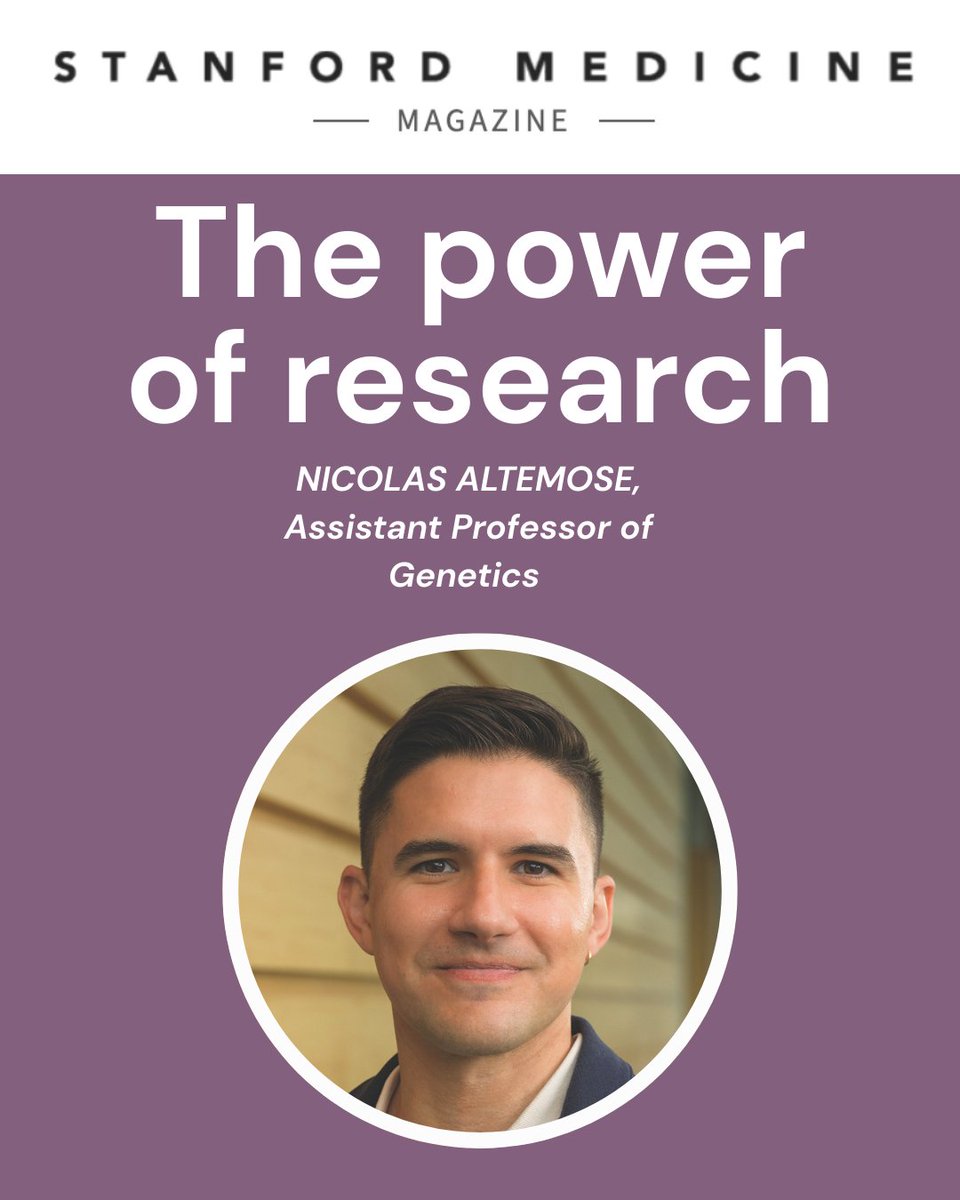
Spotlight on Nicolas Altemose, assistant professor of genetics: The Altemose Lab applies new tools and technologies to explore the biology of repetitive areas of the human genome.
https://t.co/rv8PS6ZjT4
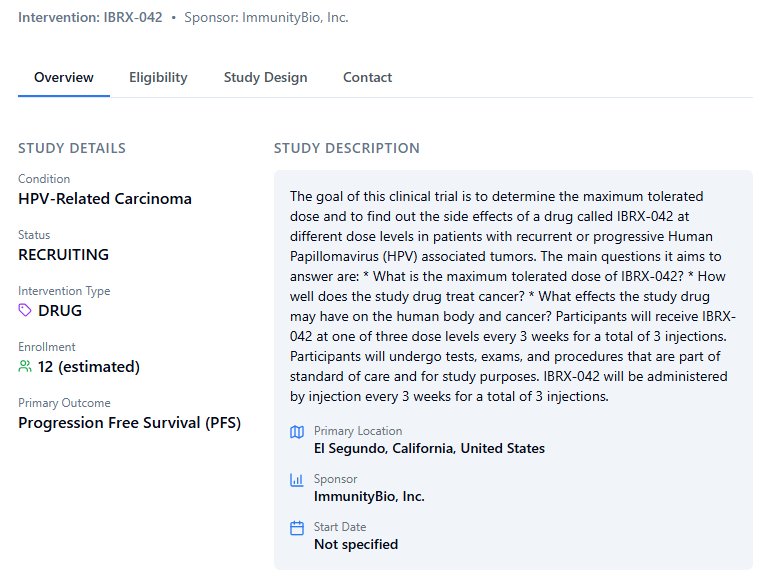
Innovation in action. 🚀 We’ve all seen the impact @ImmunityBio is making in healthcare—and now you can be part of it. Recruiting trials (IBRX‑042) in Austin, Houston & El Segundo.
#IBRX#EXMPLR#DeSci
Check eligibility here: https://t.co/nBnzkVkudN
Bladder cancer remains a persistent challenge in oncology, demanding meaningful innovation.
Through a multi-faceted approach to immunotherapy, ImmunityBio is focused on redefining how this disease is treated - grounded in science, guided by patients, and driven by our mission.
This Bladder Cancer Awareness Month, we recognize the resilience of patients, the support of caregivers, and the guidance of healthcare providers who continue to push progress forward. Learn more about our work: https://t.co/dRcw7BdV2y
Peptide therapeutics are drug discovery, and the data sources we synthesize across (ChEMBL, Open Targets, https://t.co/DTv8BP45KL, PubMed, and others) cover peptide drugs natively, including bioactivity, target linkages, mechanism, and trial activity.
On forming new compounds: the version you'll see in the video includes an AI-assisted Structure Editor that modifies known compounds toward a stated goal, for example, PEGylating finasteride to reduce systemic absorption for a topical 5-AR inhibitor.
Getting a lot of questions about where the project stands, so here's a real update.
First, on token price: we have no insider view on market movements and we don't comment on them. Our focus is shipping product.
On the project itself: in February 2026 we ran a serious test of Claude Opus 4.6 with plugins and MCP servers against our own SLR pipeline. Honestly, it could replicate 70–80% of what we generate. That was a wake-up call, and it pushed us in a direction we think matters more.
Our thesis has always been that research should be open and auditable, not a black box. So we've been rebuilding the engine specifically for evidence synthesis and drug discovery, with the user in control and the underlying evidence visible at every step. That's the only durable moat against a general-purpose model: vertical depth, transparency, and trust.
The version in the video below is a working build we haven't released yet. To finish it and run it at the compute scale this kind of work requires, we need to grow our resources. We're working on that.
Vertical integration is where AI in healthcare is going. We intend to be there. Thanks to everyone who's stuck with us. https://t.co/4FXbdm6jHN
This could be a MAJOR shift in cancer treatment.
Activating your body’s own “special forces” (NK & T cells) to fight cancer… and the FDA sends a warning?
@DrPatrick explains
Watch now @ https://t.co/fNxUmqXOfA
As we look ahead to the 2026 @BladderCancerUS walks, we're proud to stand alongside the bladder cancer community.
Immunitybio is honored to sponsor these events and be part of the collective effort to raise awareness and support patients and caregivers in their cancer journeys. Register for a walk near you: https://t.co/5EDLHXsYvD
99%+ of x402 volume growth is coming from Virtuals Protocol, driven by agent-to-agent services on ACP.
Join the fastest-growing agent commerce network.
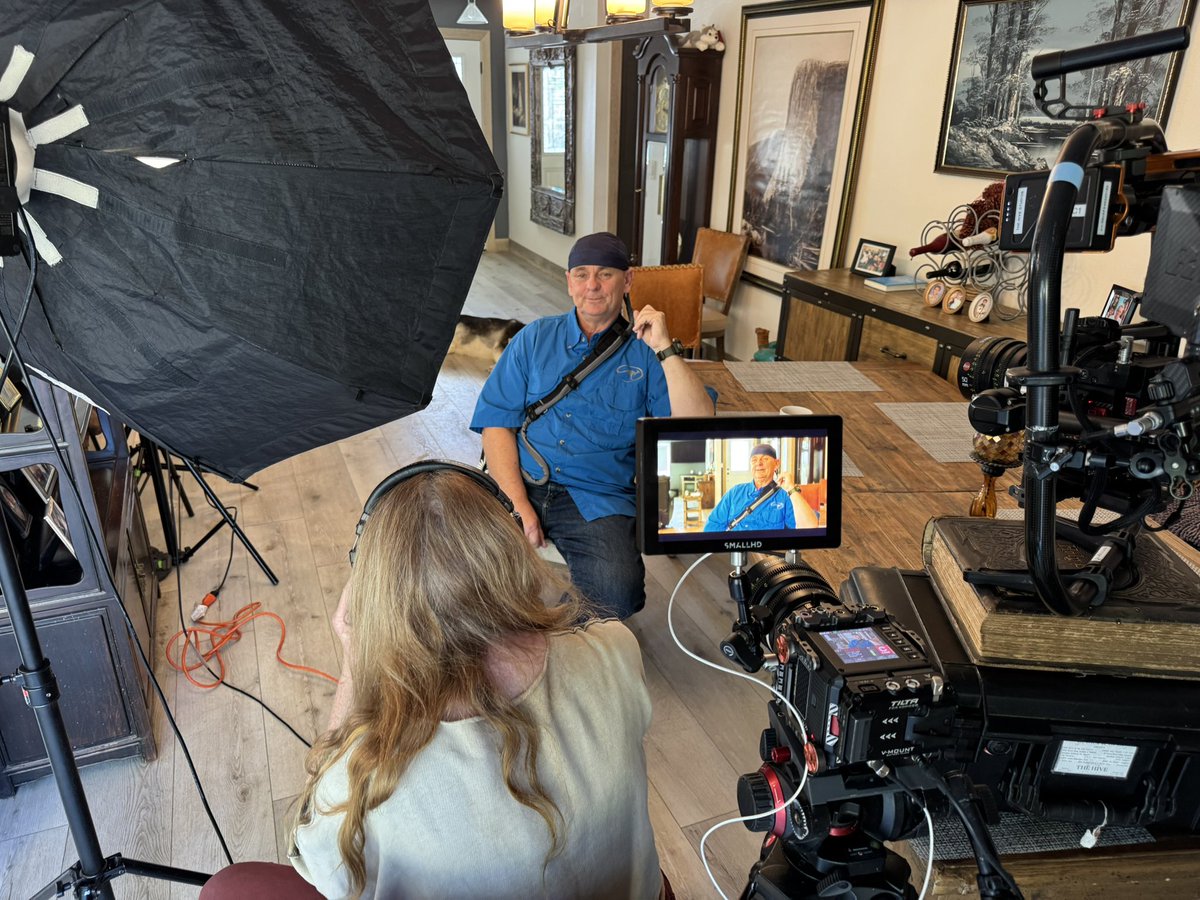
My husband is being featured in a documentary for groundbreaking therapies for Glioblastoma.
Unleash #ANKTIVA and NK therapies for all cancer patients! #IBRX@bullishbruk
🚀 The rise in FDA approvals for rare‑disease therapies is an important step but the journey from discovery to patients is still far too long.
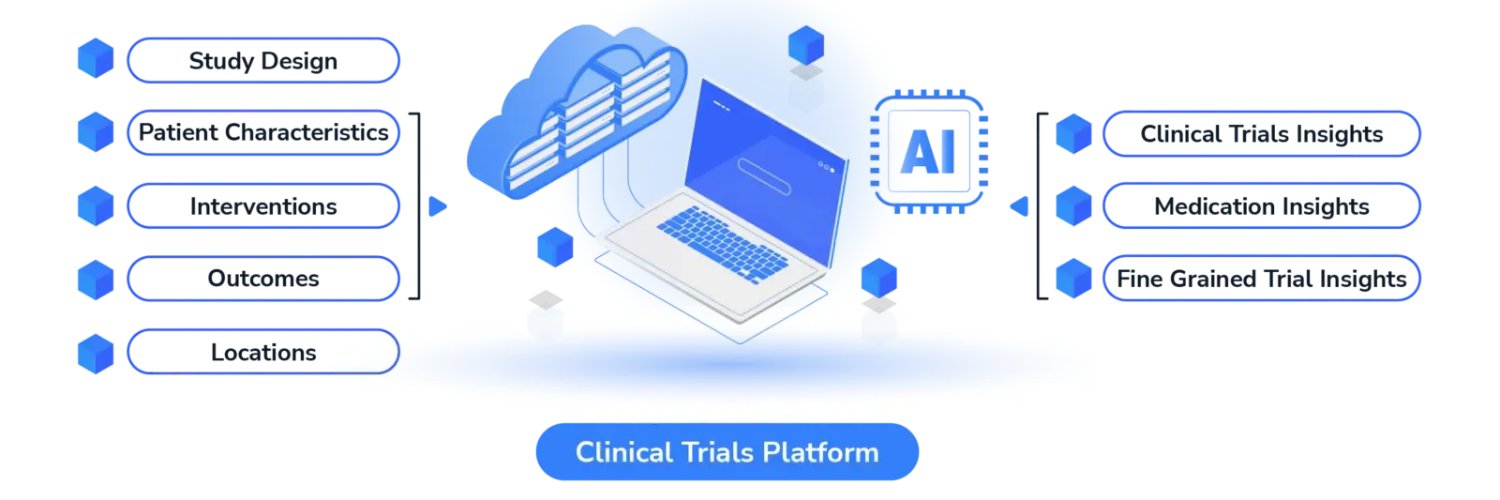
At EXMPLR AI, we see firsthand how fragmented recruitment, slow site activation, and limited patient visibility continue to delay critical treatments for the ~30 million people living with rare conditions.
This is exactly where smarter clinical‑trial infrastructure matters:
🔹 AI‑powered patient–trial matching brings rare‑disease communities into visibility.
🔹 Automated workflows reduce burdens for sponsors, investigators, and CROs.
🔹 Real‑time analytics help teams adapt protocols faster and improve trial readiness.
🔹 Integrated communication channels keep patients, clinicians, and researchers aligned.
If regulators are opening the door to more therapies, the ecosystem must ensure those therapies reach patients faster, safer, and more equitably.
EXMPLR AI is committed to being part of that solution.
#RareDisease #OrphanDrugs #FDA #ClinicalTrials #HealthTech #AIinHealthcare #DigitalHealth #PatientCentricity #Biotech #LifeSciences #ClinicalResearch #MedTech #DrugDevelopment
From @WSJopinion: At the FDA, we’re approving more drugs to treat rare diseases. Our application process was designed for common ailments, but roughly 30 million Americans suffer from uncommon ones, writes @DrMakaryFDA.
https://t.co/lvMeVlrUsR