"Amante da astronomia 🌌 | Explorando o cosmos com filtros e edição de imagens para revelar detalhes ocultos das estrelas, nebulosas e galáxias ✨ | Observando o
Projeto Guardião
Diagrama do Sistema Guardião]
[Satélites Starlink]
|-> [Câmeras Multiespectrais] --> [Processamento Onboard (IA)] --> [Detecção de Objetos]
|-> [Sensores LIDAR/Radar] ----> [Cálculo de Trajetória]
|-> [GPS] [Localização de Impacto]
[Comunicação
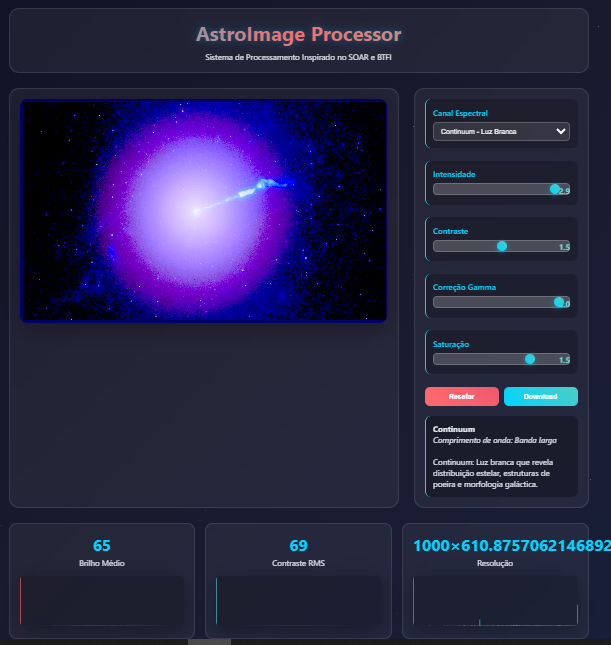
Nova imagem revela detalhes de buraco negro 3 milhões de vezes maior que a Terra, buraco negro gigante, ou supermassivo, localizado no centro da galáxia Messier 87 (M87
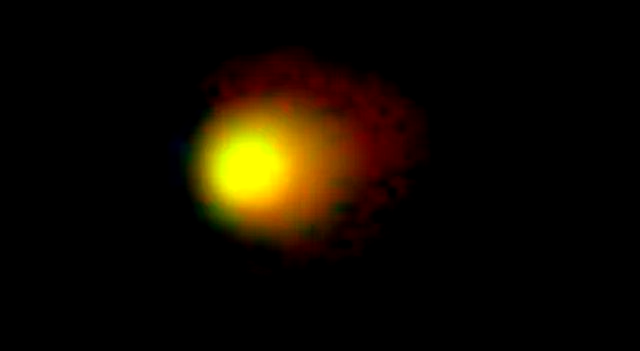
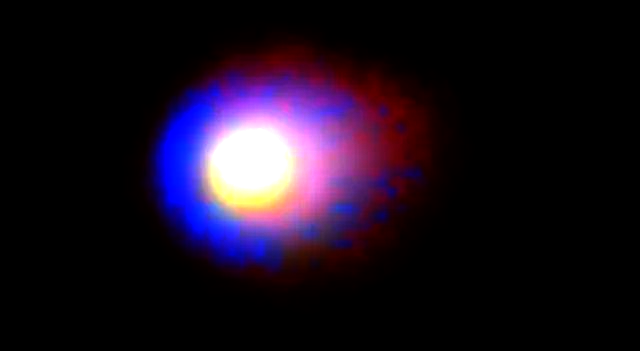
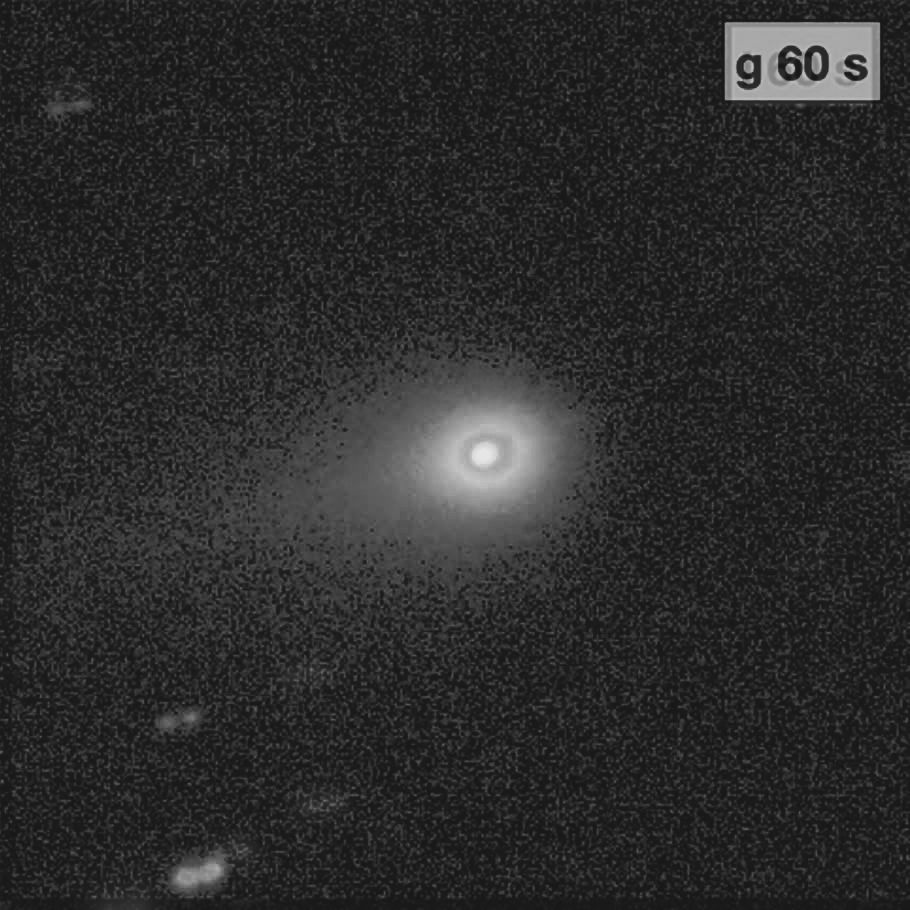
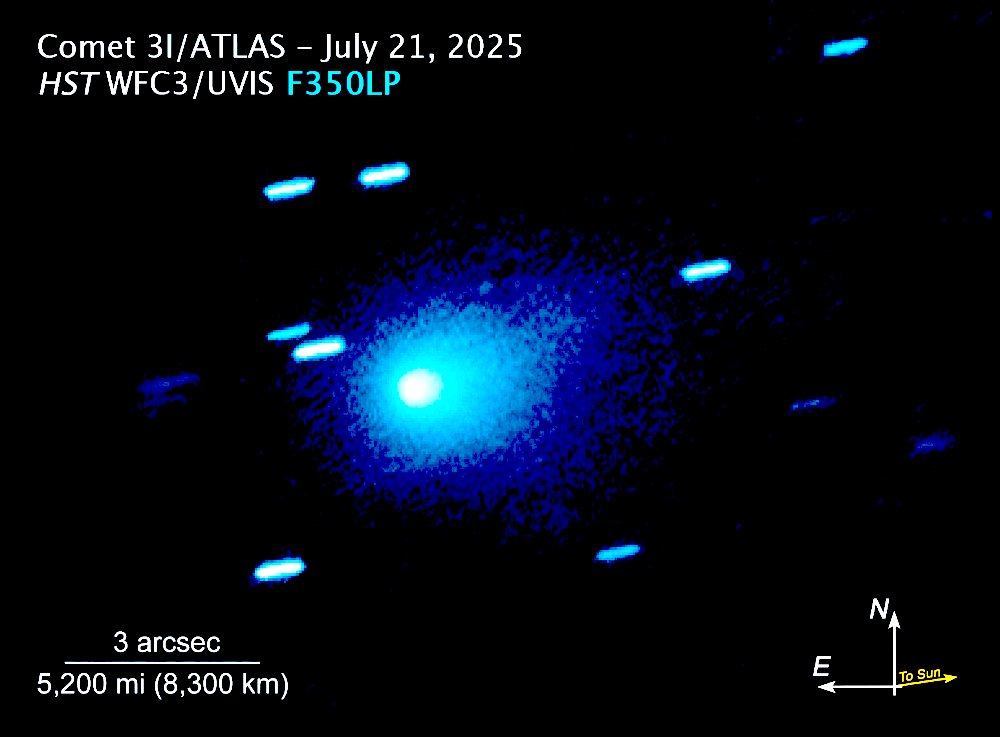
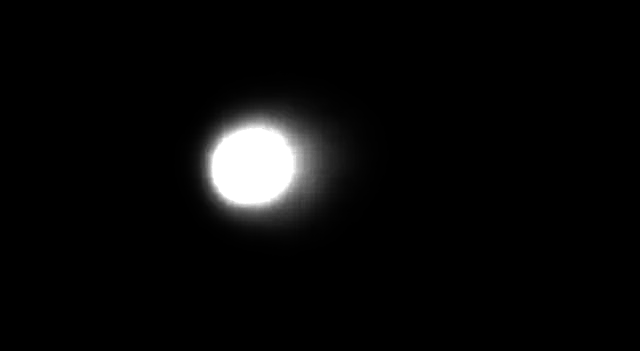
The NASA/ESA/CSA James Webb Space Telescope observed interstellar comet 3I/ATLAS on 6 August 2025 using its Near-Infrared Spectrograph. The research team is analyzing Webb’s data, with a preprint available on ESA
The NASA/ESA/CSA James Webb Space Telescope observed interstellar comet 3I/ATLAS on 6 August 2025 using its Near-Infrared Spectrograph. The research team is analyzing Webb’s data, with a preprint available on ESA
How this space butterfly could offer clues about Earth's formation
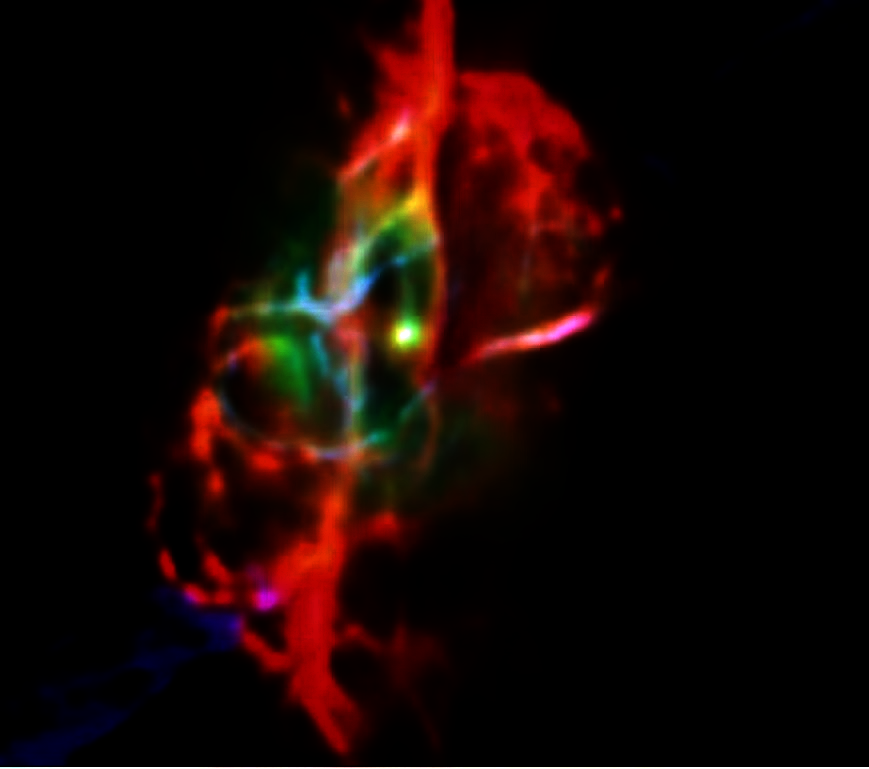
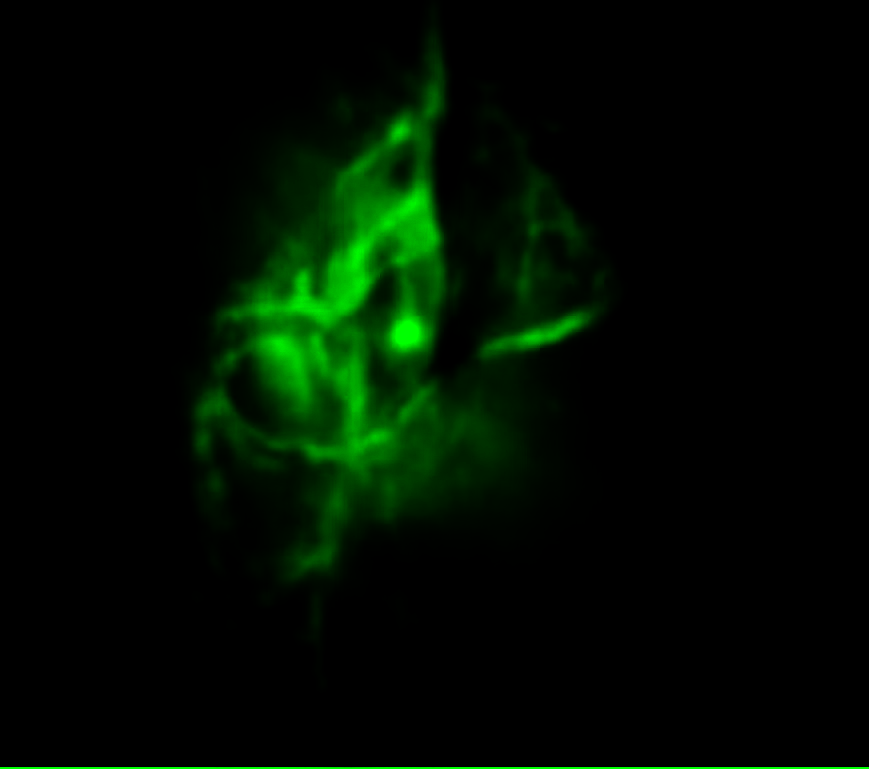
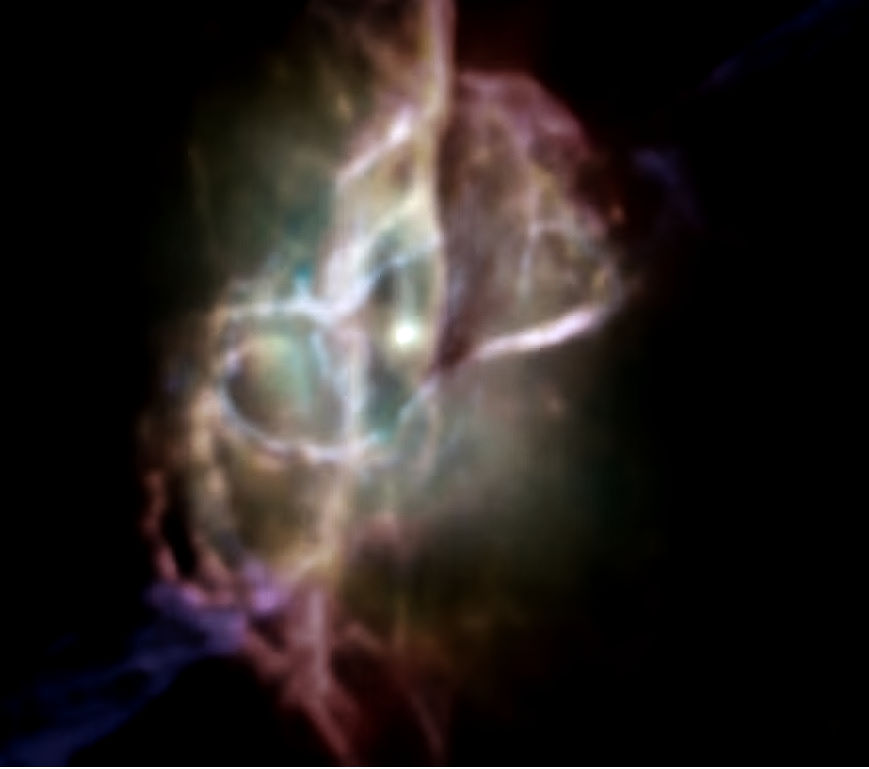
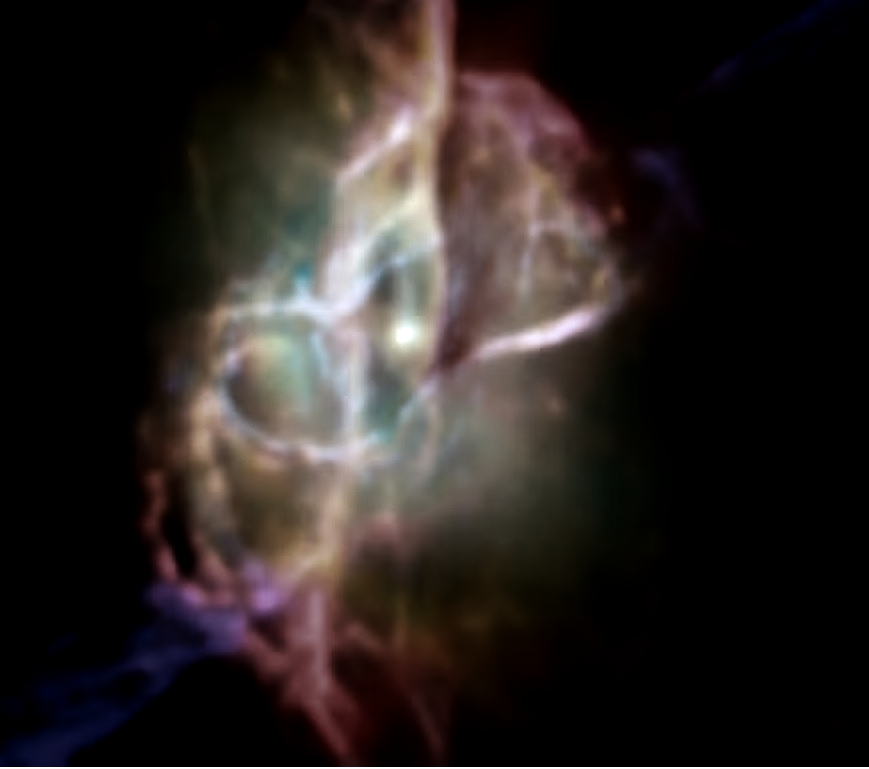
Observations with the James Webb have enabled an international team to make unprecedented discoveries of cosmic dust grains and complex molecules 3,400 light-years away from the Solar System.
Como esta borboleta espacial pode dar pistas sobre a formação da Terra
Observações com o James Webb permitiram que uma equipe internacional descobrisse de maneira inédita de grãos de poeira cósmica e moléculas complexas a 3.400 anos-luz de distância do Sistema Solar
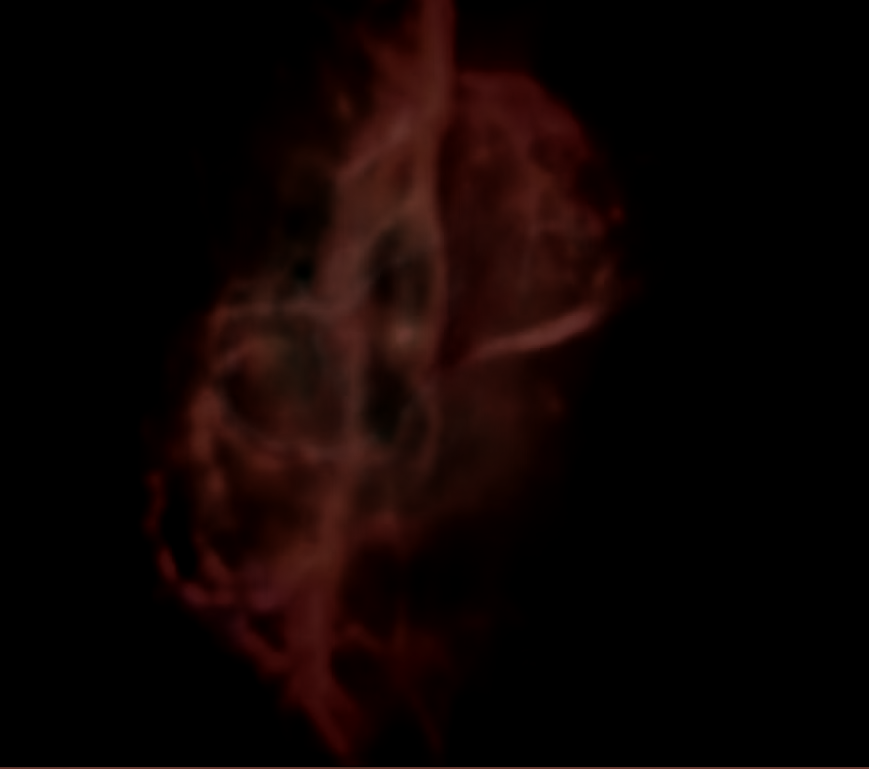
The James Webb Space Telescope has pierced through thick cosmic dust to capture the long-concealed core of the Butterfly Nebula (NGC 6302). This breakthrough offers a rare glimpse into what the Sun might look like as it approaches the end of its life
The James Webb Space Telescope has pierced through thick cosmic dust to capture the long-concealed core of the Butterfly Nebula (NGC 6302). This breakthrough offers a rare glimpse into what the Sun might look like as it approaches the end of its life
The James Webb Space Telescope has pierced through thick cosmic dust to capture the long-concealed core of the Butterfly Nebula (NGC 6302). This breakthrough offers a rare glimpse into what the Sun might look like as it approaches the end of its life
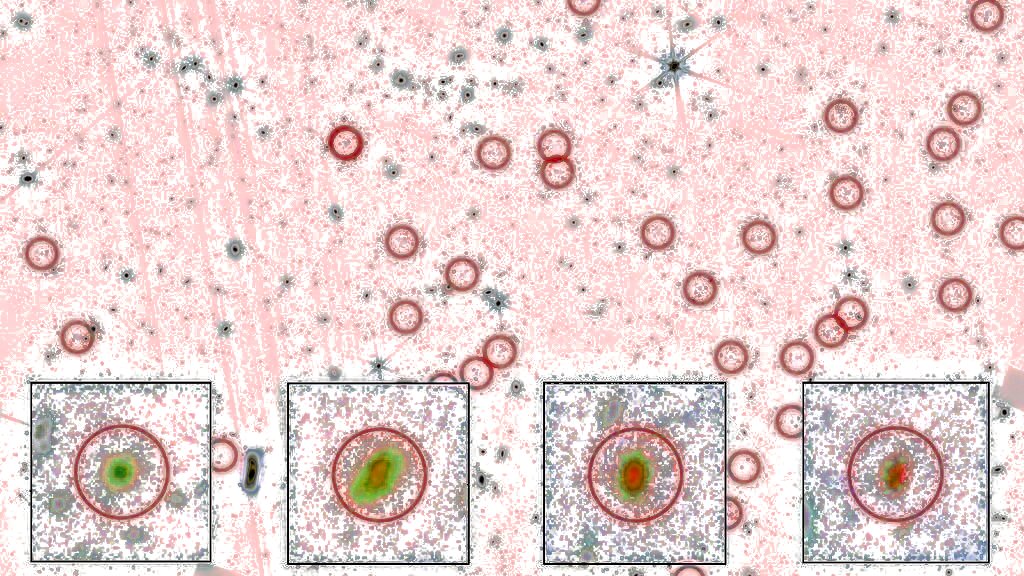
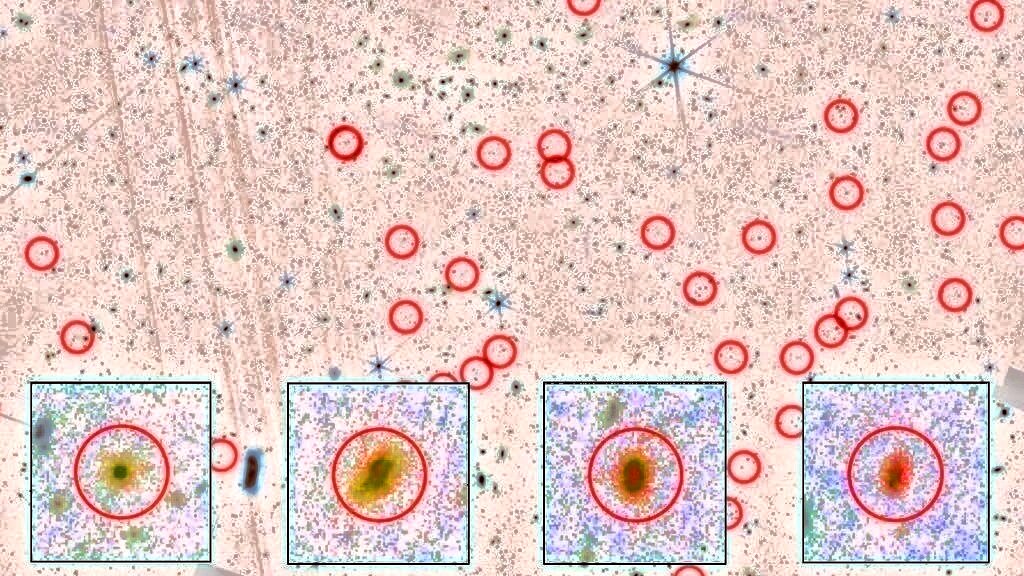
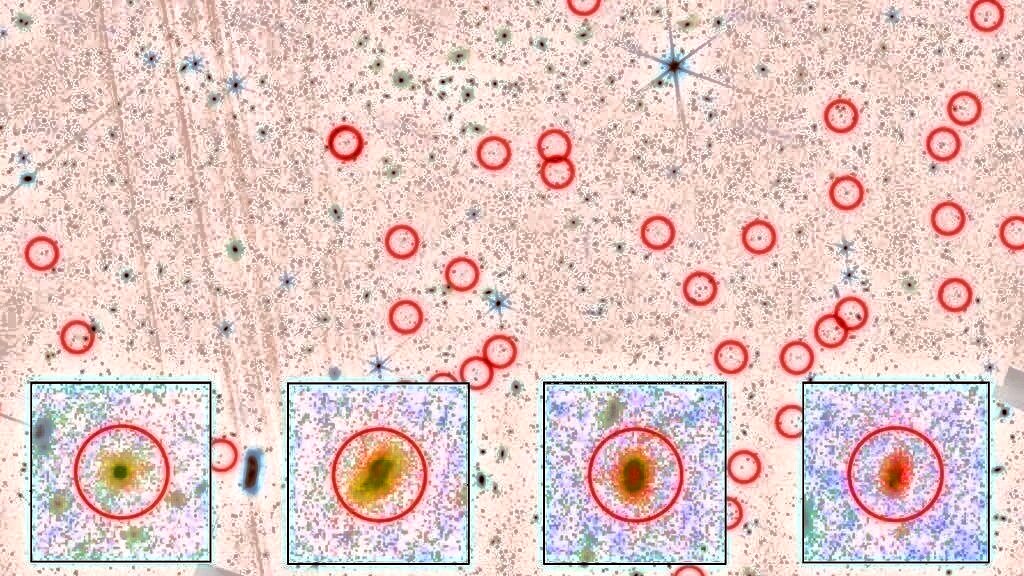
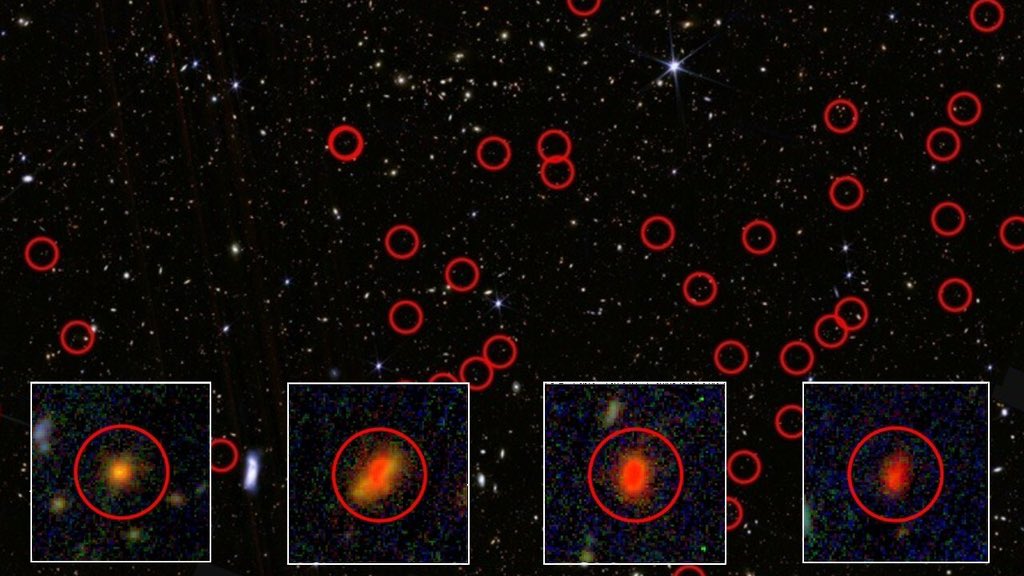
The James Webb Space Telescope has just discovered 300 mysterious glowing objects at the edge of space and time! ✨Some of them are 10 to 100 times brighter than what existing galaxy formation models predict