Heated tobacco products have become central to the tobacco industry's "reduced risk" narrative.
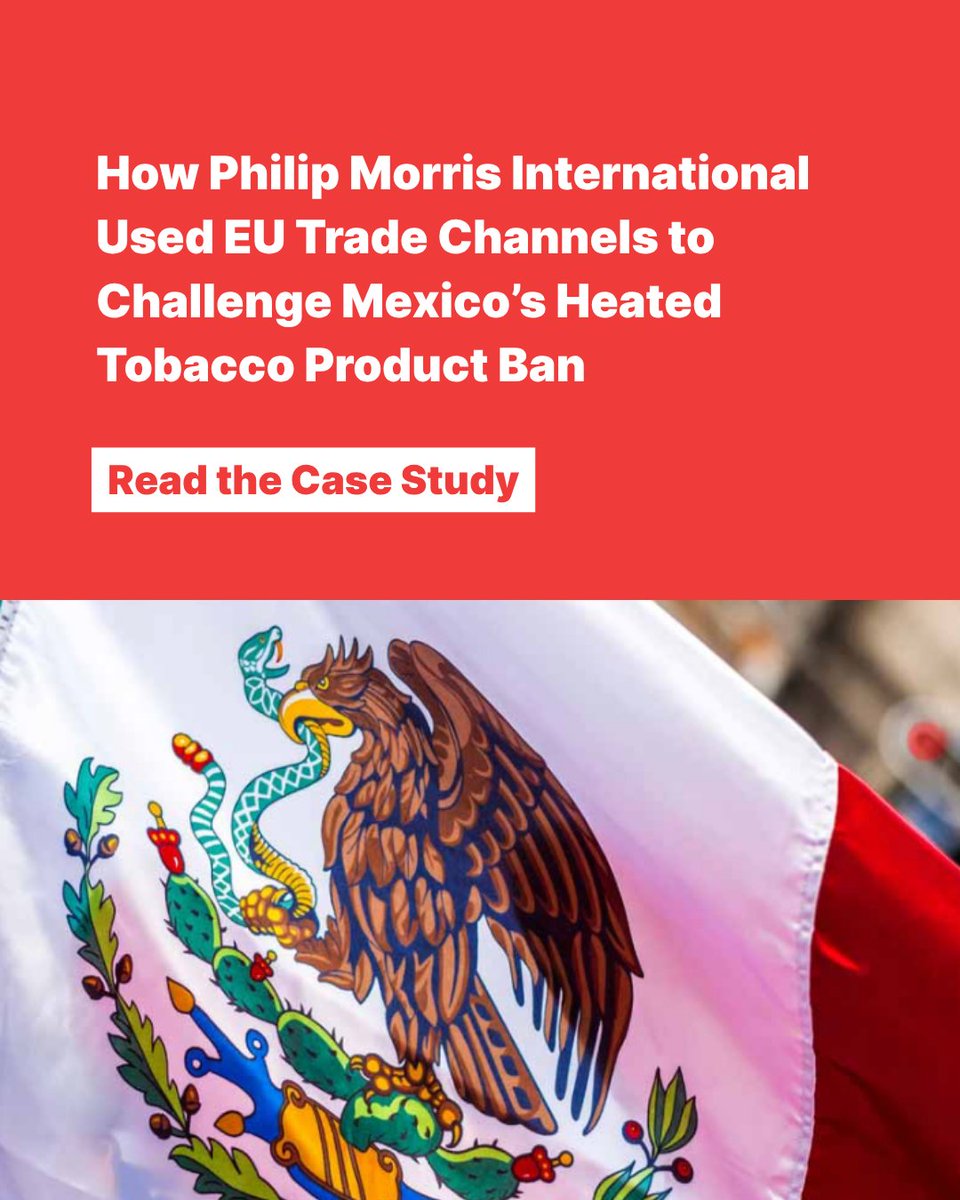
In a joint investigation, @ContreFeu_ong and STOP examine documents released through freedom of information requests that provide insight into Philip Morris International's engagement with the European Commission's DG TRADE regarding Mexico's heated tobacco product ban.
Learn more: https://t.co/eG3Xgrnej4
#ExposeTobacco
Mexico has been a leader in advancing tobacco control in Latin America, including banning heated tobacco products (HTPs) and e-cigarettes.
Based on a joint investigation by @ContreFeu_ong and STOP, this case study examines documents released through freedom of information requests that suggest Philip Morris International (PMI) sought to use European Union trade channels in an effort to challenge Mexico's HTP ban.
The documents offer insight into how PMI framed Mexico's HTP ban as a European trade issue and sought support from the European Commission's Directorate-General for Trade.
Learn more about the documents and what they reveal by reading the full case study at the link in our bio.
Learn more: https://t.co/eG3Xgrnej4
#ExposeTobacco
4/ These investigations reveal common themes: the industry seeks to undermine laws designed to reduce smoking, actively works to reach the next generation and incentivizes retailers to maximize sales of its deadly products. The industry should be held accountable for its actions. #ExposeTobacco
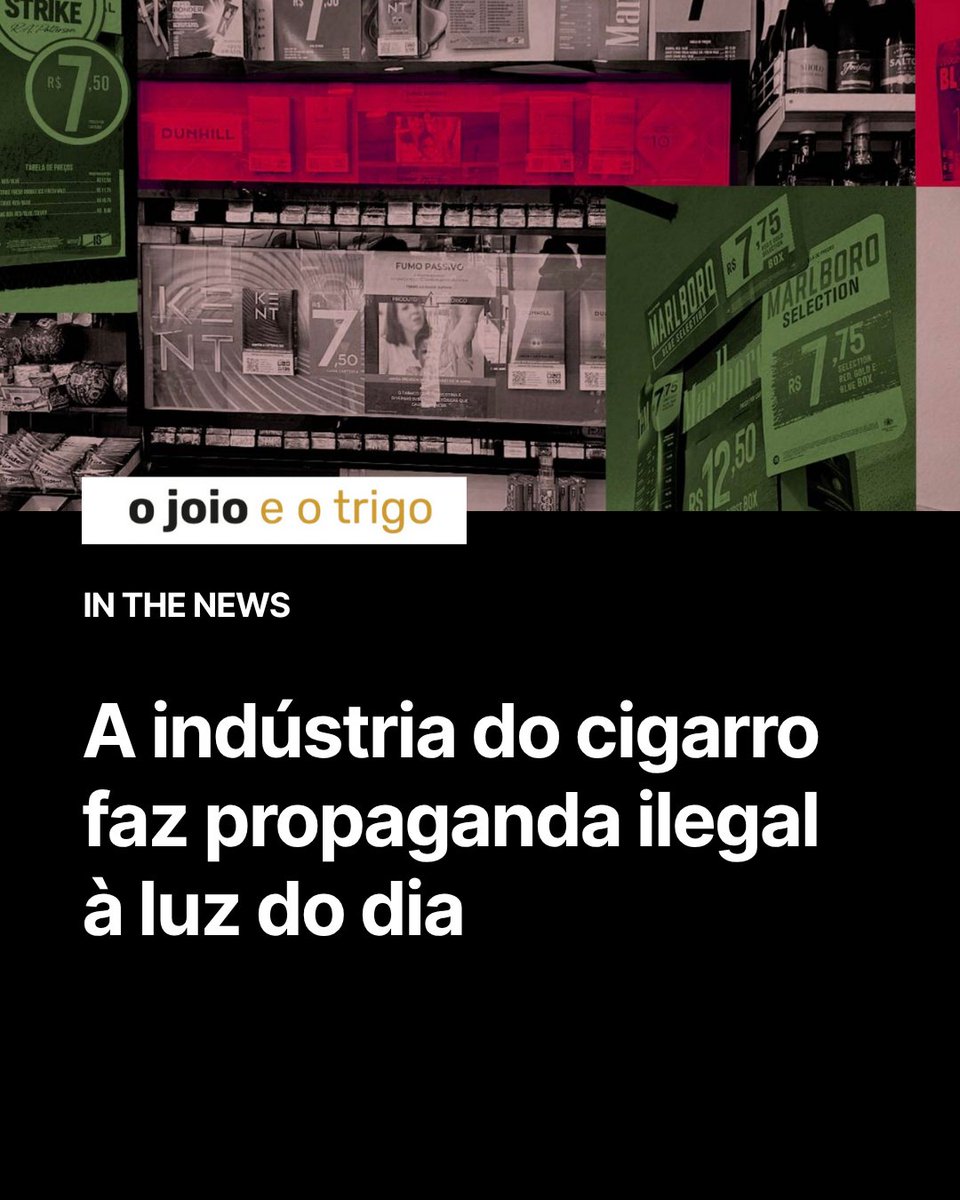
#ICYMI A recent @ojoioeotrigo investigation examines how cigarette companies in Brazil are encouraging retailers to use product displays and promotional materials at points of sale that may conflict with tobacco advertising regulations. #ExposeTobacco https://t.co/lIVNPIdVPa
3/ @ojoioeotrigo also cites research on cigarette advertising beside sweets and candies in retail outlets near schools, enabling the industry to reach the next generation. Our Notebooks to Nicotine brief reveals this is a tactic the industry also uses across the Eastern Mediterranean. https://t.co/aNY7vy1ZMX
#PhilipMorris continues to promote a future centered on new nicotine products, but replacing cigarettes with alternative products does not eliminate nicotine addiction.
A new analysis argues that the company's strategy shifts consumers from one addictive product to another while expanding its market through heated tobacco products, e-cigarettes, and nicotine pouches.
Tobacco control policies should prioritize preventing nicotine addiction, protecting young people, and ensuring that public health, not industry narratives, guides regulation.
#BigTobaccoExposed #BigTobaccoLie #ProtectOurYouth #PublicHealthFirst #TobaccoControl
Read more: https://t.co/SciYyXYmdB
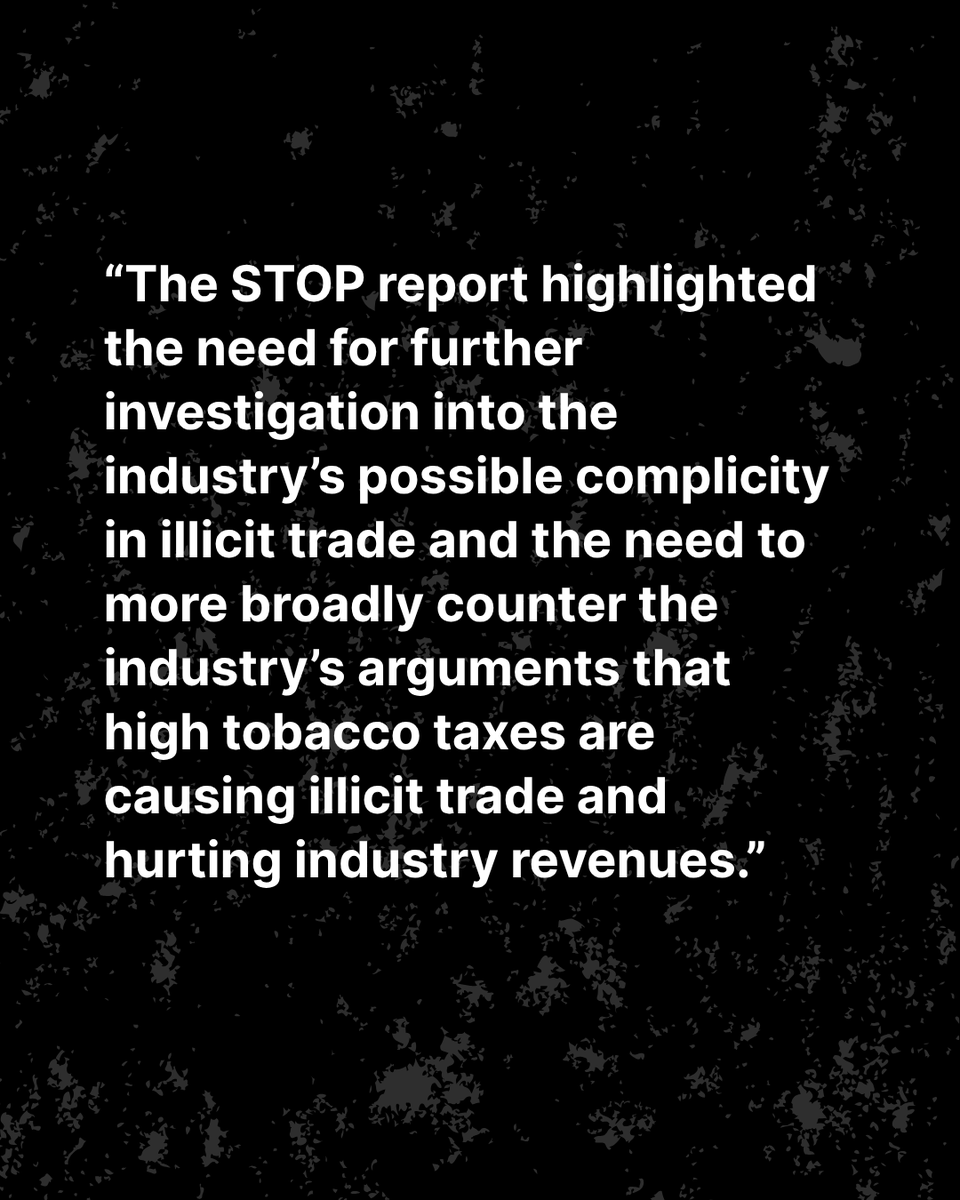
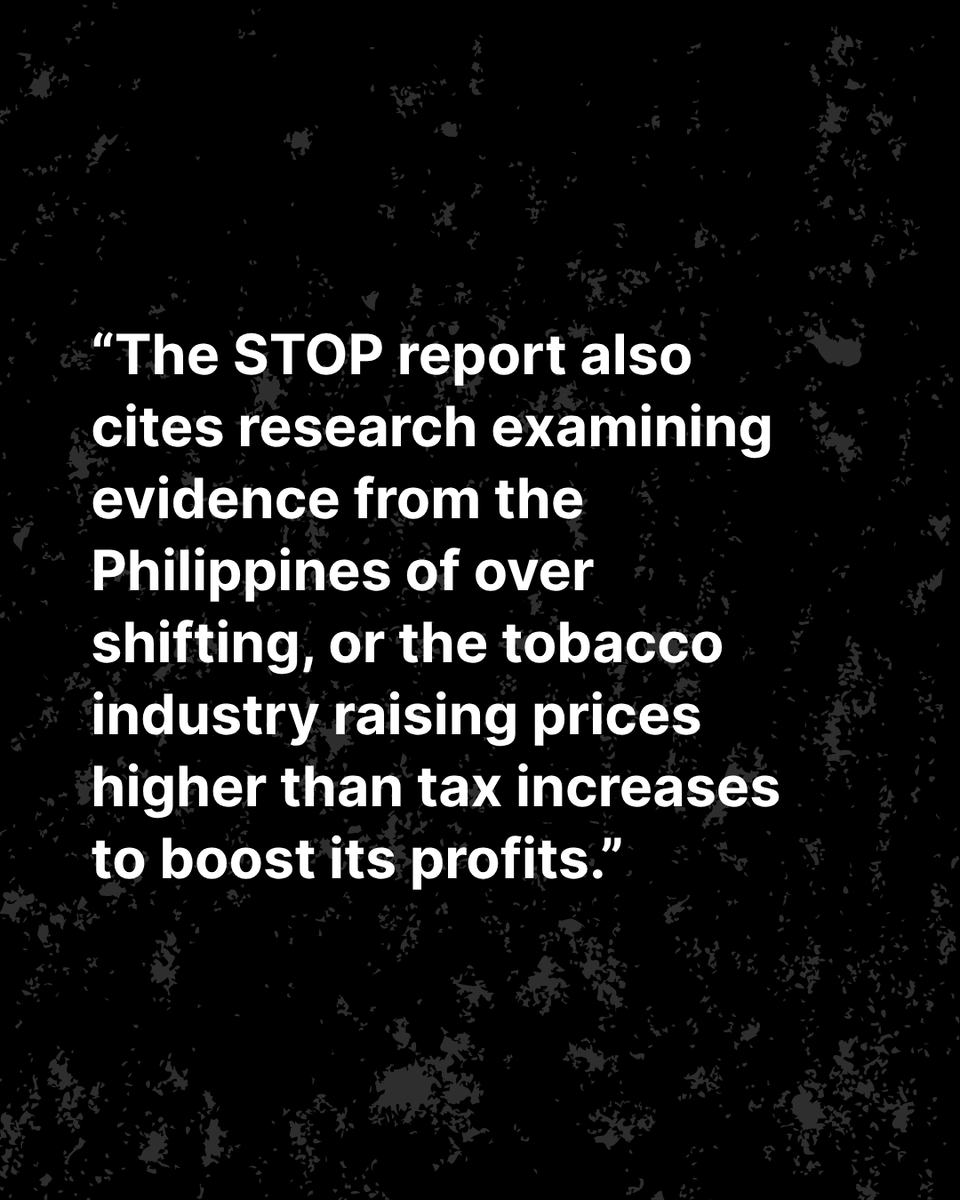
The blog also cites a STOP brief that examines evidence of the tobacco industry's possible complicity in illicit trade, raising questions about the industry's pricing practices and control of its supply chain.
🔗 https://t.co/pSk6QuYEKG
#ExposeTobacco
The tobacco industry argues that high tobacco taxes fuel illicit trade. But does the evidence support those claims? A recent @TC_BMJ blog highlights independent research from @AERPhilippines that challenges this narrative, pointing to weak enforcement, not high tobacco taxes, as a key driver of illicit trade. https://t.co/R1j93i9gBZ
The tobacco industry is always finding new ways to reach the next generation.
This @tbsnewsbd oped explores how digital platforms and social media have become central to the tobacco industry's marketing tactics, drawing on STOP's blog to underscore the importance of recognizing these evolving strategies.
Read the full op-ed.https://t.co/CRtePMZ7Ak
#UnmaskTheAppeal
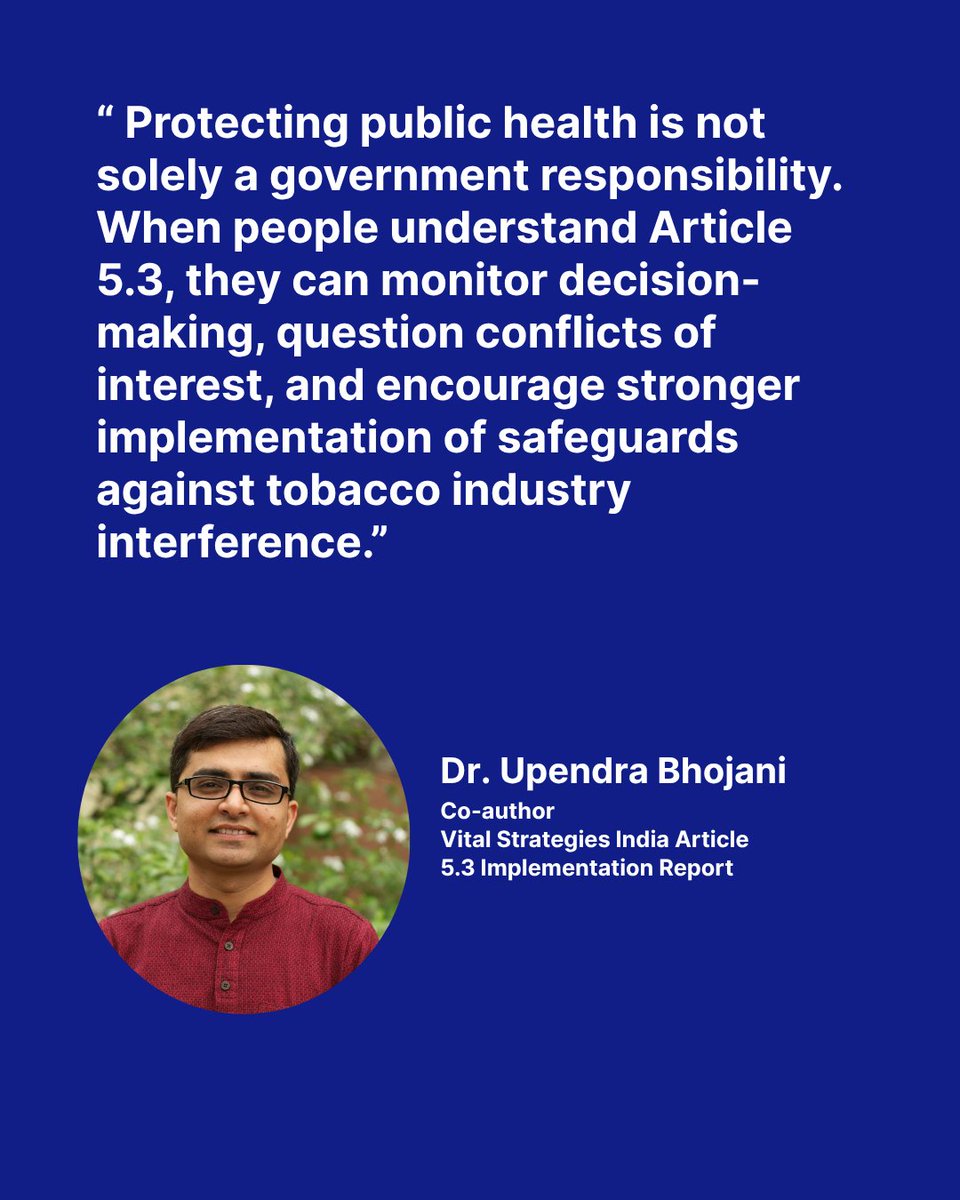
Key takeaways from our NEW blog "From the Grass Roots: How FCTC Article 5.3 Policies Are Making a Difference in India." Learn more: https://t.co/W1I90QVO10
#ExposeTobacco
What does WHO FCTC Article 5.3 implementation look like in practice?
In India, states and union territories have been leading the way by adopting policies designed to protect public health policymaking from the commercial and vested interests of the tobacco industry.
In this video, Dr. Shivam Kapoor, co-author of a recent analysis on Article 5.3 implementation in India, shares key insights from the research, including what supports effective implementation and what other governments can learn from these experiences.
Read the blog: https://t.co/dg4cCBdeyp
1/ #ICYMI, @ObserverUK's latest letters to the editor includes STOP Director @JorgeinBK highlighting the need to look beyond industry narratives on nicotine pouches and ensure public health policy is guided by independent evidence.
Learn more 🔗 https://t.co/rXLDUyn7Sv
What if you’re reading a news article or research paper and don’t realize it's backed by the tobacco industry? Tobacco companies are paying to place content on trusted sites to rebuild their tainted reputation. But industry ties aren’t always clearly disclosed. So what looks independent… might not be. And that’s a problem for public health.
Read our blog to learn more: https://t.co/pGMfX9S5yR
3/In a recent brief, we examined how Philip Morris International and its allies promoted the FDA’s authorization of ZYN, seemingly aiming to influence policy in other countries. Learn more: https://t.co/uyeiMt3d2E
1/NEW @Examinationnews highlights questions about the environmental and health impacts of nicotine pouches. A former US FDA employee alleges the agency authorized ZYN nicotine pouches despite her raising concerns that more information was needed.
A former @FDA toxicologist said the agency approved Zyn nicotine pouches for sale without knowing what they're made of — and that the pouches could shed microplastics, potentially harming users. Our investigation, copublished with @statnews: https://t.co/2fonAfXGON
2/ The report notes that researchers found the material used in several pouch brands, including ZYN, closely resembles cellulose acetate—the material used in cigarette filters. As nicotine pouch sales rapidly increase, experts say more research is needed to understand their effects. https://t.co/4QjzHWbpZQ
The Global Tobacco Industry Interference Index assesses how governments are protecting public health policies from tobacco industry interference, as required under WHO FCTC Article 5.3. But what does Article 5.3 implementation look like in practice?
This recent @VitalStrat report examines how 17 states and union territories in India have adopted and implemented Article 5.3 policies. Researchers gathered insights from government officials, civil society and academia to better understand how these policies are being implemented, the challenges stakeholders face and the practices that support implementation.
The findings offer practical lessons for governments seeking to strengthen safeguards against tobacco industry interference and protect public health policymaking.
Read the report: https://t.co/F23bwgKOs8
The tobacco industry continues to exploit policy gaps and loopholes to interfere in tobacco control.
The Global Tobacco Industry Interference Index assesses how governments are protecting public health policies from commercial and vested interests, as required under WHO FCTC Article 5.3.
Read the latest #GlobalTobaccoIndex to learn more: https://t.co/7fCA6RKHtz
#ExposeTobacco