Afghanistan Security Watch (ASW), represented by Parwiz Ibrahim Khail, participated in the one-day dialogue, “Afghanistan Amid Crises: From Challenges to Solutions in a Changing World,” held at the London School of Economics and Political Science (LSE).
During the conference, ASW presented an analytical briefing on Afghanistan’s internal and external security challenges, including the activities of anti-Taliban fronts, ISIS operations, border tensions, and regional security threats affecting Afghanistan under the Taliban rule.
@FARAGEER
Afghanistan at Crossroads: Navigating a Multifaceted Crisis in a Changing World
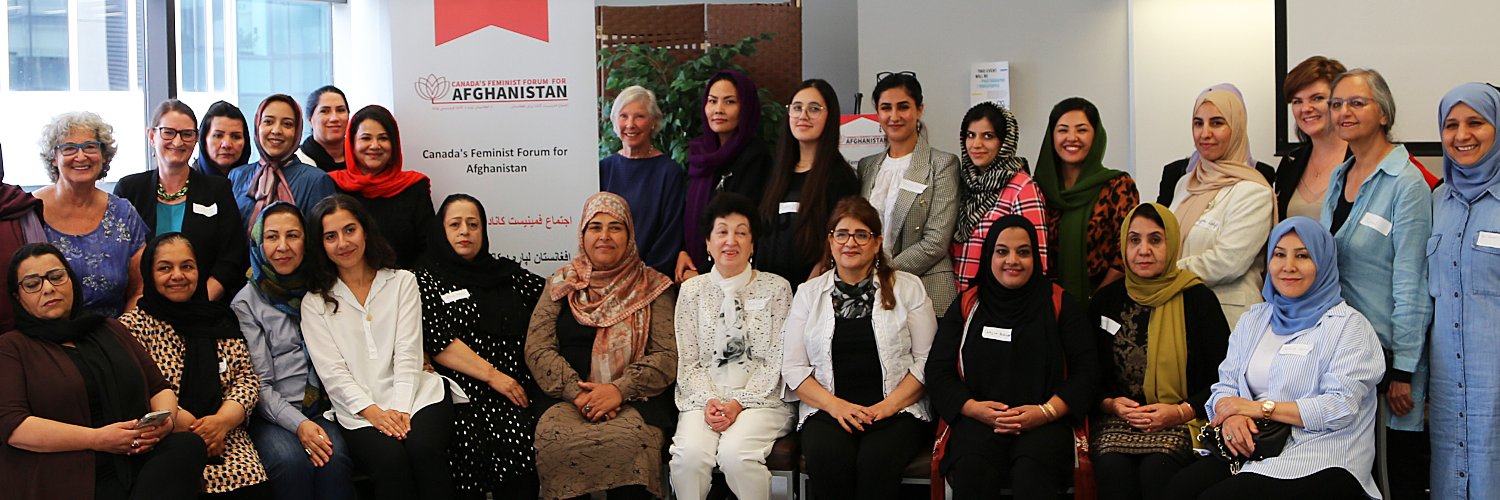
On 19th May 2026, FARAGEER convened a one- day dialogue at #LSE@EdwardsMil38246, which brought together 46 UK-based #Afghan experts, civil society leaders, women human rights defenders, academics, former government officials along side FARAGEER #delegation to discuss the most urgent challenges Afghanistan is facing.
The aim of this event was to provide safe space to #Afghans to collectively #reflect on the evolving situation within Afghanistan, in the region and globally among #themselves.
The event was opened by Ms. #NargisNehan and #JoannaLewis. In three #panel discussions and #presentations, speakers #examined the situation and shared their perspectives.
The first panel focused on the #HumanitarianCrisis, Situation of #Economy, #Climate Change, Social Sector and security situation in the past four years, moderated by @seema_ghani with Dr. #OrzalaNemat, Dr. #SarajuddinIsar, Mr. @MozamilShinwari, Ms. #KamilaSiddiqi, Ms. #AdelaMohseni and #ParwaizIbrahimkahil as presenters/speakers.
The second panel was on different International Accountability Mechanisms for Afghanistan (ICC and ICJ), new Independent Investigative Mechanism on Afghanistan and the Gender Apartheid Campaign, moderated by #AsilaWardak, with Mr. #NatiqMalikzada and Ambassador #NasirAndisha as presenters/speakers.
The third panel discussed changing global order and challenges and opportunities for Advocacy on Afghanistan, having Mr. #IdreesRahmani, Mr. #HamidHakimi, Ms. #NigaraMirdad, Mr. #ArefSahar and Mr. #WaidBarmak as speakers.
The day concluded with the presentation of a summary of the discussions and points for the way forward by Mr. #ZulamaiNishat.
@AndishaNasir@natiqmalikzada@NehanNargis@Orzala@Isar2000@JoannaILewis@seema_ghani@ZalNishat@AsilaA@MozammilKBL@NigaraOmar@AdelaMohseni
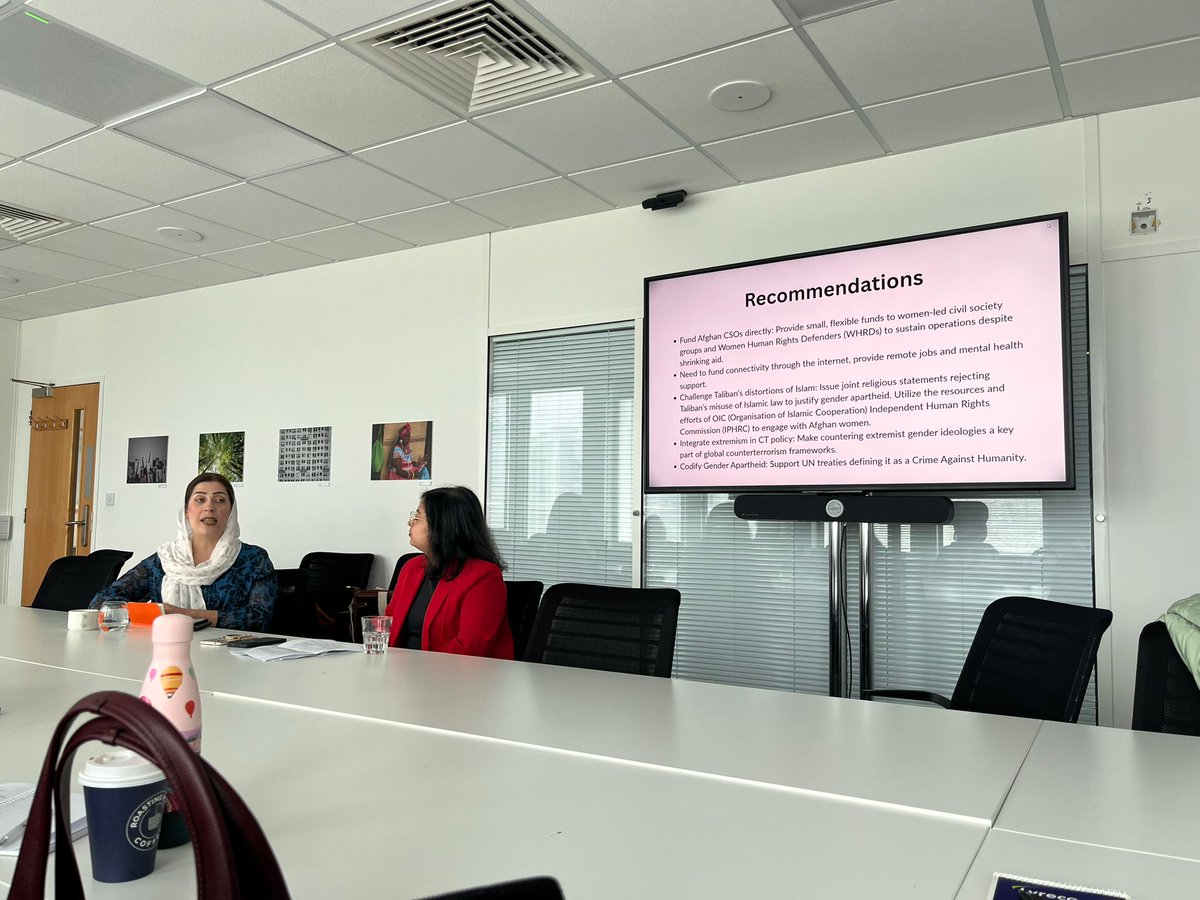
From Extremism to Equality for Women in Afghanistan
All-Party Parliamentary Group on Women - #APPG, Peace & Security in collaboration with #FARAGEER held a Parliamentary session to discuss the multi-dimensional impact of Taliban’s policies on women in Afghanistan and beyond on the 18th of May from 11am to 12.30pm at the #HouseofLords, #UK
#Baroness Fiona Hodgson while opening the session, stated the urgency and importance of discussing the ongoing crisis in Afghanistan while citing her and the APPG steadfast commitment to standing beside Afghan women and fighting for their rights.
@NehanNargis, the founder of #FARAGEER highlighted the dire situation in Afghanistan and the urgent need for coordinated action to restore the rights of Afghan women. She expressed the #hopelessness and despair that has gripped Afghan advocates who have been witnessing international attention shift away from the country with the #normalization of the Taliban group’s system of Gender Apartheid in the country.
#AnanyaKundu, Senior Researcher at FARAGEER presented findings from FARAGEER’s latest research studies, conducted by consulting 800+ women inside Afghanistan across 20 provinces. She highlighted that it is not just experts but ordinary Afghan men and women who see in their everyday lived reality, the centrality of women’s #subjugation in the Taliban group’s #politicalproject, explaining that the Taliban have used the suppression of women’s rights as a tool to control Afghan society, careful manipulating religious ideology and feminist theory to mobilize support for their system of Gender Apartheid.
Afghanistan expert and FARAGEER’s board member @DavidLoyn opened the panel discussion by introducing the imminent speakers for the day.
As the first speaker on the panel, Dr. @Orzala Nemat, founding director of Development Research Group explained the socio-political and humanitarian implications of religious extremism and Gender Apartheid system on Afghan society, warning that the continued systematic subjugation of women would lead the country into a very alarming and dark future.
“The family is a sacred unit in any society. But the Taliban are engineering the family unit by turning the men against the women and creating an atmosphere of fear, domestic tension and complete structural violence.”
She pointed to the long term impact of Taliban’s “self sabotaging” disastrous economic policies, warning that the impact of these systems of oppression and radicalization will reach people and places beyond Afghanistan’s borders.
Mr. @waisbarmak , former Minister of Interior Affairs of Afghanistan stated that in the current situation in Afghanistan, the Taliban has silenced the voices of Afghans with guns. There is a systematic suppression of all forms of dissent within the country. He pointed out that the Taliban in the last almost five years have become more rigid, more exclusionary and ideologically extremist inside Afghanistan while showing a softer face externally. He remarked that this situation shows that the international community’s inaction on these issues and their continued un-principled engagement with the Taliban have emboldened the group who have realized that there are no consequences to any of their actions and violations.
Dr. Ziba Mir Hussaini @mir_ziba , Scholar Specializing in Islamic Law, Gender and Development, in her address stated that the Taliban presents its policies or stance as the only Islamic standing, ignoring the fact that there is no “one” Islamic position on women’s rights. She further pointed out that Islamic law has always been shaped by human interpretation and by societies in which they developed. She highlighted that what the Taliban is doing is taking up one selective patriarchal interpretation of Islam and using that to justify their system of Gender Apartheid.
“The Taliban claims that they are purifying Afghan society from Western influences, especially when it relates to women’s rights. But what they call western influences is actually human influences and my response to this claim is that it is historically false, religiously unfounded and politically dangerous.”
Building on this argument, Dr. Mustapha Sheikh @mustysheikh , Co-Director of the #IqbalCentre for the Study of Contemporary Islam at the University of Leeds, in his statement asserted that gender-based subjugation being an intrinsic part of Taliban’s governance structure means that dismantling the former will lead to the regime’s collapse. He decoded parts of the new Criminal Code brought in by the Taliban in January 2026, stating that it goes against Islamic law and ideology. He argued that Islamic jurisprudence has tools to challenge the Taliban’s interpretation and resistance to the regime can be mobilized through religion.
“The Taliban cannot dismiss an internally grounded Islamic critique as mere western interference. They cannot easily answer a challenge made in their own language, made in their own terms, using their own sources by scholars with equivalent or greater authority.”
As the final speaker, @KhawariMasooma, Former Minister of Communications, shared recent ground updates on worsening situation in the country, highlighting the curtailing of #Shia's religious freedom and forcing them to accept Taliban’s #Hanafi education and push towards forcefully imposing one identity across the diverse Afghan population. She shared issues of forced land grabbing in Northern Afghanistan leading to forced displacement and demographic change along with heightened surveillance attacks on local identities and social fabric of the country.
The session closed with a collective call to action on principled engagement with the Taliban, supporting the codification of Gender Apartheid as Crime Against Humanity and calling on the #UK government along with all other states to have principled engagement with the Taliban, to consult Afghan civil society and WHRDs and base their decisions on Taliban, informed by their international obligations and concerns of Afghan women. The session closed with a vote of thanks delivered by Baroness Fiona Hodgson.
دو بخش کوتاه از صحبتهای امروزم در دانشگاه LSE لندن.
در این نشست که در دانشگاه London School of Economics برگزار شده بود، درباره آپارتاید جنسیتی در افغانستان صحبت کردم؛ درباره اینکه چرا سیاستهای طالبان علیه زنان نه فرهنگ افغانستان است، نه فرهنگ پشتون و نه دین.
همچنان تأکید کردم که مبارزه علیه آپارتاید جنسیتی باید بیشتر به داخل افغانستان برده شود و مردان افغانستان نیز باید در کنار زنان، نه به جای آنان، بلکه به عنوان شریکان این مبارزه بایستند.
معصومه خاوری: هزارهها و شیعیان از آسیبپذیرترین قشر جامعه افغانستان هستند
معصومه خاوری، عضو پیشین پارلمان کشور، در نشستی در پارلمان بریتانیا گفته است که هزارهها و شیعیان در کنار زنان از آسیبپذیرترین قشر جامعه افغانستان هستند.
او افزود: «آسیبپذیری آنان تنها جنبه قومی یا مذهبی ندارد، بلکه ابعاد سیاسی، اجتماعی، اقتصادی و امنیتی نیز پیدا کرده است.»
On 19 May 2026, I had the opportunity to engage with students and scholars at the WPS Department of the London School of Economics on the current situation in Afghanistan, particularly the ongoing challenges faced by Afghan women and girls.
The session was organized by @FARAGEER and hosted by LSE. It was a meaningful discussion on human rights, gender justice, and the resilience of Afghan women in the face of ongoing restrictions and exclusion.
I truly appreciated the thoughtful engagement, important questions, and solidarity shown by the participants.
#Afghanistan #AfghanWomen #HumanRights #WPS #LSE #WomenPeaceSecurity
بارونس فیونا هاجسون، عضو مجلس اعیان بریتانیا، در گفتوگو با افغانستان اینترنشنال وضعیت زنان در حاکمیت طالبان را «فاجعهبار» توصیف کرده و گفته است که طالبان درک نمیکند زنان «سرمایه عظیم انسانی» برای افغانستان هستند.
https://t.co/35PLooJjcf
۸صبح، کابل: نهاد «فراگیر» در گزارشی تازه اعلام کرده که محدودیتهای گسترده طالبان بر زنان در افغانستان نهتنها حقوق اساسی آنان را نقض کرده، بلکه به تشدید افراطگرایی و ناامنی اجتماعی در کشور نیز دامن زده است.
نهاد فراگیر روز دوشنبه، ۲۸ ثور، گفته است این گزارش براساس مستندسازی صدها روایت از زنان و مردان در ۱۴ ولایت افغانستان تهیه شده و پیامدهای سیاستهای طالبان از زمان تسلط آنان در افغانستان را بررسی میکند.
در این گزارش آمده است که سیاستهای طالبان در زمینه محدودسازی حقوق زنان، بهویژه در بخش آموزش، به یکی از عوامل اصلی شکلگیری فضای افراطی در جامعه تبدیل شده است.
بیشتر بخوانید...
https://t.co/2CR0Dqf89r
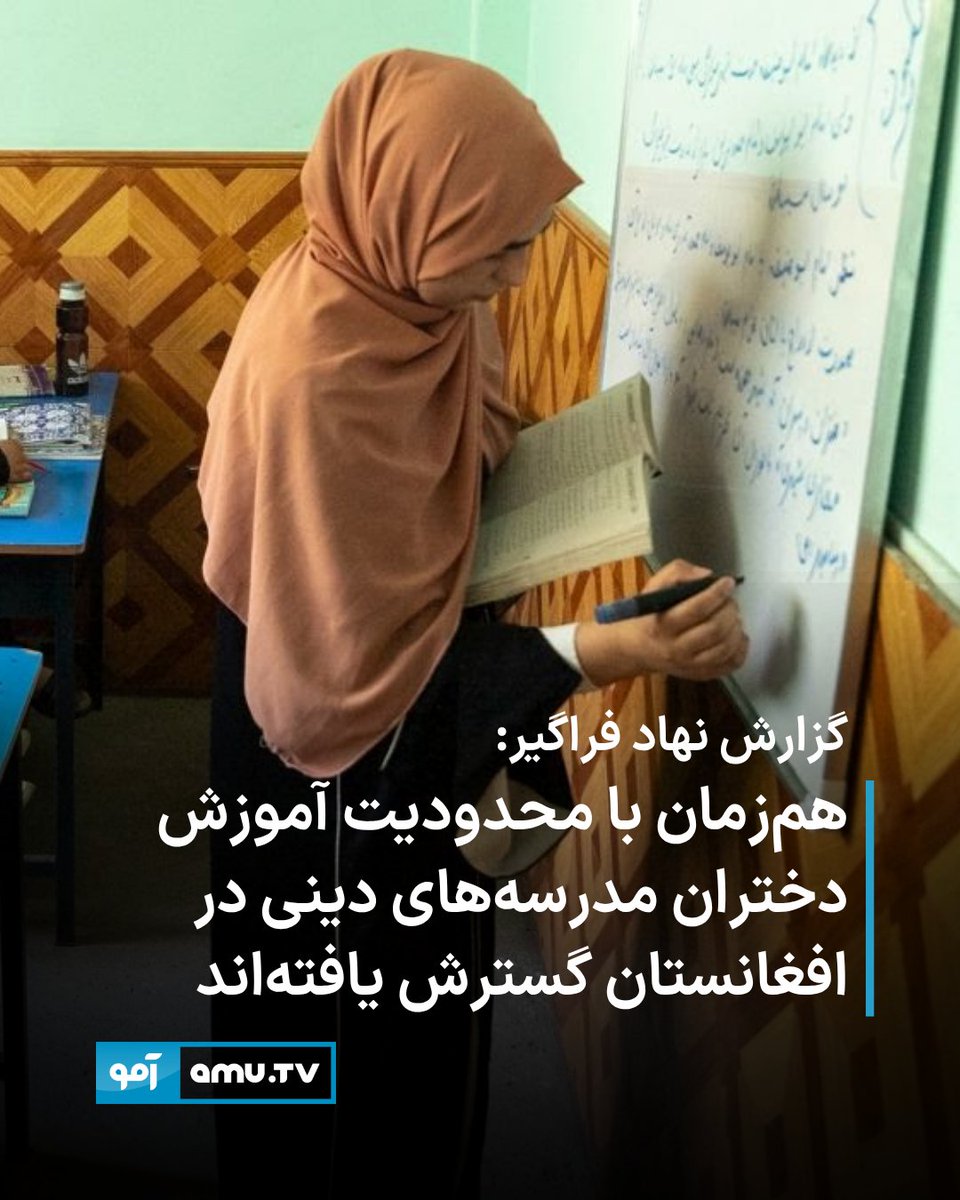
تازه نهاد «فراگیر» نشان میدهد که پس از بازگشت طالبان به قدرت در اگست ۲۰۲۱، در کنار محدودیتهای گسترده بر آموزش دختران، شمار مدرسههای دینی در افغانستان افزایش یافته و همزمان دسترسی به آموزش مدرن کاهش یافته است.
https://t.co/NOyu5KaE7Q
نرگس نهان، وزیر پیشین معادن و پترولیم افغانستان در نشست پارلمان بریتانیا گفت پنج سال از محرومیت زنان از حقوق اولیه انسانیشان در افغانستان میگذرد.
نهاد فراگیر در گزارش تازه خود در پارلمان بریتانیا گفت که پس از بازگشت طالبان، شمار مدرسههای دینی افزایش و آموزش مدرن کاهش یافته است.
مصطفی شیخ، مسئول مرکز اقبال برای مطالعه اسلام معاصر در دانشگاه لیدز، در نشستی در پارلمان بریتانیا گفت طالبان «مردان را به مجریان محدودیتها» در برابر زنان تبدیل میکنند.
او گفت که اصولنامه جزایی طالبان هر خانه را به «محلی برای اجرای مقررات مورد تأیید طالبان» مبدل میکند.
در نشستی در مجلس اعیان بریتانیا، اورزلا نعمت، مدیر موسس گروه تحقیقات توسعه، هشدار داد که سیاستهای طالبان علیه زنان یک بحران سیستماتیک است و میتواند پیامدهای بلندمدت برای آینده افغانستان و حتی تهدیدی فراتر از مرزهای این کشور ایجاد کند. او تأکید کرد زنان در شرایط انزوای شدید قرار دارند و برای دسترسی به خدمات اولیه با محدودیتهای جدی روبهرو هستند.
ویس برمک، وزیر پیشین امور داخله افغانستان در نشست پارلمان بریتانیا هشدار داد که افغانستان تحت حاکمیت طالبان تنها یک موضوع داخلی نیست، بلکه تهدیدی در حال شکلگیری برای امنیت منطقه و جهان است.
او گفت طالبان با گسترش حدود ۲۳ هزار مدرسه دینی، در حال جایگزین کردن نظام آموزشی افغانستان با ساختاری ایدئولوژیکاند؛ ساختاری که به گفته او آموزش مدرن را حذف میکند، دختران را از آموزش محروم میسازد و نسل تازهای را در محیطی بسته و مستعد افراطگرایی پرورش میدهد.
برمک تاکید کرد که پنج سال تعامل جامعه جهانی با طالبان شکست خورده و منطقه نیز از پیامدهای این روند در امان نخواهد بود.
The Taliban's new criminal code disallows pluralism within Islam — a hallmark of the Islamic tradition — and resorts to religious coercion. This will not bring any good to society or religion itself.
My criticisms here, beginning at minute 39:00: