The dismissal of the entire National Science Board further destabilizes NSF at a time of funding cuts, staffing reductions, and leadership vacancies. FASEB urges Congress and the Administration to restore a fully functioning NSB and protect the integrity of U.S. science leadership. Read our full statement: https://t.co/CPxAyjQTs3
New editorial from Loren E. Wold (@woldloren), Elizabeth A. Jonas & Thomas H. Sanderson explores FASEB’s new Generative AI policy for scholarly publishing.
Transparency. Accountability. Human oversight. Scientific rigor.
AI can support science — but not replace scientific responsibility. Read the editorial: https://t.co/pKejQgGxRn
What happens to research when results don’t support the hypothesis?
Too often—it never gets published.
We’re changing that. Learn how to publish null findings (with real examples) in the latest FASEB Publications newsletter from LinkedIn: https://t.co/vIwZtixtBM
New research in The FASEB Journal shows activating the smoothened receptor may reduce brain swelling, inflammation, and neurological damage after traumatic brain injury. Promising step toward targeted TBI treatments. 🔗 https://t.co/4IL7nSRGr4
Publishing with The FASEB Journal means more than sharing results—it means supporting science.
As a nonprofit journal, all revenue is reinvested into research, training, advocacy, and the scientific community.
🔗 Why publish with us: https://t.co/NsDWWHwBRl
What role does your body’s internal clock play in kidney disease?
This FASEB BioAdvances study shows how disrupted circadian rhythms may drive changes in metabolism in diabetic nephropathy.
Read the open access article:
https://t.co/hUOiZ6pz0y
What’s really happening in acne at the cellular level?
This study in FASEB BioAdvances identifies key skin cell (keratinocyte) biomarkers driving inflammation—and points to potential new treatment targets: https://t.co/z3iWNywm9D
Can new tech replace animal research? Not quite.
This Perspective in FASEB BioAdvances explains why animal models are still essential for understanding disease & developing treatments—and how they work alongside tools like AI and organ-on-chip models.
👉 https://t.co/hOh0lnKdy4
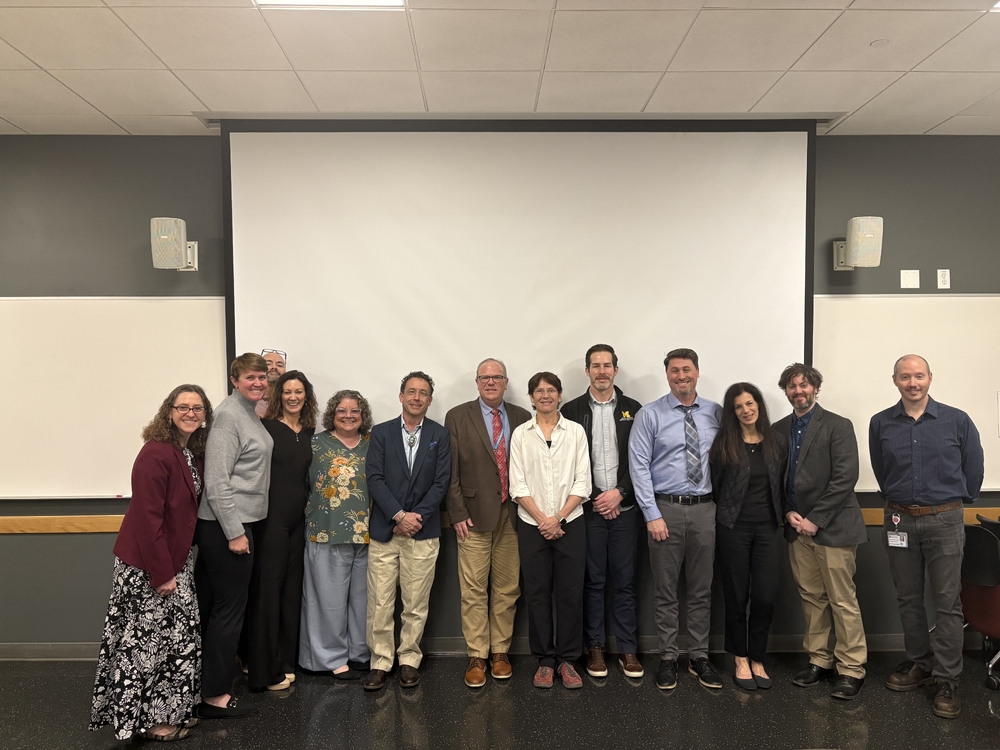
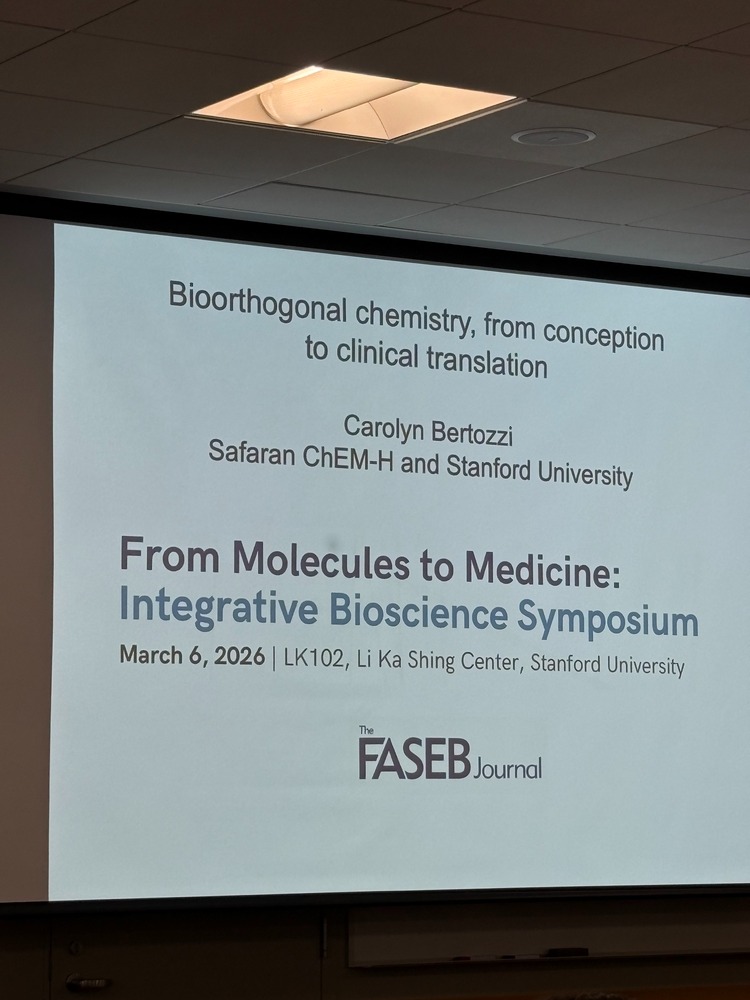
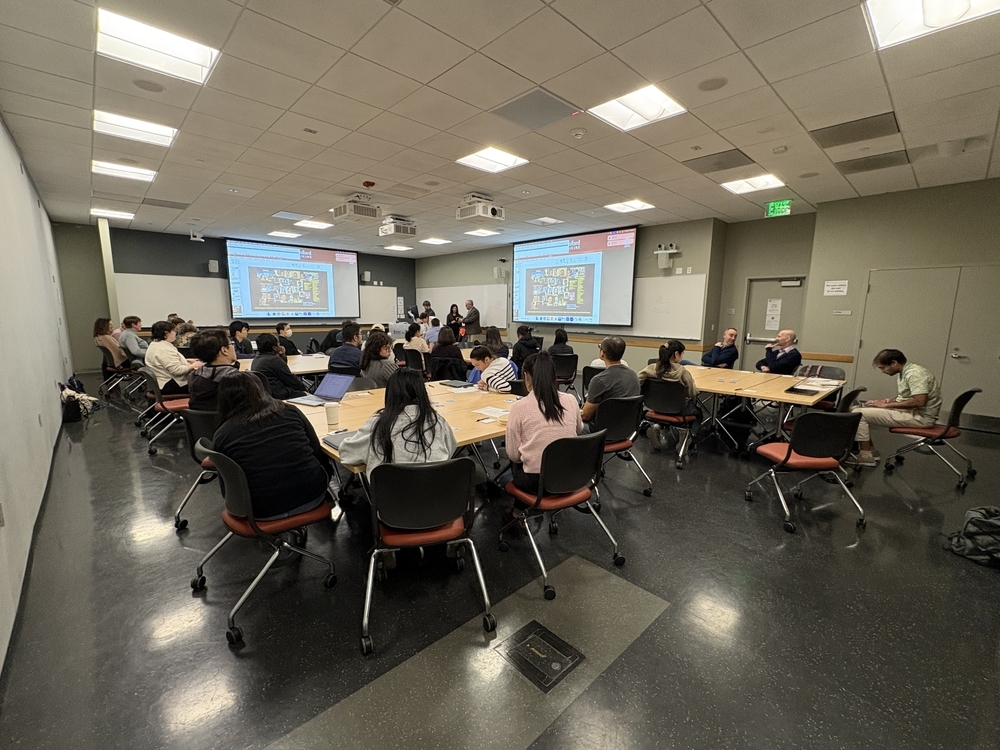
A fantastic day at Stanford for The FASEB Journal’s Integrative Bioscience Symposium.
🏆 EIC @woldloren presenting a plaque to Nobel Laureate Carolyn Bertozzi
🧬 Outstanding science from our speakers & Associate Editors
👏 Great turnout + great discussions
Science in action. #FASEB #BiomedicalResearch #SciComm
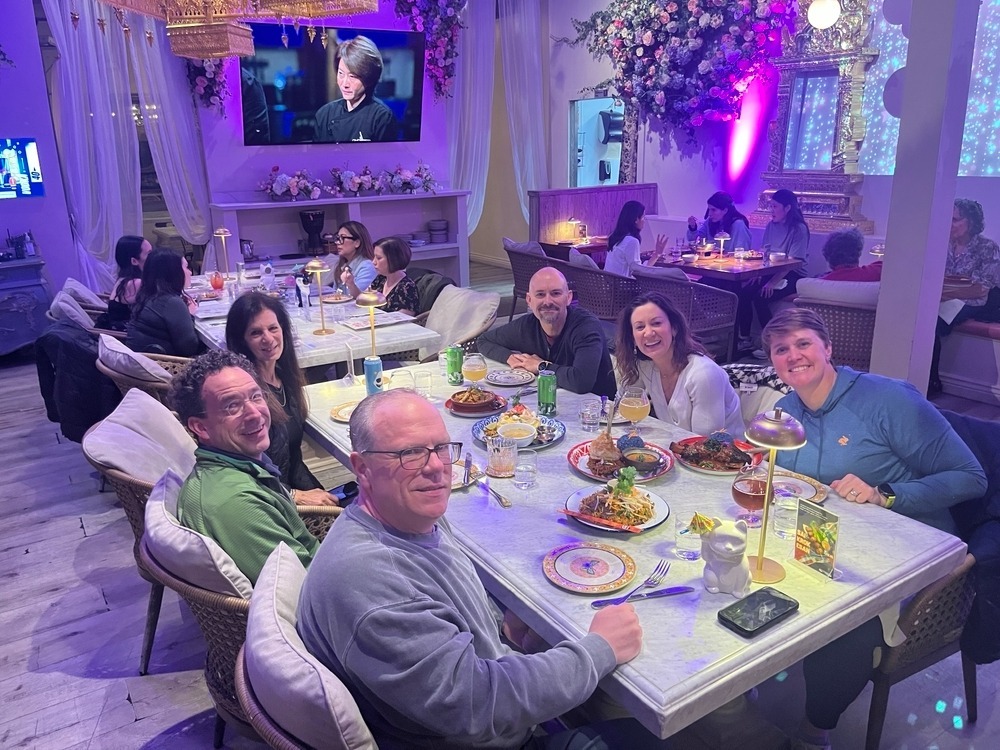
Who are the cool scientists behind The FASEB Journal? 👀
Editor-in-Chief @woldloren, Deputy Editor Liz Jonas, and Associate Editors Stephen Hewitt, Lauren Sparks, and @kistanford6 kicked off a weekend in Stanford with dinner before a big few days ahead.
Today: our Symposium.
Tomorrow: an all-day strategy meeting focused on one thing — serving our authors and readers even better.
It’s not just publishing. It’s partnership.
📢 Early-career researchers! Are you ready to shape the future of biosciences, not only in the lab but also in leadership? FASEB is reserving 3 voting seats on our Board & Science Policy Committee. This is your opportunity to bring your perspective directly into high‑level decisions that impact the biological and biomedical research community. Submit your application ➡️https://t.co/h7VjjfDRRT
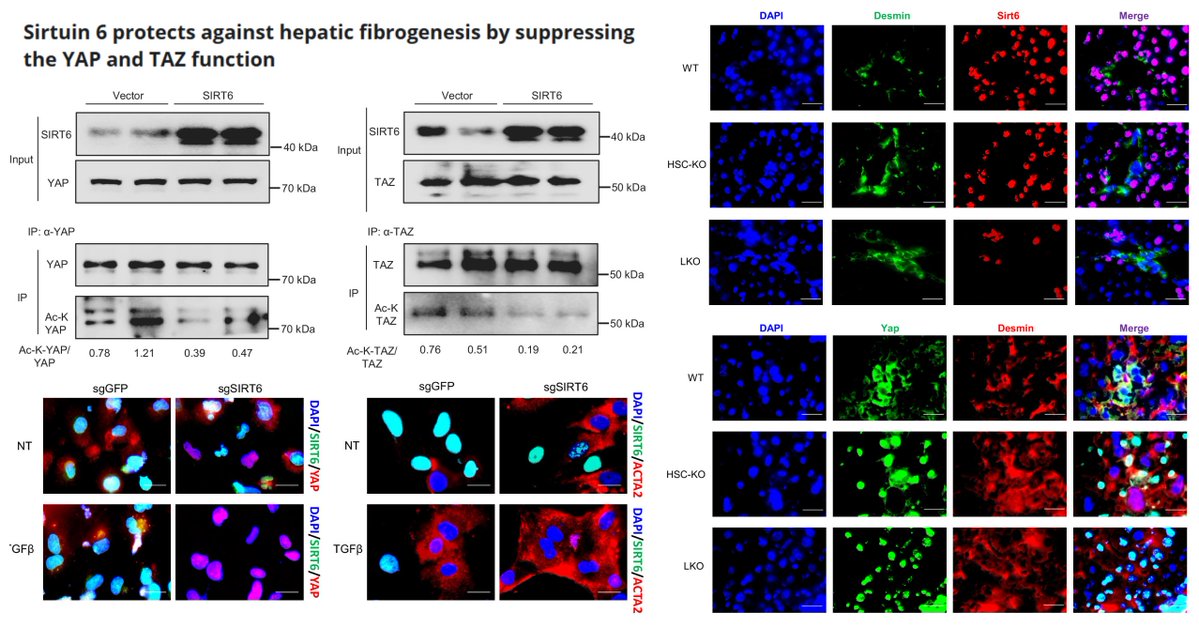
YAP/TAZ as direct targets of Sirt6 deacetylase activity
Sirt6 ⏬YAP/TAZ-TEAD1 interaction ⏫VGLL4 (YAP/TAZ suppressor)-TEAD1 interaction
Both Lrat-Cre #HepaticStellateCell & Albumin-Cre Hepatocyte (or its Cre leaks to HSC?🤔) KO of Sirt6 ⏫Liver Fibrosis in MASH🐭 +HFCC diet
@KushanChowdhury@FASEBPubs 2022
https://t.co/L9myJejEVE
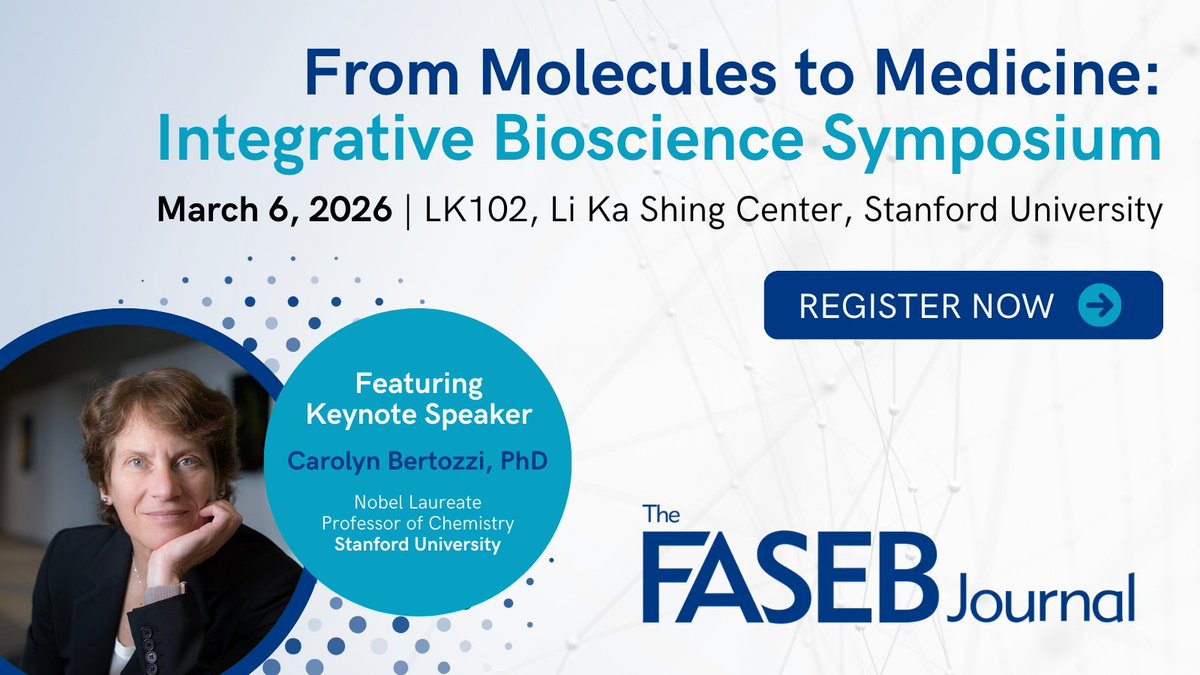
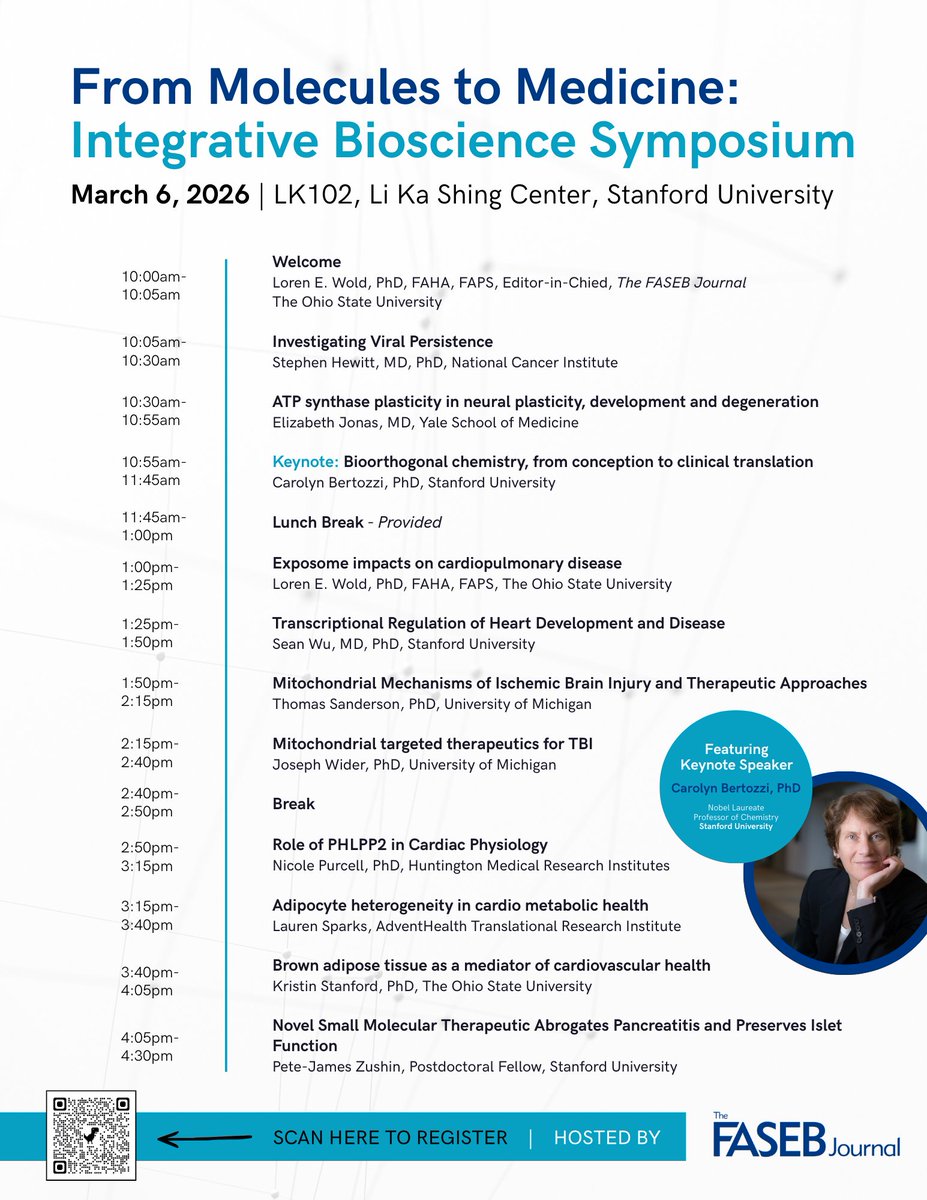
Early-career faculty: don’t miss this.
📅 Mar 6 | Stanford
🎤 Keynote: Nobel Laureate Carolyn Bertozzi
🧬 From Molecules to Medicine Symposium
👥 Only 60 seats
Free registration → https://t.co/tTtTiSC5iG
Your research deserves to be seen.
The FASEB Journal publishes high-impact, rigorously reviewed research that reaches scientists, clinicians, and policymakers across disciplines.
Publish where your work has influence beyond the page.
🔗 Learn more: https://t.co/SUXTbg0Wyr
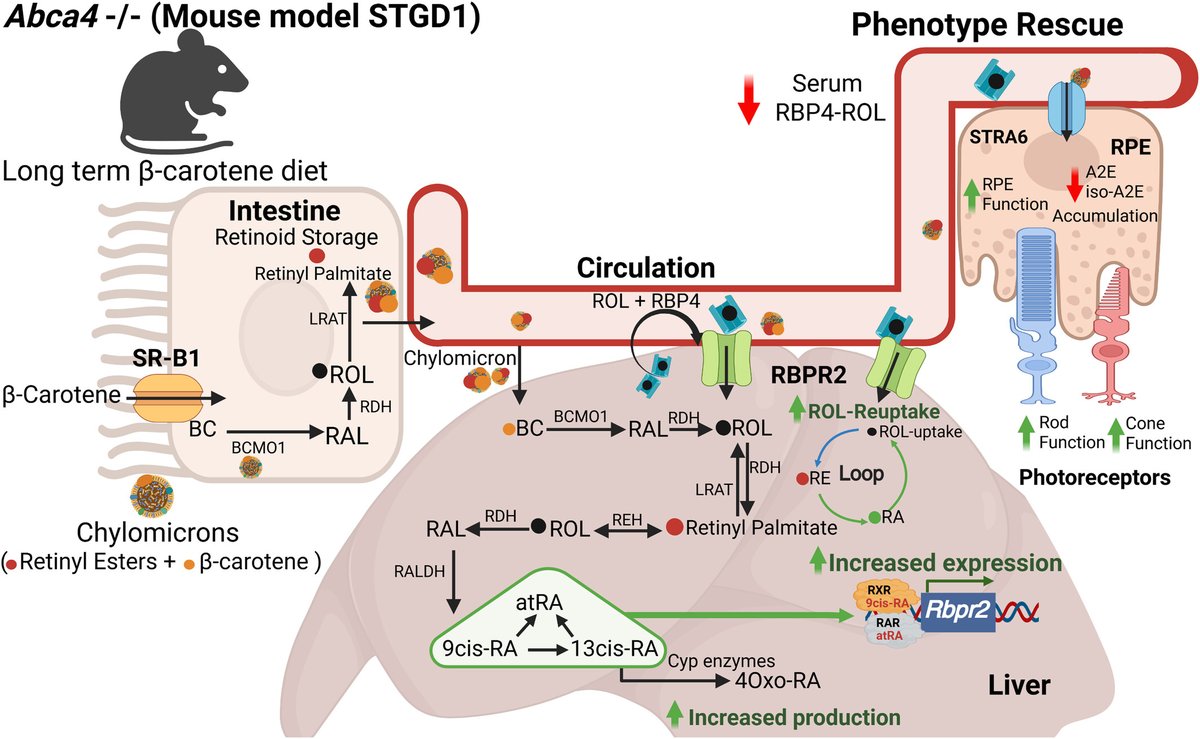
New #NIHFunded research offers hope for vision loss from #Stargardt disease (an inherited eye condition causing vision loss).
Scientists found that changing how the body uses vitamin A may help slow or reverse damage in mouse models.
https://t.co/RBQlXJKvi3
#ResearchNews
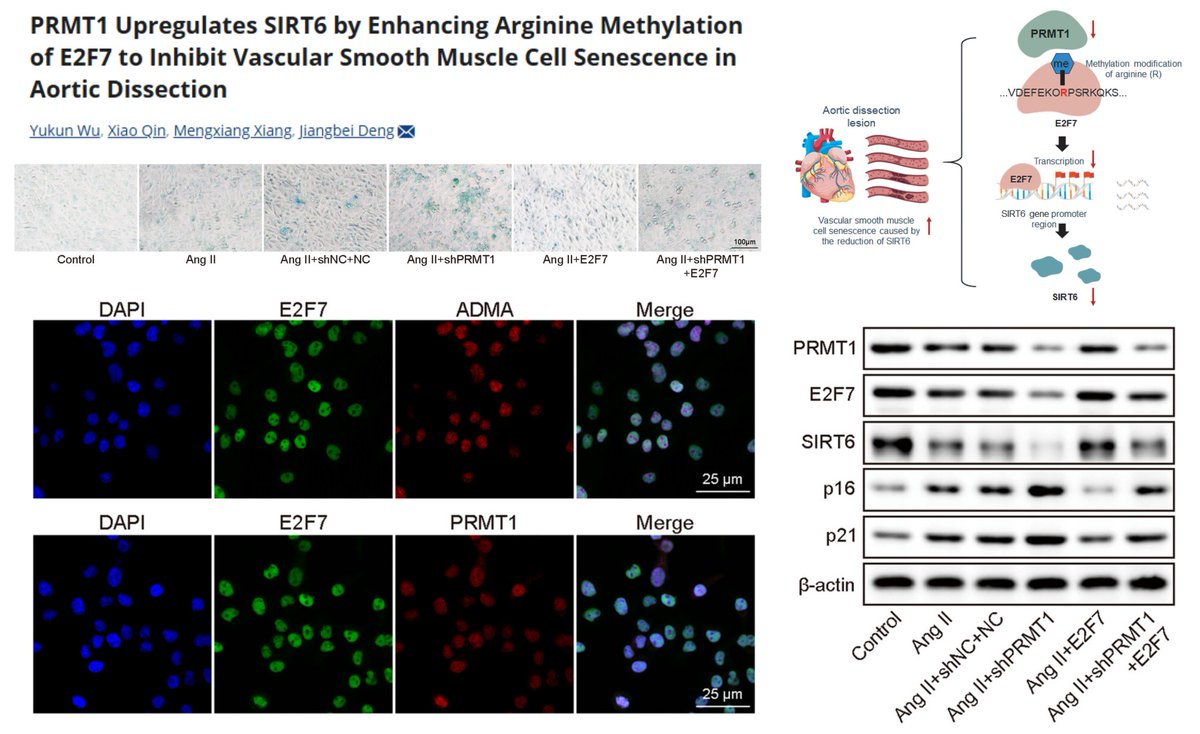
#Senescence
E2F7 is methylated & stabilized (shunted away from ubiquitination) by Protein Arginine Methyltransferase 1
Sirt6 as a direct anti-senescent target gene in Smooth Muscle Cell
@FASEBPubs 2025
https://t.co/zIBS4uFCsy
📢 Now published: the first article from FASEB’s ASNAM Initiative!
Authored by leading musculoskeletal researchers, it outlines why animal models remain essential to advancing musculoskeletal research amid growing use of alternative methods. Read the full article: https://t.co/PRxl3LZRjr
💡 In case you didn't know: FASEB’s Assessing Scientific Need for Animal Models (ASNAM) Initiative supports expert-driven perspectives that inform science policy with evidence. #FASEB #AnimalResearch