Every rare disease journey begins with a question and a search for answers. At FDNA, we harness the power of AI to bring those answers closer. Find out more: https://t.co/vnPjnjGhKx
September 15 is Wiedemann-Steiner Syndrome Awareness Day. WSS's genetic cause (KMT2A) was identified only in 2012. Arora et al. reported the first WSS patient from India - Face2Gene suggested WSS as the top-ranked candidate.
https://t.co/k3aCDPOFXs #WiedemannSteiner#Face2Gene
Announcing today that @fdna has been selected by @ARPA_H as a performer in the Rare Disease AI/ML for Precision Integrated Diagnostics (RAPID) program.
ARPA-H awarded FDNA a contract as part of a larger investment in RAPID.
30 million Americans live with a rare disease.
Diagnosis takes six years on average—for some, it can take decades.
Only 5% have an approved treatment.
ARPA-H is changing the pace with RAPID—using AI, data, and scalable systems to diagnose rare diseases faster and support the development of new treatments.
Meet the teams behind RAPID 👉 https://t.co/4DSvNJFUHS
It's #SMAAwarenessMonth. Worried about your child's movement or strength? Family Health Checker helps you organize symptoms & history into a clinician-ready summary for a more productive visit. Educational, not a diagnosis. #RareDisease
"AI becomes a force multiplier in the fight against rare diseases." A respected clinical geneticist's framing, not ours. And he points to #Face2Gene as an example. Worth a read:
https://t.co/vhwwbBrnTb
#RareDisease#AIinHealthcare#ForceMultiplier
For children with GDD/ID, phenotype-driven evaluation matters: history, exam, growth, vision/hearing, syndromic features, then genetic testing guided by the child’s presentation. Clinical picture first.
https://t.co/LKt7pegGaC
#PediatricGenetics#GDD
Genetic testing can help uncover insights into developmental and genetic disorders in children - from newborn screening to diagnostic tests, carrier screening, and whole genome sequencing.
🧬 Learn how different tests may support next steps.
🔗 https://t.co/kOOcfPDPEC
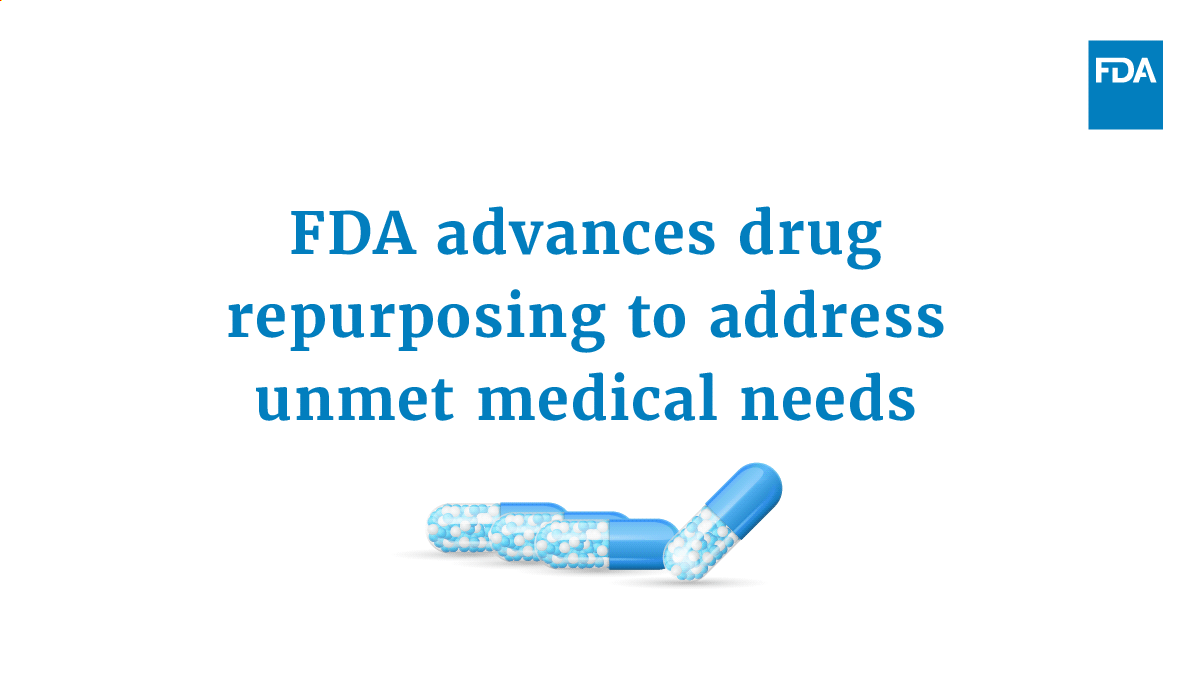
FDA is calling on patients, clinicians, and researchers to help identify drugs that could be repurposed to treat chronic and rare diseases and help address other unmet medical needs. Share your ideas to help advance new treatment options. https://t.co/qQPCrOfZwV
Parenting a child with developmental or health challenges can feel isolating - but you don’t have to go it alone. Peer support groups offer comfort, shared wisdom, and practical resources for families navigating similar journeys. 🌱
🔗 https://t.co/GPSp8ivY6A
Autism diagnoses have risen sharply - largely due to better detection, broader criteria, and greater awareness. Genetics and other risk factors matter too; more children are now identified earlier.
https://t.co/gkKW9zAYhV
@zebrahoofbeat Accredited references: OMIM #217090 - NORD entry on Congenital Type 1 Plasminogen Deficiency, the Plasminogen Deficiency Foundation, and the most recent peer-reviewed clinical review: Shapiro AD, Nakar C. How I treat type 1 plasminogen deficiency. Blood. 2025;145(25):2954-2965
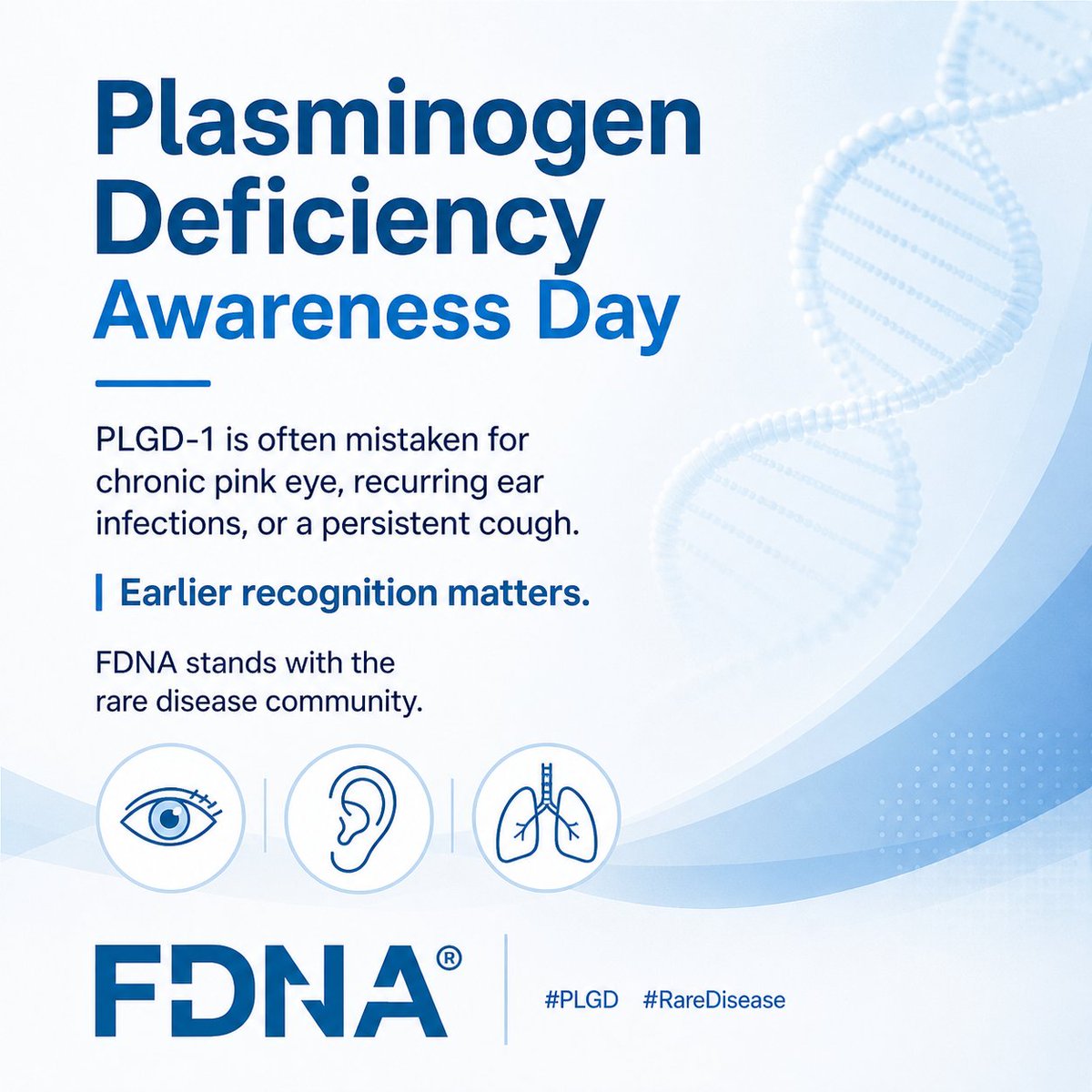
Today is Plasminogen Deficiency Awareness Day. PLGD-1 is often mistaken for chronic pink eye, recurring ear infections, or a persistent cough. Earlier recognition matters. FDNA stands with the rare disease community. #PLGD#RareDisease
@zebrahoofbeat We're not clinicians, so we defer to the published literature. PLGD-1 typically presents in infancy or early childhood, with a median age at onset of approximately 1 year — but onset varies widely, and adult-onset cases are documented.
Down syndrome (Trisomy 21) happens when there’s an extra copy of chromosome 21, most often due to a random error in cell division, not something anyone caused.🧬Understanding genetics can help support families and conversations with care teams.💙
🔗https://t.co/ayGBWIoKqf . .
Today is Undiagnosed Day — a day to recognize the millions living without answers. 💡🧬
Behind every undiagnosed condition is a family seeking clarity, support, and hope. Early recognition, genetic evaluation, and community matter.
#UndiagnosedDay#RareDisease#RareButNotAlone
Noticing developmental differences in your child? Early signs of rare genetic disorders can be subtle. Awareness matters. 🧬
Learn what to watch for and how FDNA’s Family Health Checker can help guide next steps.
🔗 https://t.co/sp9PQkRPVz
#RareDisease#ChildHealth#Genetics
March 25 is Cerebral Palsy Awareness Day 💚
Today we raise awareness, challenge misconceptions, and celebrate the strength and resilience of the CP community.
Awareness leads to understanding. Understanding leads to inclusion.
#CerebralPalsyAwarenessDay#CPAwareness