First-In-Human Study of 211At-CD45 Radioimmunotherapy With Nonmyeloablative Conditioning Hematopoietic Cell Transplantation for Adults With Hematologic Malignancies | Journal of Clinical Oncology https://t.co/hpcijVOoHI
@fredhutch
Strengthening Individual-Patient Treatment Prediction in Precision Oncology: The Case for a National Evidence Infrastructure | Journal of Clinical Oncology https://t.co/i1NyLqLM8Z @fredhutch
10x Genomics Announces New Collaboration to Advance Single Cell and Spatial Applications Across Solid Tumors and B... https://t.co/81UhcE0wYc @fredhutch
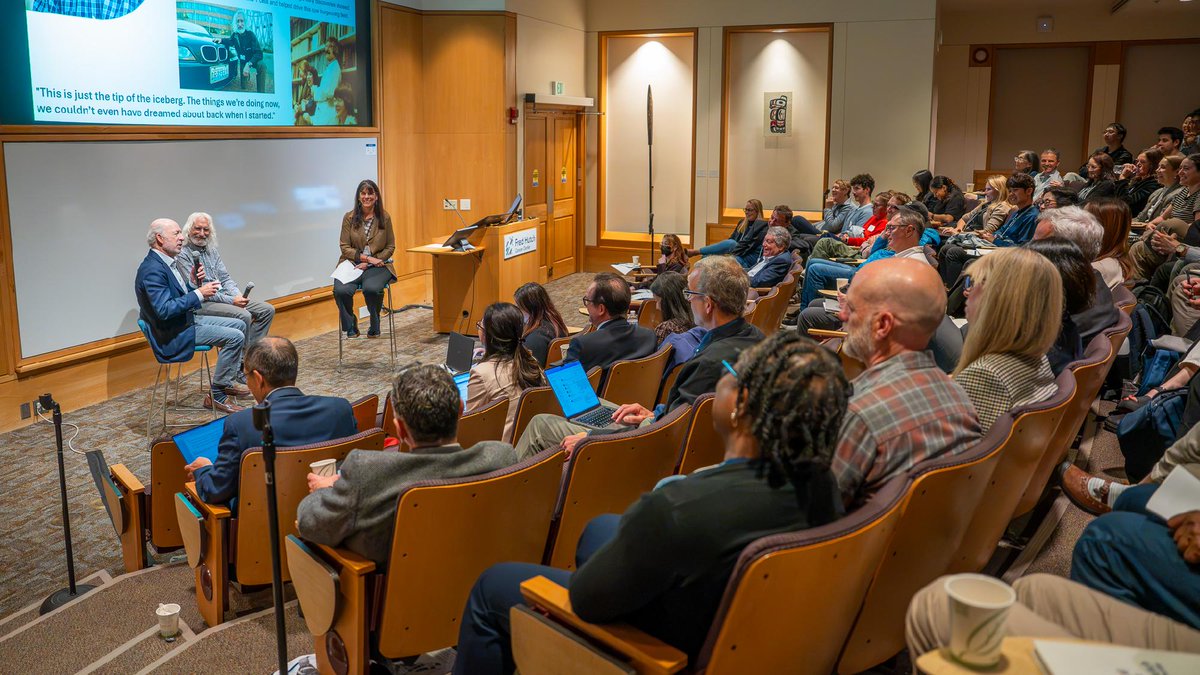
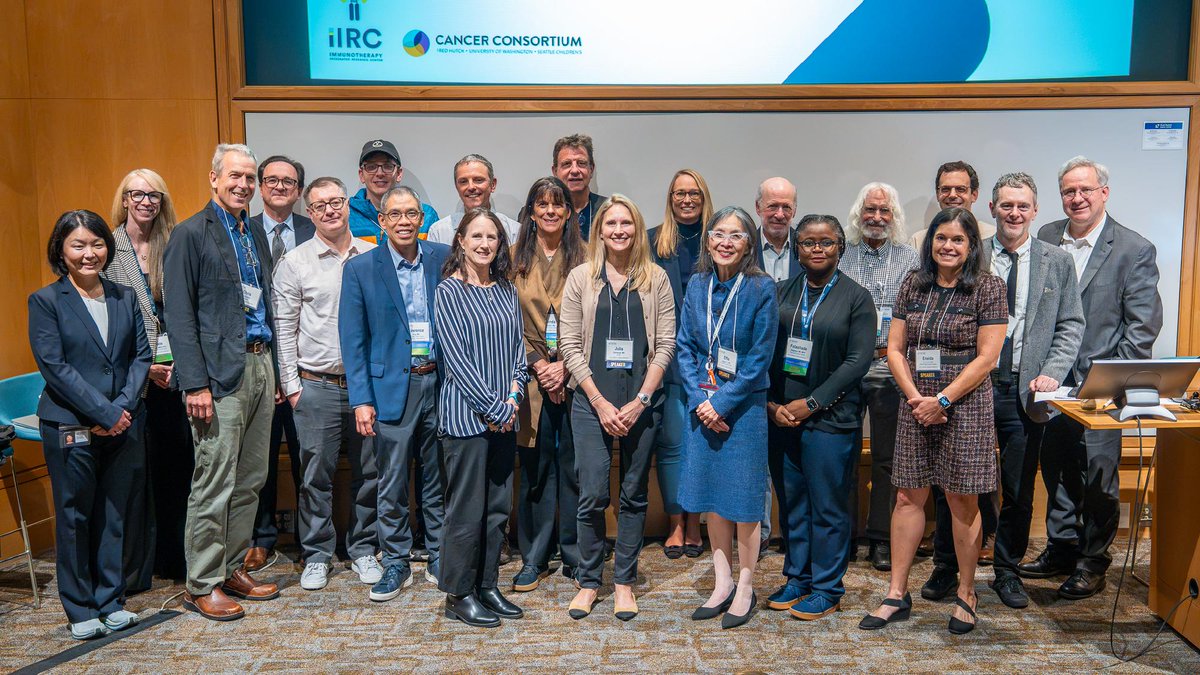
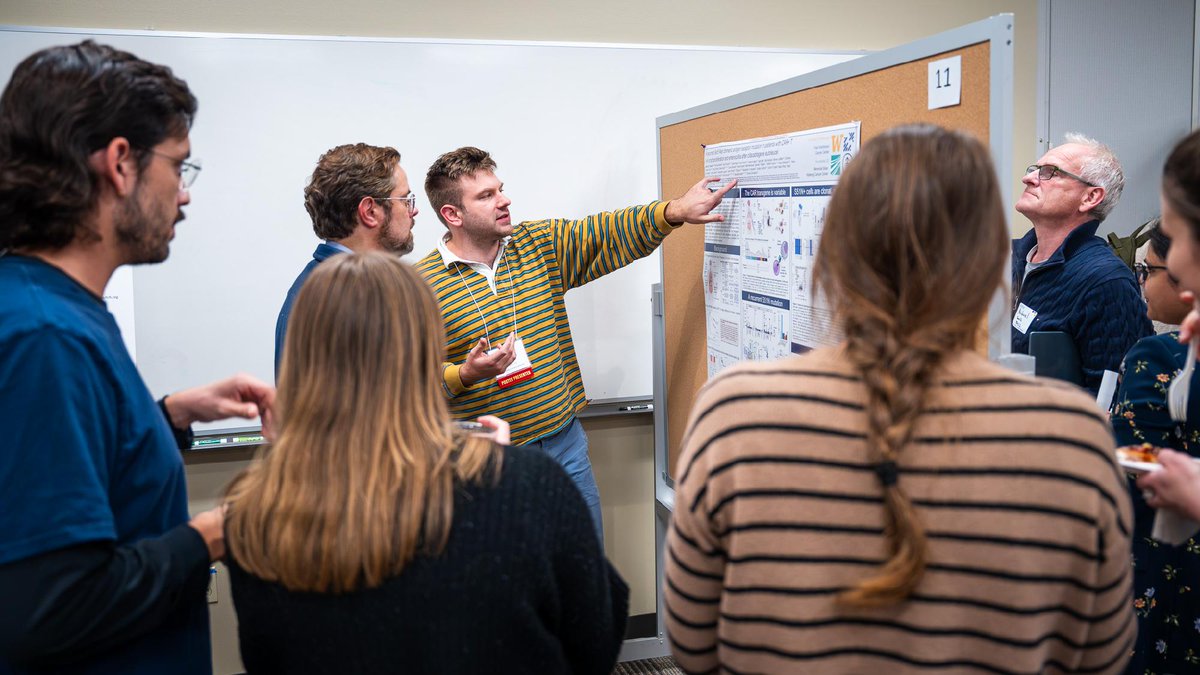
From bone marrow transplantation to T-cell immunotherapy, the legacy of Dr. E. Donnall Thomas continues to shape cancer care. This week, researchers from around the world gathered in Seattle for the inaugural Dr. E. Donnall Thomas Symposium. 📸
Reprogramming engineered autologous T cells to overcome resistance in patients with Merkel cell carcinoma | Science Translational Medicine https://t.co/nAfgFxyHbz
@HutchInnovation@fredhutch
Plant-based whole-food diets are feasible during auto-HCT and are associated with dose-dependent microbiome modulation https://t.co/tYdHbyEY6f
@fredhutch
Fred Hutch is recruiting an open-rank faculty member in cancer immunotherapy. Join a leading immunotherapy research community and help advance next-generation treatments from discovery to clinical translation. Apply: https://t.co/k366K2CcYo
JCI - B-cell depletion improves therapeutic index of combination checkpoint blockade in patients with advanced melanoma https://t.co/EwVELYTcPU @fredhutch
CD45-Directed Radioimmunotherapy with the Alpha-Emitter Astatine-211 As Conditioning for Autologous Hematopoietic Stem/Progenitor Cell Gene Therapy: Results from a Nonhuman Primate Model https://t.co/wGzs614DmI 1/2014/533073/CD45-Directed-Radioimmunotherapy-with-the-Alpha . @fredhutch
Researchers optimized a method to isolate nuclei from flash‑frozen mouse colon tissue for single‑nuclei RNA sequencing using Miltennyi’s lysis buffer and Octo-dissociator with chillers. The protocol improved nuclei RNA quality and counting prior to fixing nuclei for the 10x. FLEX- Multiplex protocol, supporting high‑quality, cost-effective molecular profiling when other single‑cell methods aren’t possible. @HutchInnovation https://t.co/5cK7k8BZkM
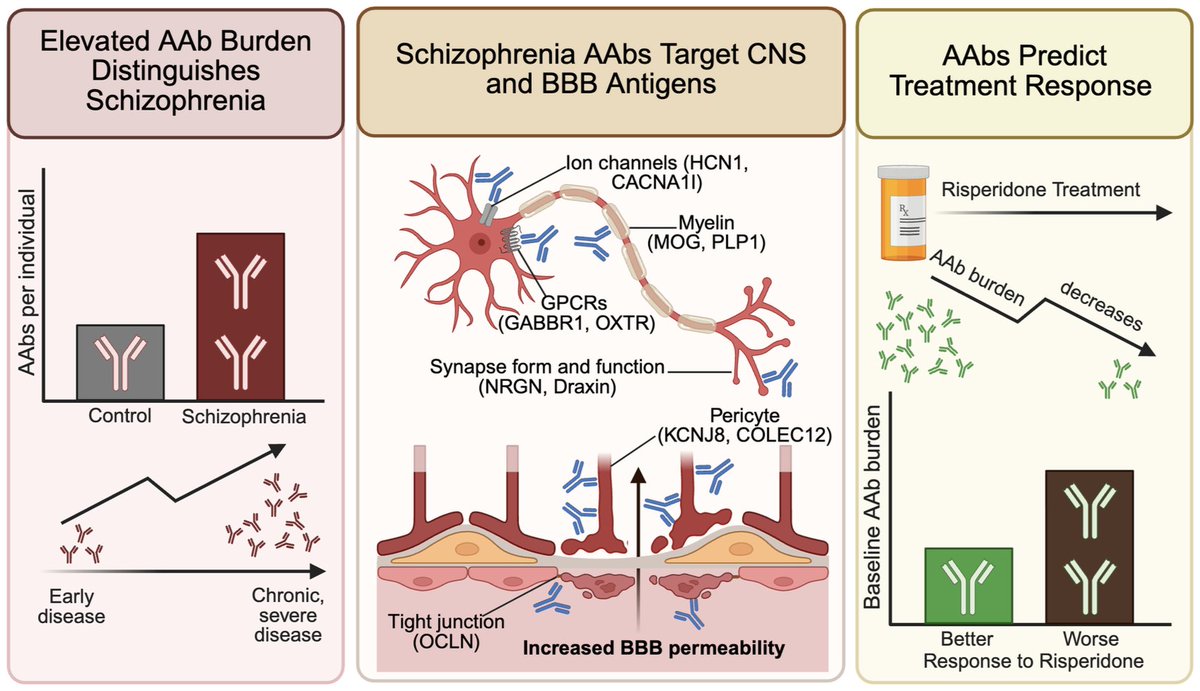
Autoantibodies cause autoimmune disease, shape infection outcomes, and alter cancer immunotherapy. But what role might they play in neuropsychiatric disease? In our new preprint, Katlyn Nemani and @JillianRJaycox take on this question in schizophrenia. 🧵
https://t.co/lmL4sx7QSz
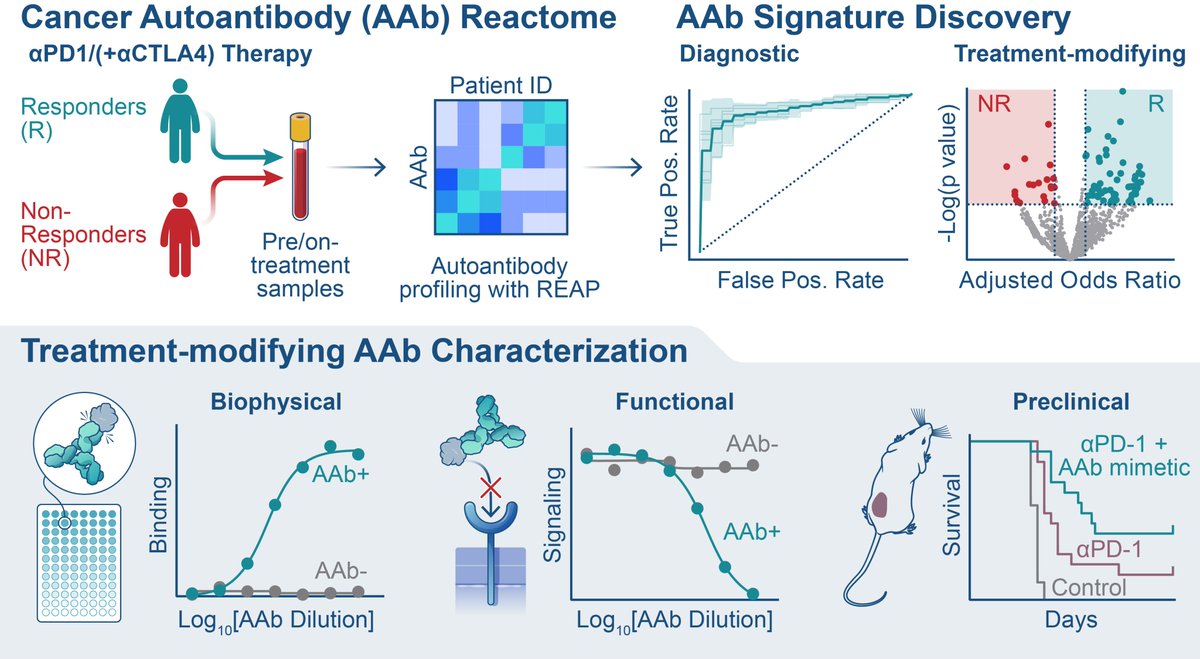
T cells do the heavy lifting when it comes to the anti-tumor action of checkpoint immunotherapy. But do antibodies play a role too?
That’s the question @yile_dai looked to answer in his thesis work, out today in @Nature! 🧵below
https://t.co/VgTByRKRCX
https://t.co/y9JwNWhqI6 In 4,258 patients, donor age affected outcomes differently depending on donor type. @fredhutch researchers & collaborators found while younger family donors showed rising risk once donors were ~38, matched unrelated donors stayed low‑risk until ~50 with better overall survival, allowing for more personalized donor choices.
CAR‑T saves lives but can disrupt humoral immunity. New data show CD19/20 CAR‑T recipients often lack protective antibodies to ~1/3 of vaccine‑preventable pathogens for up to a year, with even larger gaps after BCMA CAR‑T. Re‑vaccination helps—especially in patients with higher B‑cell counts. @fredhutch
Influence of B cell-lineage targeted CAR-T cell therapy on humoral immunity and vaccine-induced antibody response | Nature Communications
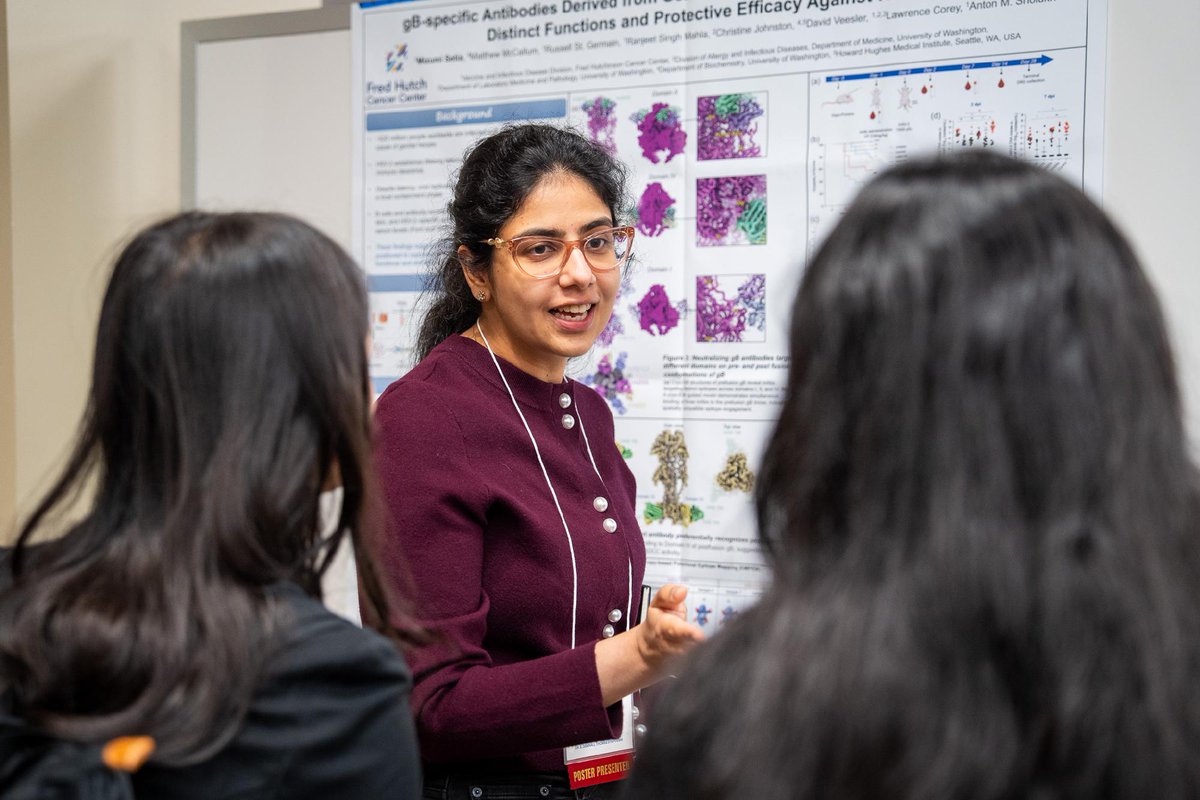
PhD (or equivalent) students within 2 years of graduation or who have graduated in the last year - Apply to visit with faculty at @FredHutch and hear about opportunities at this world-renowned institution. Food, lodging and travel covered! Apply by June 1: https://t.co/AGzR7hRzQO