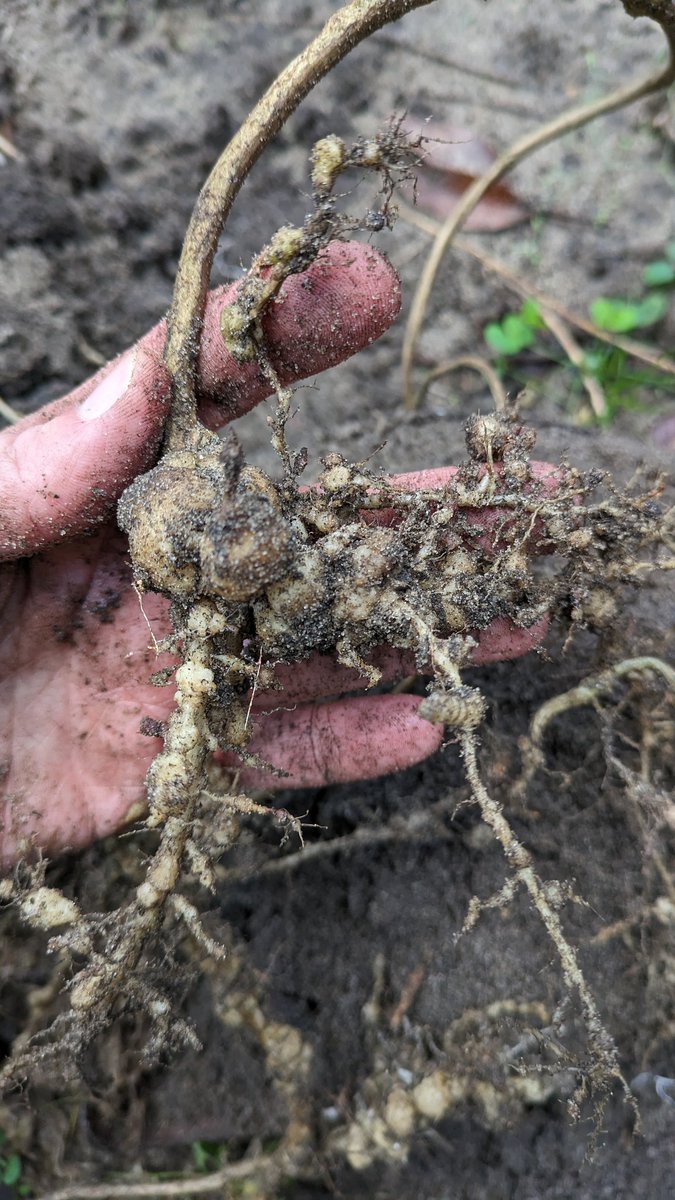
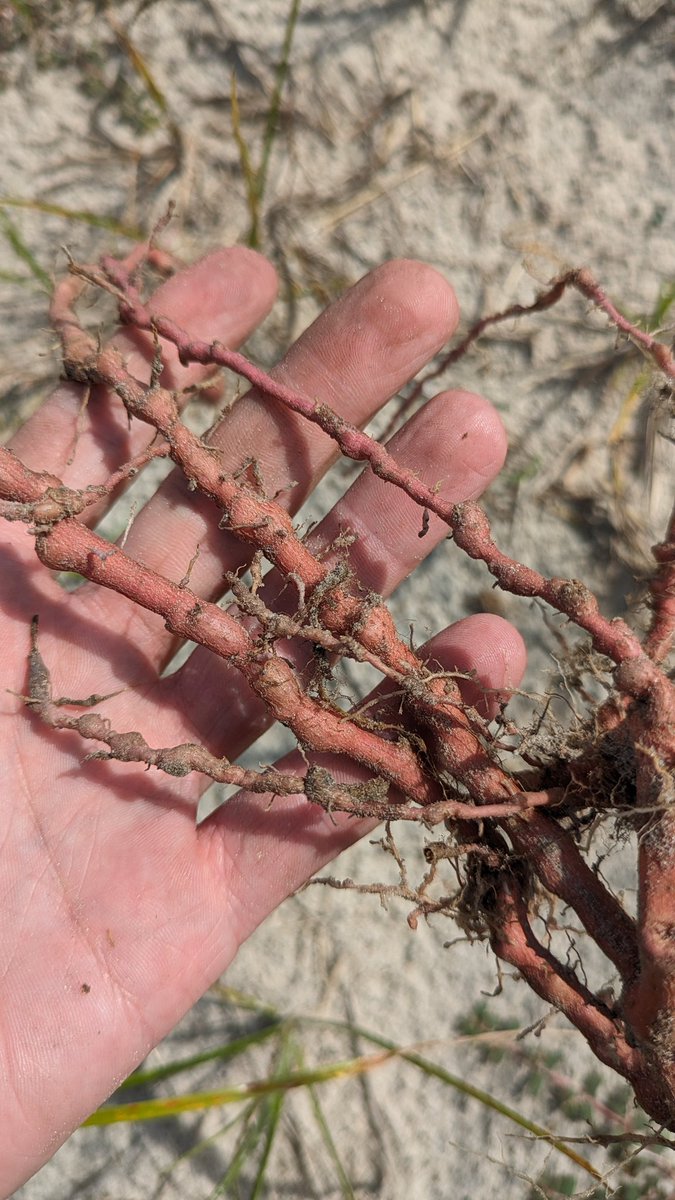
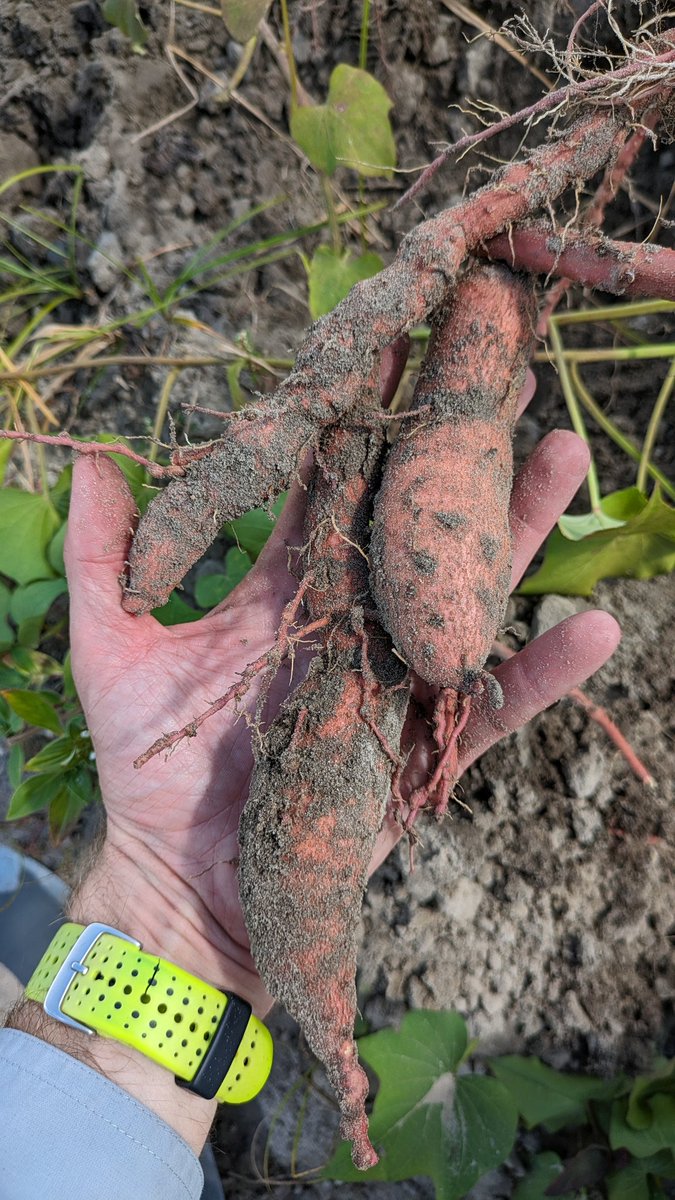
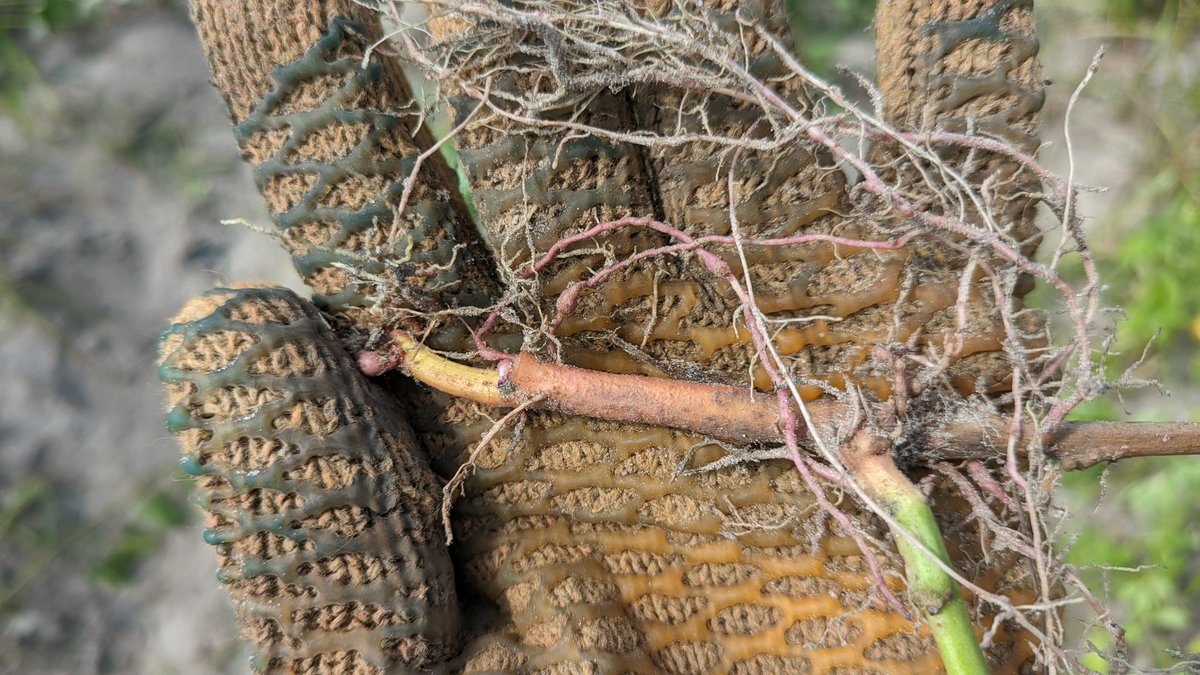
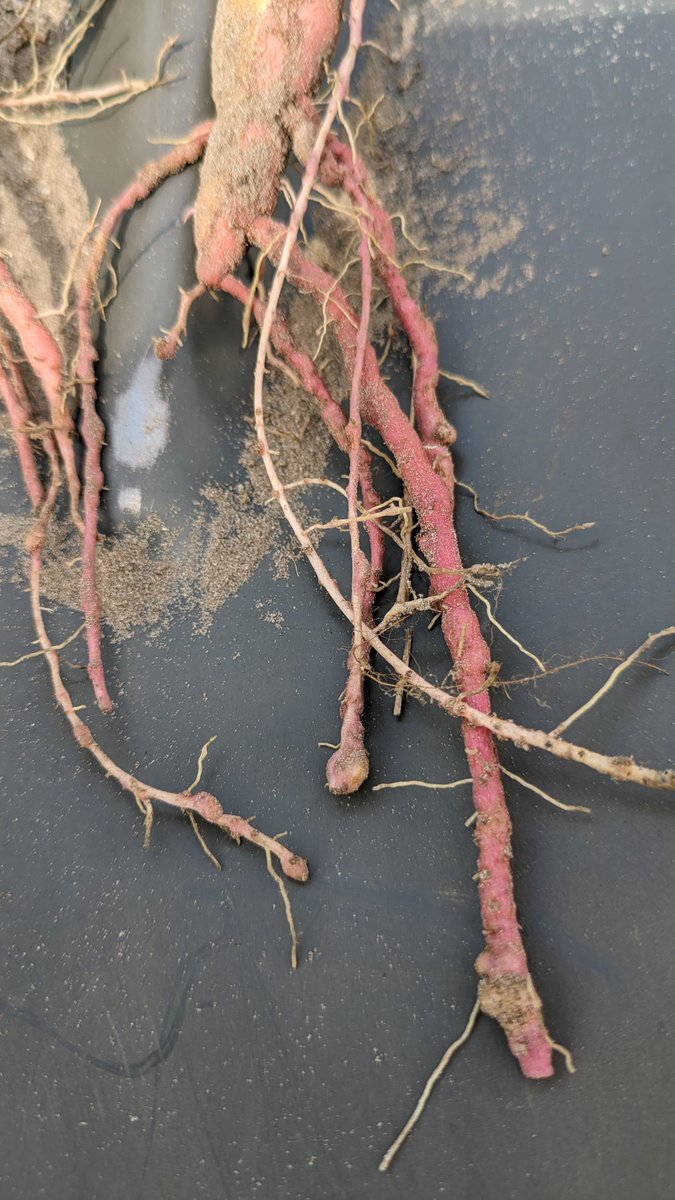
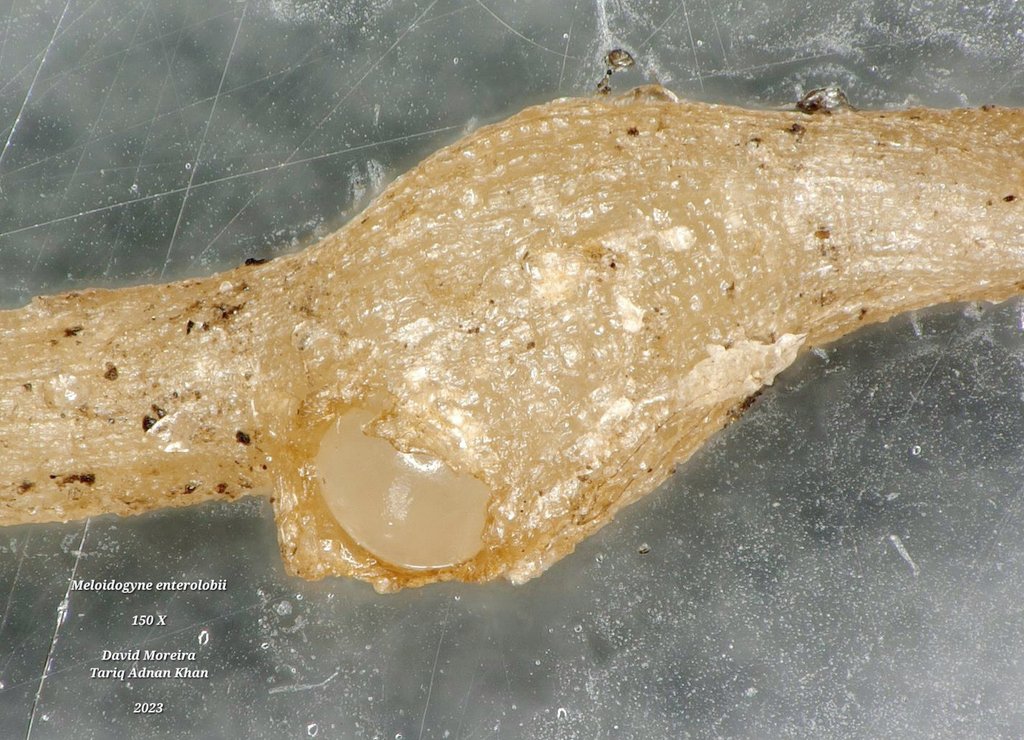
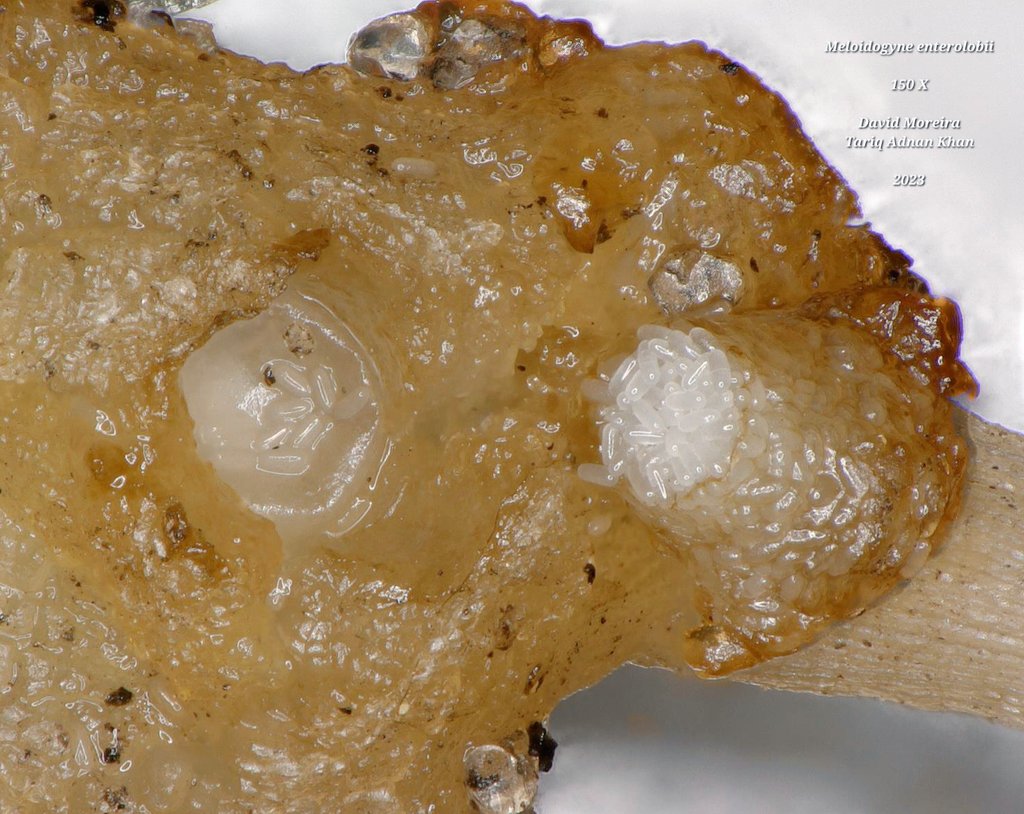
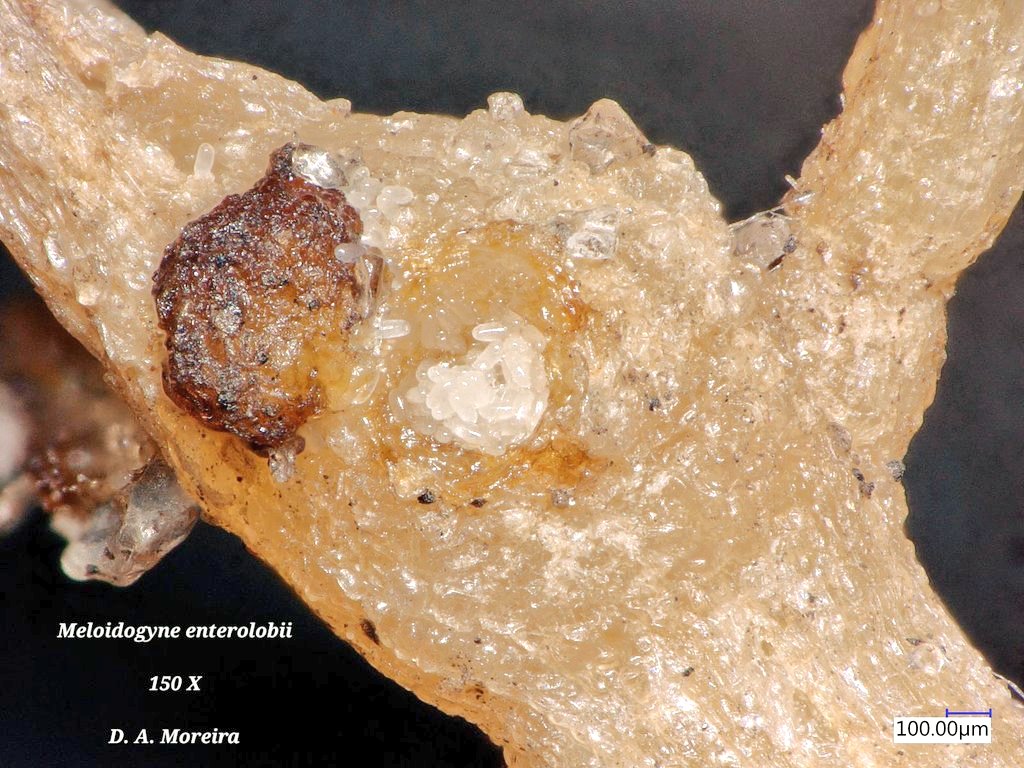
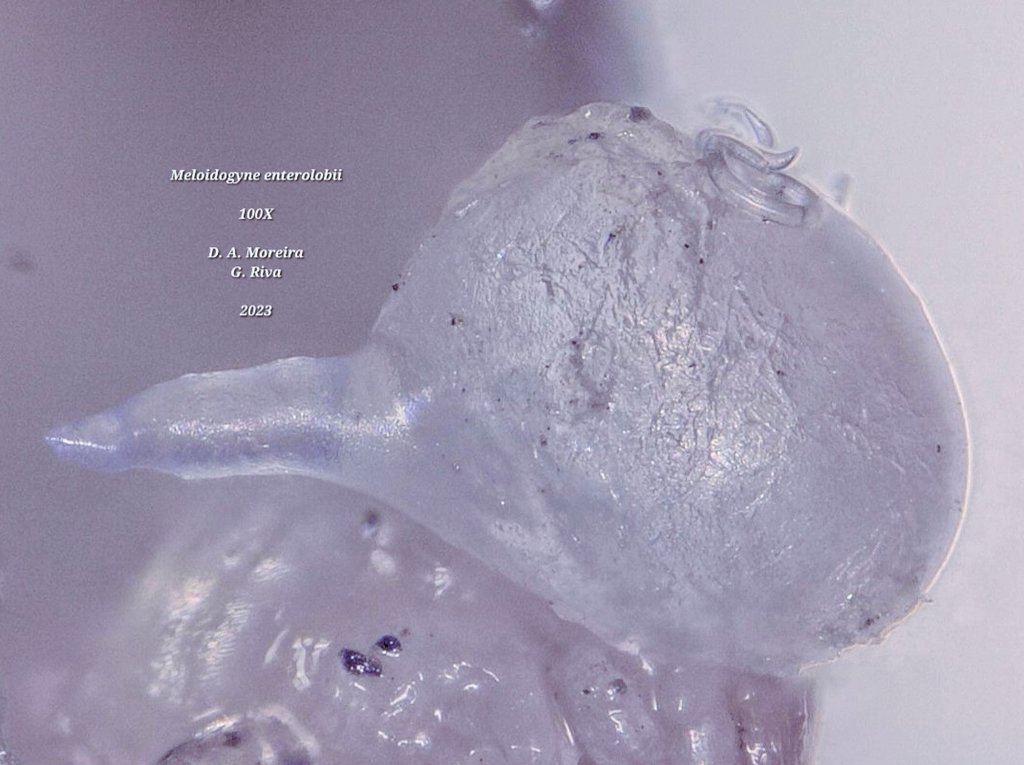
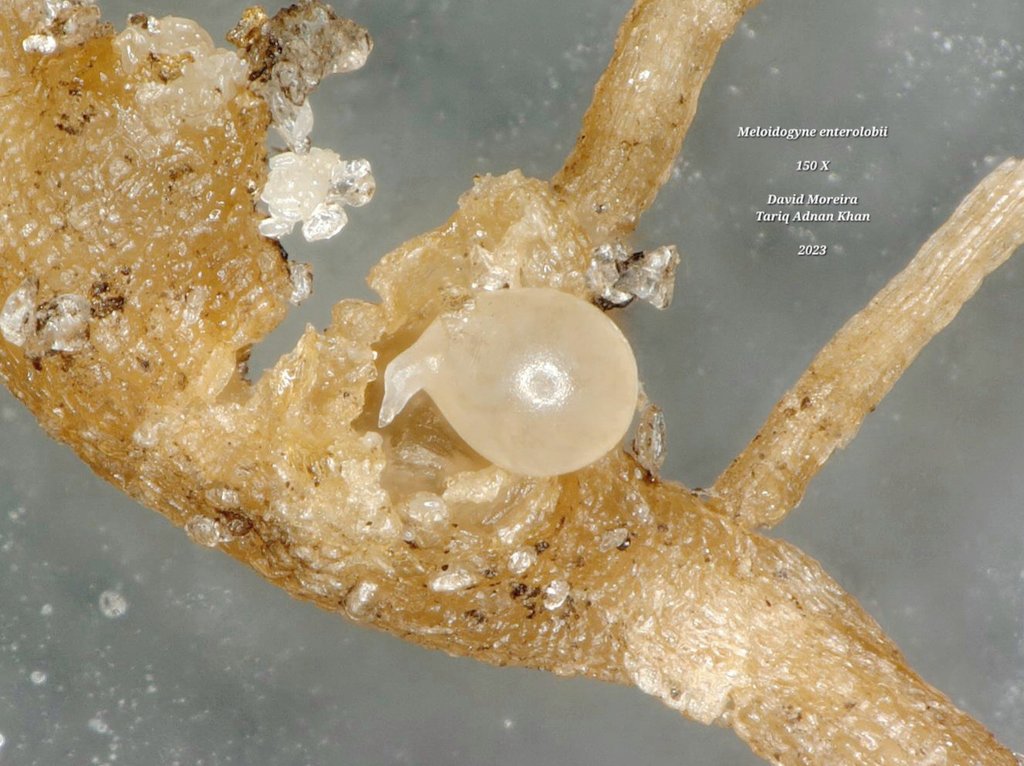
#FINDMe is working to slow the spread and reduce the vulnerability of growers to M.e. - an aggressive #nematode with more than 25 plant hosts 🤯
Learn more here:
https://t.co/xXKdFGrMRK
Excited to share our latest publication on Meloidogyne spp. in FL. This study identifies key root-knot nematodes affecting FL crops, highlights new host records, and provides molecular insights into M. enterolobii. https://t.co/G3Daq594D9
@UFGulfCoastNema@FINDMeNematode
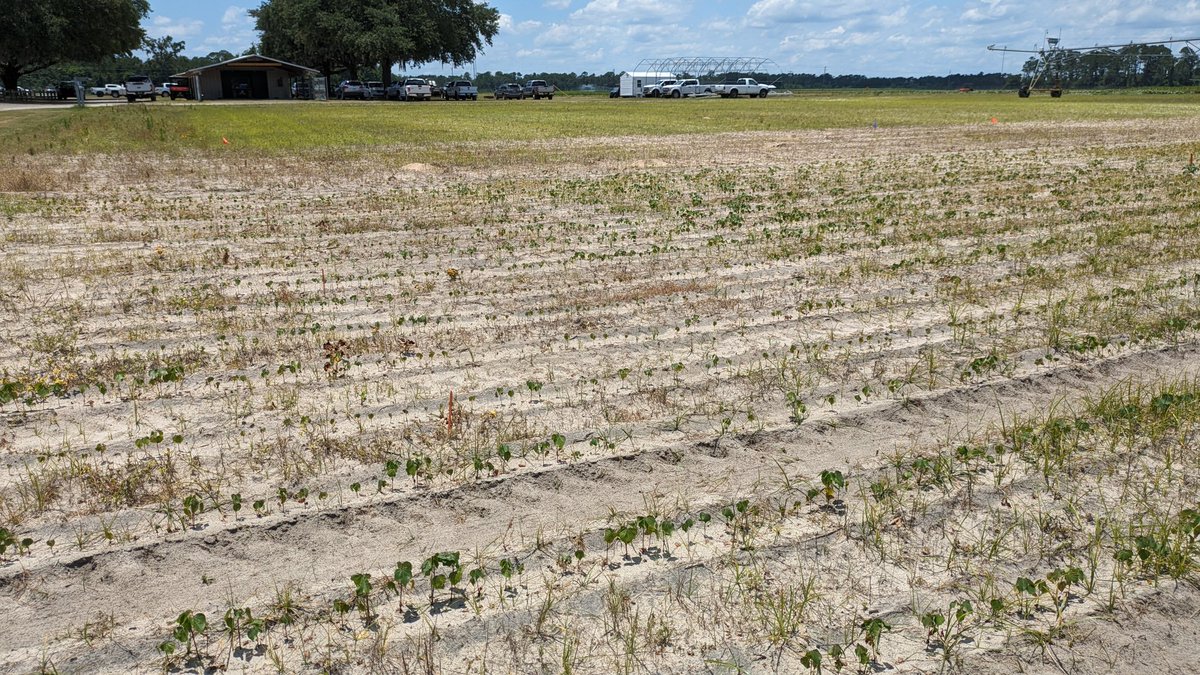
Guava root-knot nematode cotton nematicide trial at 5 weeks after planting.
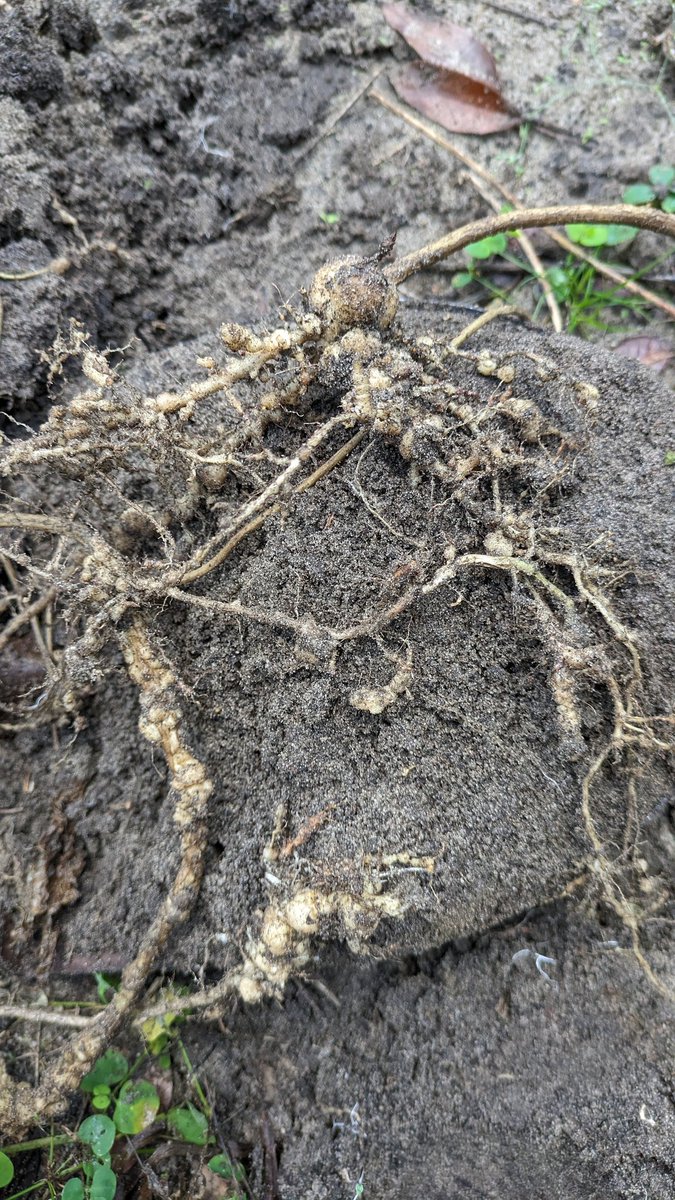
Small swellings on roots are galls from root-knot nematode infestation. Cultivar is resistant to southern root-knot nematode.
Interested in Field Plant Nematology research and extension? Join my lab as a post-doc. Available now with ideal start date this summer.
Full details linked (must log in to SON account) or message/email me.
https://t.co/UMTW9zS9hV
Yesterday we planted and applied in-furrow nematicide treatments to a cotton nematode trial @nfrec_sv. Target is guava root-knot nematode, contributing to @FINDMeNematode mission.
If you look closely, you can see blue-green liquid product being dispensed.
Leticia, an excellent visiting Ph.D. scholar in our lab, has published her research: "The combination of Bacillus amyloliquefaciens and Purpureocillium lilacinum in the control of Meloidogyne enterolobii"
https://t.co/XW4U2KTUcy
@UFGulfCoastNema@FINDMeNematode
Meloidogyne enterolobii females extracted from sweetpotato storage roots. Not magnified.
Legendary UF Professor Emeritus Don Dickson could extract and display Meloidogyne with a pocket knife, but first time I've done it.
Severe galling from root-knot nematode on luffa (type of cucurbit).
This site (my backyard) is previously confirmed to have guava root-knot nematode, so that is the likely species. @FINDMeNematode
3/3 Digging sweetpotato trial. Storage roots are dumped off the back and later picked up by hand. Weighed by plot.
Part of the @FINDMeNematode project.
1/ Some photos from our trial testing nematicides against guava root-knot nematode on sweetpotato. Part of @FINDMeNematode project. About 100 days after planting.
Severe galling on roots.
Pear shaped guava root-knot nematode female (first picture). Male and 1 egg (2nd picture). Off dissecting scope.
From sweetpotato nematicide trial as part of @FINDMeNematode project.
Galling from Meloidogyne enterolobii on sweetpotato. Plants are 2.5 months old.
In this trial, we are testing various nematicides for management of this invasive pest. Part of @FINDMeNematode project.
Inside of a gall caused by Meloidogyne enterolobii on tomato roots 📸
* Root-knot nematodes form egg masses from inside infected roots covered by a gelatinous matrix and it's estimated more than 500 eggs can be laid per female with over 100 egg masses per plant !
#UFNematodes
Three weeks after transplanting in this sweet potato trial testing fumigant and non-fumigant nematicides for management of guava root-knot nematode.
Part of @FINDMeNematode project.