The Florida Initiative for Electoral Reform (FLIER) works to enrich and expand democracy in our state through organizing, advocacy, and education initiatives.
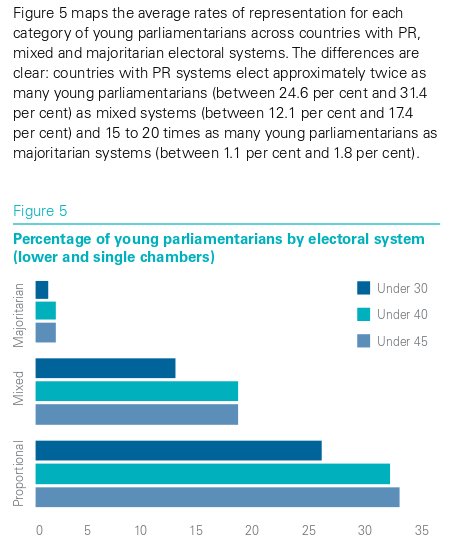
Proportional voting systems elect far more young people to legislative bodies than the plurality or majoritarian systems we presently use. The #FairRepAct, proposing a proportional form of #RankedChoiceVoting for US House seats, is key for young people: https://t.co/MSJouykCbK
@WallStreetApes It’s a consequence of using a winner-take-all voting system (a.k.a. first-past-the-post). We need proportional representation in congressional elections to resolve this with fairness for all parties and voters. https://t.co/ap6RiMpMQW
@axios@tedcruz “By passing electoral reforms to open up the party system, conservative lawmakers now living in fear of right-wing primary challengers could carve out a new role for themselves. . . .they could find an opportunity to lead a pivotal center-right party.“ https://t.co/yJfiKnAV8i
@EricLDaugh A better option would be to pass reforms like the Fair Representation Act (HR 4632) which would end gerrymandering nationwide and allow parties to win seats in proportion to the votes they earn.
@EricLevitz Our winner-take-all voting system props up two polarized parties for voters to choose from. Over 80% of seats are safe and the incumbent re-election rate is 90%. Control depends on a few swing seats. The inability of either party to pass pro-democracy reforms has led us here.
@PollTracker2024 In a functional representative democracy these groups would compete directly in general elections as separate political parties, win seats in proportion to the support they earn, then negotiate based on the results. Currently, they must wage battles over low-turnout primaries.
@admcrlsn Adopting ranked choice voting for presidential elections, which can be implemented at the state level as Maine and Alaska have done, would help. Additionally, adopting proportional representation for congressional elections would be highly beneficial. https://t.co/7TkvZV1e7k
@admcrlsn This confusion stems from our winner-take-all voting system, which effectively permits only two parties to compete. As a result, various factions are forced to awkwardly crowd into coalitions on which voters have no say, just to gain entry into office through the "major parties”.
@AOC@SenLouiseLucas Finishing it would mean ending gerrymandering with fairness for all parties and voters while ensuring parties can win seats in proportion to the votes they earn. There is a bill currently filed that offers this solution, the Fair Representation Act (HR 4632).
@conorsen Giving all parties a fair chance to win seats goes beyond banning gerrymandering, it requires a proportional voting system where they can win seats in proportion to the votes they earn. The Fair Representation Act (HR 4632) offers both.
@4isacharm4me@tedcruz The Fair Representation Act (HR 4632) is the most effective solution currently on the table. It would end gerrymandering while ensuring parties win seats in proportion to the votes they earn. https://t.co/hJ3oLh96Xi
@admcrlsn It would be even better if they competed in general elections under the proportional representation form of RCV, as proposed in the Fair Representation Act (HR 4632). https://t.co/hJ3oLh96Xi
@admcrlsn An illustration of how primaries create needless bottlenecks on voter choice. There are various distinct factions represented here who should simply compete in a higher turnout general election with ranked choice voting.
@IamSean90@jjs92285 “. . .Republicans typically earn 30% to 40% of the vote in Massachusetts elections. . . .No map-makers could possibly draw district lines to allow Republicans a fair number of seats. . . .The Fair Representation Act would solve that problem. https://t.co/hJ3oLh8z7K