🇰🇪 🔊🔊REGISTER 👇👇👇Kenyan Companies in the Livestock Sector and beyond, save the dates 29th June to 2nd July, 2026 for the Brazil Cattle Trade Mission to East Africa 2026 in Nairobi and Nakuru Counties | https://t.co/W580P4xknh
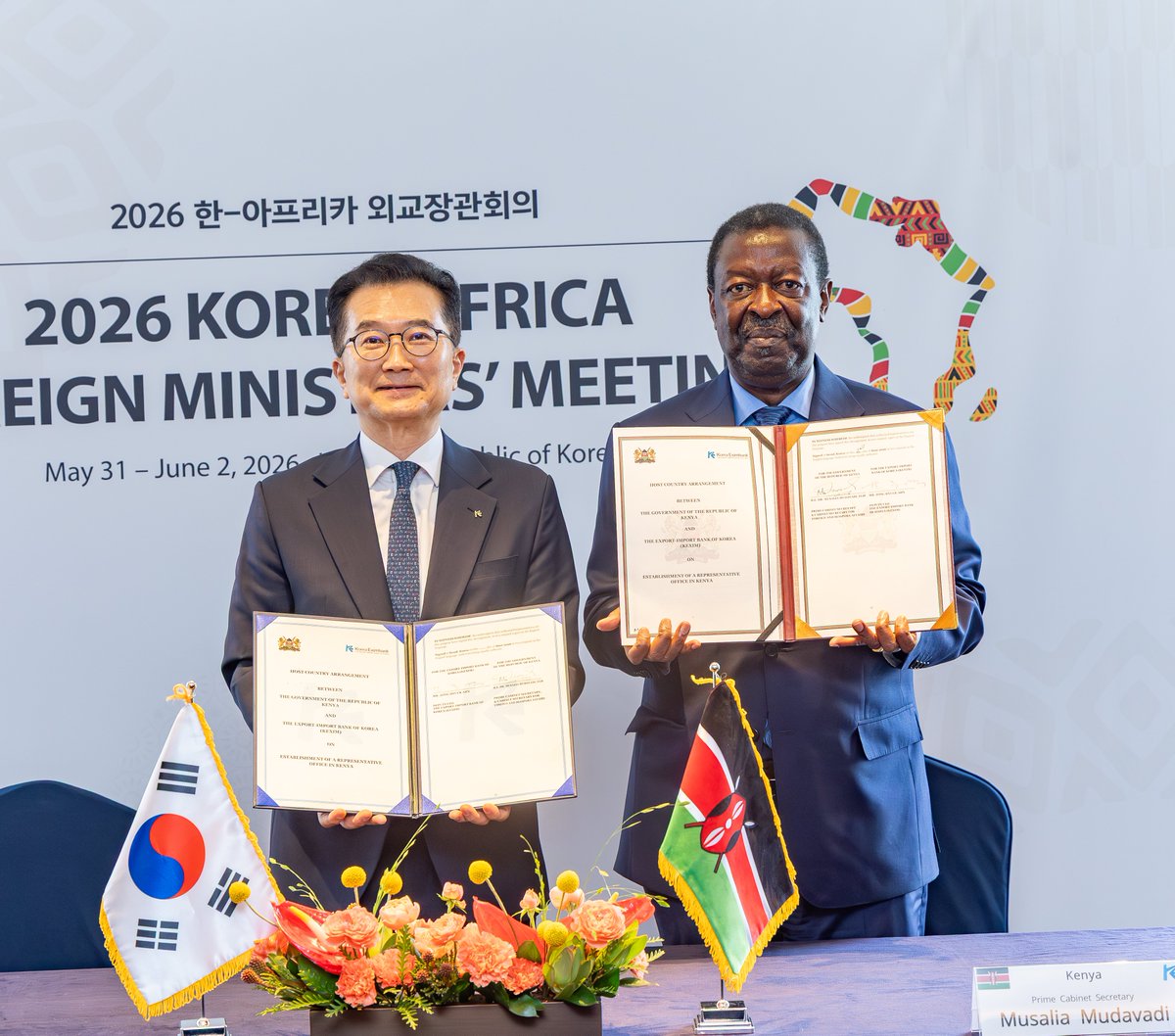
Together with Mr. Jong Hyuck Ahn, Deputy CEO of the Export-Import Bank of Korea (KEXIM), we officially signed the Host Country Arrangement establishing a KEXIM Representative Office in Kenya.
The new office, which will serve as a liaison office for KEXIM Headquarters in the Republic of Korea, marks an important step in deepening Kenya–Korea economic and development cooperation, particularly in infrastructure financing, investment facilitation and project development across the region.
Through its presence in Nairobi, KEXIM will strengthen partnerships with governments, institutions and businesses while supporting strategic development projects through financial and technical assistance.
During our discussions, I highlighted Kenya’s position as a regional economic, diplomatic and technology hub, and encouraged KEXIM to leverage its Nairobi office to attract more Korean investors and expand private sector confidence in the Kenyan market.
The establishment of the office is expected to unlock greater trade and investment opportunities, support skills and knowledge transfer, create jobs and further position Kenya as a gateway for international cooperation and sustainable development in the region.
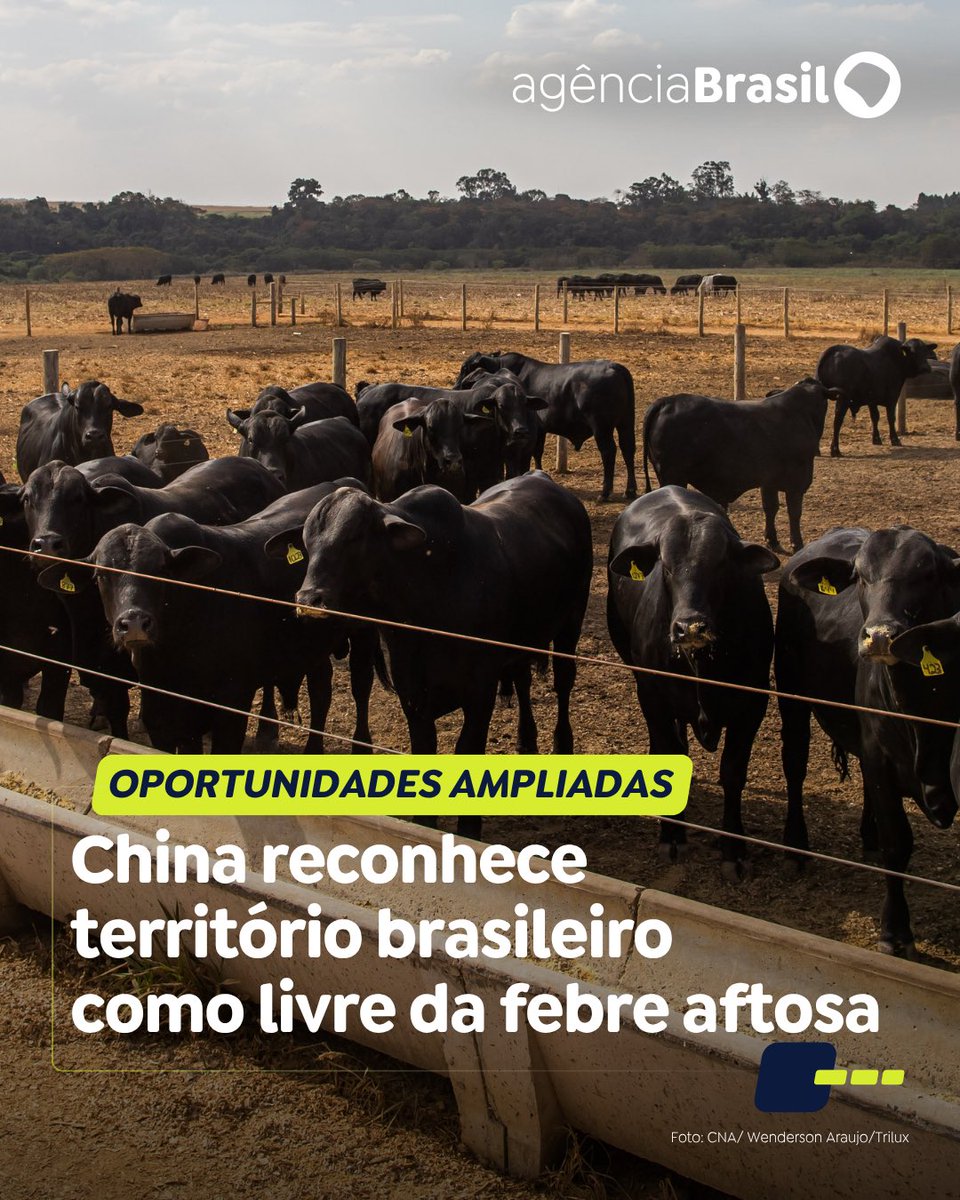
O governo da China anunciou o reconhecimento de todo o território brasileiro como área livre da febre aftosa. O anúncio ocorre após mais de 20 anos de negociações.
Atualize-se: https://t.co/cQDMZxvDgi.
Henry T. Wooster: career diplomat, polyglot trouble-shooter and now Donald Trump’s pick for Kenya 🇺🇸🤝🇰🇪
Henry T. Wooster, a Minister-Counselor in America’s Senior Foreign Service, has spent more than three decades being sent to the world’s trickiest corners. Nominated on June 2nd by President Trump as the next American ambassador to Kenya, he arrives with a résumé that reads like a map of American foreign-policy headaches: Iran desks, Baghdad’s provincial politics, Pakistan’s nuclear-armed politics, Russia-watching in Moscow, Central Asia strategy at the National Security Council, and a stint advising the Joint Special Operations Command. He has already run embassies as chargé in Amman and, since June 2025, in Port-au-Prince, Haiti. Before that he was America’s ambassador to Jordan (2020-23), serving under both Mr Trump’s first term and Joe Biden’s, an unusual feat of bipartisanship in an age of polarisation.
Educated at Amherst College and Yale, Mr Wooster began his working life as an Army Reserve officer before joining the State Department. He has held nearly every rung on the diplomatic ladder: Iran desk officer, director of the Office of Iranian Affairs, political counsellor in Islamabad, deputy chief of mission in Paris, and deputy assistant secretary for the Maghreb and Egypt. Fluent in French and Russian with working Arabic, Farsi and even Syriac, he is the sort of old-school professional who can read the room in half a dozen languages and several time zones.
His appointment is more than a routine promotion. In the first Trump administration, a fair number of embassies went to political donors or campaign loyalists. Kenya, however, is getting a genuine expert. Nairobi is no diplomatic backwater: it is East Africa’s economic engine, a counter-terrorism partner, a hub for American business and a linchpin in Washington’s efforts to counter Chinese and Russian influence on the continent. By choosing a career Foreign Service officer rather than a fundraiser or Fox News commentator, Mr Trump is signalling that he takes the place seriously. In an administration often accused of transactional diplomacy, this is the sort of appointment that suggests pragmatism may sometimes trump patronage. Whether the Senate agrees, and whether Mr Wooster can navigate Kenya’s domestic politics with the same deftness he has shown in Amman or Port-au-Prince.. remains to be seen. But on paper, at least, America is sending one of its best to a country that matters.
Everybody knows what the Manhattan Project is.
Almost nobody knows what the Cerrado Correction is.
The Manhattan Project cost approximately $30 billion in today's dollars and produced the atomic bomb.
The Cerrado Correction cost around the same and produced enough food to feed approximately one billion people.
One has been written into every twentieth-century history textbook in the world.
The other has been written into approximately zero outside Brazilian agricultural science journals.
In 1955, the entire central plateau of Brazil produced agricultural output on about 200,000 hectares of arable land.
By 2005, that same region produced agricultural output on more than 40 million hectares.
That is a 200-fold expansion of cultivated farmland on a single biome across fifty years.
The World Food Prize Foundation calls it "the world's single largest increase in farmland since the settlement of the U.S. Midwest."
It happened on soil that an entire generation of soil scientists had declared agriculturally worthless.
Soil so acidic and aluminum-toxic that most crops died within weeks of germination.
Brazil engineered around that.
Limestone, phosphorus management, biological nitrogen fixation, tropical-climate genetics, four decades of farmer training, and a research institution called Embrapa that almost nobody outside Brazil has heard of.
The same playbook is now being applied to MATOPIBA.
73 million hectares.
The next breadbasket is being built right now.
Most capital allocators still have not noticed.
I wrote the full breakdown here:
https://t.co/xlSG5iV7db
Wakenya wenzangu!
On this Madaraka Day, as we mark 63 years of our nation’s journey, I find myself filled with deep reflection for our motherland.
We have come far. Through successes that made us proud, mistakes that taught us hard lessons, highs that lifted our spirits, and lows that tested our resolve — Kenya has remained our home. The sacrifices of those who came before us built the foundation we stand on today. Because of their courage and dedication, we get to dream, work, build, and raise our families here. For that, we should remain forever grateful.
Though we may not always agree, and though we see things we wish were better, this land is still ours. There is no other place we can truly call home. In our disagreements, let us critique with respect, offer better ideas with wisdom, and always preserve the dignity of our fellow citizens, our leaders, and our beloved country.
Let us keep contributing, each in our own way — with our talents, our voices, our honesty, and our hard work. No one else will build the Kenya we want for our children. This journey is ours to carry forward.
Above all, Kenya remains a blessed land. We are a resilient, talented, and generous people. As long as we stand together in love for our nation, there is nothing we cannot overcome.
Happy Madaraka Day, family, friends, and my fellow Kenyans.
Dr. Benard Chitunga, PhD
Son of Chegulo, Chancellor and International Civil Servant.
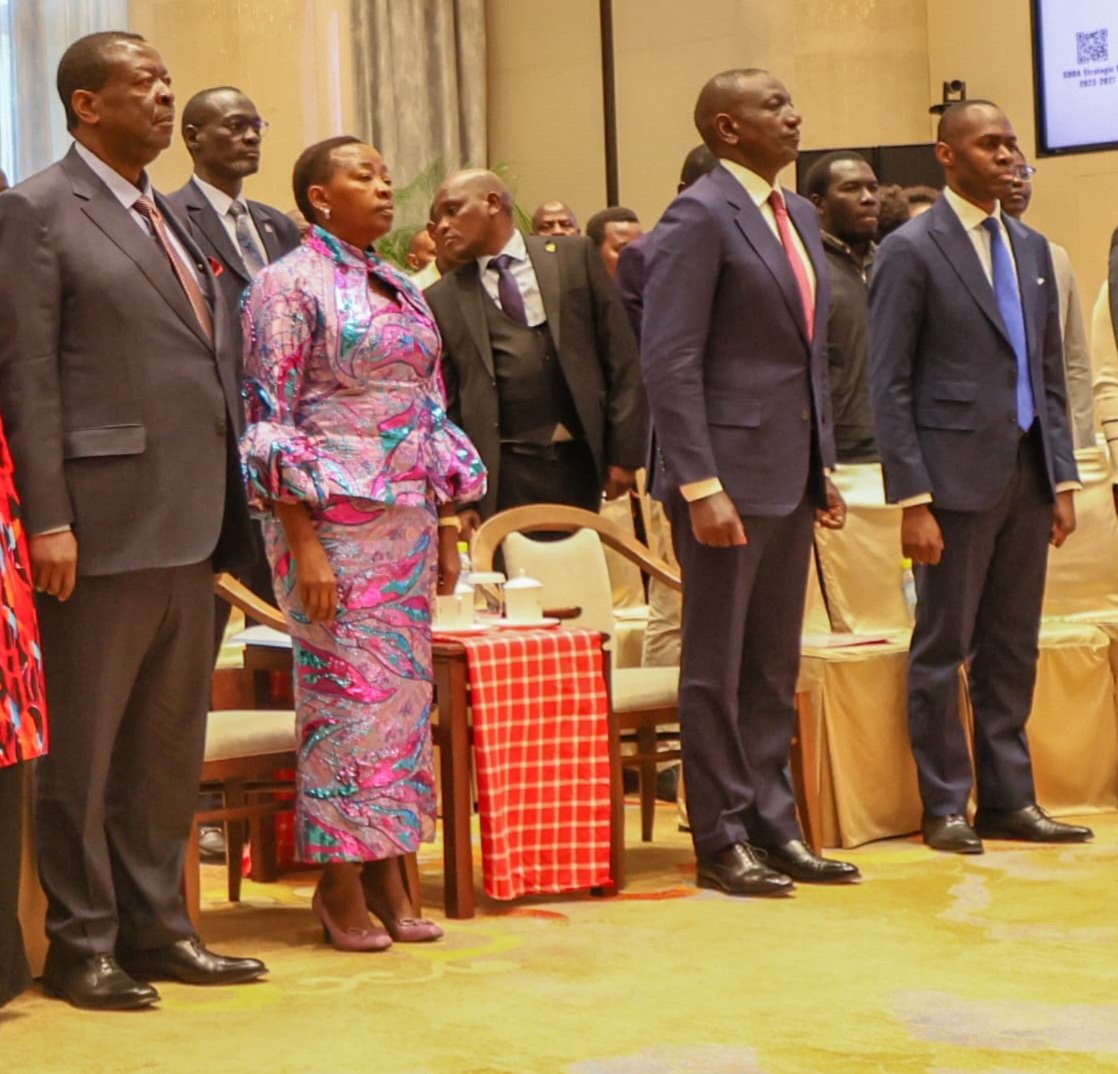
On the eve of Madaraka Day, I joined fellow Kenyans at Kenya House, Beijing, for a luncheon graciously hosted by His Excellency Ambassador Willy Bett and Mrs. Faith Bett.
Ambassador Bett’s remarks on the diaspora’s contribution to Kenya’s development were both profound and timely. His call for patriotism and collective responsibility resonates deeply as we reflect on our heritage and the journey ahead.
Wishing all Kenyans at home and abroad a Happy Madaraka Day.
Kenya Hoiyeee 🇰🇪 @LynettemwendeL@KenyaEmbinChina
Why China’s🇨🇳 latest coffee move could reshape African agricultural exports
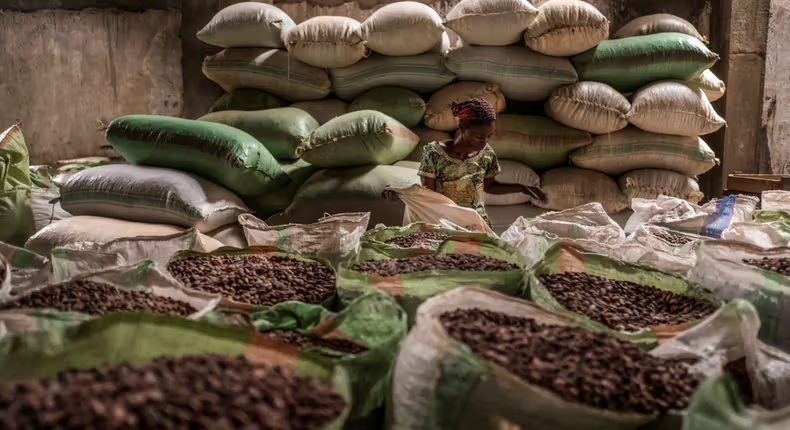
China🇨🇳 will allow qualified coffee bean imports from 53 African countries beginning July 20, 2026.
The policy introduces a single continent-wide framework, replacing country-by-country approval processes.
African coffee exporters could benefit from easier access to China's🇨🇳 fast-growing consumer market.
The move is expected to deepen China🇨🇳–Africa trade ties and expand opportunities for one of Africa's most valuable agricultural exports.
🇰🇪🇧🇷Mr. Rui Mucaje, President of the Afro-Brazilian Chamber of Commerce (AfroChamber) led a delegation of Officials to pay a courtesy call to His Excellency Ambassador Dr. Andrew Karanja, Head of Mission.
The objective of the visit was to enhance the commercial and institutional cooperation between Kenya and Brazil in promoting trade and investment partnerships, forge direct business linkages, and explore new frontiers for collaboration in key sectors of interest including Trade Finance, Buisness Intelligence, Digital Communication, and other areas such as renewable energy, infrastructure, ICT, tourism, sports, and culture through people-to-people exchanges.
The meeting also highlighted ongoing efforts to deepen economic diplomacy between the two countries, including the recent business mission to Kenya that took place in February 2026, where the AfroChamber President took part, participation in trade and investment meetings including hosting the CEO of the Kenya Export Promotion and Branding Agency (KEPROBA) during the official visit to Brazil in May 2026 and more recent engagements during the Brazil-Africa Seminar 2026 that took place on 25th April 2026 in commemoration of Africa Day Celebrations.
Discussion focused on using communication for Public Diplomacy, enhancing trade finance for cross-border trade, and increasing digital business links between Kenya and Brazil via AfroChamber’s Next Platform. It was vital to use media like GMG Group publications and business tools to promote Kenya’s investment and export chances in Brazil.
Worldwide Caution - Updated Public Health Arrival Restrictions and Enhanced Ebola Disease Screening – May 28, 2026: U.S. citizens and U.S. nationals who have been present in the Democratic Republic of the Congo (DRC), Uganda, or South Sudan within 21 days of arrival in the United States must only enter through designated airports for enhanced screening.
Review the U.S. Centers for Disease Control and Prevention (CDC) information on what travelers need to know about returning to the United States from DRC, Uganda, and South Sudan for the list of designated airports. The CDC and the Department of Homeland Security’s (DHS) Customs and Border Protection (CBP) will apply enhanced public health screening at the designated airports in response to the Ebola disease outbreak.
This requirement applies to all U.S. citizen and U.S. national passengers who were present in those countries. Please be prepared for flight changes or cancellations.
Read more: https://t.co/7gW7cENrVb
International solidarity is vital, particularly in times of multiple crises. As a key regional gateway, financial hub, and host to major international organisations, Kenya remains vigilant and committed to swift, coordinated action to protect regional health security following the Ebola outbreak in neighbouring countries.
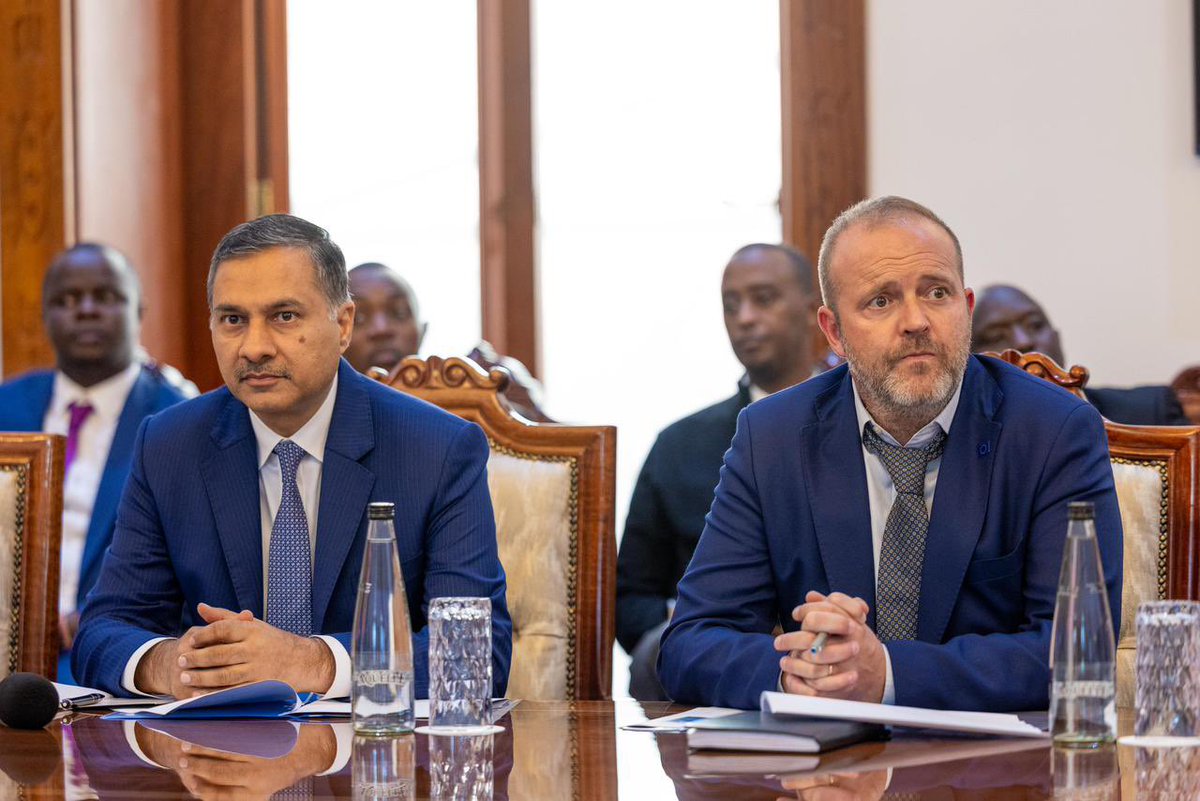
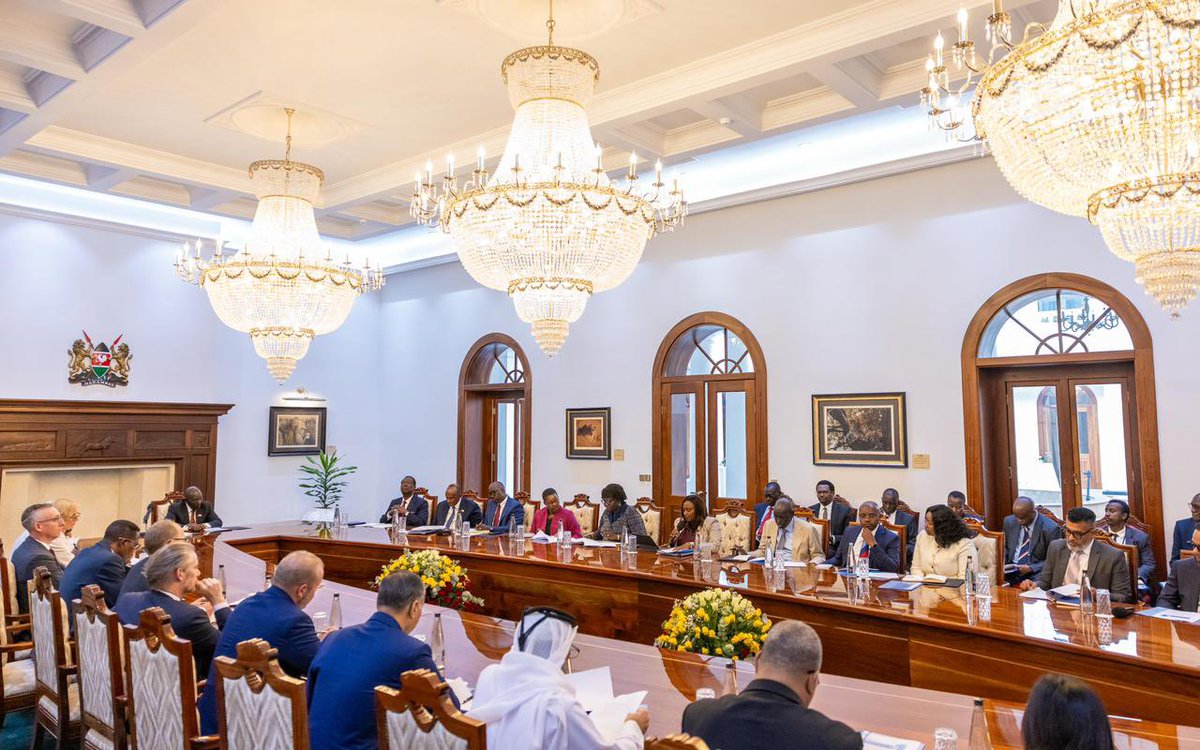
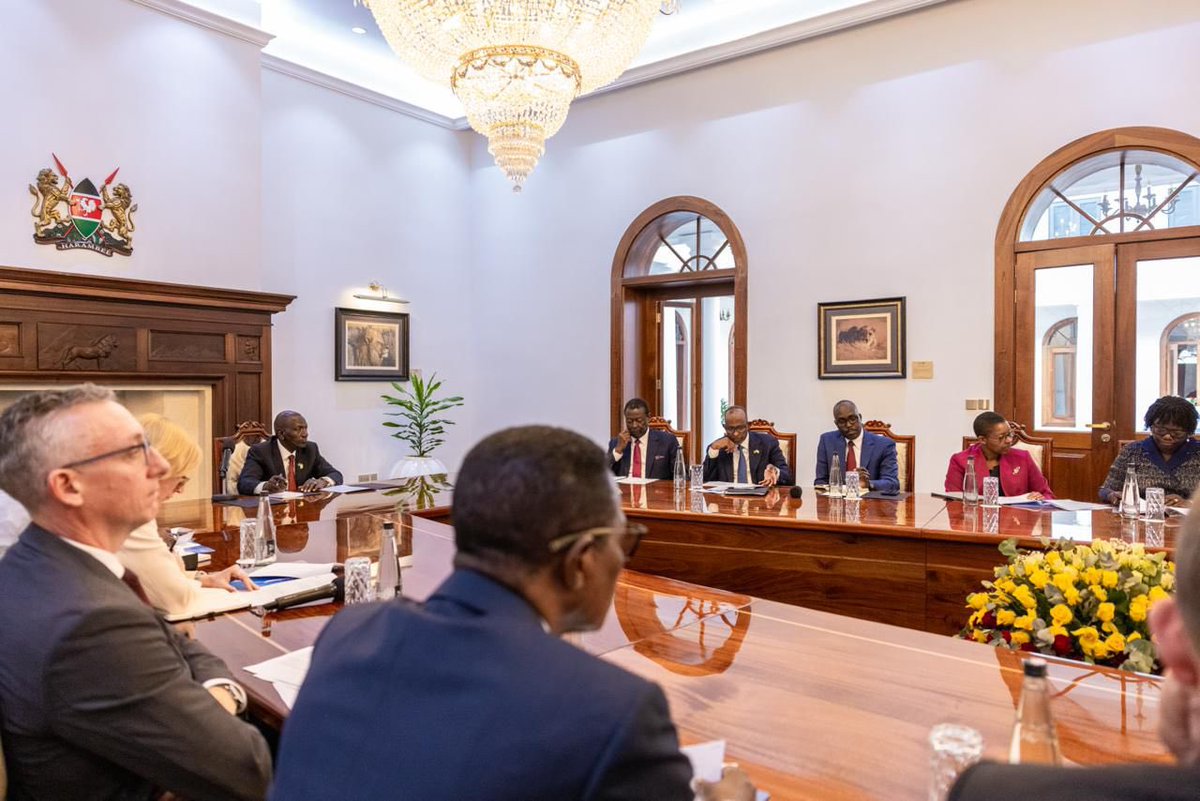
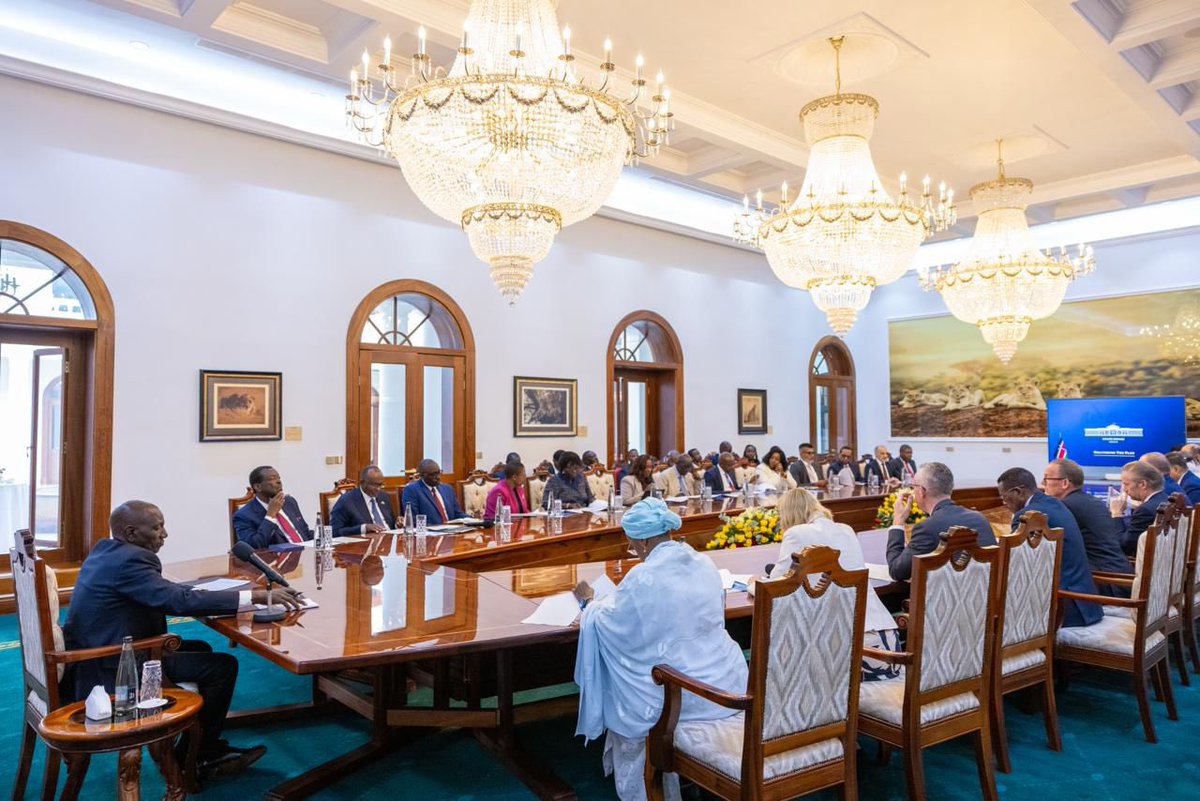
At State House, Nairobi, I met Ambassadors, development partners, multilateral agencies, and key stakeholders to apprise them of Kenya’s preparedness, exchange views on the regional situation, and mobilise collective action to contain the spread of the Ebola Virus Disease.
I am pleased that surveillance and screening measures have been intensified across 26 Points of Entry, with more than 58,000 travellers screened and all suspected cases tested so far returning negative. In addition, 17 isolation centres have been identified across the country.
We are also mobilising support with development partners for affected countries and frontline response institutions, including the World Health Organization, the Africa Centres for Disease Control and Prevention, and the United Nations system, to strengthen surveillance, emergency response and healthcare preparedness, laboratory systems, and cross-border coordination.
I appreciate the representatives from the United States, the United Kingdom, the European Union, France, Germany, China, Japan, India, Qatar, the United Arab Emirates, Saudi Arabia, Ethiopia, Türkiye, the United Nations Office at Nairobi, and the United Nations Resident Coordinator’s Office for their presence and commitment to this important national, regional, and global endeavour.
We agreed on the importance of cooperation and avoiding isolationism, recognising that public health threats do not respect borders and require coordinated regional and global action.
Kenya will continue to act transparently, responsibly, and decisively to protect lives while contributing to regional and global health security.
The Government will establish a National Response Committee under the leadership of the Prime Cabinet Secretary and Cabinet Secretary for Foreign and Diaspora Affairs to coordinate a whole-of-government and whole-of-society response, strengthen public awareness and preparedness, and mobilise the technical and financial resources necessary to address any eventualities arising from the Ebola outbreak.
Nairobi cannot continue carrying the full weight of Kenya’s political and economic life. If we are serious about restoring order and unlocking real growth, we must take bold action relocate the seat of government. Moving it to a strategic location like Mosiro in Kajiado County or Isiolo would ease congestion in Nairobi while opening up the rest of the country to meaningful development. Kajiado, in particular, presents an opportunity to expand economic activity beyond Nairobi and stimulate growth in other regions. As long as everything remains concentrated in Nairobi, we will keep facing the same cycle of congestion, migration pressure, political protest and short-term fixes. Relocating the capital is not just an idea it is the step Kenya needs to grow sustainably and inclusively.
Kenya Economic Arc: 2014 Choices, 2024 and 2025 Reset
In 2014, Kenya made pivotal financing and infrastructure decisions that would shape its macroeconomic trajectory over the subsequent decade. The country issued its inaugural Eurobond, raising approximately $2 billion through two tranches—a five-year note at about 5.875% and a ten-year note at about 6.875%—marking its entry into international capital markets and a shift toward commercial borrowing. At the same time, Kenya embarked on the Standard Gauge Railway (SGR), a flagship infrastructure project largely financed through external loans, particularly from China. These decisions were anchored in a broader ambition to accelerate infrastructure development and position Kenya as the logistics hub of East Africa.
Strategic Choices and Long-Term Consequences
While the Eurobond and SGR seemed bold growth-oriented strategy, their structure and execution introduced long-term fiscal vulnerabilities. The Eurobond’s bullet repayment profile created a concentrated external obligation, culminating in a large maturity in 2024 that required careful liability management amid tighter global financial conditions and elevated interest rates. This structure exposed the economy to rollover risks and foreign exchange pressures, especially as global liquidity conditions tightened. Similarly, the SGR significantly expanded Kenya’s logistics capacity, with freight volumes reaching millions of tonnes annually in recent years and generating rising operational revenues. However, the project has faced persistent questions regarding financial sustainability and optimal utilization. Performance has been uneven, with periods of declining cargo volumes highlighting the sensitivity of the railway’s viability to broader economic conditions and competition from road transport. Critically, the absence of a full extension to Kisumu and the Ugandan border has constrained the SGR’s regional integration potential, limiting its ability to fully capture transit trade and maximize returns on investment.
Compounding Effects of External Shocks
These structural vulnerabilities were amplified by the COVID-19 pandemic. The collapse of key sectors, disruptions to global trade, and increased fiscal pressures led to a decline in revenues and a rise in public expenditures. As a result, Kenya’s already elevated debt burden intensified, with debt servicing absorbing a significant share of government revenues, thereby narrowing fiscal space for development spending. By 2024, public debt remained high and fiscal pressures persistent, reinforcing concerns around debt sustainability. This period highlighted the risks associated with a financing model heavily reliant on commercial borrowing and large-scale infrastructure projects without fully realized economic multipliers.
Stabilization and Reform Under the Fifth Administration
Kenya’s fifth administration has prioritized macroeconomic stabilization and structural reform, focusing on controlling inflation, consolidating fiscal policy, stabilizing the exchange rate, and supporting key productive sectors such as agriculture and MSMEs. These efforts have helped restore a degree of stability, sustain economic growth, and ease inflationary pressures, while the effective management of the 2024 Eurobond maturity reduced immediate default risks and strengthened market confidence. However, significant structural challenges remain, including high public debt, limited fiscal space, and the need to accelerate productivity-enhancing reforms.
Conclusion
Looking ahead, sustained fiscal discipline and improved public investment management are critical to maintaining stability and unlocking growth. In this context, the proposed National Infrastructure Fund offers a transformative approach by mobilizing private capital and reducing pressure on public finances.
Dr. Benard Chitunga, PhD. International Civil Servant and Chancellor, Co-operative University of Kenya.
Kiambu County>>>
With visionary leadership it could turn itself into a "Western Cape level" operation that drags a lot of Kenyans out of poverty.
The amount of FDI it could pull in from just the "beauty" aspect alone, would not be small.
Where's the county investment website? Do they have one?
Devolution allows for certain breakout counties to actually stand up and become the New York and California states of Kenya. Who's it gonna be?
I myself could market Kiambu in such a way that brings in a minimum of $10,000,000 within a year. That's small numbers.
H.E. Jane Ndurumo, the High Commissioner of the Republic of Kenya to South Africa joined Eliud Kipchoge, Kenya’s Marathon Champion, Sanlam’s Top Leadership and Kenyans who participated in the 2026 Sanlam Cape Town Marathon.
The event marked a historic milestone as Kipchoge participated in his first marathon on African soil.
The marathon champion is in South Africa to launch “Eliud’s Running World,” a global initiative aimed at inspiring communities across all continents.
A truly special evening meeting members of the Kenyan diaspora community and their families in the Czech Republic. 🇰🇪🇨🇿
Far from home yet deeply connected to Kenya, their resilience, excellence, warmth, and sense of community are a powerful reminder that the Kenyan spirit travels boldly across the world. Grateful to be joined by MPs, @Honcalebamisi and Joshua Kandie, and Kenya’s ambassador @KenyaembassyGER Stella Orina. @ForeignOfficeKE@Diaspora_KE