“The impact of science extends far beyond the confines of our classrooms and textbooks. It has the power to transform lives, uplift communities & shape nations' destiny.” Said Prof @BarendErasmus7, Dean of @UPnasagric at @uptuks at 1st NAS Open Day. Read: https://t.co/j6BPGOqba6
The UP Faculty of Natural and Agricultural Sciences @uptuks supports the celebration of International Women’s Day under the theme 'Invest in women: Accelerate progress”. Take a stand by using the hashtag #InvestInWomen. #IWD2024
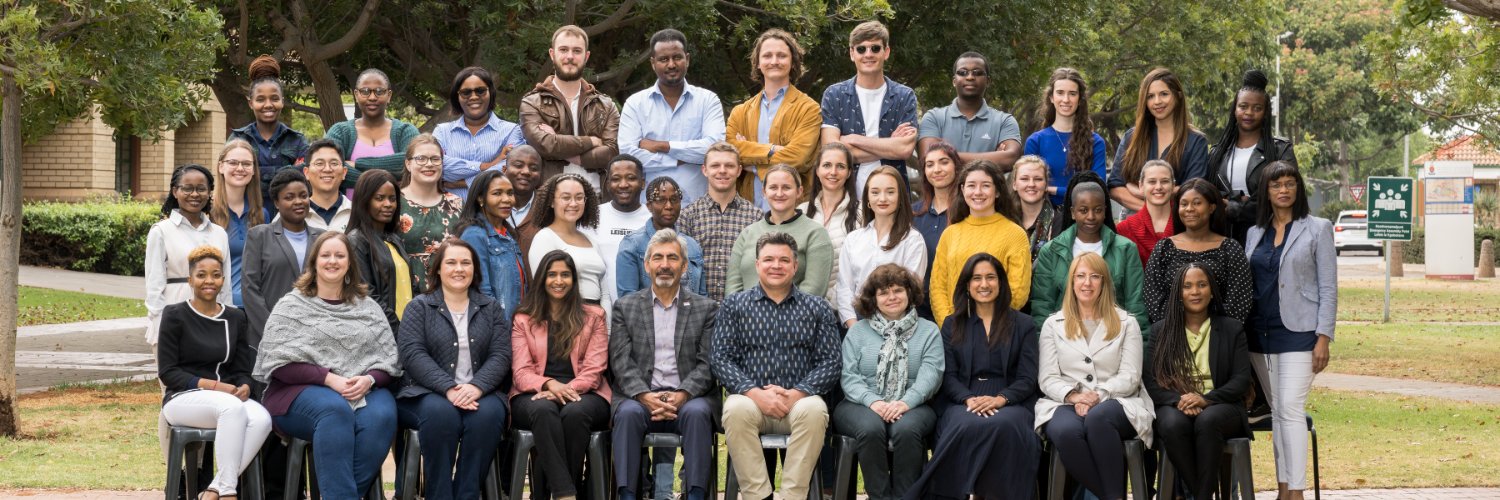
Congratulations to Dr Lazarus Takawira on the completion of his PhD under the supervision of @HusseySG and co-supervision of @zandermyburg and Prof Eshchar Mizrachi. Well deserved outcome for very important work. @Fabiteam1
I’ve handled the review of > 1000 papers at @nature. Over time, you notice aspects of presentation on which reviewers tend to comment. In the interests of minimizing hassles during review, I offer the following suggestions (a bit targeted to climate papers).
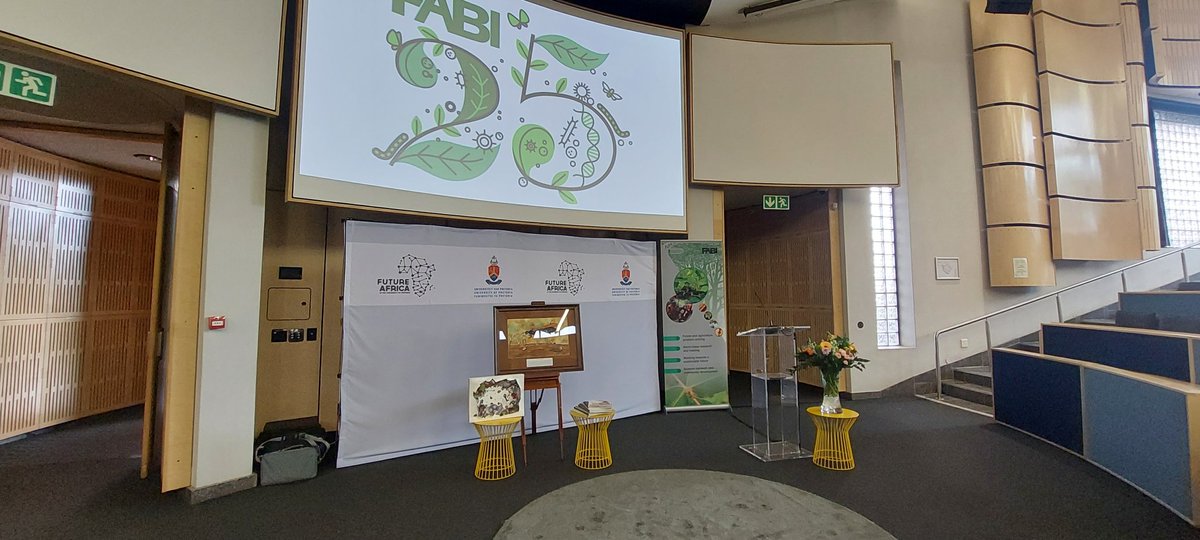
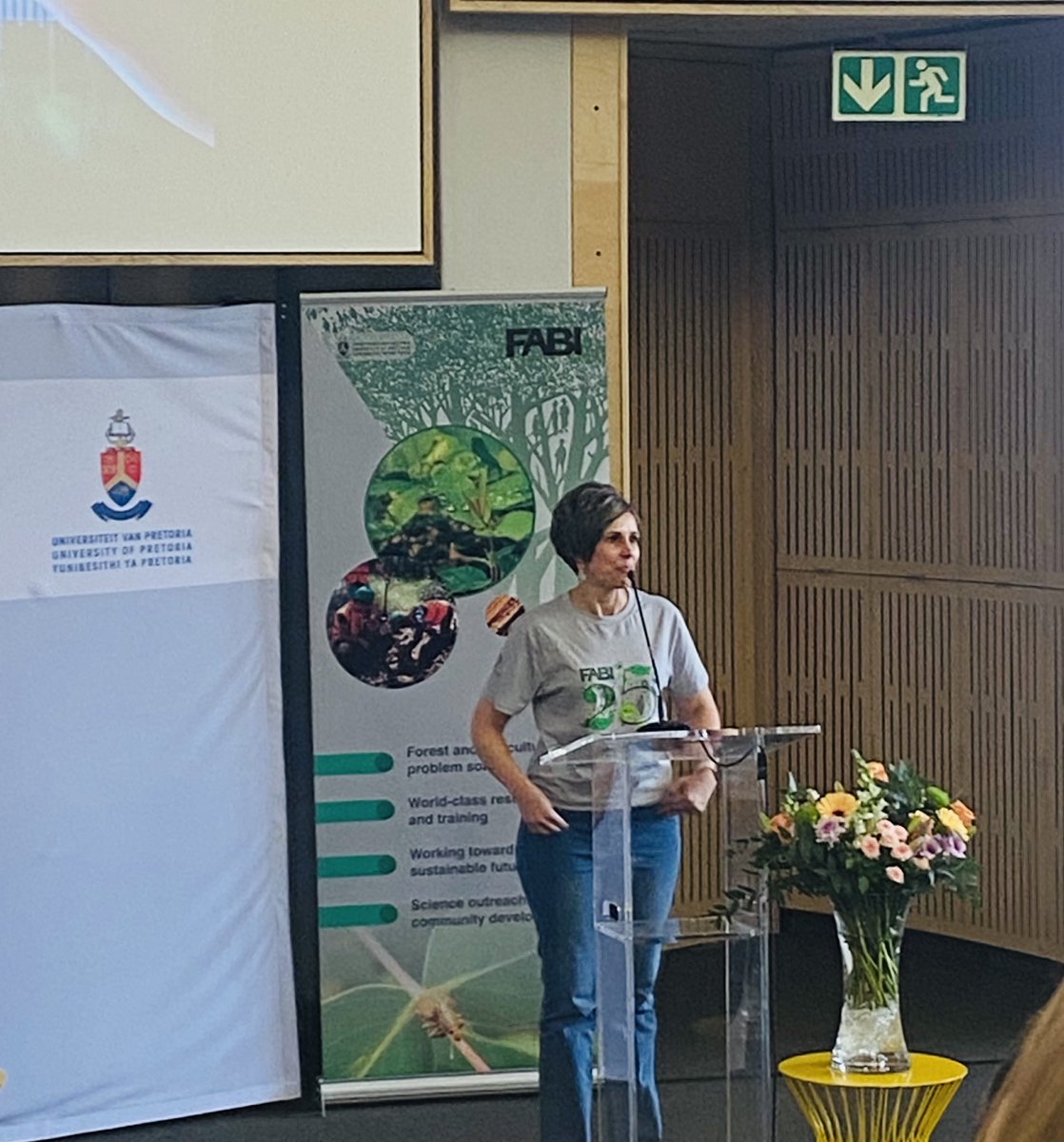
Dr Nanette Christie talking about the Forest Molecular Genetics Programme at FABI. The group was involved in sequencing the first genome of 𝘌𝘶𝘤𝘢𝘭𝘺𝘱𝘵𝘶𝘴 𝘨𝘳𝘢𝘯𝘥𝘪𝘴. @FMG_UP@NanetteChristie#FABI25#FABIYEF2023
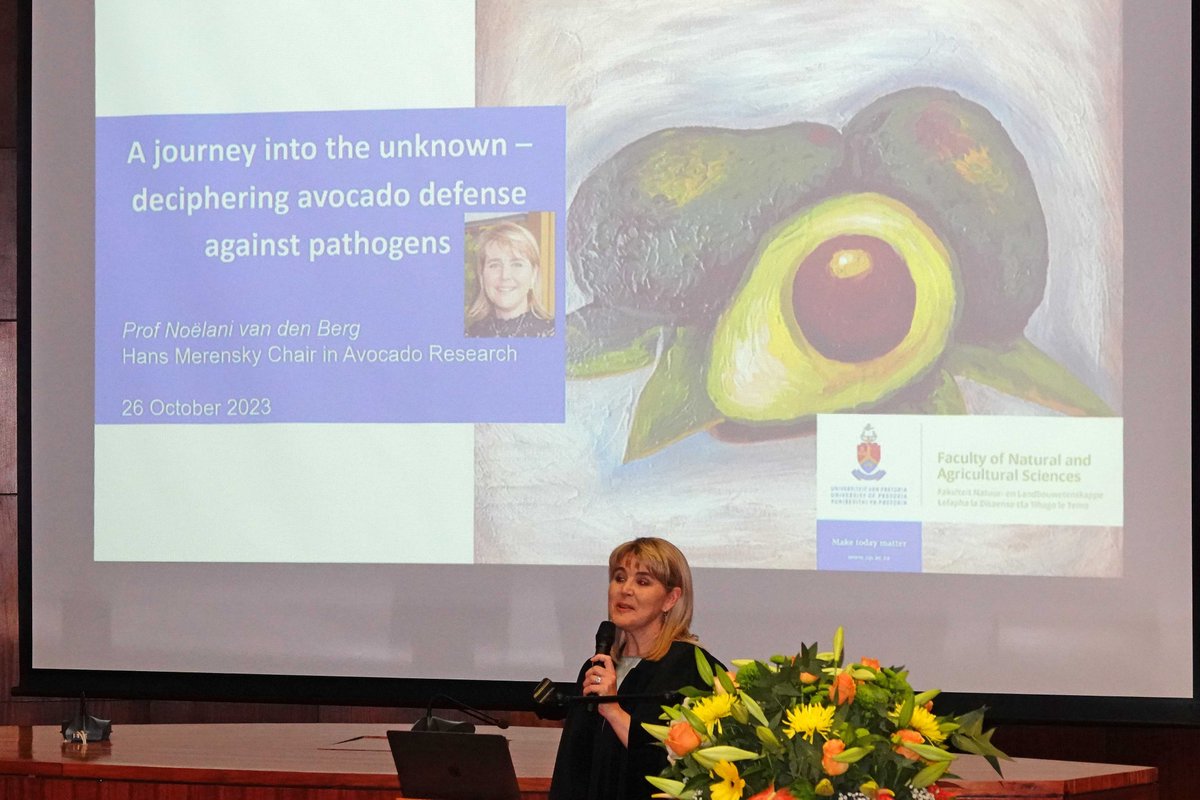
#Inaugural lectures are an important rite of passage for new professors. Last month, two FABI staff completed their inaugural lectures @NaidooSanushka@LabNoelani. Congratulations Profs. Sanushka Naidoo and Noelani van den Berg!
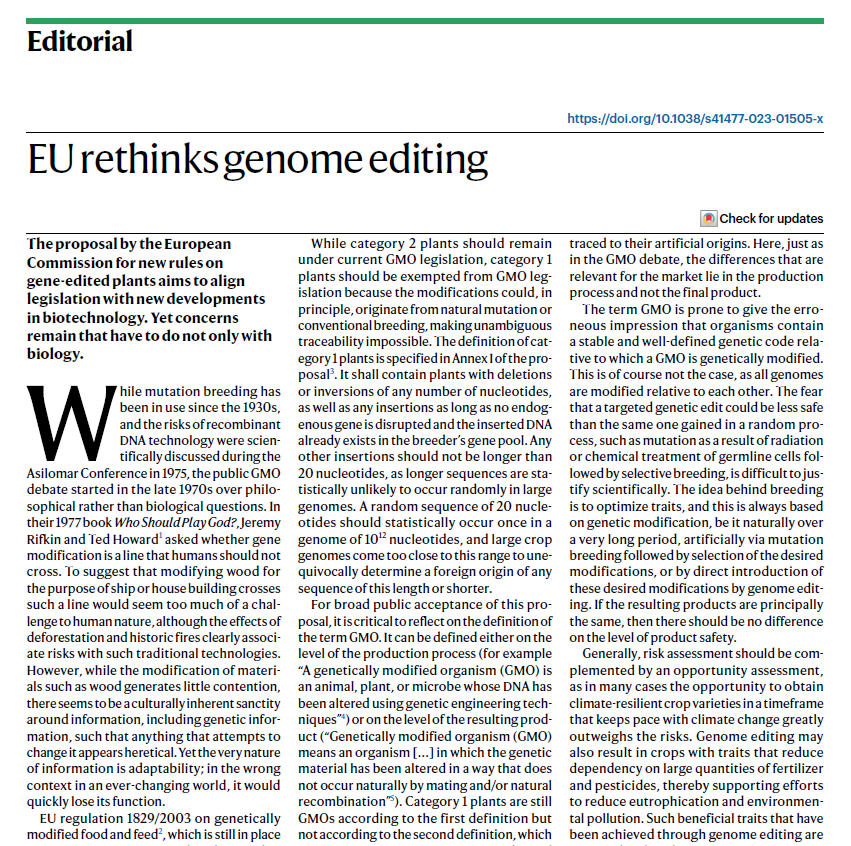
New Editorial: "EU rethinks genome editing" https://t.co/ZYPafuiXT4
The proposal by the European Commission for new rules on gene-edited plants aims to align legislation with new developments in biotechnology. Yet concerns remain that have to do not only with biology.
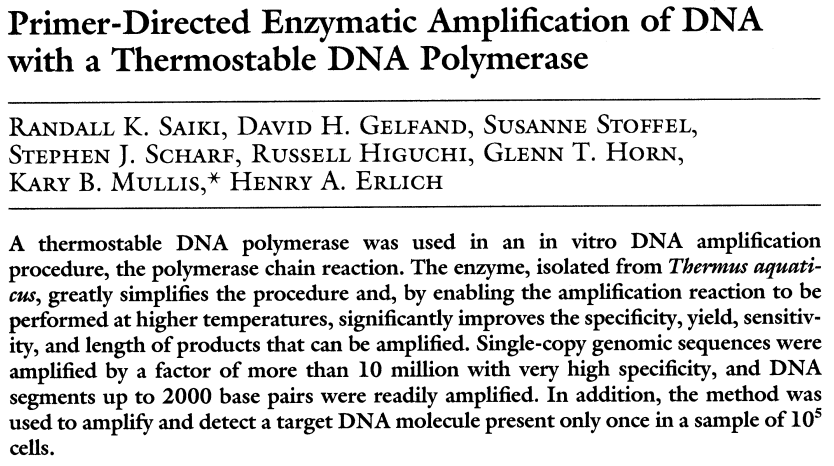
Day 10 of great papers in biology. The story of PCR.
"Primer-directed enzymatic amplification of DNA with a thermostable DNA polymerase," by Saiki R.K. et al.
***
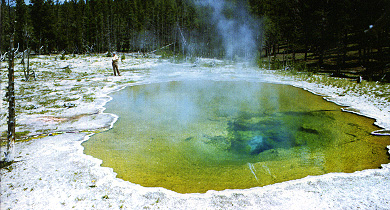
In 1969, Brock & Freeze discovered a bacterium, Thermus aquaticus, in two separate thermal springs: One in Yellowstone National Park and a second in California. (https://t.co/Yzd5xMbIqa)
(This article discusses the actual hot spring where it was discovered: https://t.co/cu6VvVrLVw)
In 1976, Chien, Edgar & Trela discovered that T. aquaticus expressed a DNA polymerase that could withstand very high temperatures. Its optimal performance was at 80 degrees C, far higher than the ~31 degrees C for DNA synthesis in human cells. (https://t.co/UOnsh9BqI4)
And then, in 1988, came the famous Kary B. Mullis paper (for which he'd later share a Nobel Prize). Saiki, Mullis, and others at the Cetus Corporation showed that the thermostable DNA polymerase from T. aquaticus could be used to massively simplify PCR. Prior to discovering the thermostable enzyme, PCR required that fresh enzyme be added during each cycle of DNA amplification.
"Because of the heat denaturation step required to separate the newly synthesized strands of DNA," the authors wrote, "fresh enzyme must be added during each cycle-a tedious and error-prone process if several
samples are amplified simultaneously. We now describe the replacement of the E. coli DNA polymerase with a thermostable DNA polymerase purified from the thermophilic bacterium, Thermus aquaticus (Taq), that
can survive extended incubation at 95C."
The paper made it possible to accomplish "cell-free molecular cloning" in about 3- to 4-hours, as opposed to "what might otherwise take days or weeks of biological growth and biochemical purification."
Brilliant paper, and a must-read for biology students.
https://t.co/TgyyZSlUXk
(Full text available here: https://t.co/fP8VAIN6Nl)
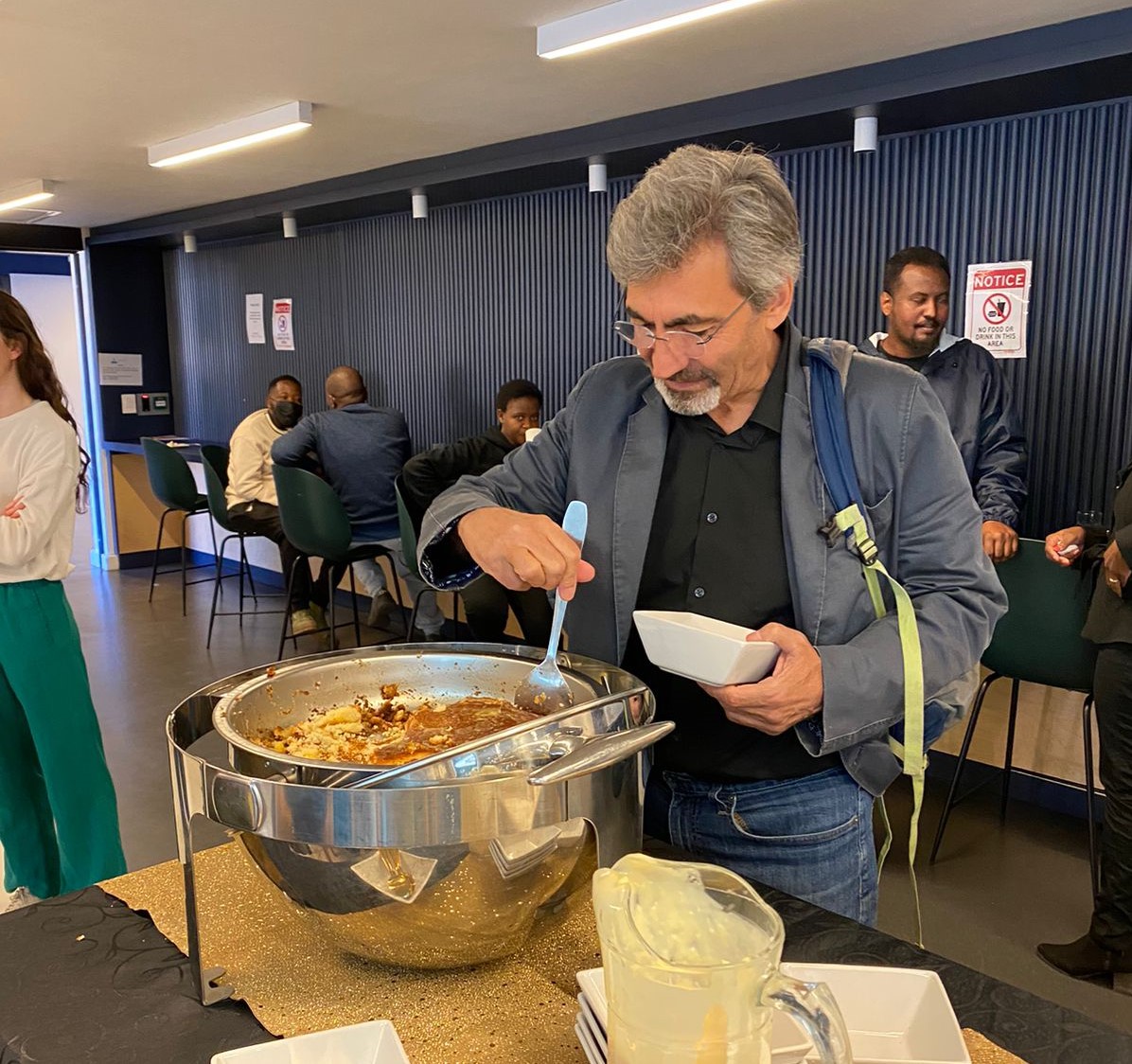
Some yummy treats on this chilly Tuesday morning to celebrate the birthdays of our team members at @FMG_UP over this last quarter🎂 Happy birthday everyone!
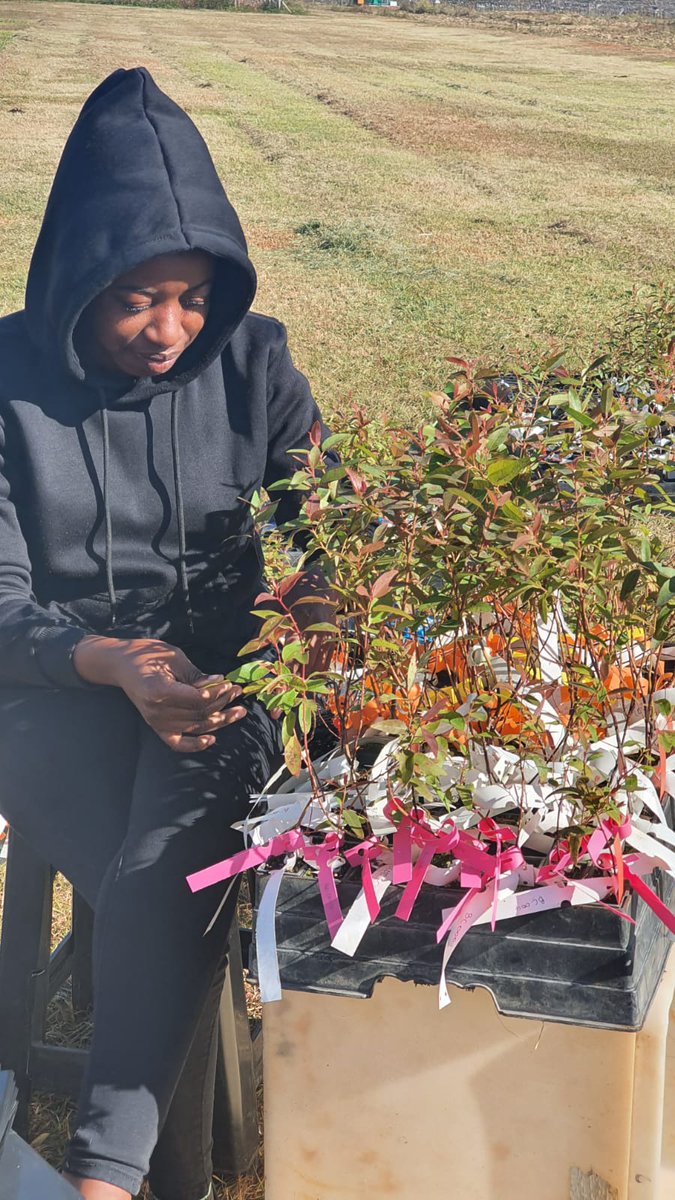
A busy week of Eucalyptus planting for the EPPI team! A big thank you to all of our team members, as well as the helpful hands from the @Fabiteam1 🌲 Here's to many more tree planting to come!