Sulfur and phosphate supplies are concentrated among America's rivals and exposed to war, sanctions and trade restrictions. Fertilizer has become a geopolitical pressure point and American agriculture is feeling it.
Read more here 🔗
https://t.co/ldxy6mJ1Zk
China is restricting exports of sulfur and phosphate inputs while buying up American raw materials. Supply tightens. Costs rise. U.S. farmers absorb the hit.
Read more in Forbes 🔗
https://t.co/6l5Ye19Xq5
Rising food prices have nothing to do with corporate greed. War, restricted exports and unstable shipping routes are squeezing the fertilizer supply chain, and American families are paying for it.
Read the full breakdown here 🔗
https://t.co/6brVMYtPkv
China is restricting exports of fertilizer and sulfuric acid while buying up raw materials such as U.S. sulfur. That’s a direct threat to American farmers, food security and grocery prices. Check out my latest column in @Forbes. https://t.co/disIzvfidg
Food prices aren't rising because of corporate greed. The real culprit is a fragile global supply chain that American agriculture depends on. Blaming manufacturers is like blaming the thermometer for a heat wave. Read more in the Daily Caller🔗
https://t.co/aSYksrYqQI
"A nation that can feed itself is inherently safer than one that cannot."
Former Ag Committee Chairman Mike Conaway on why food security is national security. Read more here 🔗 https://t.co/vdhUpGUbxn
Energy infrastructure is food infrastructure.
Sulfur is essential to producing phosphate fertilizer. But global supply constraints are making it harder for
American farmers to access the inputs they need — and driving up costs in the process.
Critical inputs should support American food security — not sit behind bottlenecks that drive up costs for farmers and families.
#FoodSecurity #AmericanEnergy #AmericanAgriculture
Global supply chains have more impact on your grocery bill than you might think. Watch our explainer video to understand the global supply chain crisis hitting American farmers and families right now. 🔗
https://t.co/Qojgsjc5ip
Nearly 70% of the protectants keeping American crops alive are produced by China. That's not a supply chain — that's a vulnerability. American food security starts with American production.
Learn more at https://t.co/JW7RF6pu23
Because yes 13 million bpd of oil are off the market but so is 50% of the world’s traded sulfur (used to make fertilizer)
30% of the world’s traded ammonia.
#IranWar#fertilizer
1. The FTC’s investigation into fertilizer pricing is looking at the wrong problem. Fertilizer prices—and broader food affordability challenges—are being driven by global supply shocks, geopolitical instability and the disruption of critical trade routes. https://t.co/dlQvaK3iTX
Trump is on the ground in Beijing and the stakes could not be higher for American families. Remember, China deliberately withheld 40 million metric tons of fertilizer from global markets. Iran’s closure of the Strait of Hormuz spiked Corn Belt nitrogen costs 40% overnight. Trump is pressing Xi on trade and Iran because peace through strength IS the grocery bill.
https://t.co/9BKnvI3ZvS
President Trump is fighting to bring down costs for American families, but foreign adversaries are making that very hard
Iran’s disruption of the Strait of Hormuz, China weaponizing fertilizer exports, and the Russia/Ukraine conflict are all adding to rising food prices
This isn’t a domestic production problem. It’s geopolitical economic warfare
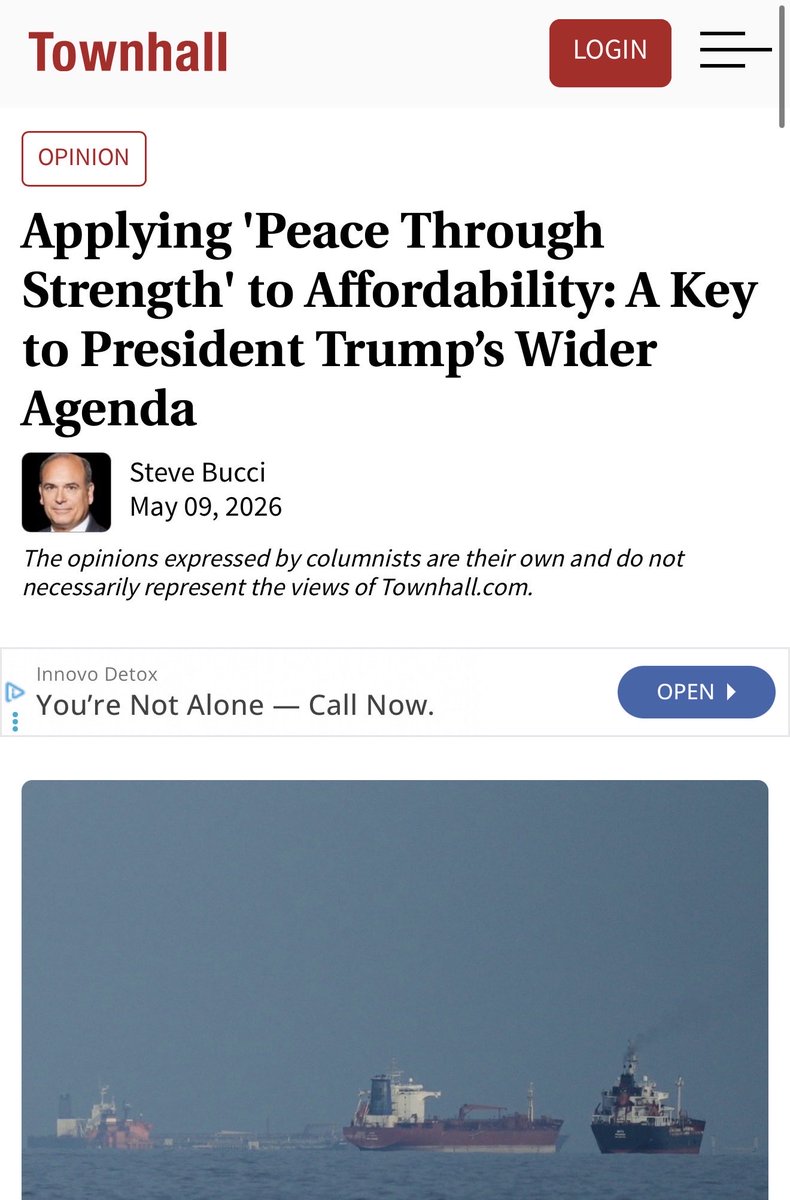
Peace through strength isn’t just foreign policy, it’s affordability policy
@SecRollins and the Trump team are taking action, but restoring stability abroad is critical to protecting the American grocery bill
Trump is delivering on affordability w $10B in farm relief, fertilizer access, & laser focus on bringing down prices.
Iran shut Hormuz. Nitrogen is up 40%.
China withholding 40M tons of fertilizer.
Russia ammonia exports down 80%.
WH is doing an admirable job preventing adversaries from undermining us. @SecRollins
My three-part solution to bring food prices back down:
a. Resolve the Iran War
b. Re-open the Strait of Hormuz
c. Crack down on China's nefarious trade practices
Straightforward. Achievable. And President Trump has the leverage to do all three.
Read the full piece in Townhall: https://t.co/mF0Gis8cfU
THINGS TO KNOW — Ahead of President Trump’s visit with Chinese President Xi:
Geopolitical conflicts surrounding
Iran, China, Russia and Ukraine are holding American grocery budgets hostage. While POTUS delivers at home, foreign bad actors are working overtime to make him fail.
BACKGROUND ON IRAN + HOW IT AFFECTS FARMERS — Iran shut down the Strait of Hormuz, the world's most critical fertilizer route. Approximately 30% of global fertilizer trade moves through it alongside massive volumes of oil and LNG. The result: nitrogen costs in the Corn Belt spiked 25–40% almost overnight. That's economic warfare.
BACKGROUND ON CHINA + HOW THEY ARE ALSO IMPACTING FERTILIZER, FARMERS — China withheld up to 40 million metric tons of fertilizer from global markets through deliberate export restrictions. Beijing is weaponizing the global food supply to do it.
WHERE DO RUSSIA AND UKRAINE COME INTO PLAY? — Russia's ammonia exports are 80% below pre-war levels. Ukrainian drone strikes on Russian fertilizer infrastructure are compounding the shortage. Every missed fertilizer application this planting season means lower yields at harvest and higher prices at the grocery store.
HOW IS POTUS HELPING AMERICAN FARMERS + IMPROVING AFFORDABILITY? — POTUS and Secretary Rollins are getting it right domestically. Nearly $10 billion in farmer relief, expanded fertilizer access, and a clear-eyed focus on affordability. Now Trump's geopolitical leverage is the final piece. Peace through strength is critical to delivering on food affordability.
Iran won’t cooperate on the Strait of Hormuz: the world's most critical fertilizer route. Approximately 30% of global fertilizer trade moves through it alongside massive volumes of oil and LNG. The result: nitrogen costs in the Corn Belt spiked 25–40% almost overnight. This is economic warfare.
@JohnBoozman@amyklobuchar@SecRollins@SecretaryWright@howardlutnick@SecretaryBurgum
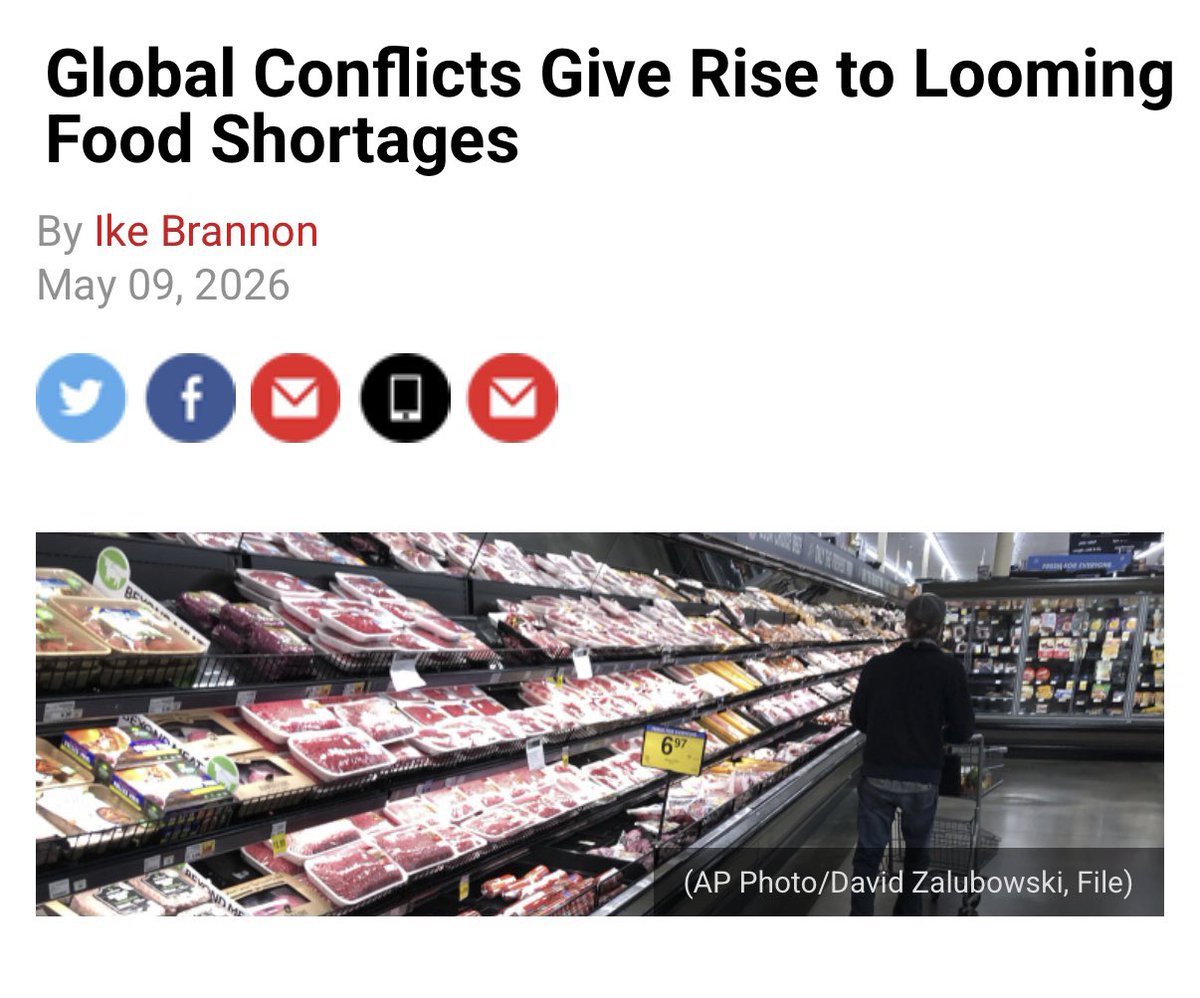
I wrote about global conflicts are reshaping what food costs — and the answer isn't in the grocery aisle. It's in the Strait of Hormuz, the wheat fields of the Great Plains, and fertilizer markets squeezed by war and export controls.
The Senate Ag Committee takes this up Monday. Worth paying attention to.
@SenateAgGOP@SenateAgDems@USDA@howardlutnick@CommerceGov@SecretaryBurgum@Interior@USTradeRep
During today's @SenateAg hearing on the fertilizer industry, lawmakers should keep in mind the many reasons—from geopolitical conflict to foreign export bans—why fertilizer costs are high.
American producers are not to blame.
https://t.co/RjzkG21jNH
Sulfur is essential to fertilizers that grow America's food. Wars have created a worldwide shortage. Now China is buying up American-made sulfur and keeping it for themselves.
American raw materials. Chinese benefit. That's a food security risk.
Read more in Forbes. https://t.co/VJ1Ta8cEAL