Baltimore, here we come! 🎉 FSLG is heading to the #ASRM2026 Scientific Congress & Expo.
We’re looking forward to connecting with the reproductive medicine community, exchanging ideas, and joining conversations shaping the future of family building.
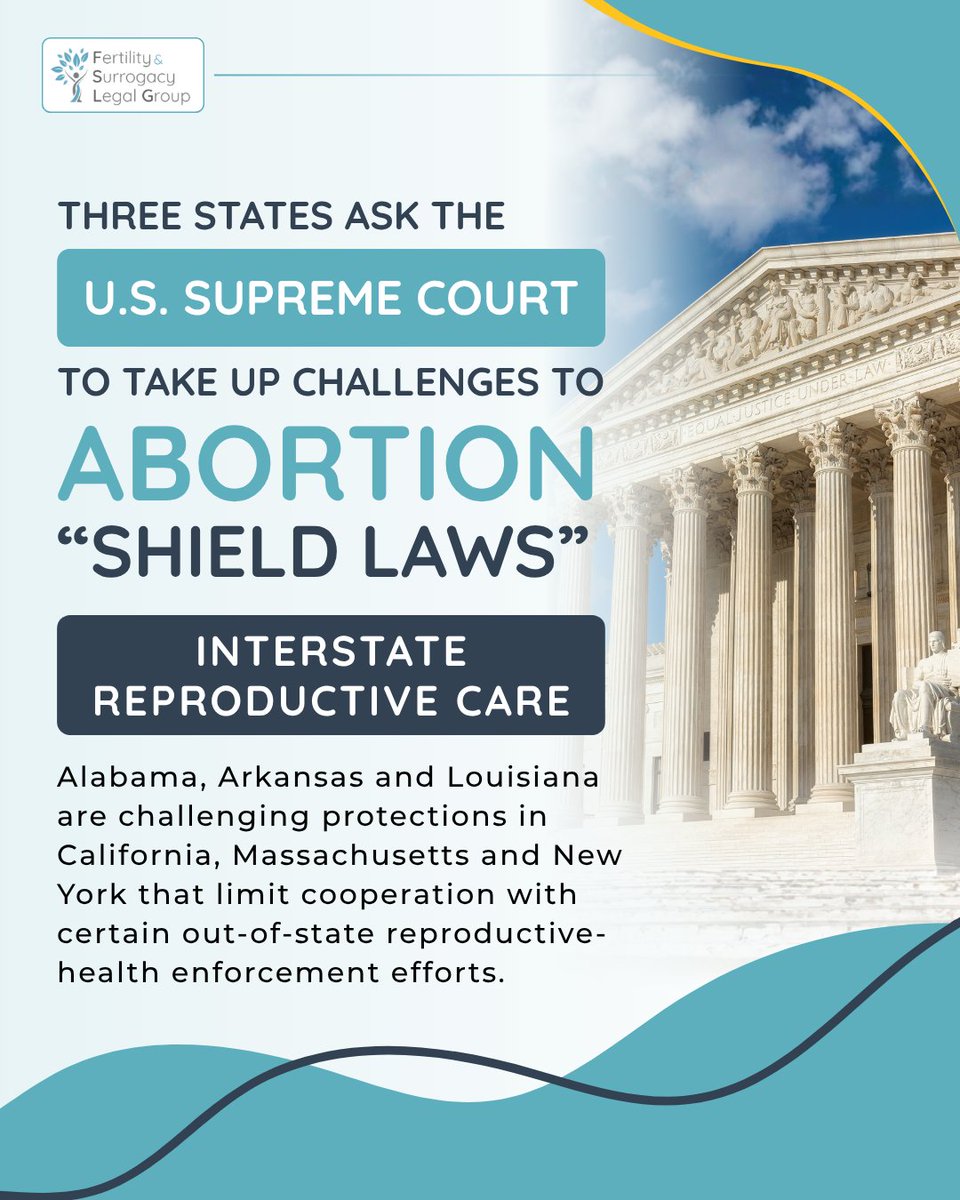
A new U.S. Supreme Court filing has put an important reproductive law question in focus, again: what happens when care that is lawful in one state creates potential legal consequences in another?
This is an important matter to be monitored for ART professionals like us who work with journeys involving interstate medical care, gestational-carrier travel, emergency treatment, information sharing or contractual provisions touching pregnancy decisions.
Policy updates are often placed in a mental folder labeled “Counsel will handle that when the case reaches the legal stage.”
That is one way outdated operational assumptions survive.
We all know Hawaiʻi’s Act 298 took effect on January 1, 2026.
Implementation will increasingly affect intake design, staff training, consent processes, referral workflows, hospital coordination and the way professionals explain the journey to families.
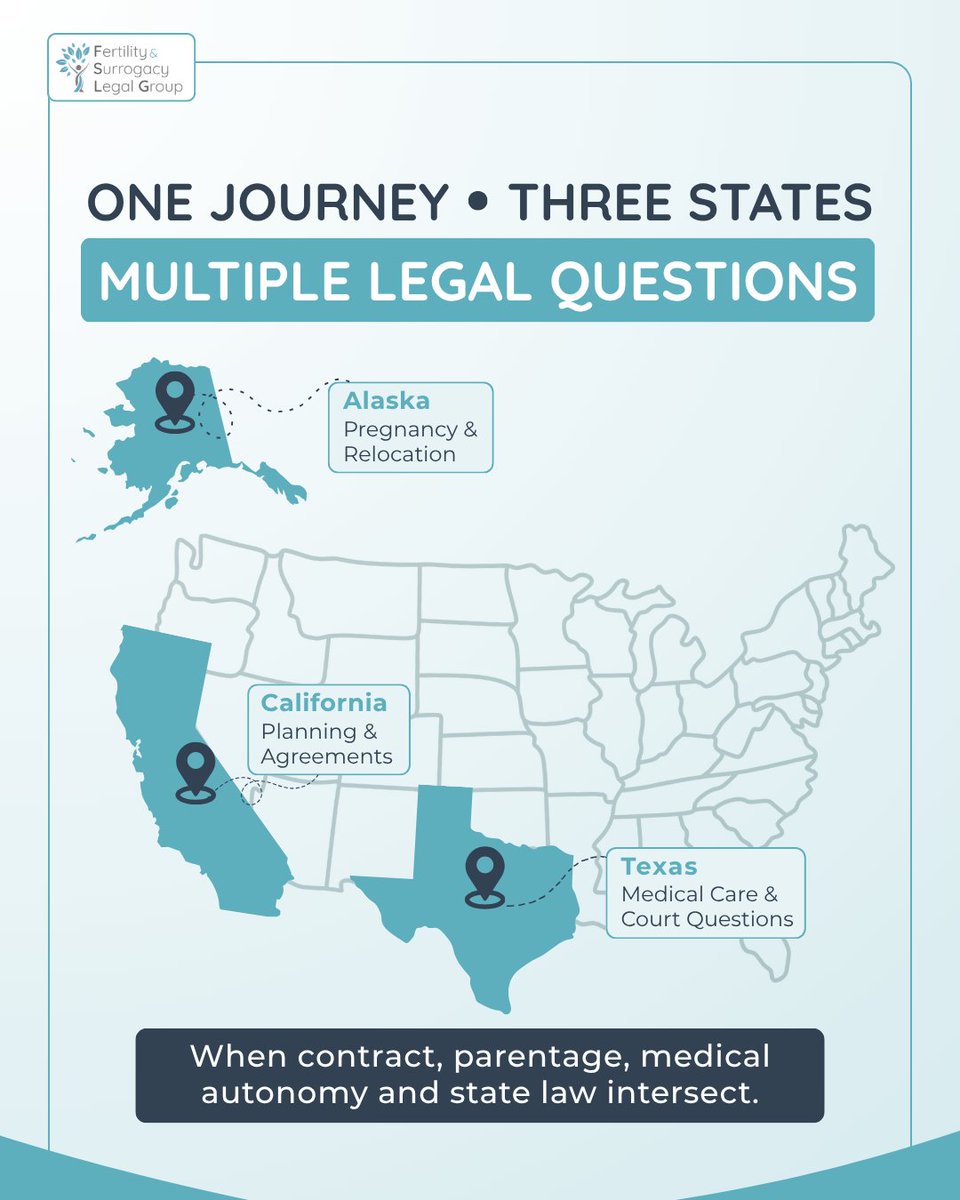
A recent surrogacy dispute involving California, Alaska and Texas is a reminder that some of the hardest questions in assisted reproduction do not arise because one issue exists in isolation.
That is what makes multistate surrogacy work so nuanced. A well-drafted agreement does matter. Clear parentage planning matters. Respect for medical autonomy matters. And understanding how different states may approach the same journey matters too.