Women do not have a fight-or-flight response to stress the way men do. They have a tend-and-befriend response, and it is driven by a completely different hormone. A 2000 paper in Psychological Review argued that the stress response described in every textbook was studied almost exclusively in men, and that women evolved a different strategy.
The paper was written by Shelley Taylor at UCLA and became one of the most cited papers in stress research. She pointed out that the fight-or-flight model was built on studies of male animals and male humans, and that when researchers finally tested women, the pattern did not hold. Under stress, women were more likely to care for their children (tend) and seek out other women (befriend) than to fight or run.
The hormone behind it is oxytocin. Both men and women release oxytocin under stress, but in men, testosterone dampens its calming effects. In women, estrogen amplifies them. The result is that stress pushes women toward connection and men toward confrontation, and both responses evolved because they worked: a mother alone with a child cannot fight a predator or outrun one, but a group of mothers can.
The paper changed how researchers think about female friendship. The bond between women is not a social nicety. It is a survival mechanism built into the endocrine system, and the women who formed the strongest social bonds under stress were the ones most likely to survive long enough to pass the trait on.
Every woman who has called her best friend after the worst day of her life was running a programme that is older than language. The phone call is the tend-and-befriend response, and the relief she felt when someone picked up was oxytocin doing its job. https://t.co/D7rxumUYla
@DavidWolfe You know you are lying.
Your 1970 figure was the definition of 'definite hypertension'. It was not the recommended pressure.
Also: It's perfectly possible to maintain 120/80 without drugs.
While some countries are making positive moves towards shared parenting after family breakdown, the UK is heading in the opposite direction.
This change in the law risks serious harm to children and fathers, counsellor @ZacFine tells the UK government
https://t.co/ykJK4YlEP5
Modern family law often treats fathers as less important than mothers —
a bias with real consequences.
This clip explains why fathers matter equally,
how the imbalance affects children and society,
and why change is essential for future generations.
#Fatherhood#FamilyLaw #MensIssues #Parenting #SocialImpact
69%. That’s not just “a few bad cases.”
That’s nearly SEVEN IN TEN parents watching court orders be broken five times or more before anyone even tries to enforce them.
Five chances to ignore the law.
Five chances to erase a parent.
Five chances to teach a child that court orders are optional.
This isn’t justice delayed, this is justice tolerating breach.
If any other court order were ignored five times in a row, there would be consequences.
In family court?
Silence. Delay. Shrugs.
Children don’t get those lost days back.
Parents don’t get those years back.
69% is not a statistic.
It’s a system choosing inaction.
Read that again.
Then ask yourself why this isn’t front-page news… 💔♻️
What’s strange about these laws is that they still don’t stop some women from leaving their marriages for selfish reasons.
However, a 25% reduction in divorce rates suggests that women were intentionally leaving because they knew they would receive full custody of the children and could use that advantage against men in court.
Once they can no longer use the children for child support or revenge, that power is significantly reduced…by almost 80%. This indicates that women plan their divorces strategically before deciding to leave.
They already know how they intend to play it out, and nine out of ten times, the child becomes their main weapon. This also helps explain why so many men are labeled as “deadbeat” fathers. It was intentional. Women’s selfishness knows no limits.
Warning.
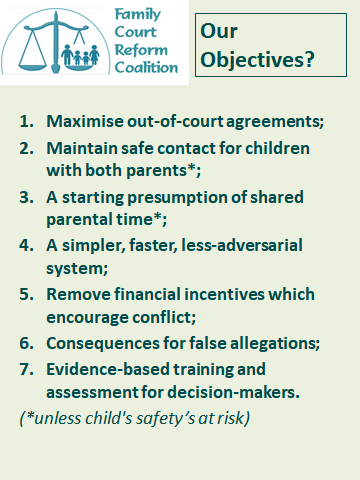
Be aware that the central reason reform of the family separation process has made little progress is not that the lawyers and feminists have it stitched up,
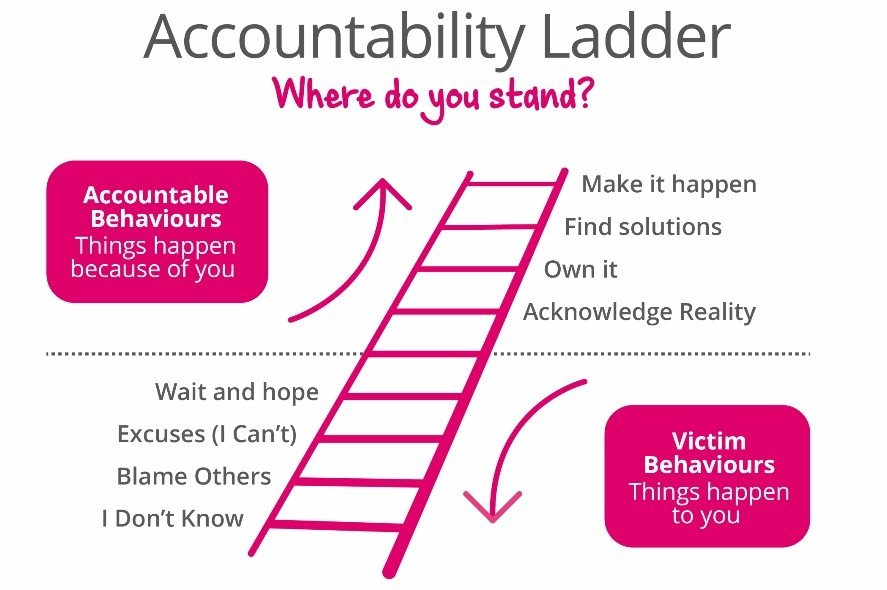
It's that those who claim they want reform refuse to work together in ways that would achieve it.
Children don’t need this so called “consistency” some parents think they do, which is a weapon used to control the other parent. Children thrive on different experiences, and learning different rules for different contexts builds resilience. Even in autistic children.