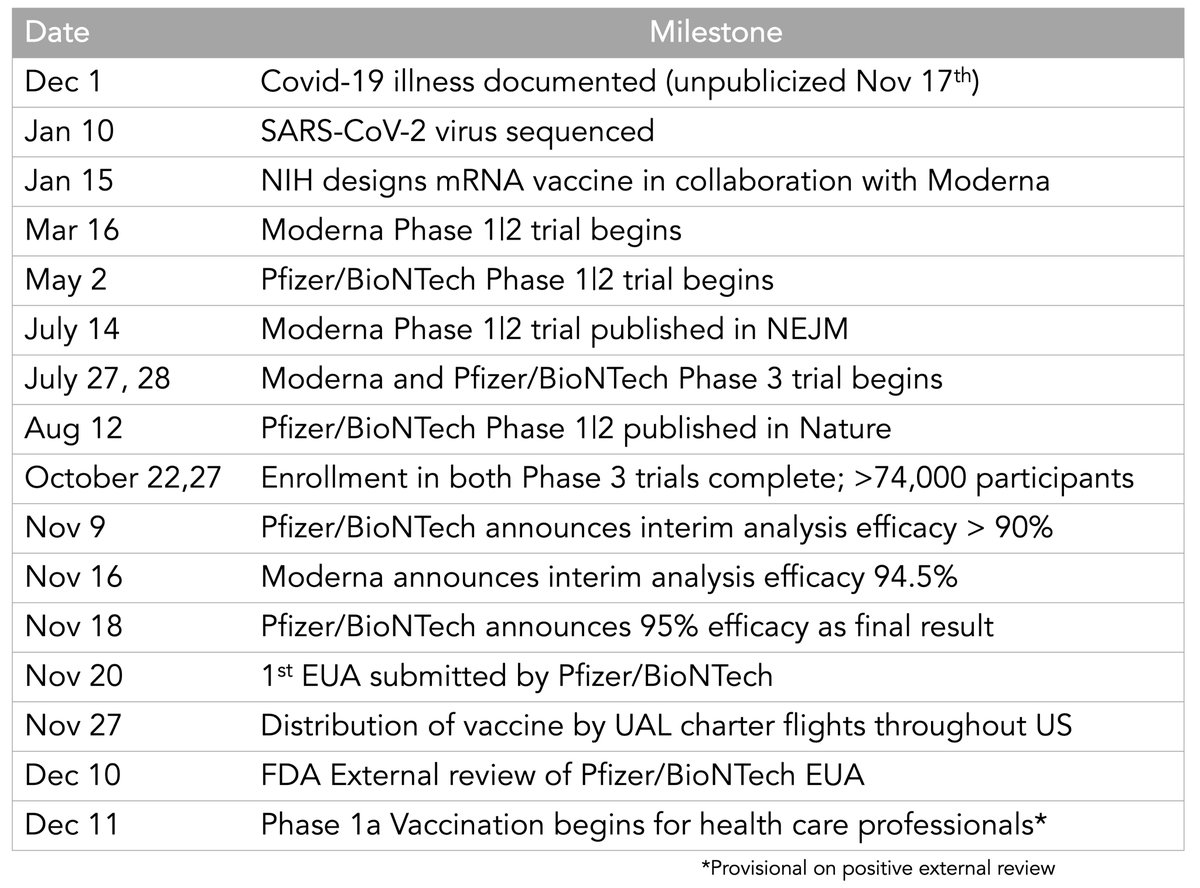
Wow more than a year already since the announcement of the first vaccine. This was also a world race among the advanced countries leading to immensely expediting vaccine development taking just months which was unheard of before now. Congratulations to mankind!
This will go down in history as one of science and medical research's greatest achievements. Perhaps the most impressive.
I put together a preliminary timeline of some key milestones to show how several years of work were compressed into months.
And make it like the original size so our baggages can be accommodated? We are 2 adults and 1 toddler and we are worried we would have problems with the car currently assigned to us. But this was not the original one that we I confirmed.
@GetTransfercom Hi my ride 23597393 was suddenly replaced because the initial driver apparently was not available. It was initially a big car that can accommodate 3-4 baggages but now the replacement was only 2 baggages. Can you please help me with the replacement…
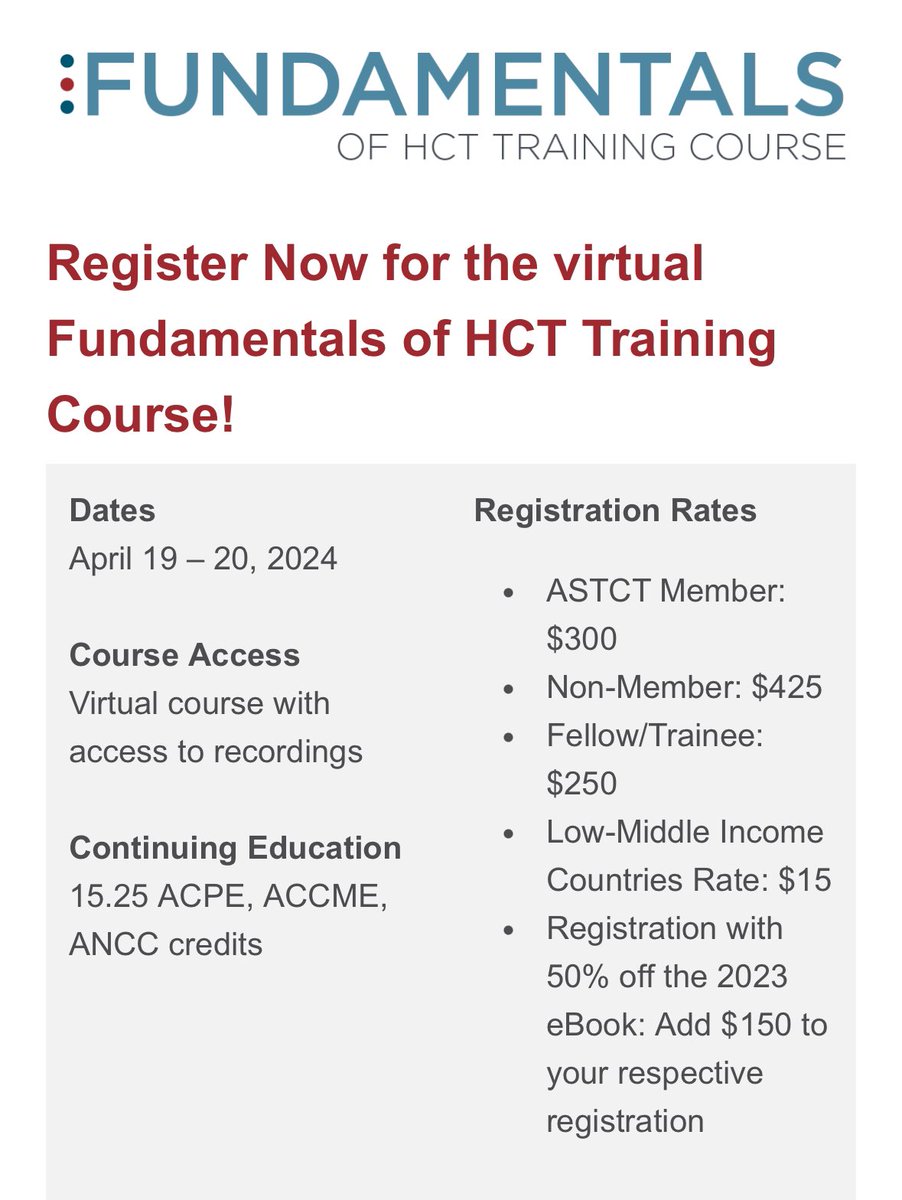
Fundamentals of HCT training course with $15 USD registration rate for persons from LMICs.
Kudos to @ASTCT for this effort towards global equity in #BMTsm and #CARTcells education.
https://t.co/catYWywW4A
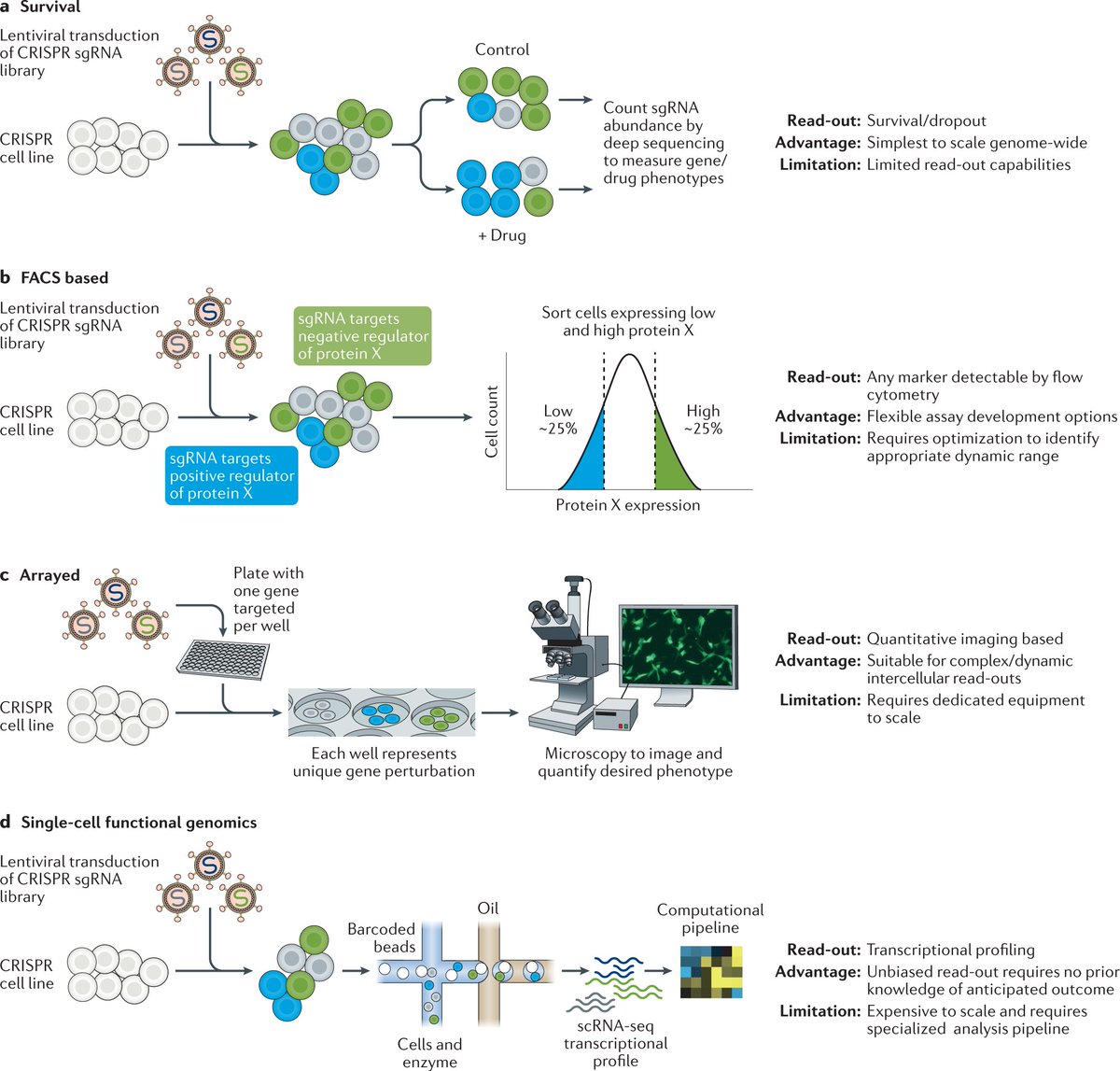
CRISPR functional genomics tools for scalable and multiplexable characterization of genes and gene regulatory elements - A new era in functional genomics screens https://t.co/CZnoy2blAk #Review by Laralynne Przybyla & Luke A. Gilbert @UCSF
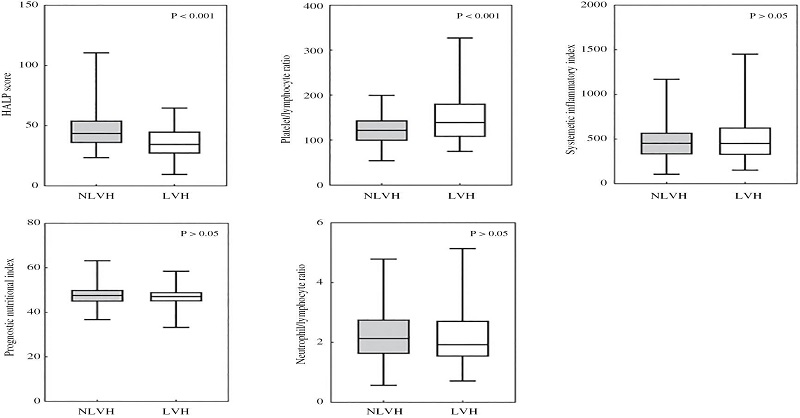
Correlation between the Hemoglobin, Albumin, Lymphocyte, and Platelet (HALP) Score and Left Ventricular Hypertrophy in Older Patients with Hypertension #HALP#hypertension#ventricular_hypertrophy
https://t.co/D2qkeNUgdp
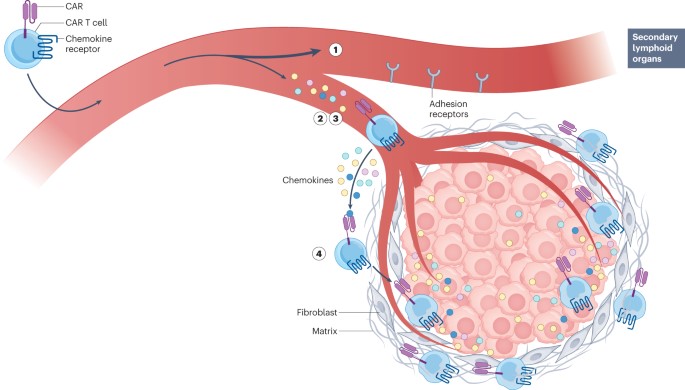
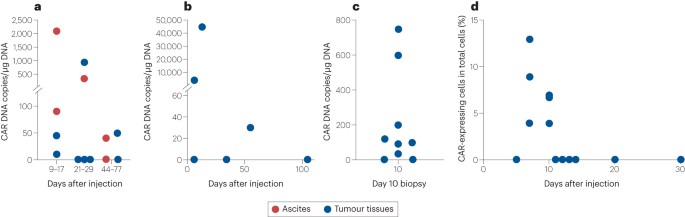
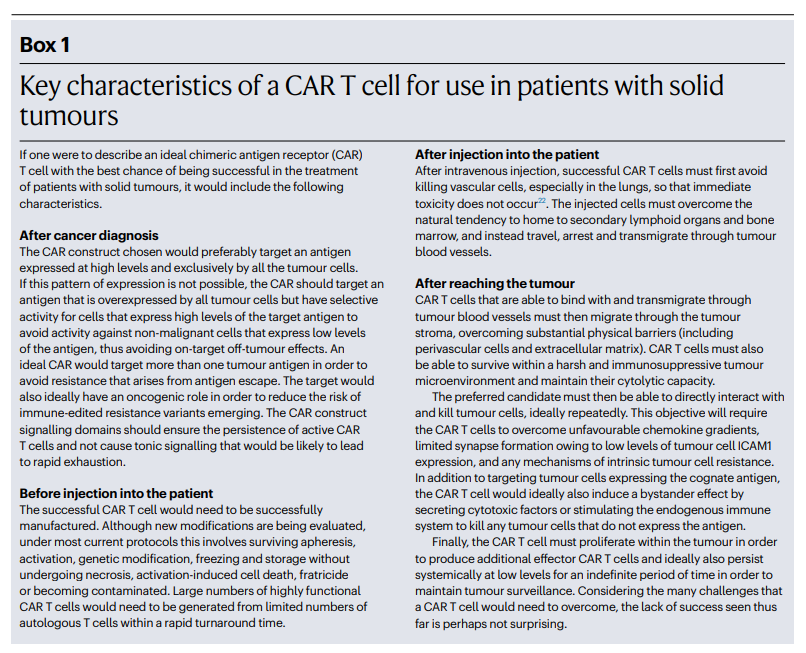
In a Review now published online, Steven Albelda provides an overview of what we know so far about CAR T cell therapies for solid tumours and proposes strategies to improve outcomes: https://t.co/dTu6izk9G3
@Andrew_Akbashev Invest time in the lab your are applying to, read their papers, express why their lab, their university or their city/country appeal to you. https://t.co/tVkhrbrBsl
I was explaining to a student recently how we did literature searches in the 1980s and 1990s.
We had to look up articles in a printed copy of Index Medicus, and then pushed a trolley around the library to collect the journals so we could photocopy the articles.
We also had to pay for the photocopies, which made us very selective about the articles we used in our literature reviews. There was an incredulous look in her eyes.
And when we got to the photocopier, we had to hope that it had not broken down or that the queue to use it was too long. Arriving well before library closing time was also important. Online articles did not exist then and sometimes we had to wait for weeks for articles to arrive using the Inter-Library Loan Service if they were not in the library’s own collection.
Eventually, printed copies of Index Medicus were replaced by a CD-ROM version (which you have to book a slot in advance to use) and then eventually by online bibliographic databases. And now, we have immediate access to online journal articles.
I then went onto explain that the terms 'cut' and 'paste' in modern computer programs are there because that is once what we had to do. We cut out graphs and diagrams with scissors and then pasted them into documents using glue. More incredulous looks followed.
When we presented our work, we used hand written acetates on an overhead projector. Moving to printed acetates was a big step forwards (or so it seemed at the time). Presenting at professional conferences meant using (expensive) slides. Errors that you couldn't correct were common. Eventually acetates and slides were replaced by PowerPoint projectors.
When I was a student in the 1980s, all our course work was hand-written. Most of us did not have typewriters and very few of us could type. When word processing software became common later in the decade, it meant no more Tippex or retyping whole documents to correct errors.
My first printer was a 9-pin dot matrix. It was noisy, slow and the quality of the print was poor. But it produced much more legible output than hand-written documents. Moving to 24 pin dot matrix printers was a big advance in the quality of printed documents. Eventually, affordable ink jet and laser printers became common.
Moving from cassettes to floppy disks and then hard disks for storage were big advances. My first hard disk was 20MB in capacity. Such was the small size of computer programs and their data files in the 1980s, I couldn’t come close to filling it. Now a word document with some embedded images can often be larger than 20MB.
My student clearly thought I had grown up in a technological stone age. In many ways, her reaction was like mine when older people used to tell me what life was like in the 1930s and 1940s during the Great Depression and World War Two.
But although the 1980s and early 1990s were a more technologically-backwards era than now, there were benefits in being a student then. We had our course fees paid and received a grant to cover our living costs, so we did not graduate with the vast debts that current students have.
Academic writing is a superpower. It's a key to publishing, getting a new job or tenure, and becoming known in the field
These 10 AI-powered websites will help you with EVERY part of your manuscript and will save you 100+ hours:
#openscience#AcademicTwitter#phdvoice#phdchat
Raised levels of ferritin can be associated with several serious underlying conditions.
How should clinicians manage raised ferritin in primary care?
Includes a #BMJInfographic that presents a management plan
https://t.co/vRtGTuQcoR
I had to go through the whole process again of typing my phone number, account number then waiting for the customer service who by the way would just end the chat if you are not able to reply immediately.
Also I messaged PLDT messenger last month regarding my concern since I was not able to use my landline for more than a month despite the technical team visiting, even ticking my concern as completed despite it not being fixed.
#mdpijcm
“Advances and Obstacles in Homology-Mediated Gene Editing of Hematopoietic Stem Cells” by Christi T. Salisbury-Ruf and Andre Larochelle.
Read the full article: https://t.co/MNefHxMtdy
#HematopoieticStemCells#GeneEditing
Cell: Rearrangement of T Cell Genome Architecture
Regulates GVHD: Wapl deficiency in T cells reduced 3D chromatin loop extensions, and reduced severity of graft-versus-host disease (GVHD)
https://t.co/iB2M0gv8x4