Community impact measurements, diversity and inclusion indicators, and staff turnover rate are common examples of Key Performance Indicators (KPIs) for social sustainability. These KPIs are important because they shed light on a business's social responsibility initiatives
Energy efficiency, waste management, and material sourcing are sustainability KPIs for the construction industry. Worker health and safety, community involvement, and fair labor practices are important social KPIs. These measures provide a comprehensive, long-term strategy
Decarbonization in the construction industry aims to reduce carbon emissions related to its processes. Considering the entire lifecycle of a building, the industry significantly impacts global greenhouse gas emissions.
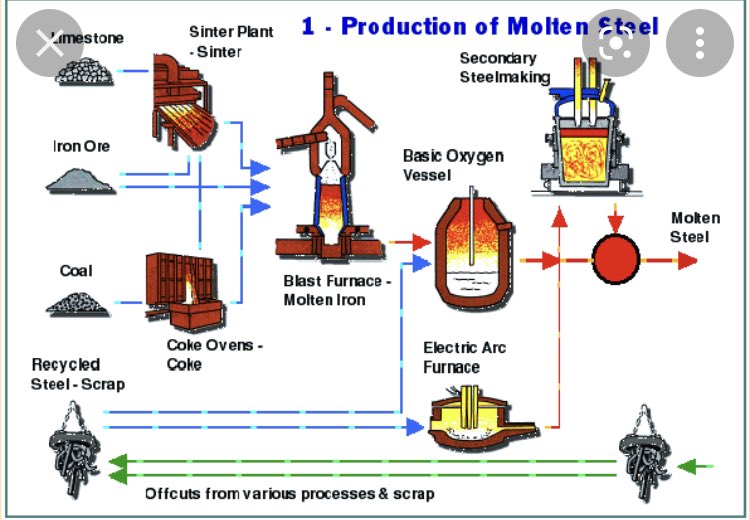
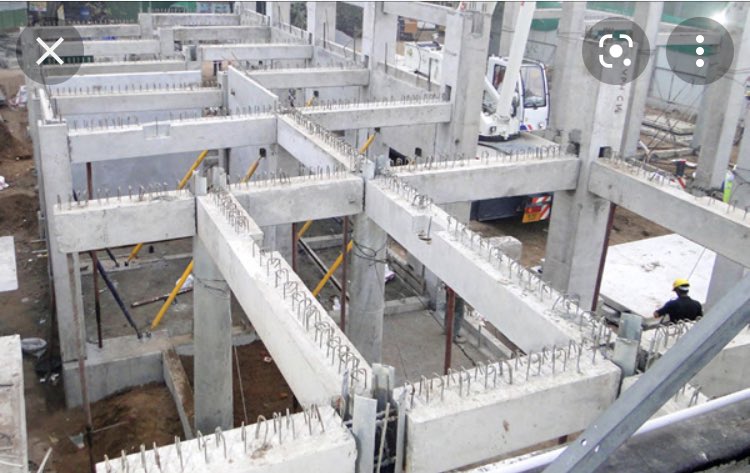
Using sustainable materials like recycled steel and concrete not only decreases emissions but also boosts local economies. Energy-efficient designs enhance indoor living and working conditions, while on-site renewable energy sources like solar panels offer economic benefits
The term "sustainability" describes the capacity to satisfy current requirements without compromising the capacity of future generations to satisfy their own needs. It strikes a balance between ecological, economic, and social factors.
Sustainability in construction can refer to using environmentally friendly building materials, implementing energy-efficient design concepts, reducing waste, and making sure that created structures have a minimal impact on the environment over their entire existence.