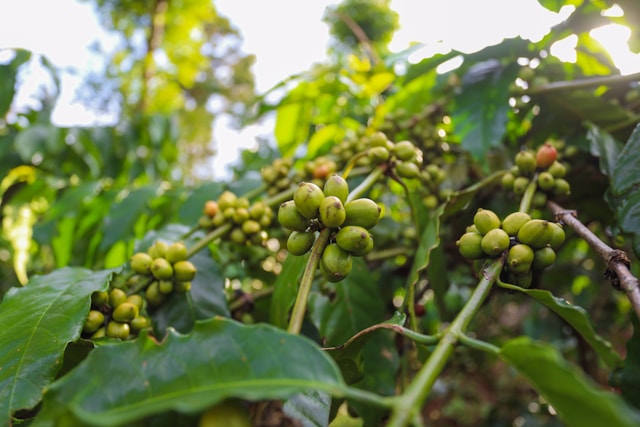
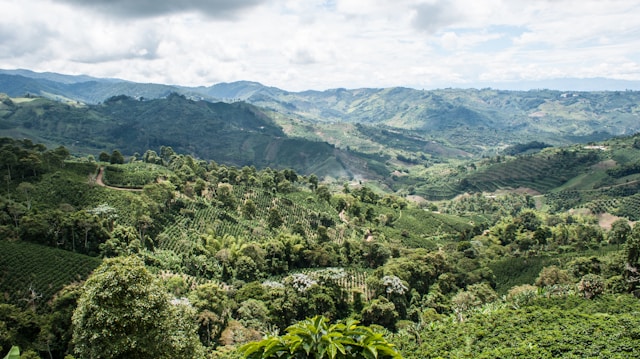
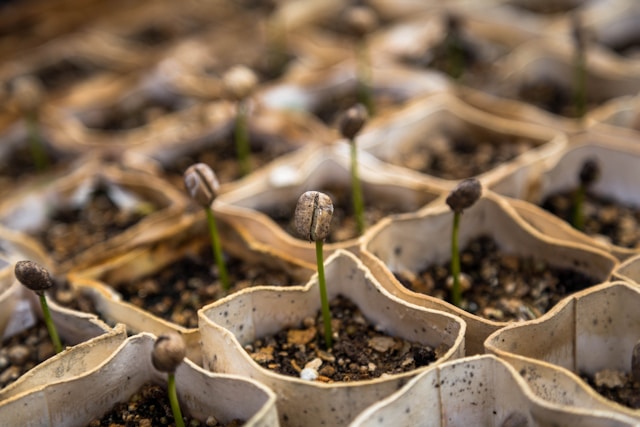
KEW GARDENS: Shade-grown coffee plantations can be powerful allies in the fight against climate change and biodiversity loss. Scientists and smallholder farmers in Mexico are growing coffee that nurtures both communities and ecosystems. https://t.co/hssE7V15SG
BALANCING ACT: Climate change is profoundly disrupting coffee production in Colombia. Researchers say coffee growers must sometimes choose between high-yield hybrids or eco-friendly organic farming, weighing sustainability against economic survival. https://t.co/KcfGzA4RBu
SURPRISING BENEFITS / RESEARCH: Panama's Indigenous reforestation project misses carbon goals but excels in community benefits. Tree planting stores more carbon, while agroforestry boosts local income and food security. https://t.co/6JMWKYlzqG
FOREST RESTORATION: Study finds that coffee pulp can speed up tropical forest recovery on post agricultural land. As a widely available waste product that’s high in nutrients, coffee pulp can be a cost-effective forest restoration strategy. (2021) https://t.co/JIPH5S4kH8
RECORD-HIGH GREENING: In 2020, a record-high level of greening was observed, largely driven by increased CO2 levels, climate warming & reforestation. China & India were major green hotspots due to tree planting, land restoration & agri management practices https://t.co/CaFulDDosd
OUTLOOK FOR RAINFORESTS 2025: The challenges facing tropical forests in 2025 are shaped by geopolitical shifts, economic forces, regulatory frameworks, & climate. The resilience of these ecosystems & the policies designed to protect them will be tested. https://t.co/bUqiXBUscu
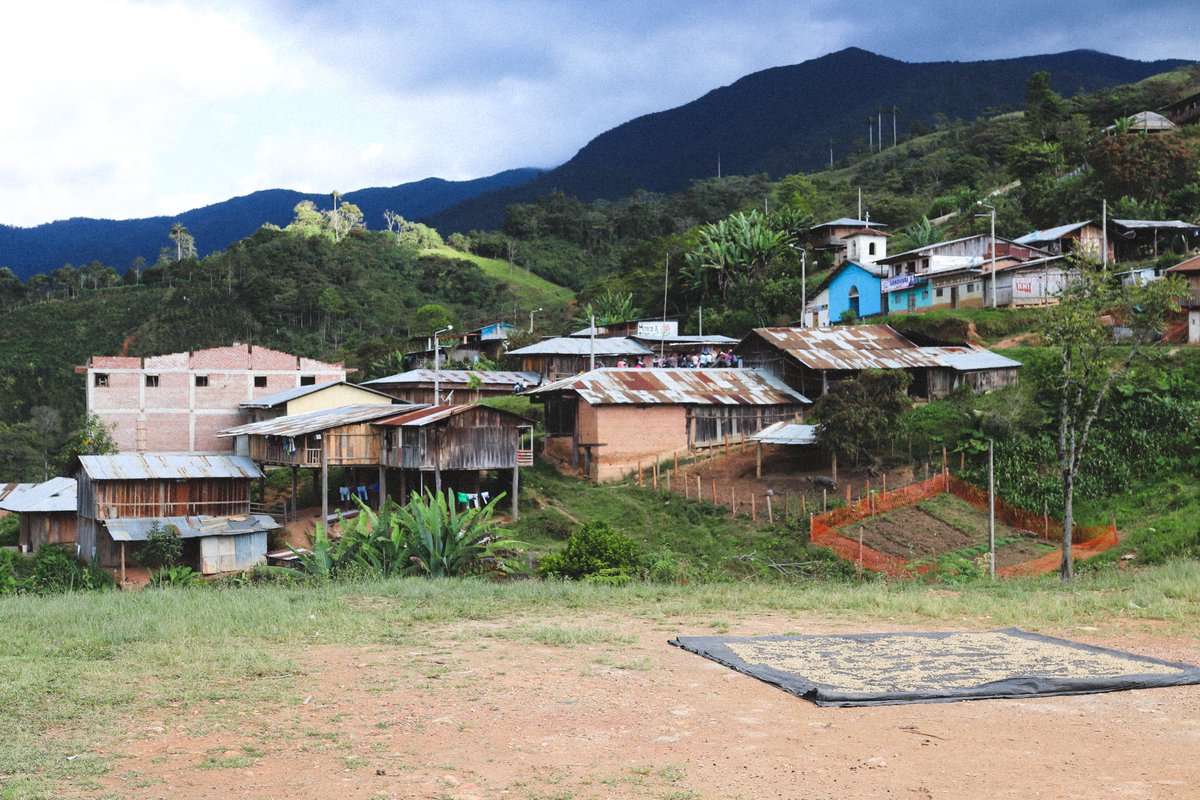
A supply chain in Peru illustrates the challenges of monitoring carbon emissions of coffee production with the aim of achieving net zero | Environmental Conservation | Cambridge Core - https://t.co/rjpJJ4SgWU
COMPARING APPLES WITH BEANS: Coffee bean varieties number < 120, lower than apple varieties, which number > 5,000 — introducing more coffee varieties will bolster more coffee farmers & improve resilience against climate change. - WCR https://t.co/qlmXQNxR0n
AGROFORESTRY PROJECT: Malawian coffee growers face challenges such as inadequate inputs, unstable markets & climate change. This project calls for increased adoption of coffee agroforestry as a sustainable model that redefines the future of coffee farming. https://t.co/jyn5ToXPvJ
'GREEN SQUEEZE': As the global economy transitions towards sustainable practices, new measures to green production & trade to promote environmental responsibility are emerging which risk disadvantaging the world's most vulnerable nations [Download Paper]. https://t.co/MJTI0EsUNv
COFFEE'S CONTRACT WITH THE SOIL: With intensive agriculture practices and soil degradation threatening the future of global coffee production, regenerative agriculture could hold the key to a more sustainable future. https://t.co/v5oKSCEhpg
AGROFORESTRY: Growing coffee in agroforestry systems in the DRC supports 19 times higher biodiversity & stores twice as much carbon compared with monoculture systems. However sustainable coffee production in the DRC requires small-holder farmers’ buy-in. https://t.co/m4nl8CBa1I
TARGETTED BREEDING: Researchers find a region of DNA sequences common among the different leaf rust-resistant coffee plants, giving them a new combination of Robusta-based genes that could convey resistance to the Arabica plants.
https://t.co/XdUSTqcoav
SUSTAINABILITY TO REGENERATION: The goal of regeneration is to replenish the planet’s natural resources, and to render communities more resilient. Regenerative approaches to business advocate for wholesale transformation of the entire scope of business. https://t.co/4yoPirLlK2
BANGLADESHI COFFEE: Though coffee is not a native crop in Bangladesh, farmers have cultivated coffee thanks to favorable weather conditions. Conservationists however worry that large-scale cultivation will damage areas rich in biodiversity.
https://t.co/kk8BBpmjmi
REWARDS OF SHADE-GROWN COFFEE: Program in Venezuela aids communities by encouraging community-centered shade coffee agroforestry while protecting rare birds. It has reforested 415ha & secured the protection of one of the remaining corridors of dry forest. https://t.co/vjE0B58wjU
MEASURING IMPACT OF COFFEE: A new scientific review offers recommendations on how to measure the environmental impact of coffee – with the hope of also standardizing how this is done in the future.
https://t.co/9KHg4wLsEZ
SCARCITY TO ABUNDANCE: Ethiopian project reflects on four years work. Findings suggest regenerative agriculture acts as a catalyst for invigorating the rural economy & offering livelihood opportunities, particularly for the youth & women. https://t.co/tO7y7FilE4
SIGNIFICANCE OF SHADE: Study finds that by increasing canopy cover by 30%, coffee farms become thriving ecosystems. This rich biodiversity not only enhances natural pest control but improves soil quality, ultimately leading to higher-quality coffee yield. https://t.co/gCTJ6FFwVh
HYPER-PREDICTIVE SUPPLY CHAINS: GenAI has the potential to significantly improve supply chain efficiency. With it, companies can understand the conditions captured in data and use it to analyze data sets, predict demand, and optimize routes for delivery.
https://t.co/7QrWCcAG0r