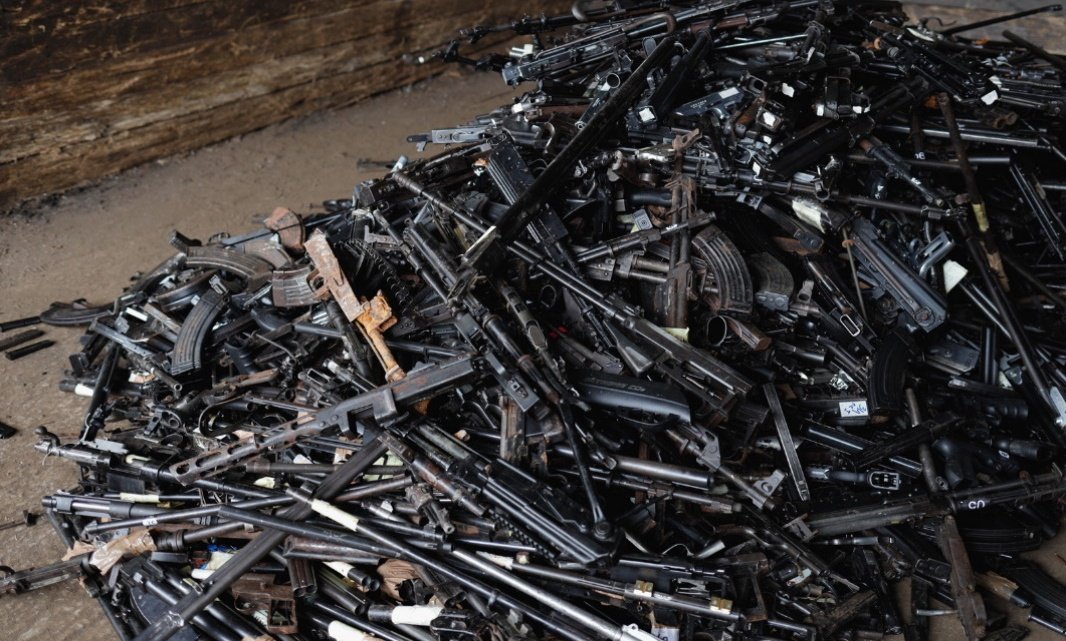
#InternationalGunDestructionDay was established by the United Nations (@UN) in 2001.
This day aims to raise public awareness about the threats posed by the proliferation and misuse of small arms and light weapons (SALW) and to encourage governments to responsibly destroy surplus or confiscated weapons.
The initiative began alongside the UN Conference on the Illicit Trade in Small Arms and Light Weapons in New York and has been commemorated annually ever since.
Objectives:
Reducing Gun Violence: The day focuses on curbing gun-related violence by destroying illegal, surplus, or seized firearms. This action helps prevent weapons from falling into the wrong hands and reduces the risk of their use in conflicts, crime, or terrorism.
Promoting Responsible Arms Management: Governments are urged to commit to secure storage, proper disposal, and destruction of excess weapons to prevent their entry into illicit markets.
Cost-Effectiveness:
Destroying surplus weapons is often more cost-effective than storing and maintaining them, as it eliminates ongoing security and maintenance expenses while reducing risks to public safety.
Activities:
Weapon Destruction Events: Governments, NGOs, and international organizations often hold public events where confiscated or obsolete weapons are destroyed, typically through methods like crushing, melting, or cutting.
Awareness Campaigns: Educational programs, workshops, and media campaigns are organized to highlight the dangers of small arms proliferation and the importance of disarmament.
International Cooperation:
The day encourages collaboration between nations, law enforcement, and civil society to address the global challenge of illegal arms trafficking.
Impact:
The destruction of surplus or illegal weapons reduces the availability of firearms in conflict zones and criminal networks, contributing to global peace and security.
According to UN estimates, there are over 1 billion small arms in circulation worldwide, many of which fuel violence and instability. Initiatives like this day aim to address this issue systematically.
#WorldLawDay is an observance rooted in a specific moment of Cold War history, proclaimed to advance the goal of world peace through the rule of law rather than through force.
Origins
On July 3, 1967, President Lyndon B. Johnson proclaimed July 10, 1967, as World Law Day, in order to advance the goal of achieving and securing world peace, calling upon public and private officials, members of the legal profession, and citizens to take part.
This was not the first such proclamation Johnson had earlier designated September 13, 1965, as World Law Day, urging citizens across the country to hold observances reaffirming the American goal of a world where all people live under the rule of law rather than force.
These proclamations were tied closely to the World Peace Through Law movement of the era, which brought together lawyers, judges, and legal scholars from around the world who believed that international law and legal institutions not military power offered the most durable path to peace.
The underlying message behind these proclamations was straightforward: a peaceful, just world isn't something a single decree or a single day can create, but public occasions like this can serve as a reminder that a world genuinely governed by fair law is a realistic goal worth pursuing not just an idealistic dream.
Even decades later, the spirit behind July 10 speaks to enduring themes:
👉Rule of law over force : settling disputes through legal frameworks rather than conflict
👉International cooperation : recognizing that peace depends on shared legal norms between nations
👉The legal profession's role : judges, lawyers, and legal institutions as guardians of order and justice
👉Ongoing effor :
a reminder that legal and civic institutions require continuous reaffirmation and vigilance, not just occasional celebration
Around the world, demographic change is prompting urgent debate about fertility, family life and the future. Lives, Choices and Futures, UNFPA’s report on the findings of the 2025-2026 Demographic Futures Survey brings together one of the most geographically diverse bodies of evidence on how young adults’ hopes and decisions about relationships, parenthood and the future take place in an uncertain world.
Through the voices of over 108,000 Internet-connected people aged 18 to 39 across 73 countries, this report shows that many young people continue to value partnership and parenthood, but the conditions to realize these aspirations often feel out of reach.
👉The findings reveal:
More than two thirds of respondents want to marry or live with a partner.
Two children is the most commonly reported ideal family size in five out of seven regional groupings.
Economic and housing constraints constitute the most common obstacles to forming partnerships.
Financial security is the top consideration for entering a partnership (81%) and parenthood (88%).
Young respondents also consider stable employment (87%) and emotional readiness (85%) as important preconditions for becoming parents.
Two thirds feel somewhat or very positive about the future despite worries about conflict, economic insecurity and inequality.
While the data are weighted by age, sex and education level, these findings are not nationally representative and should not be interpreted as population-level estimates. Instead, they provide comparative insights into the views of Internet-connected young adults surveyed across regions. The data tells us what these young adults value, what they worry about, what they see as important for partnership and parenthood, and what conditions they report as shaping their choices.
This report offers a flagship evidence base to inspire further research and shift policy and public debate. It moves the conversation away from panic, population targets and assumptions about young people’s choices. Instead it focuses on the social, economic and institutional conditions that enable young people to have the families they want and build the lives they aspire to lead.
Lives, Choices and Futures provides vital evidence to inform global policy discussions on demographic change, reproductive rights and sustainable development. The findings affirm that long-term investments in young people and cross-sector policies on education, employment security, housing, reproductive health services, and social protection will help them contribute to societies that are innovative, resilient and economically robust.
This year's theme 👉 "Realizing the hopes and aspirations of young people today & for the future"👈 draws on a major global survey that explores aspirations, opportunities and challenges of young adults across 73 countries.
#WorldPopulationDay
#HumanProgress #PopulationGrowth #LifeExpectancy
مستند صدای زمین
(قسمت دوم)
جنگل با تو سخن میگوید
روز به روز از مساحت جنگلها، درختها کم و کم و کمتر میشود و این موضوع تعادل اکسیژن را در جومان که بخشیاش را در واقع همین درختان و گیاهان در واقع تامین میکنند. گاز کربنیک را استفاده میکنند، اکسیژن پس میدهند. این ها یک چرخه است دیگر، اگر این چرخه معیوب بشود مشکلات عمده پیش میآید.
محمدعلی طاهری بنیانگذار مکتب عرفان کیهانی حلقه و سازمان صلح طاهری
#صدای_زمین
#جنگل
#EarthVoice
الگوی قدرت در دفترچه اضطرار؛ استقلال نهادها یا اقتدار یک فرد؟
نقد و بررسی دفترچه اضطرار
(قسمت هفتم)
کاری از انجمن های عرفان کیهانی حلقه
در ادامه نقد و بررسی دفترچه اضطرار، به نقد بنیانِ الگوی فکریِ تهیه کنندگان دفترچهی گذار و تغییرات آن از آغاز تا کنون میپردازیم.
در نسخه مرداد ماه، از همان ابتدا این پرسش اساسی مطرح بود که جایگاه رهبر مطلقگرای خیزش ملی چگونه تعریف شده و میزان وابستگی نهادهای گذار به این جایگاه تا چه حد است؟
در نسخه اسفند، بهجای آنکه ابهامها کاهش پیدا کند یا سازوکارهای نظارتی قویتر شود، واژههایی مثل فرمان، صلاحدید، نصب و عزل مستقیم و فرماندهی کل نیروهای نظامی، در رابطه با شخص رهبر گذار، پررنگتر شدهاند.
سؤال اینجاست: آیا این تغییرات به سمت توزیع قدرت و پاسخگویی بیشتر رفتهاند، یا همان تمرکز اولیه قدرت را آشکارتر کردهاند؟؟!!
#نه_به_مصادره
#نفی_بردهداری_سیاسی
#مانیفست_رنسانس_ایران_آزاد
بمباران جنوب ایران و کشتار سربازان در حال خدمت؛
جنگی برای منافع قدرتها، با هزینهای تحمیلی بر ملت ایران
حملات پیاپی آمریکا به مناطق جنوبی ایران، از بندرعباس، بوشهر، کیش، قشم، سیریک، جاسک، ابوموسی، کنارک، چابهار و بمپور تا مناطق پیرامون اهواز و دیگر نقاط جنوبی کشور، تعرضی گسترده به امنیت ملی و امنیت انسانی مردم ستمدیده ایران است که باید به صراحت محکوم شود.
تکرار بمباران شهرهای ساحلی، بنادر، اسکلهها، مراکز لجستیکی، پادگانها و حتی انبارهای غلات و آرد در دشت آزادگان و هویزه، بخش وسیعی از جنوب کشور را در معرض کشتار، ویرانی، آوارگی و بیثباتی قرار داده و براساس گزارشهای منتشرشده، به کشته و زخمیشدن دهها نفر انجامیده است.
در حمله بامداد چهارشنبه ۲۴ تیر ۱۴۰۵، برابر با ۱۵ ژوئیه ۲۰۲۶، به تیپ ۳۸۸ پیاده مکانیزه نیروی زمینی ارتش در بمپور، شمار زیادی از سربازان وظیفه ارتش، از جمله سربازان نوجوان و کمسنوسال، کشته یا مجروح شدند و انتقال گسترده مصدومان، بیمارستان خاتمالانبیای ایرانشهر را ناچار به درخواست فوری اهدای خون از مردم کرده است. این سربازان بیگناه دوران خدمت اجباری خود را میگذراندند؛ نه آغازگر جنگ بودند، نه در تصمیمگیریهای سیاسی و نظامی نقشی داشتند و نه از منازعات قدرت سودی میبردند. کشتن نوجوانانی که به اجبار در پادگان حضور داشتهاند، در کنار جانباختن غیرنظامیان دیگر همچنین در کشتار مردم در حملات پیشین و فاجعه مدرسه میناب، جنایتی بزرگ علیه بشریت و حق حیات است؛ جنایتی که کودکان، شهروندان و سربازان فاقد اختیار را به هزینه انسانی رقابت قدرتها تبدیل کرده است.
حمله به بنادر، اسکلهها، لنجهای باربری و ماهیگیری و مراکز حمل و نقل دریایی، علاوه بر مختلکردن اقتصاد ساحلی، پیامدهای انسانی و محیطزیستی گستردهای به همراه دارد؛ چنانچه گسترش آتشسوزی در اطراف نورآباد ممسنی، روستاهای مجاور را نیز در معرض خطر قرار داده است. آتشگرفتن لنجها و تجهیزات بندری، جابجایی کالا، صیادی و تجارت دریایی را مختل کرده و معیشت هزاران ماهیگیر، ملوان، راننده و خانواده ساحلنشین را تهدید و یا کاملا از بین برده است. این روند با افزایش هزینه تأمین کالا، کاهش اشتغال و تشدید فقر، فشار بیشتری بر مردمی وارد میکند که پیشتر نیز زیر بار تورم، بیکاری و سقوط قدرت خرید، برای ابتداییترین مطالبات معیشتی خود اعتراض کردهاند و اکنون باید هزینه جنگی بیمنفعت را نیز بپردازند. هدفگرفتن این مراکز، شریانهای اقتصادی و اجتماعی میلیونها انسان را مختل میکند و پیامدهای انسانی آن با عناوینی چون «بازدارندگی» یا «فشار نظامی» به هیچ عنوان قابل توجیه نیست.
هیچ قدرتی که شهرها، بنادر، پادگانها و مراکز حیاتی وکودکان و سربازان نوجوان یک کشور را بمباران میکند، نمیتواند مدعی حمایت از مردم همان کشور باشد. این عملیات بر پایه محاسبات ژئوپلیتیکی، کنترل مسیرهای انرژی، برتری نظامی و منافع اقتصادی آمریکا و اسرائیل پیش میرود و جان مردم ایران در این معادلات جایگاهی ندارد. نوسان قیمت نفت، ارز، هزینه بیمه کشتیرانی و بازارهای مالی در سایه جنگ و آتشبس، فرصتهای گستردهای برای سوداگری، انتقال سرمایه و افزایش ثروت صاحبان قدرت ایجاد کرده است؛ اما سهم مردم ایران از این بازی، گرانی، بیکاری، ویرانی، سوگ و ناامنی بیشتر است. ناگفته نماند که سیاستها و عملکرد جمهوری اسلامی نیز در شکلگیری و تداوم این بحران بیتأثیر نبوده است؛ با این حال، هیچ یک از این جنایات، حمله نظامی به ایران و به خطر انداختن جان و زندگی مردم را توجیه نمیکند و در نهایت، این مردم ایران هستند که بهای اصلی تقابل قدرتها را میپردازند.
آمریکا و اسرائیل با تبدیل ایران به میدان رقابت نظامی و اقتصادی، منافع و ثروت خود را گسترش میدهند. قدرتهایی که برای سود، نفوذ و کنترل منابع، زندگی یک ملت را به مخاطره میاندازند، هرگز دلسوز مردم ایران نیستند. ایرانیان در داخل و خارج از کشور باید آگاه باشند که نجات یک ملت از مسیر بمباران، تخریب بنادر و مراکز معیشتی و فقیرترکردن همان ملت عبور نمیکند و هیچ نیروی خارجی که از مرگ و ویرانی برای پیشبرد منافع خود استفاده میکند، نمیتواند ناجی مردم ایران باشد.
این جنگ باید فوراً متوقف و با شدیدترین لحن در دنیا محکوم شود. هیچ منفعت راهبردی، رقابت ژئوپلیتیکی یا ادعای امنیتی، مجوز ویرانکردن یک کشور، کشتار انسانهای بیگناه، گسترش فقر و آوارگی و نابودی آینده یک ملت نیست.
آنچه امروز بر ایران تحمیل میشود؛ تشدید رنج و بیثباتی و تحمیل بحرانی است که پیامدهای آن میتواند زندگی نسلهای آینده را هم به شدت تحت تأثیر قرار دهد.
#نه_به_جنگ
#حفظ_تمامیت_ارضی
#سرباز
Every year on 15 July, the international community observes World Youth Skills Day. This observance was proclaimed by the United Nations General Assembly in 2014 to highlight the strategic importance of equipping young people with the skills required for employment, decent work, entrepreneurship, and sustainable development.
Purpose of the Day :
World Youth Skills Day aims to raise global awareness of the skills gap and youth unemployment, promote technical and vocational education and training (TVET), and foster dialogue among young people, educational institutions, the private sector, policymakers, and development partners. It underscores that skills are not merely a pathway to employment, but foundational to innovation, resilience, and broader social progress.
2026 Theme: “Skills for a Shared Future”
This year’s observance focuses on the urgent need for innovative youth skills development programmes. These initiatives empower young people not only to adapt to rapid changes but also to lead with empathy, bridge cultural divides, build resilience, and actively contribute to a more sustainable, inclusive, and peaceful tomorrow. Skills development is recognized as a collective responsibility and the cornerstone of shared prosperity, social cohesion, and sustainable development.
Why Youth Skills Development Matters ?
Young people represent the driving force of the future. Investing in their education and the acquisition of digital, green, technical, and socio-emotional skills enables them to thrive in an evolving world shaped by artificial intelligence, the green economy, and ongoing social transformations. Such investment is essential for addressing global challenges and building more equitable and resilient societies.On this day, various events are held worldwide, including high-level dialogues organized by UNESCO-UNEVOC, ceremonies at UN Headquarters in New York, and national initiatives that promote best practices and strengthen partnerships.
Investing in youth skills is an investment in a brighter, fairer, and more sustainable future for all. Let us commit today to providing young people with the opportunities and tools they need to realize their full potential and shape the world of tomorrow.
#WorldYouthSkillsDay #SkillsForASharedFuture
#WYSD2026
The World Day for International Justice, observed annually on 17 July, commemorates the adoption of the Rome Statute in 1998, the treaty that established the International Criminal Court (ICC).
This day highlights the global commitment to accountability, the rule of law, and the pursuit of justice for victims of the world's most serious crimes.
International justice is founded on the principle that those responsible for genocide, crimes against humanity, war crimes, and the crime of aggression must be held accountable, regardless of their position, nationality, or power. It reinforces the belief that lasting peace cannot exist without justice, and that impunity only fuels further violence and suffering.
Across the world, countless individuals and communities continue to endure the devastating consequences of armed conflict, persecution, forced displacement, and gross human rights violations. For survivors and victims, justice represents not only accountability for perpetrators but also recognition of their suffering, restoration of dignity, and hope for a future built on truth and respect for human rights.
On this World Day for International Justice, we reaffirm our shared responsibility to uphold international law, defend human dignity, and strengthen institutions dedicated to protecting fundamental rights.
Governments, international organizations, civil society, and individuals all have a role to play in promoting accountability, preventing atrocities, and ensuring that justice is accessible to all.
Let this day serve as a reminder that justice transcends borders. It is a universal principle that safeguards peace, protects the vulnerable, and reinforces the values of equality, human rights, and the rule of law.
A more just world is only possible when accountability prevails over impunity and when every victim's voice is heard.
Justice is not only about addressing the crimes of the past it is about preventing the injustices of the future.
On this World Day for International Justice, let us renew our commitment to a world where accountability, human dignity, and the rule of law are upheld for all.
Let us stand together for fairness, accountability, and human rights
#WorldDayForInternationalJustice
#JusticeForAll #StandForJustice #HumanRightsMatter
روز جهانی عدالت بین المللی
محمدعلی طاهری بنیانگذار مکتب عرفان کیهانی حلقه، آکادمی طاهری، موسسه تحقیقات علمی کازمواینتل و سازمان صلح طاهری
لینک اطلاعیه در سایت ⏬
https://t.co/c5CjlZ7hkk
لینک اطلاعیه در تلگرام ⏬
https://t.co/gWbi58wsXt
@TaheriOfficial
#روز_جهانی_عدالت_بین_المللی
#نه_به_جنگ
#حقوق_بشر
قربون بزرگی ها و بزرگواری ها و عشق خالص و صادق و ناب و بی پایان و گرمای مهربونی عظیم شما استاد جانها ☀️☀️☀️☀️☀️☀️☀️☀️☀️☀️☀️☀️☀️☀️☀️☀️☀️☀️☀️☀️☀️☀️☀️☀️ @TaheriOfficial ☀️☀️☀️☀️☀️☀️☀️☀️☀️☀️☀️☀️☀️☀️☀️☀️☀️☀️☀️☀️☀️☀️☀️☀️☀️☀️☀️☀️☀️☀️☀️☀️☀️☀️☀️☀️☀️☀️☀️☀️☀️☀️
جنوب قلب ایران
امروز بیش از هر زمان دیگری، ملت ایران در جهت جلوگیری از کشتار، ویرانی بیشتر مملکت و از بین رفتن زیرساختها و حفظ تمامیت ارضی و... نیازمند آرامش، امنیت و دوری از تنشهای ویرانگر است؛ بهویژه مردمان شریف جنوب کشور که در روزهای اخیر زیر فشار حملات گسترده و نگرانی مضاعف قرار گرفتهاند.
محمدعلی طاهری بنیانگذار مکتب عرفان کیهانی حلقه و سازمان صلح طاهری
#جنوب_قلب_ایران
#محکومیت_حمله_به_ایران
#نه_به_مداخله_بیگانگان
@Taheri_Movement قربون بزرگی ها و بزرگواری ها و عشق خالص و صادق و ناب و بی پایان و گرمای مهربونی عظیم شما استاد جانها ☀️☀️☀️☀️☀️☀️☀️☀️☀️☀️☀️☀️☀️☀️☀️☀️☀️☀️☀️☀️☀️☀️☀️☀️ @TaheriOfficial ☀️☀️☀️☀️☀️☀️☀️☀️☀️☀️☀️☀️☀️☀️☀️☀️☀️☀️☀️☀️☀️☀️☀️☀️☀️☀️☀️☀️☀️☀️☀️☀️☀️☀️
جنوب قلب ایران
امروز بیش از هر زمان دیگری، ملت ایران در جهت جلوگیری از کشتار، ویرانی بیشتر مملکت و از بین رفتن زیرساختها و حفظ تمامیت ارضی و... نیازمند آرامش، امنیت و دوری از تنشهای ویرانگر است؛ بهویژه مردمان شریف جنوب کشور که در روزهای اخیر زیر فشار حملات گسترده و نگرانی مضاعف قرار گرفتهاند.
محمدعلی طاهری بنیانگذار مکتب عرفان کیهانی حلقه و سازمان صلح طاهری
#جنوب_قلب_ایران
#محکومیت_حمله_به_ایران
#نه_به_مداخله_بیگانگان
July 18th, the birthday of #NelsonMandela, has been designated by the United Nations as International #NelsonMandelaDay.
This observance was adopted by the UN General Assembly in 2009 to honor the legacy of this late South African leader.
👉About Nelson Mandela
Mandela was the leader of the struggle against apartheid, South Africa's system of racial segregation. He spent 27 years of his life in prison and, following his release in 1990, became a global symbol of peace, reconciliation, and social justice. In 1994, he was elected as South Africa's first Black president through democratic elections and was also awarded the Nobel Peace Prize.
The central theme of this observance is: "67 Minutes for Mandela" the idea that, in recognition of the 67 years Mandela devoted to the struggle for social justice, individuals should dedicate at least 67 minutes of their time to helping others and improving their communities.
👉Purpose of Mandela Day :
_To promote values such as peace, freedom, equality, and human dignity
_To encourage participation in volunteer work and community service
_To reinforce the message that every individual has the capacity to effect positive change in the world
One of Mandela's most frequently cited reflections, often recalled on this day, holds that no one is born hating another person because of the color of their skin, their background, or their religion; hatred is learned, and if it can be learned, love can be taught as well.
On this day remember:
true leadership is rooted in compassion, courage, and service. Every act of kindness creates change.
#HumanRights
#Equality
#BeTheChange
July 18th, the birthday of #NelsonMandela, has been designated by the United Nations as International #NelsonMandelaDay.
This observance was adopted by the UN General Assembly in 2009 to honor the legacy of this late South African leader.
👉About Nelson Mandela
Mandela was the leader of the struggle against apartheid, South Africa's system of racial segregation. He spent 27 years of his life in prison and, following his release in 1990, became a global symbol of peace, reconciliation, and social justice. In 1994, he was elected as South Africa's first Black president through democratic elections and was also awarded the Nobel Peace Prize.
The central theme of this observance is: "67 Minutes for Mandela" the idea that, in recognition of the 67 years Mandela devoted to the struggle for social justice, individuals should dedicate at least 67 minutes of their time to helping others and improving their communities.
👉Purpose of Mandela Day :
_To promote values such as peace, freedom, equality, and human dignity
_To encourage participation in volunteer work and community service
_To reinforce the message that every individual has the capacity to effect positive change in the world
One of Mandela's most frequently cited reflections, often recalled on this day, holds that no one is born hating another person because of the color of their skin, their background, or their religion; hatred is learned, and if it can be learned, love can be taught as well.
On this day remember:
true leadership is rooted in compassion, courage, and service. Every act of kindness creates change.
#HumanRights
#Equality
#BeTheChange
@erfanhalghehtv سپاس بیـــــــــــــــــــــــنهایت نازنین استاد گرانقدر و عزیز و بزرگوار و ارجمندم☀️☀️☀️☀️☀️☀️☀️☀️☀️☀️☀️☀️☀️☀️☀️☀️☀️☀️☀️☀️☀️❤️❤️❤️❤️❤️❤️❤️❤️❤️❤️❤️❤️❤️❤️❤️
سپاس ها سپاس ها سپاس ها تا ابدالآباد تا ابدیت استاد عزیز و گرانقدر و ارزشمند و بزرگوار و نازنینم☀️☀️☀️☀️☀️☀️☀️☀️☀️☀️☀️☀️☀️☀️☀️☀️❤️❤️❤️❤️❤️❤️❤️❤️❤️❤️❤️❤️
نقش معنویت در کاهش تنشهای اجتماعی
امروز حفظ منافع و تنازع بقا باعث شده که انسانها کمتر ملاحظه همدیگر را بکنند، رحم و انصاف و مروّت در جامعه به حداقل میزان خودش برسد. قدیمها یچ چیزی که متداول بود در جوامع، این دستگیری بود که میتوانستند به همدیگر بهتر برسند، الان هیچکس از حال هیچکس خبر ندارد، الان کسی با کسی رابطه ندارد، الان همه از هم میترسند، الان یعنی یک ناامنی شده است. جرائم هم که میبینید روز به روز در حال افزایش است چون با فشار اقتصادی، فقر فرهنگی و... همه در ارتباط است.
محمدعلی طاهری بنیانگذار مکتب عرفان کیهانی حلقه و سازمان صلح طاهری
#مکتب_عرفان_کیهانی_حلقه
#نقش_معنویت