If you're someone like me, you like to discuss your #SciComm ideas & discoveries with your peers. No worries if there are not enough like-minded people around you. @SheevaAzma has got you covered! Join this #group on #LinkedIn:
https://t.co/Lbbpin9OZf
TFW you encounter all of these technical problems but you still publish your interview with someone in the Epstein files for exposing lies about a wannabe scientist. Watch (this moment is at 5:45 -- random screen blackout for 10 seconds at ~19 mins in): https://t.co/ydUfPQKuvE
Leaving jail, Jeffrey Epstein had only strengthened his scientist ties. More analysis from Sheeva about #ScienceInTheEpsteinFiles here: https://t.co/1T09bEGGPU
Stanford Medicine researchers found they can classify migraine headaches through functional MRI, rather than through symptoms -- possibly leading to better treatment.
https://t.co/KUQBPKCnld
I was on @wheredoesitstem talking about how my experiences in science shape my views on making it work better for everyone. Check it out at https://t.co/9SfYZLw1kc. Thank you to @jpflores_31 who recorded this convo w/me just 29 days after the 2024 presidential elections.
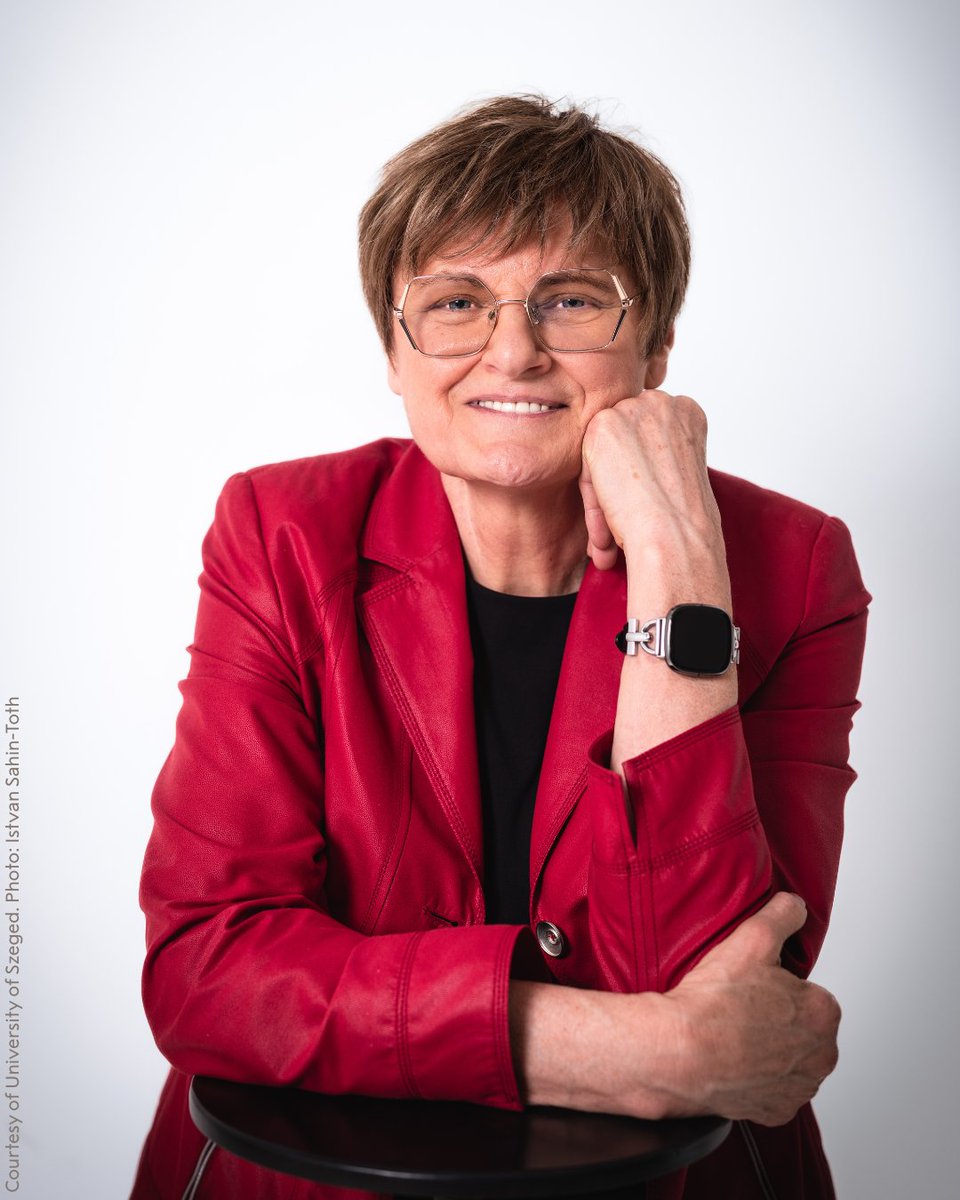
“Science is fun. To be a scientist, this is a fun job,” said medicine laureate Katalin Karikó.
She likened it to being a detective or an investigator trying to solve a crime. “But the end of it, you don’t find a perpetrator, you find a solution, and maybe that solution will help somebody,” she said.
Karikó’s pioneering research with her lab partner Drew Weissman was the foundation of the mRNA vaccines against COVID-19 and has paved the way for a host of treatments for cancer, HIV, malaria and other life-threatening diseases. They shared the 2023 medicine prize for their work.
For the @fancycomma blog, I wrote about how Epstein's desire to understand deception caught scientists in his web. https://t.co/v6yrddK4E5 #ScienceInTheEpsteinFiles