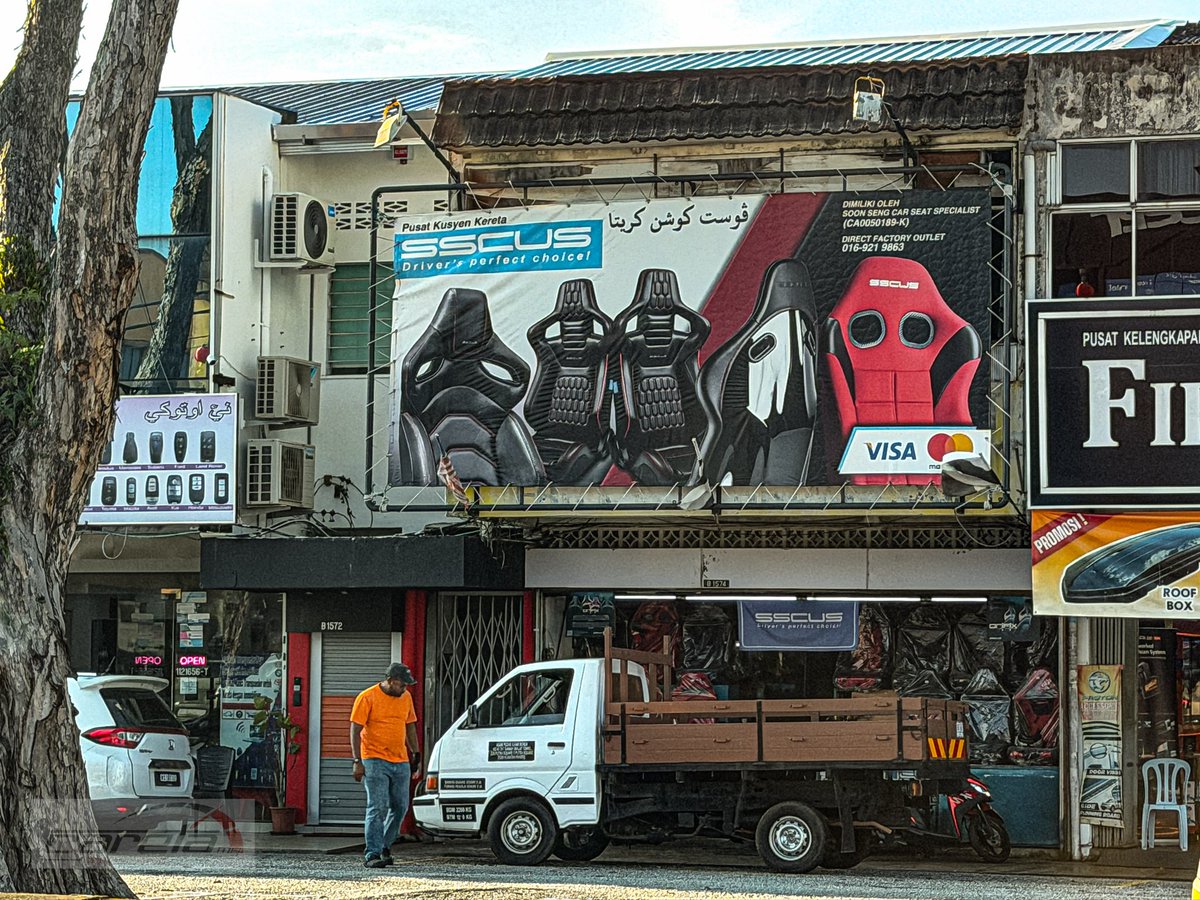
Sapa yang kenal seat kereta jenama SSCUS, ni la antara tempat permulaan dia.
Kedai abang dia di Kuantan di mana kaki kereta tahun 90-an buat port cari barang half cut.
Adik dia lepas tu start buat seat kereta, sampai sekarang. Mula-mula, kilang dia dalam deretan rumah kedai di Semambu.
Sekarang, kilang besor di Indera Mahkota.
Sscus punya font, dia tiru Porsche, dan job paling besar, dia supply seat untuk satu tuner famous di Jepun.
Sampai sekarang Sscus supply seat untuk tuner-tuner kereta di Eropah.
Aku cover sejarah company ni zaman aku kerja kat NST lagi.
Dah nak masuk bulan puasa ni, antara item yg bakal dicari adalah frozen food.
Bila cerita pasal frozen food, ada satu company ni buat boring business tapi compounds quietly.
Start tahun 1970 dulu as family business, FY2024 performance:
Revenue: ~RM317 juta
Market Cap: ~RM700 juta+
Market Presence: 40+ countries
🧵 kawan kita. Kawan Food Bhd
"Why does our top performer get the worst reviews?" the boss asked.
I was reviewing their annual performance data.
"Show me," I said.
She pulled up the ratings.
Diana: 2.8 out of 5.
Below average on "collaboration."
Low marks for "team player."
"What's her actual performance?" I asked.
"Exceeded every target.
Landed our biggest client.
Trained three new hires."
"So why the low scores?"
"Her peer reviews are dragging her down."
I scanned the comments.
"Too direct."
"Challenges ideas too much."
"Not supportive enough."
"Let me talk to Diana," I said.
"I used to give honest feedback," Diana told me.
"Said our pricing model was broken.
Got dinged for 'negativity.'"
"What happened with the pricing?"
"They finally fixed it six months later.
After we lost two major accounts."
"What else?"
"I questioned why we needed
eleven approvals for a simple contract change.
Manager said I wasn't being collaborative."
"Are you still giving feedback?"
"No. I learned my lesson.
Now I smile. Nod. Say everything's great.
My reviews are improving."
"But nothing's actually improving?"
"We're making the same mistakes.
Just with better vibes." She chuckled.
I went back to the boss.
"Your review system doesn't measure performance," I said.
"It measures compliance."
"That's not true."
"When was the last time someone
got promoted for challenging bad ideas?"
Silence.
"When did someone get rewarded for preventing a mistake?"
More silence.
"You've trained your best people to stay quiet.
And your mediocre people to stay nice."
A few months later, they redesigned the system.
Added a category: "Constructive Challenge."
Points for identifying problems early.
Rewards for preventing costly mistakes.
Diana got promoted.
"What changed?" I asked the boss.
"We stopped confusing agreement with alignment.
Stopped mistaking silence for harmony."
"And?"
"Turns out our 'difficult' people
were our most valuable.
They actually cared enough to speak up."
Here's the truth about performance reviews:
Most companies don't reward performance.
They reward performance theater.
The person who says the meeting was great
beats the person who says it wasted an hour.
The person who agrees with bad ideas
beats the person who prevents disasters.
You think you're measuring contribution.
You're measuring conformity.
And your best people?
They've already figured out the game.
They're just deciding whether to play it
or find somewhere that values truth over comfort.
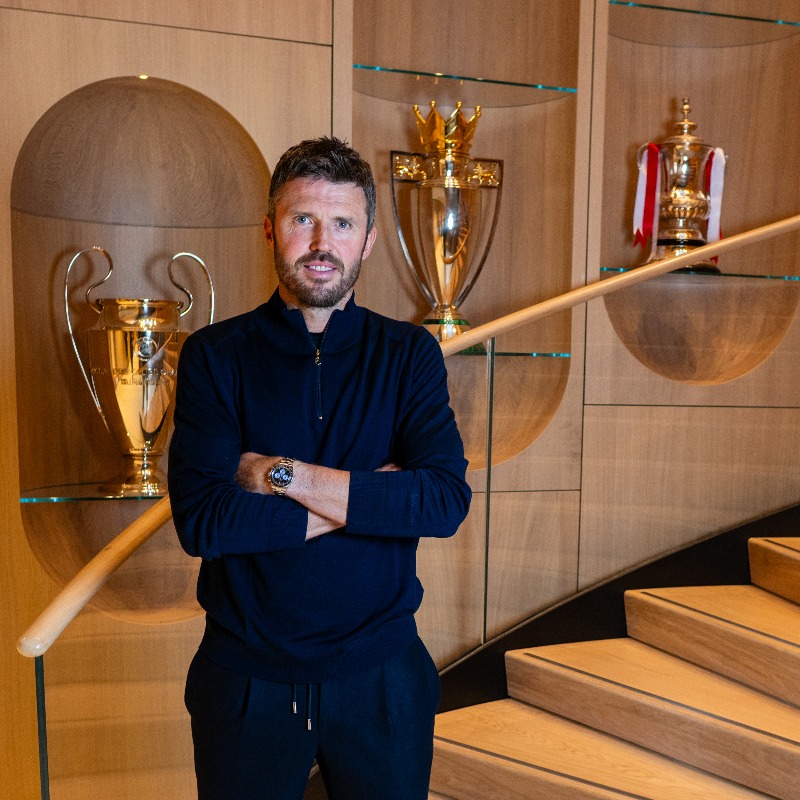
🚨 BREAKING: Michael Carrick signs in as new Manchester United caretaker manager until the end of the season.
Verbal agreement since yesterday, now sorted in all details + backroom staff also.
#MUFC official announcement to follow next.