South Africa's oldest & most trusted agricultural magazine. Bringing you the latest news, in-depth analysis & farming success stories. #FarmersWeeklySA
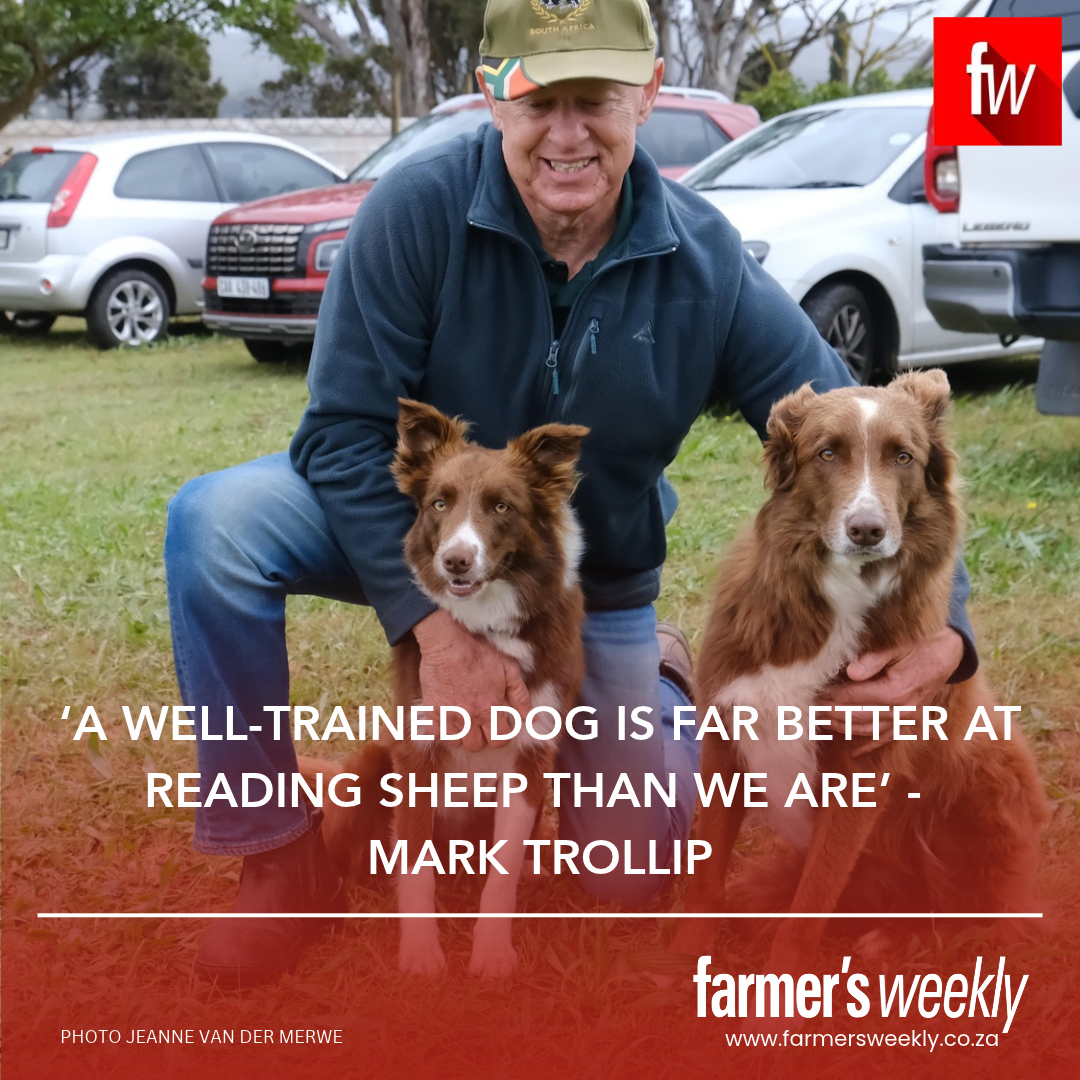
When Mark Trollip started farming sheep in Swellendam, Western Cape, he knew moving his flocks would be easy. A veteran sheepdog trainer, he’s competed in sheepdog trials for the better part of 30 years with 12 different dogs. He talks about his passion for sheepdogs and the role they play on his farm.
Read his story here: https://t.co/raXk45kTv3
Minister of Agriculture Willie Aucamp has committed his department to pursuing the classification of the Gamtoos Valley in the Eastern Cape as a disaster area, following a meeting with farmers and local authorities in Humansdorp and Patensie.
https://t.co/ep0Av8jNbf
Opening a discussion during AFMA’s 12th Animal Feed Conference, Nan-Dirk Mulder, senior global specialist in animal protein at Rabobank, said it’s becoming clear that forces currently in motion may have a major impact on the feed and food industries in the years ahead.
https://t.co/WYb8NycdB0
South African olive oil producers will increasingly have to compete on quality, freshness, and provenance as recovering global supplies drive international prices down and see the return of cheaper imported oils to local shelves.
https://t.co/JfFcDyIPZH
A bee colony can collapse suddenly, making it vital for beekeepers to recognise the warning signs and take preventative steps where possible to prevent losing their valuable colonies.
https://t.co/6vePaaTRRx
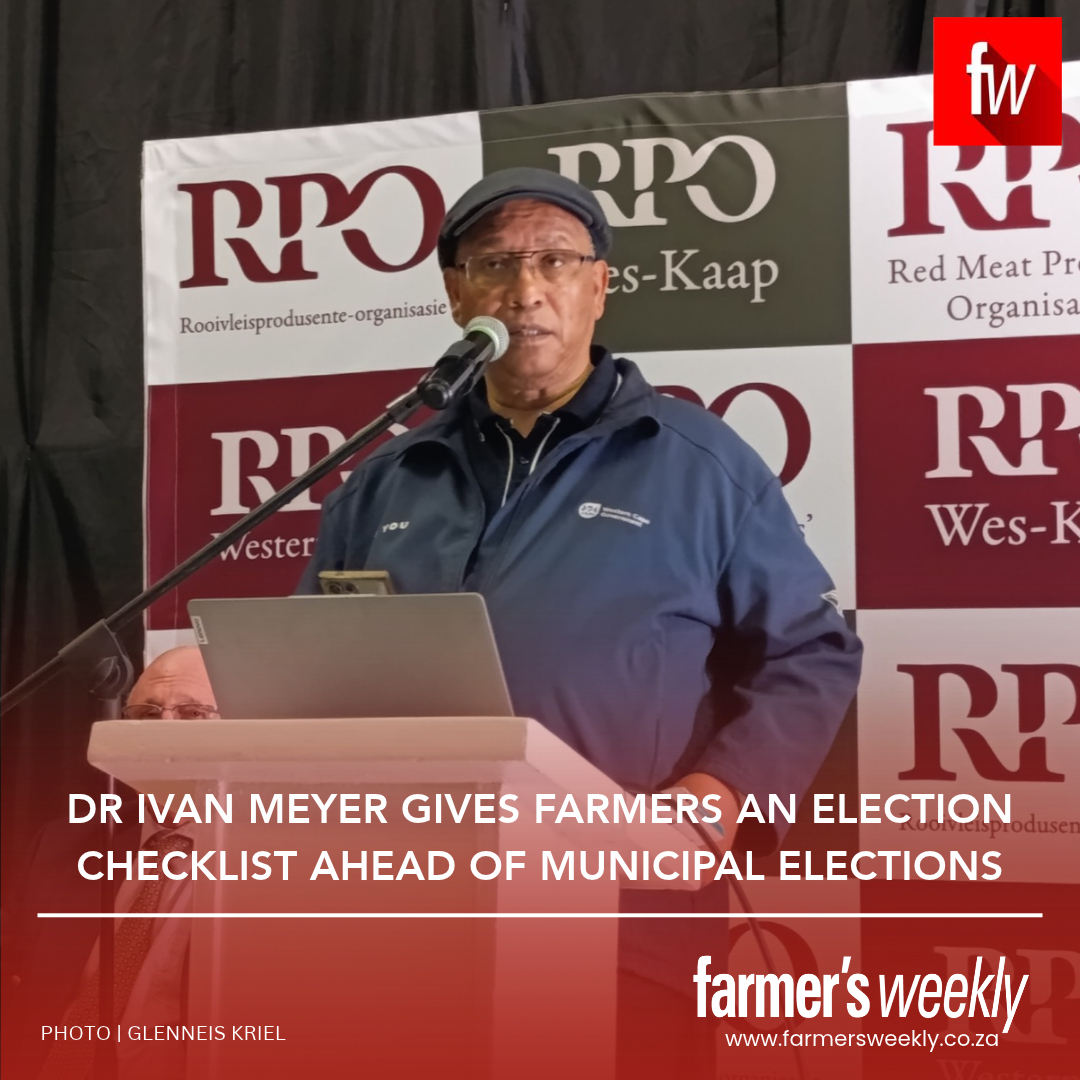
With local government elections fast approaching, Western Cape Minister of Agriculture, Economic Development and Tourism Dr Ivan Meyer has urged farmers to scrutinise municipal candidates on issues that directly affect agriculture before voting.
Read more: https://t.co/nYFLc2RZBz
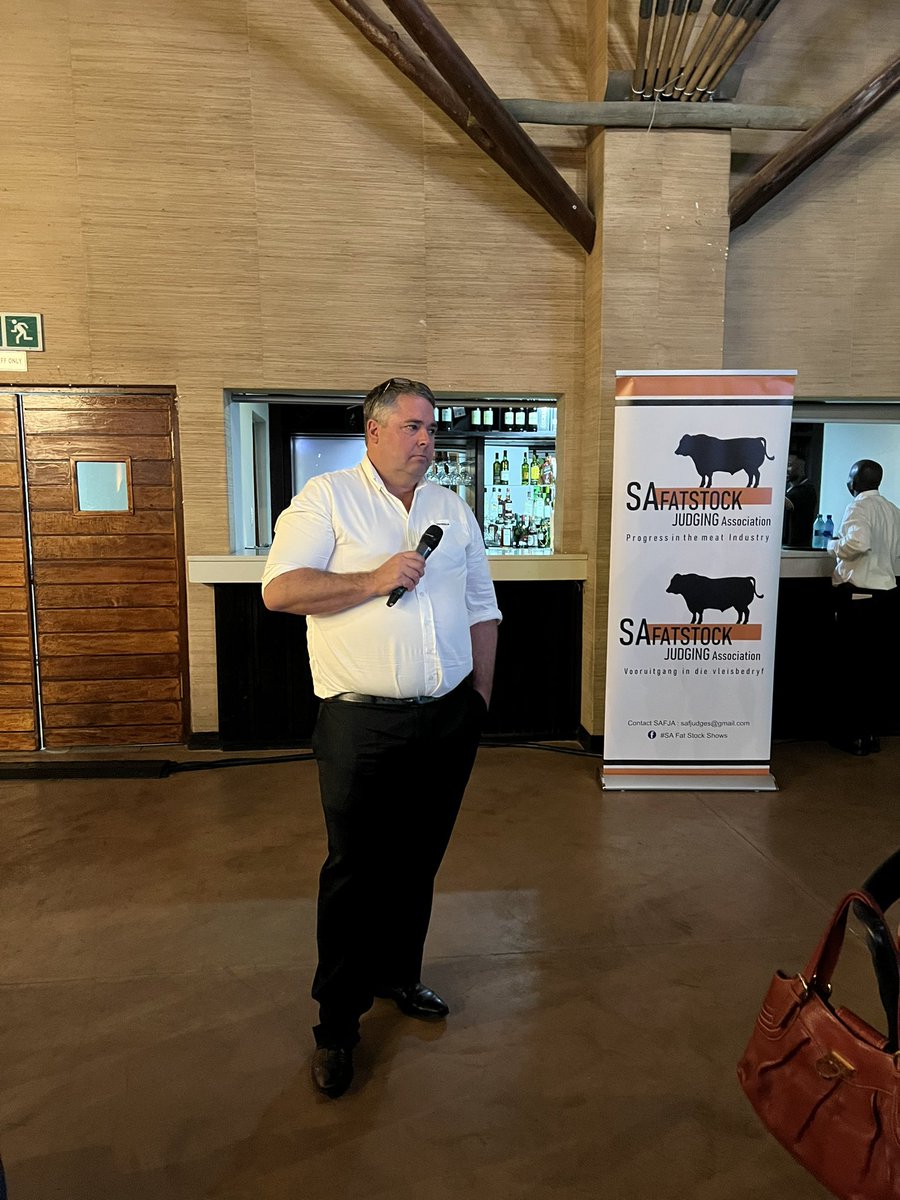
Affordability has helped introduce more South African consumers to pork, creating opportunities to grow domestic consumption, Berno Hambrock said during SAMIC’s 29th National Carcass Competition.
Hambrock said the pork industry had seen consumers start buying pork when prices were favourable and continue buying it after being exposed to the product.
According to Willem Wethmar, South Africa’s beef industry needs to produce for clearly identified markets if it wants to compete internationally.
Speaking during the Advancing efficiency: The carcass conversation at SAMIC’s 29th National Carcass Competition, Wethmar said South Africa could not compete with major producers such as Brazil on price alone, and needed to focus on product quality and the eating experience offered to consumers.
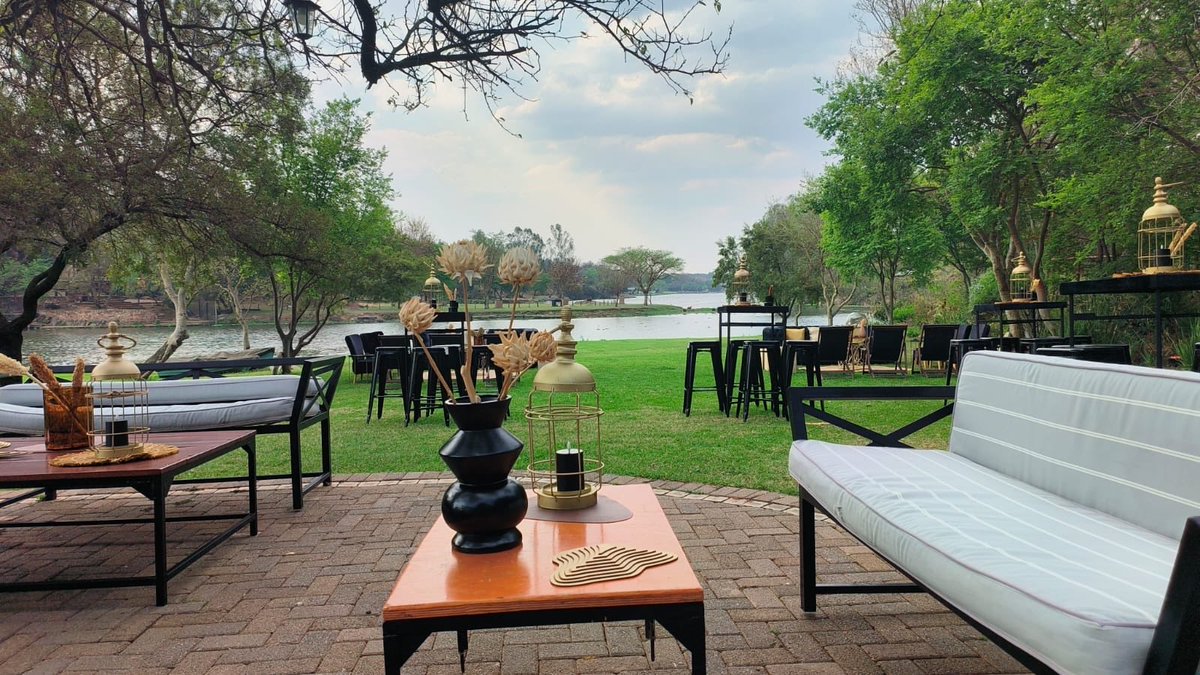
#FarmersWeeklySA is attending SAMIC’s 29th National Carcass Competition Meat Festival, where the national winners of the annual carcass competition are being recognised.
The competition evaluates carcasses across the lamb, goat, pork and beef categories, with the results providing producers with insight into carcass quality and how their animals meet market requirements.
The programme also includes discussions on carcass efficiency.
#FarmersWeeklySA
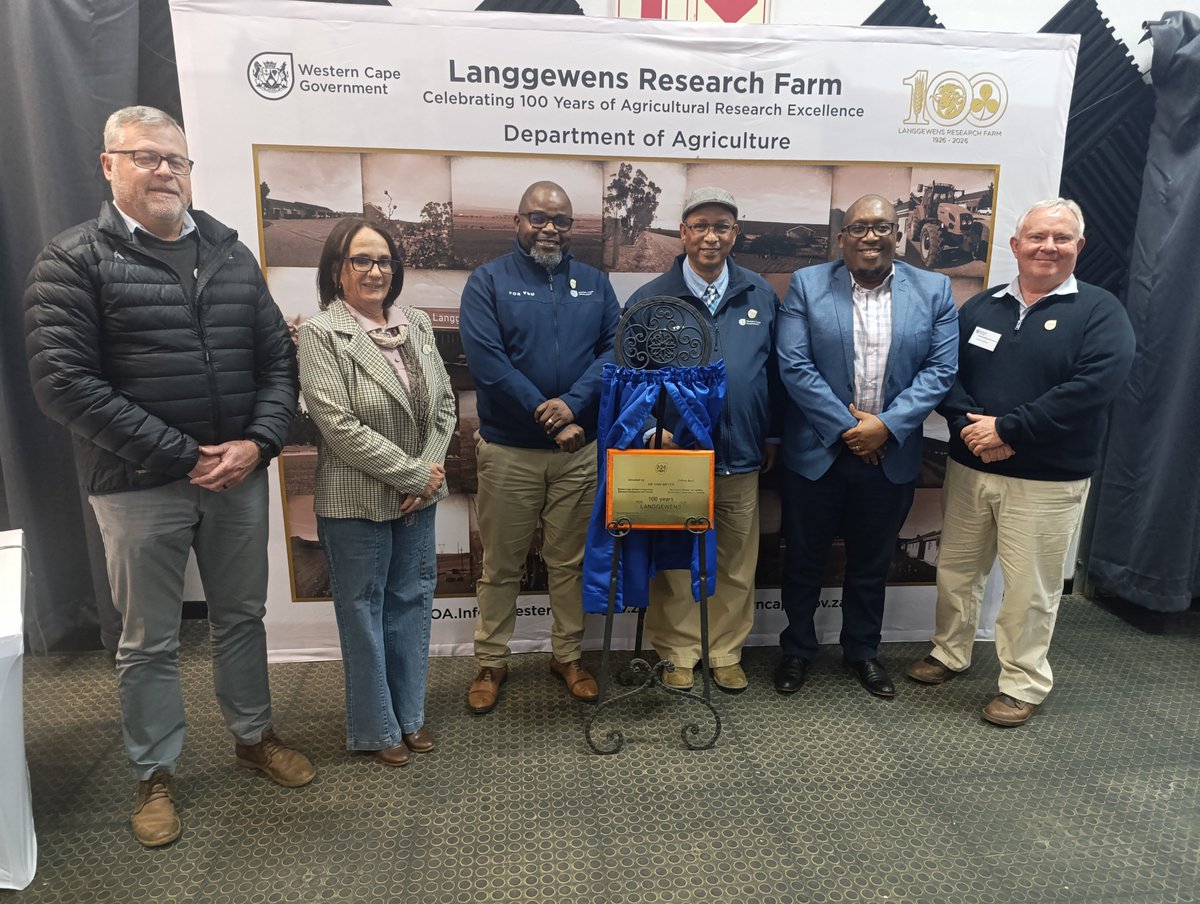
.@FarmersWeeklySA A special moment at Langgewens Research Farm’s centenary celebrations as a commemorative plaque was unveiled, marking 100 years of agricultural research excellence in the Western Cape. A century of research, innovation and support for farmers. #Langgewens100
100 years of research, lessons and innovation — and a book to commemorate the journey. @FarmersWeeklySA is at Langgewens Research Farm as it celebrates its centenary, reflecting on a century of turning science into practical knowledge for farmers. #Langgewens100#Agriculture
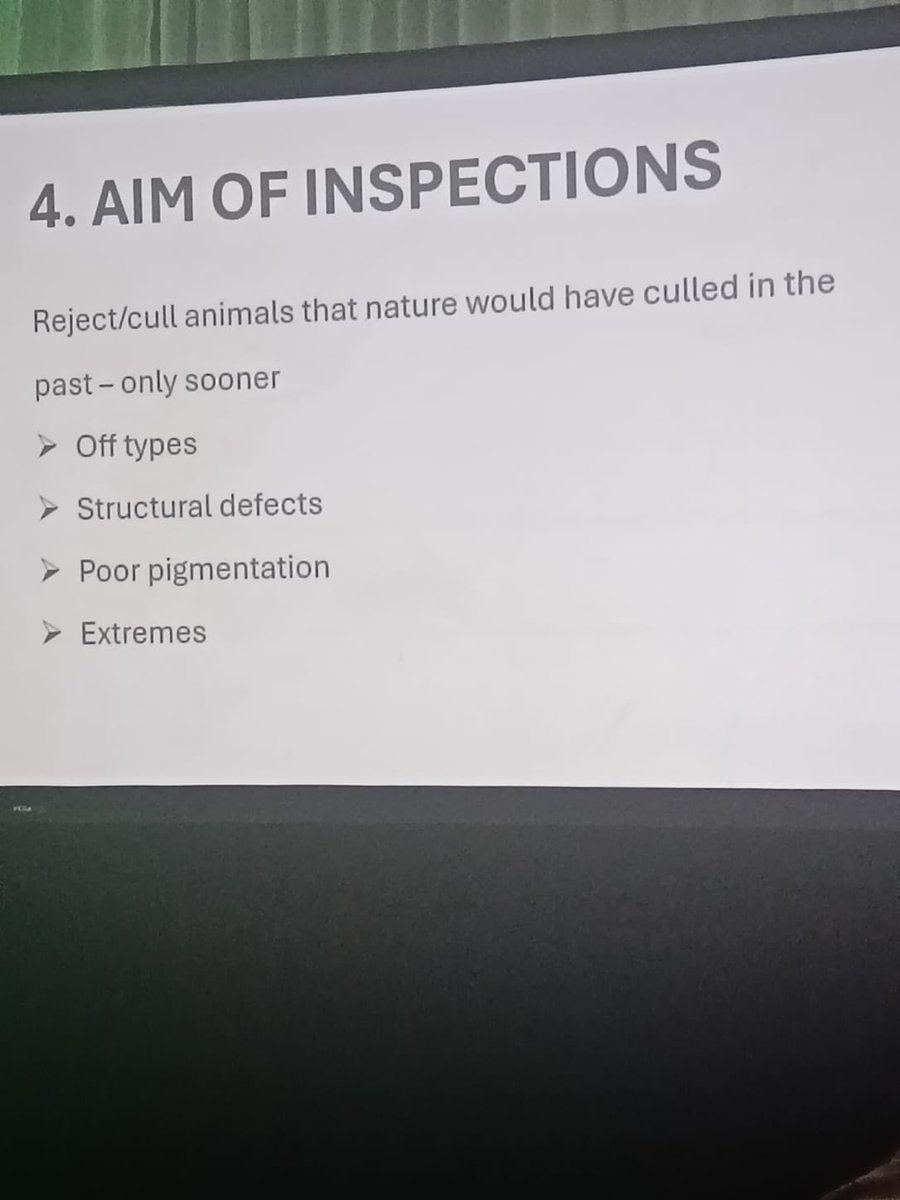
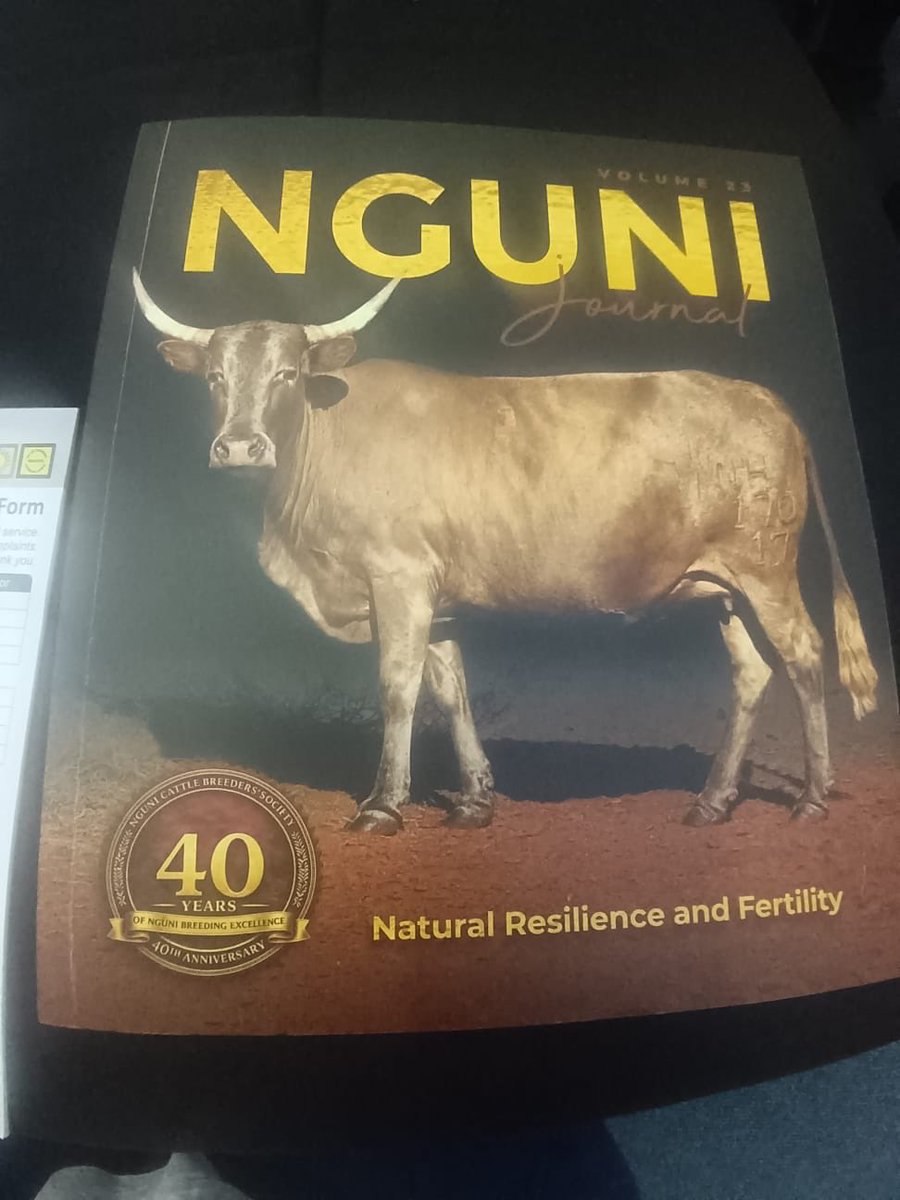
Nearly 2 000 Nguni cattle have undergone official inspections by inspectors of the Nguni Cattle Breeders’ Society of South Africa in 2026.
Dr Doug Reed said formal inspections were aimed at maintaining the quality of Nguni cattle, giving buyers and sellers greater confidence, and providing breeders with independent assessment and advice.
#FarmersWeeklySA is attending the 40th anniversary celebrations of the Nguni Cattle Breeders’ Society at Aldam near Ventersburg in the Free State.
Veterinarian and Nguni stud breeder Dr Doug Reed, from Mooketsi, told attendees that the breed has achieved a high level of uniformity since the formation of the society and the implementation of strict selection criteria.
Starting a beekeeping enterprise is less about buying the right equipment than learning to understand the colony. South African beekeeping development specialist Sidwell Banne says beginners should spend their first year learning to read bees, understand their environment, and know when to intervene, or when to leave the colony alone.
https://t.co/PpwIRq08I6
Farmers need to shift their focus from maximising production to maximising profit as tightening margins leave increasingly little room for financial inefficiency, according to Dawie Maree, head of FNB Agriculture.
https://t.co/H0YKeyXmfe
Did you know your field data can guide better nutrition decisions before, during and after the season?
By combining soil analysis, field zoning, crop monitoring and agronomic expertise, Omnia helps turn data into practical recommendations for each part of your field.
Better information. More precise decisions. Stronger potential, zone by zone.
Ask your Omnia Nutriology specialist how.
Read more: https://t.co/8UwpoGzRMK
#sponsored
.@FarmersWeeklySA Congratulations to Denise Bergman of Het Vlock Casteel in Riebeek Kasteel on being named the Best Agri Worker at the #SAOliveAwards. 🫒
This award is a wonderful recognition of your hard work, dedication and contribution to South Africa’s olive industry.
.@FarmersWeeklySA Congratulations John Scrimgeour on receiving a Lifetime Achievement Award at the #SAOliveAwards. 🫒
A well-deserved recognition of a career dedicated to SA's olive industry. Here’s to the knowledge, passion and lasting impact you’ve shared along the way.
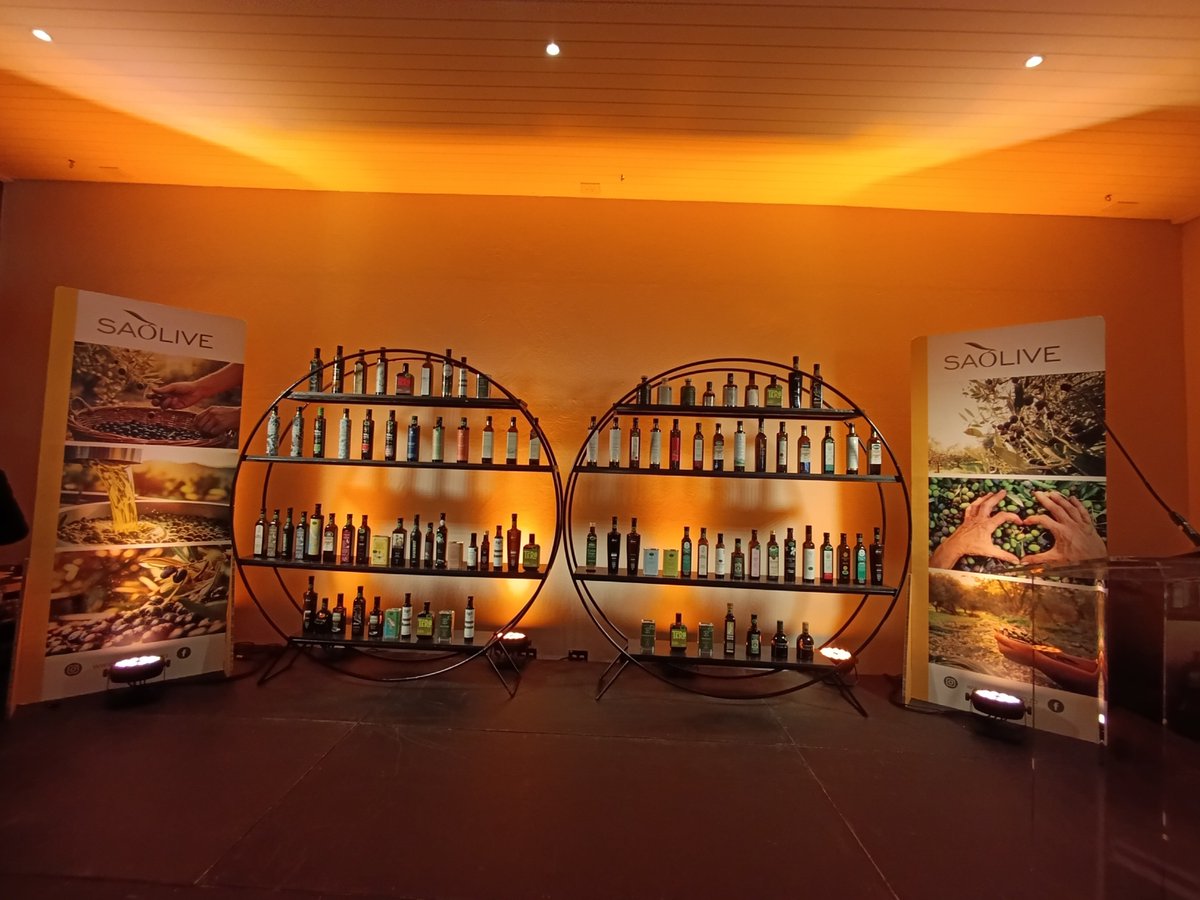
.@FarmersWeeklySA is on the ground at the #SAOliveAwards at Grande Roche in Paarl! 🫒
The excitement is building as South Africa’s top olive producers wait to see who takes home the honours.
Good luck to all the participants!
According to statistics presented by Louw, South African canola plantings increased from 34 000ha in 2010 to approximately 192 300ha in 2026, with around 188 000ha of the total grown in the Western Cape.
Le Roux said the crop had undergone a remarkable transformation.
https://t.co/LyrzpT572Q