South Africa's oldest & most trusted agricultural magazine. Bringing you the latest news, in-depth analysis & farming success stories. #FarmersWeeklySA
South Africa’s macadamia industry could face devastating production and employment losses if the spread of macadamia felted coccid (MFC) is not brought under control. Severely infested trees can lose more than 80% of their canopy, while rehabilitation can keep them out of production for up to eight years.
https://t.co/rkqUhx2Lg5
Water-security advocates in Namibia are considering legal action against permissions granted to a Namibian-registered company, owned by a subsidiary of Russian nuclear power parastatal Rosatom, to resume research drilling for proposed uranium mining in the Stampriet Artesian Basin, the only reliable water source for central and south-eastern Namibia.
https://t.co/D3CDpIryXw
More than 30 years into democracy, why are so many black farmers still struggling to become commercially successful?
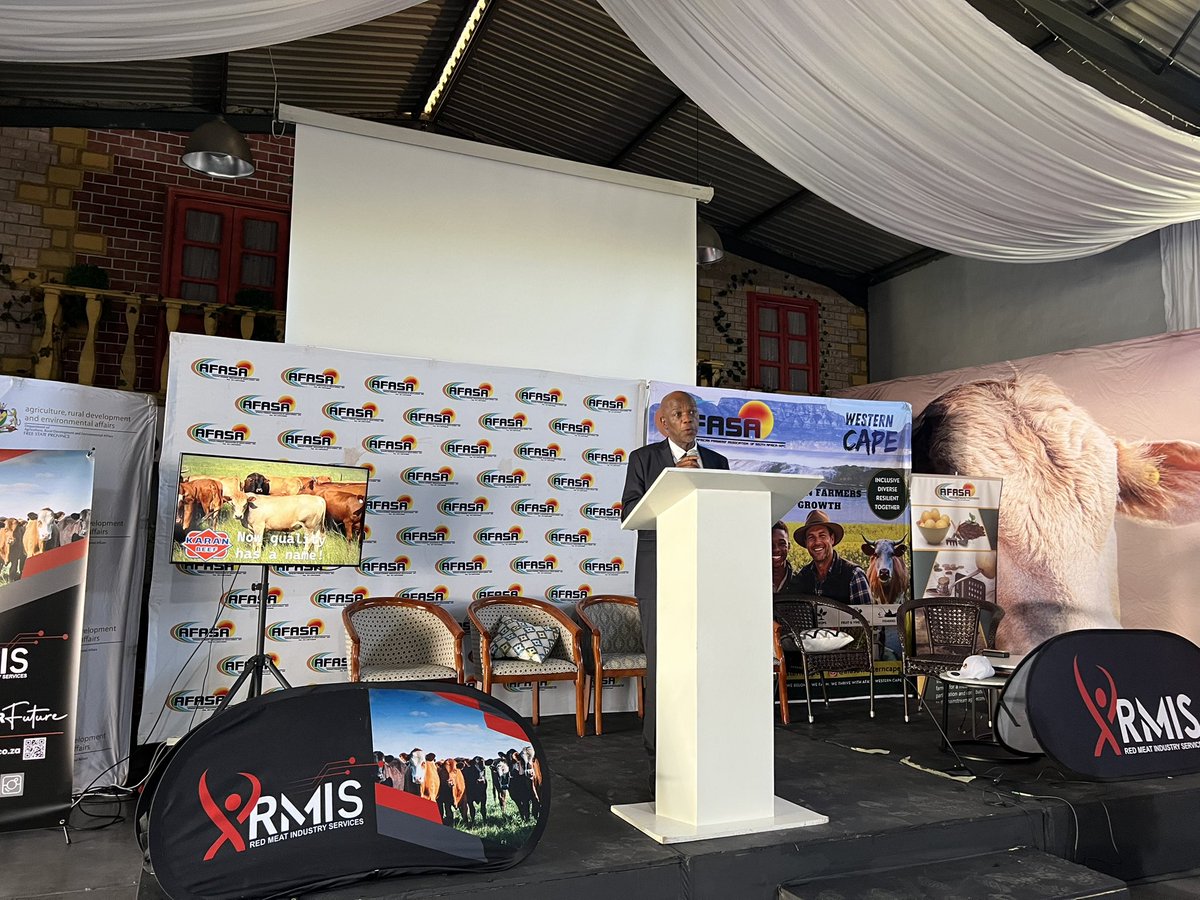
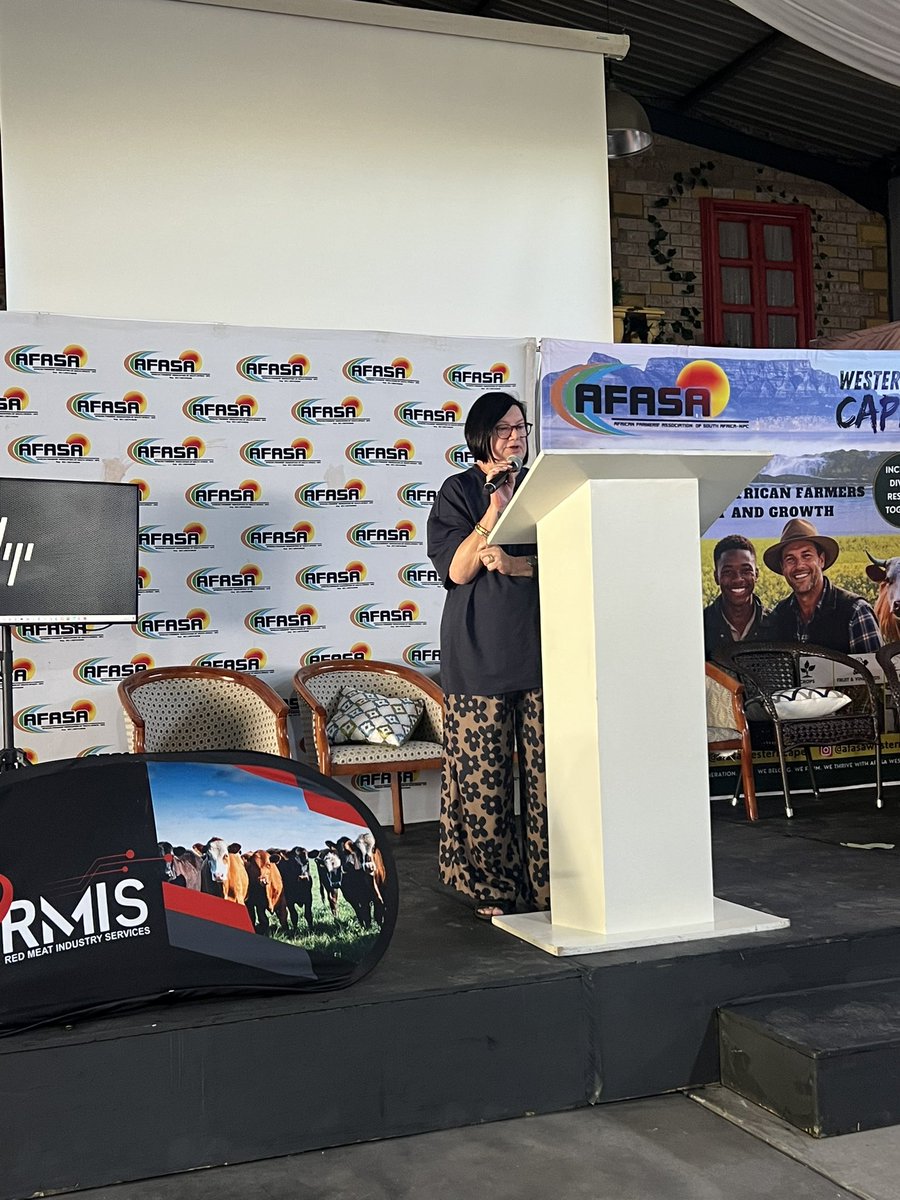
Free State MEC for Agriculture, Rural Development and Environmental Affairs Elsabe Rockman raised this question during her address at the African Farmers’ Association of South Africa (AFASA) National AGM in Sasolburg today.
Rockman said land reform needed to go beyond transferring land, with farmers requiring secure tenure, water rights, infrastructure, finance and access to established markets to build sustainable agricultural businesses.
She also raised concerns about delays in agricultural disaster funding, particularly during foot-and-mouth disease outbreaks, and disruptions to the Land Bank’s Blended Finance Scheme that have affected farmers during the planting season.
Rockman called for greater accountability from government and stronger participation by banks, agribusinesses, processors and retailers in bringing black farmers into established agricultural value chains.
She acknowledged shortcomings in government support programmes, arguing that agricultural transformation should be measured by tangible improvements in farmers’ livelihoods and commercial independence, rather than programme targets alone.
Rockman also emphasised the importance of partnerships between government and organised agriculture, including AFASA, and urged farmers to unite behind a common vision for the sector.
#FarmersWeeklySA
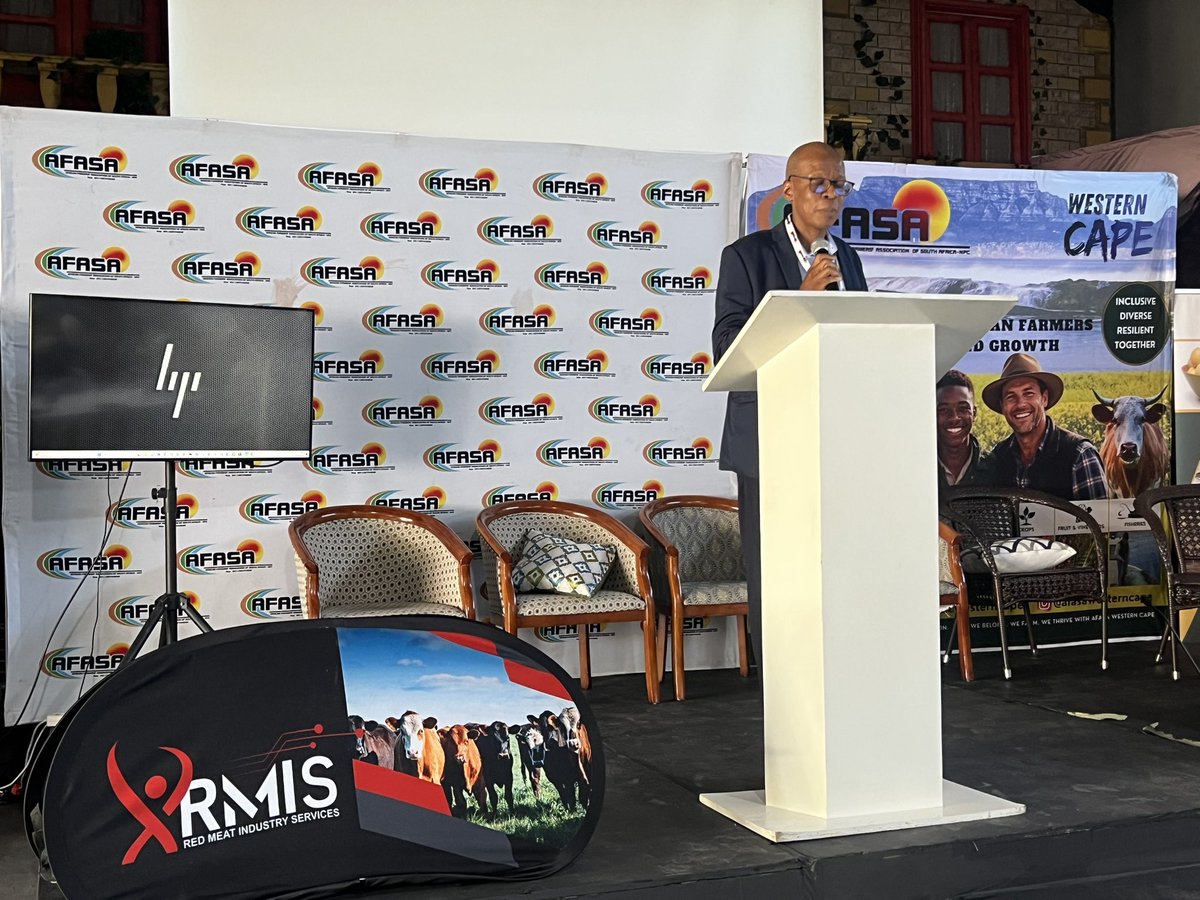
South Africa needs to accelerate agricultural transformation by addressing the barriers preventing black and smallholder farmers from becoming commercially competitive, according to Department of Agriculture director-general Mooketsa Ramasodi.
Speaking at the AFASA National AGM in Sasolburg, Free State, today, Ramasodi said black producers still accounted for less than 15% of the country's agricultural output, despite commitments made through the Agriculture and Agro-processing Master Plan.
He identified limited access to land, affordable finance, markets, modern technology and effective farmer support as major obstacles to commercial growth.
Ramasodi highlighted government's programme to release approximately 2,5 million hectares of state-owned agricultural land to black farmers, including efforts to provide title deeds to eligible beneficiaries.
He also discussed the Blended Finance Scheme and government's commitment to expanding agricultural extension services. An additional R1,5 billion has been allocated over three years for extension officers, with Ramasodi saying the funding would help advance the longstanding target of 10 000 officers.
Market access was another priority. Ramasodi urged farmers to identify buyers and understand market requirements before planting, emphasising the importance of producing for established markets.
Ramasodi stressed that meaningful agricultural transformation would require sustained cooperation between government, financial institutions, organised agriculture and farmers.
AFASA is holding its two-day National AGM in Sasolburg, Free State, on 19 and 20 November, under the theme “Together We Shape the Future of South African Agriculture”.
The programme includes discussions on farmer support and inclusive agricultural growth, water access and licensing, land reform and the issuing of title deeds, as well as AFASA’s role in shaping the future of the sector.
Addressing delegates at the opening of the AGM, AJ Mthembu, president of AFASA, emphasised the importance of recognising change and adapting to different seasons in agriculture.
“You are farmers, you know there are seasons, and it’s always important to align yourself with the seasons,” he said.
Mthembu encouraged delegates to reflect on the current state of agriculture, understand what the sector needs and work together towards a common purpose.
The AGM brings together farmers, government representatives and agricultural stakeholders to discuss key issues affecting South African agriculture.
A 12-month pilot at six correctional centres aims to grow more food and give low-risk offenders practical farming skills. The crops, participant numbers, and qualifications on offer will only be decided once each prison farm has been assessed.
https://t.co/0cMSRolbKI
Emerging farmers in the Eastern Cape are gaining practical skills in Savanna goat breeding, animal selection and flock management. A two-day course at Glenrose Farm focused on helping farmers improve breeding decisions and livestock production. https://t.co/INADW91Y2V
South African land reform beneficiaries are set to receive more coordinated support to develop viable agricultural and rural businesses under a new R2 billion government programme aimed at moving beyond land allocation towards sustainable livelihoods.
Read more: https://t.co/RQcwF5Th5x
Years of experience, careful fibre preparation, and a commitment to quality have earned Angora farmer Lloyd Short, owner of Borden Farming in Robert Sobukwe Town, first place at the 2026 Daïdoh Championship Mohair Awards.
https://t.co/z63ApMofBJ
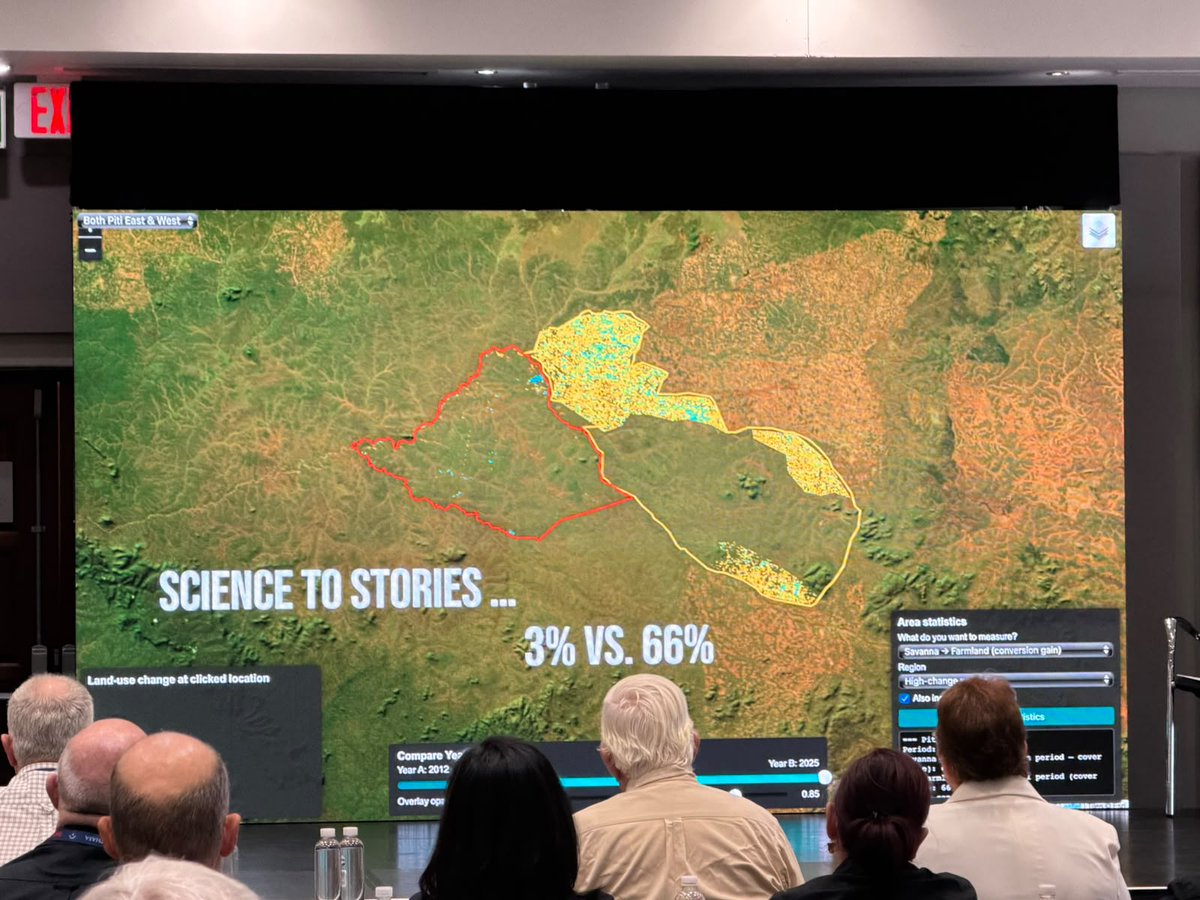
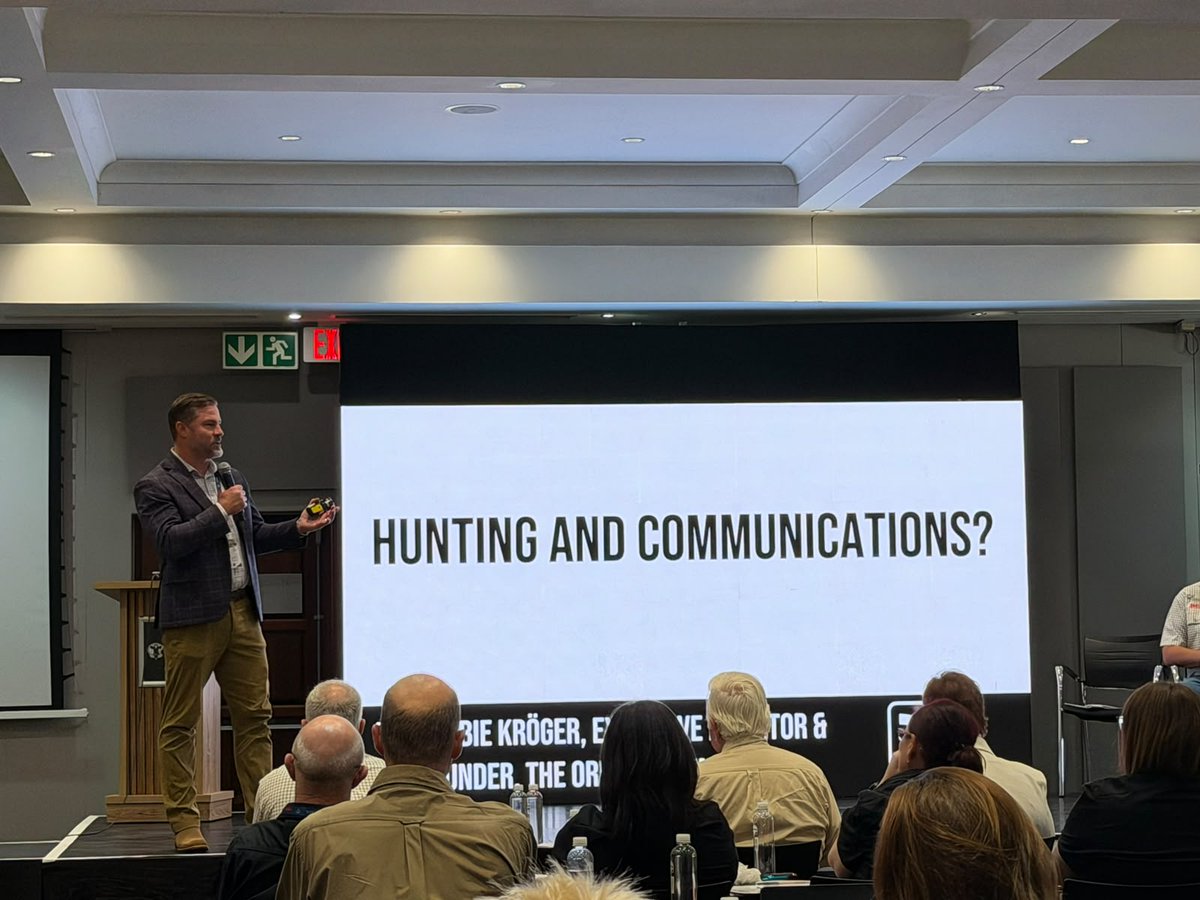
A Tanzanian hunting concession reportedly experienced 67% habitat change after hunting ceased, compared with far less change in a neighbouring active concession.
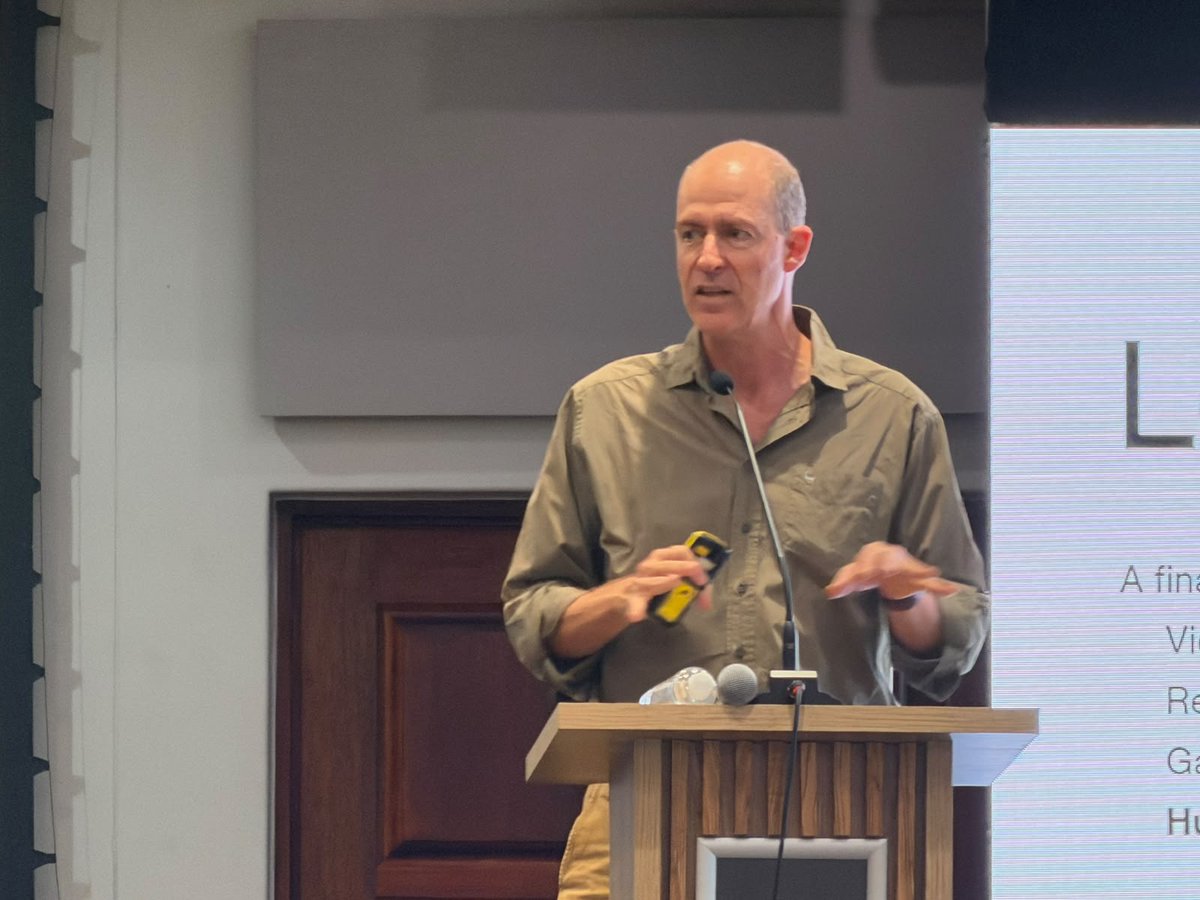
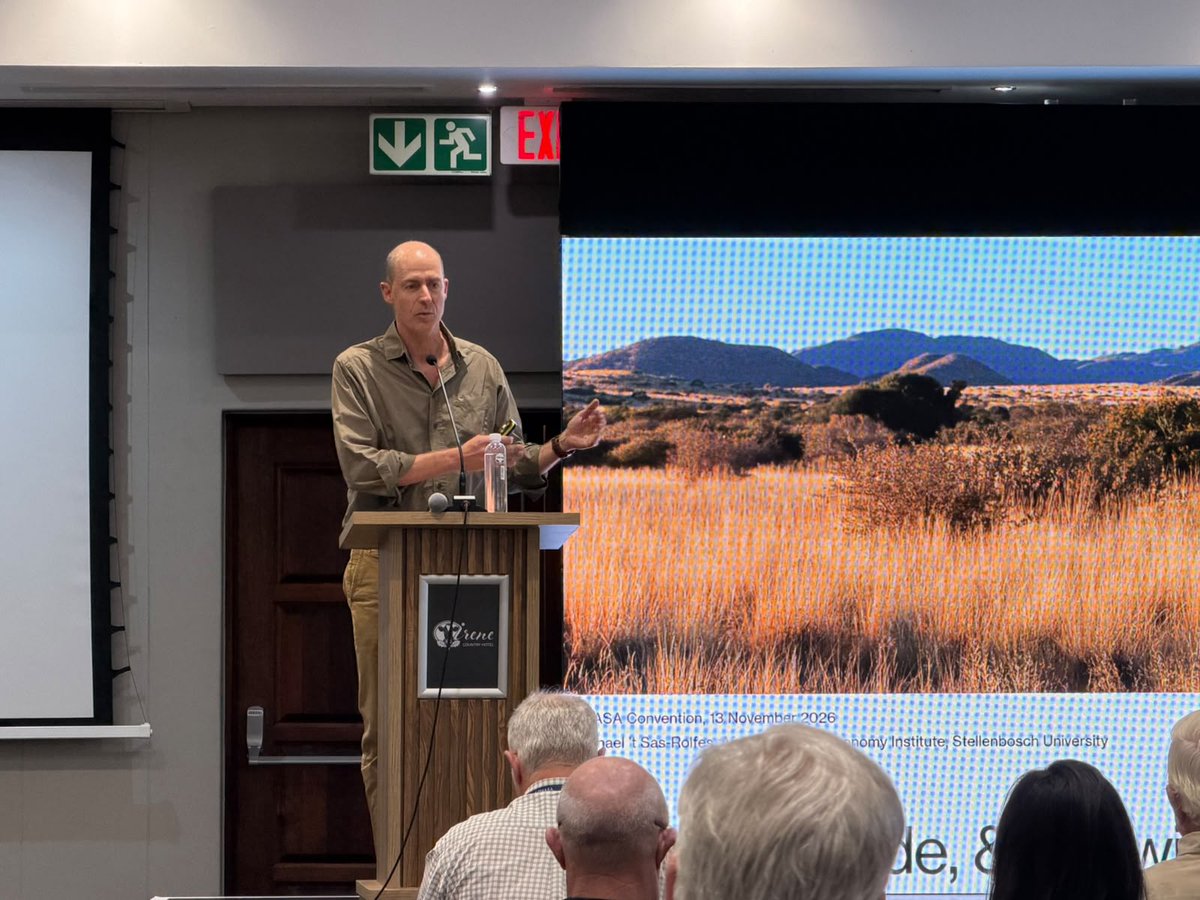
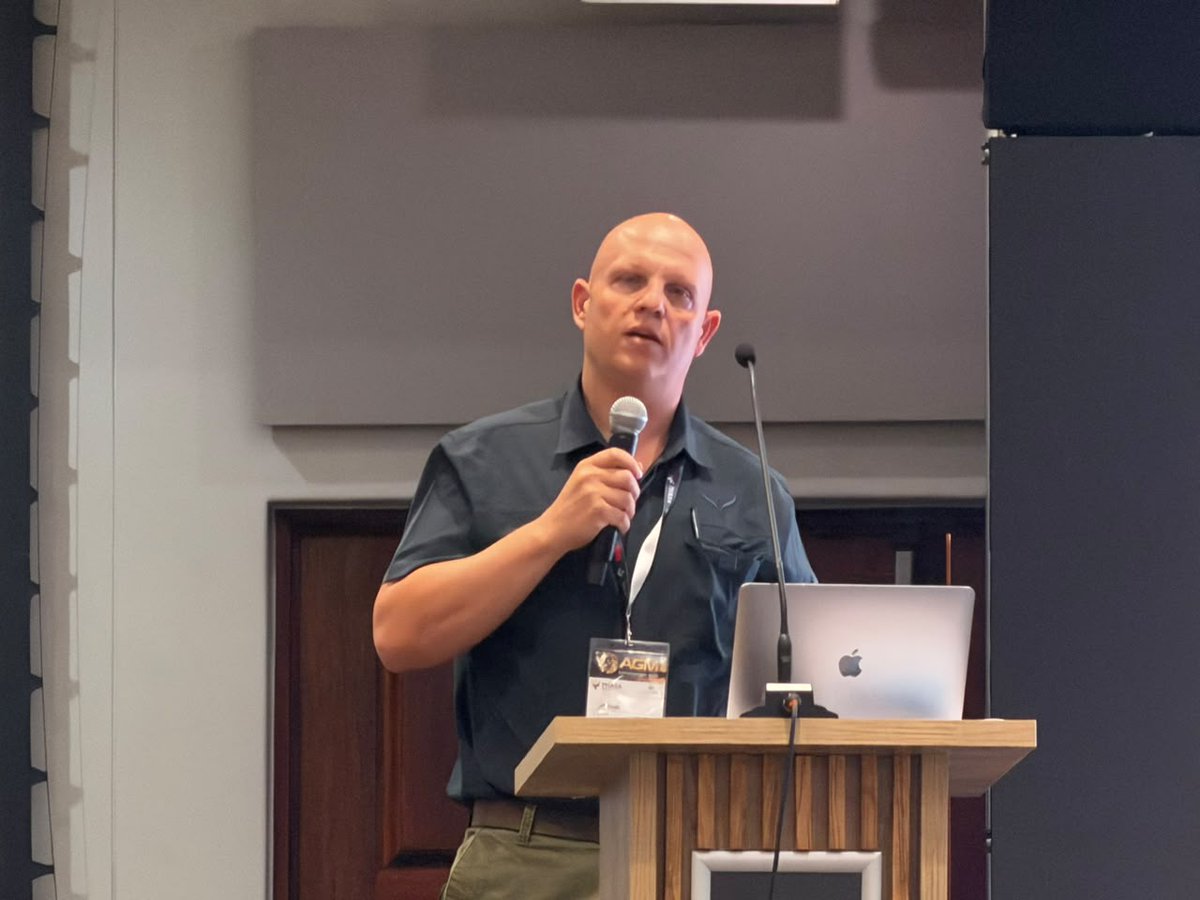
Robbie Kroger of Blood Origins presented the comparison at the PHASA AGM Convention.
Wildlife trade bans do not always deliver better conservation outcomes, researcher Michael ’t Sas-Rolfes told the PHASA AGM Convention.
He argued that private ownership, economic incentives and carefully managed hunting can support wildlife protection.
Average male trophy prices across Wildswinkel’s dataset rose 14% in 2026 compared with 2025.
JP Smit told the PHASA AGM Convention that rising game prices and operating costs could challenge South Africa’s hunting competitiveness.
Dallas Safari Club says it is seeking US diplomatic engagement over proposed hunting trophy import restrictions in France, warning of wider consequences for hunting and conservation.
The organisation addressed the PHASA AGM Convention in Centurion.
African hunting outfitters are facing US visa refusals that could restrict their access to major international hunting trade exhibitions, SCI representative Laird Hamberlain told the PHASA AGM Convention in Centurion.
SCI says it is working to address the issue.
PHASA president Eardley Rudman has highlighted the importance of sustainable wildlife utilisation, conservation and the rural livelihoods supported by the industry.
He was addressing delegates at the PHASA AGM Convention in Centurion.
Omnia Holdings maintained a strong financial position in the six months ended 30 September 2026, but the group expects softer crop prices, elevated input costs, and the prospect of drier conditions to affect business for the remainder of the year.
https://t.co/UQTEcwm63s
At the pre-exhibition press conference for EIMA International 2026, FederUnacoma President Mariateresa Maschio and Director-General Simona Rapastella outlined the pressures facing the global agricultural machinery market and why the exhibition is placing renewed emphasis on innovation, investment, and international business.
https://t.co/VlIcBsas7z
South Africa’s avocado industry is producing more fruit, but rising costs, volatile export prices, and increasing international competition are putting pressure on farmers’ returns.
https://t.co/rEhk9JMuwt
Farmers can use a range of specialised digital applications and technologies to monitor crop health, improve productivity, and manage their farms more efficiently. These tools provide valuable information that helps farmers make informed decisions and reduce losses.
https://t.co/x2nmrQwPLC
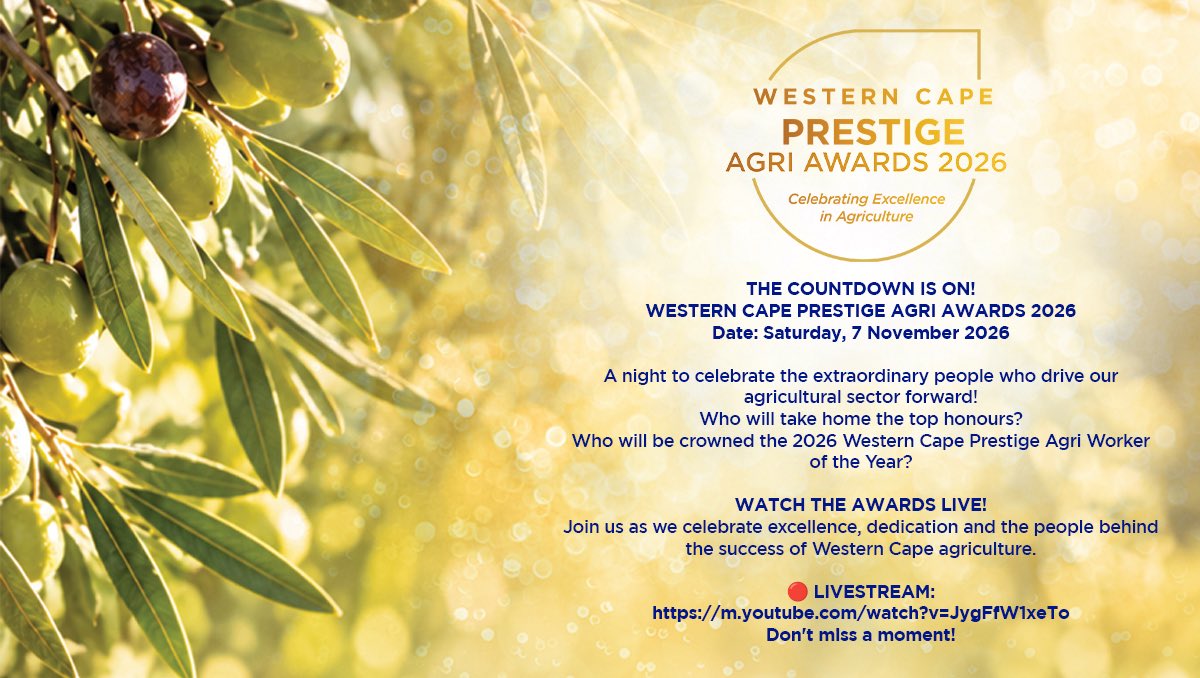
[TUNE IN📲] Tonight, we celebrate the remarkable people behind Western Cape agriculture! 🌾
Who will be crowned the 2026 Western Cape Prestige Agri Worker of the Year?
🔴 Watch LIVE: https://t.co/M1lreeqa0K
#WCPAA2026#AgriExcellence#ForTheLoveOfAgriculture🌱