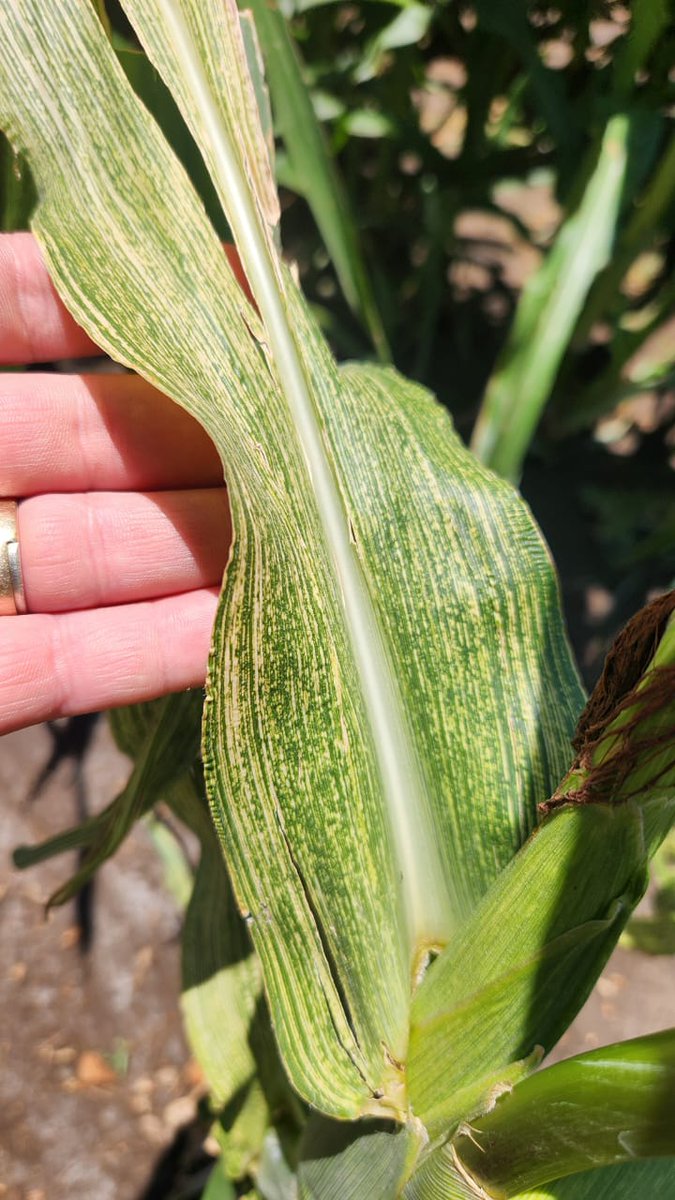
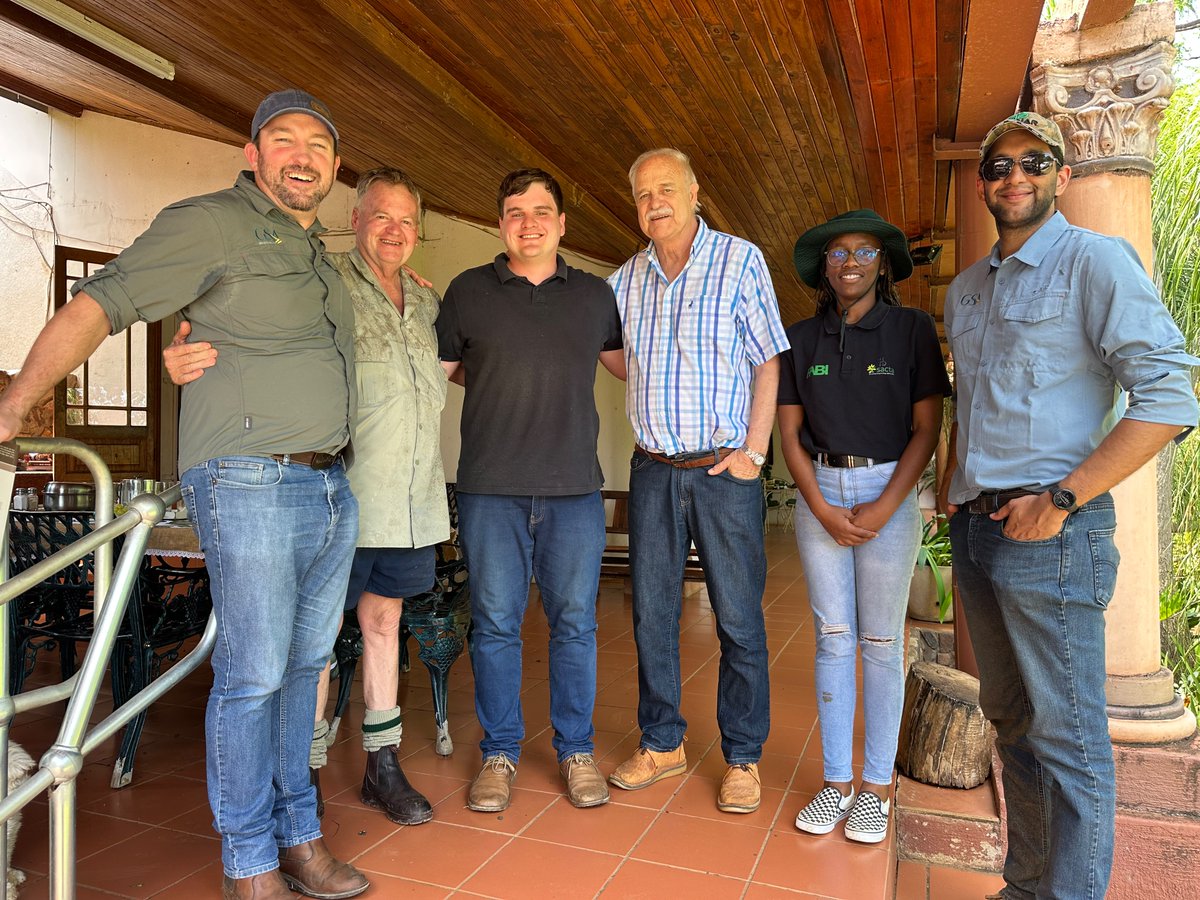
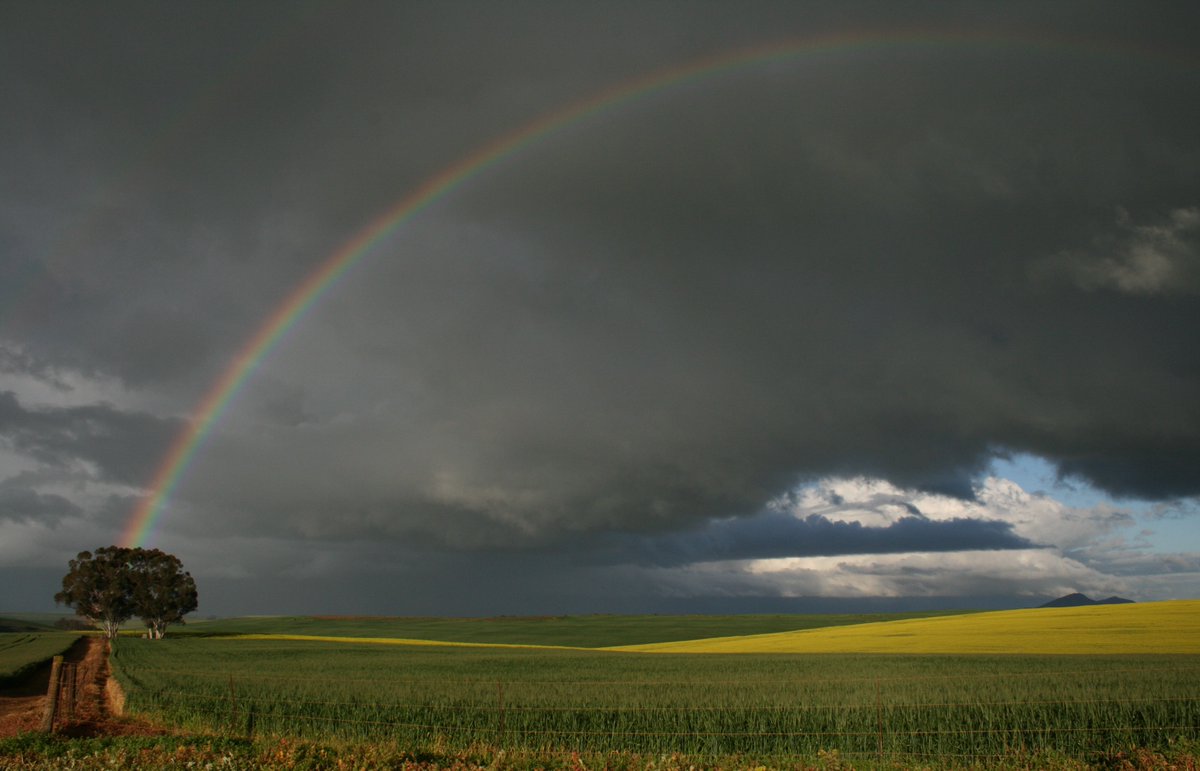
Grain SA's Mike Ellis and Trystan Nadasen recently joined colleagues from University of Pretoria (FABI @Fabiteam1) diagnostic Clinic on a farm visit with Joseph and Neels Swanepoel.
Discussions focused on the growing impact of Maize Streak Virus (MSV) on local irrigation farmers and possible solutions, including the potential breeding of fast growing MSV-resistant cultivars.
Working together starts with listening.
#GrainSA #MSV #GSAResearch #ProducerEngagement #OnTheFarm #FABI #Agriculture
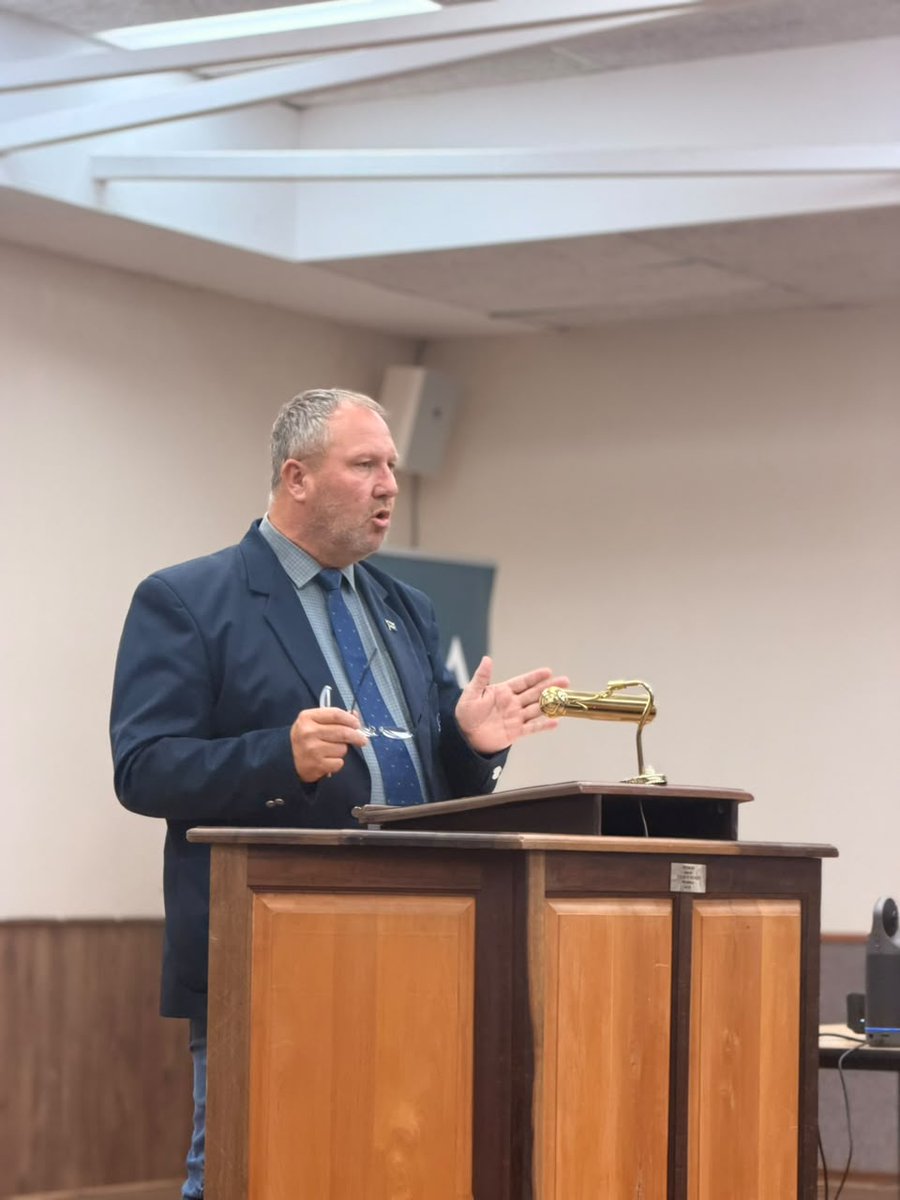
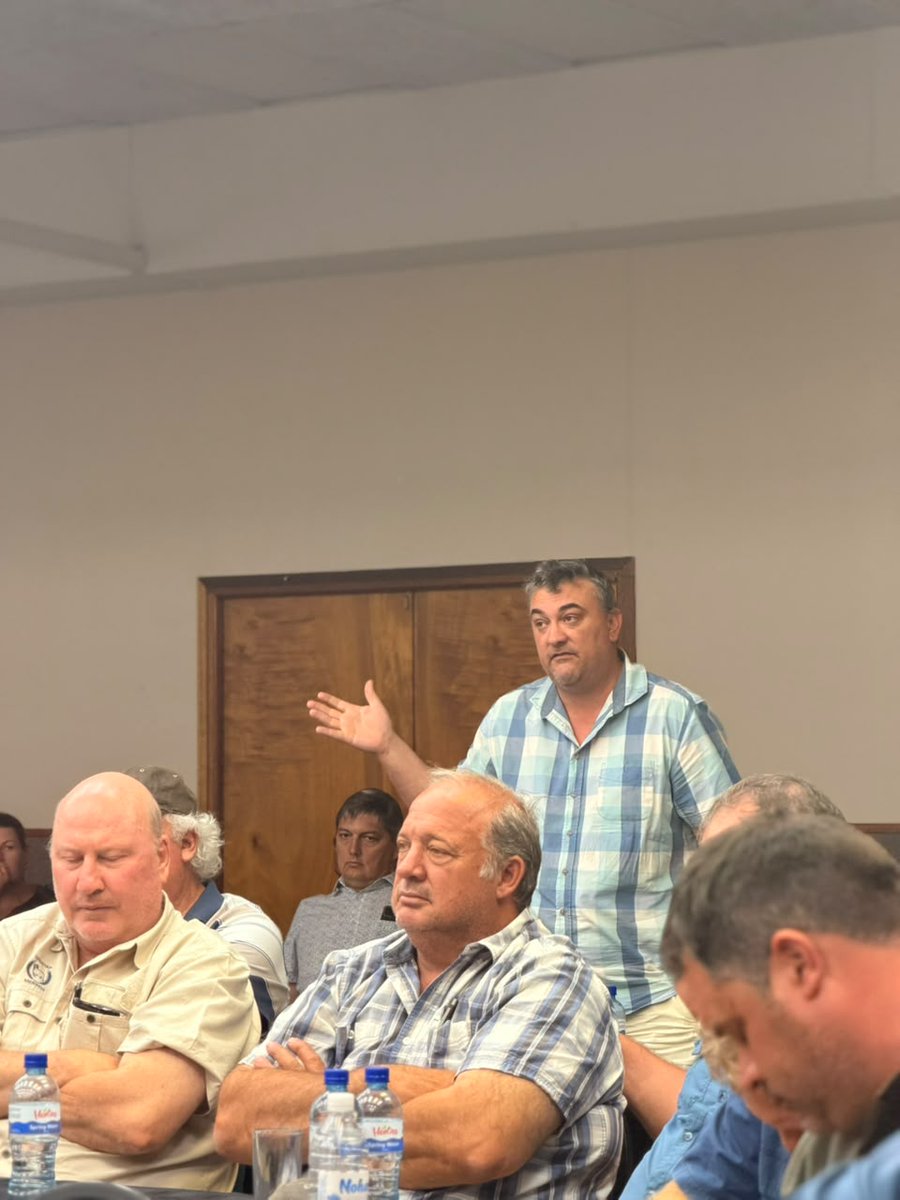
Hierdie week het Graan SA die produsente van die Swartland besoek te midde van die uitdagende omstandighede waarin koringprodusente hulself tans bevind.
Met die Wes-Kaap wat sowat 60% van Suid-Afrika se koring produseer, is dit noodsaaklik dat daar daadwerklik gewerk word om die uitdagings in die bedryf aan te spreek en volhoubare oplossings te vind.
Tydens die gesprek is daar ook terugvoer gegee oor Graan SA se huidige betrokkenheid en werksaamhede. As ’n ledegedrewe organisasie is hierdie gesprekke onontbeerlik. Dit gee lede die geleentheid om die organisasie verantwoordbaar te hou, insette te lewer en rigting aan te dui oor waar personeel se tyd en aandag die grootste verskil kan maak. Van die kern kwessies wat verdere aandag moet kry is die invoertarief en liggingsdifferensiaal.
#GraanSA #GrainSA #Swartland #WesKaap #Koringproduksie #Koringprodusente #Landbou #VolhoubareLandbou #AgricultureSA #FarmersVoice
@Wheat producers can no longer wait ! SA's 2026 wheat harvest is expected at 1.81m tonnes lowest in 8 years.Yet local wheat has 38% higher baking value than imports,but farmers are paid∼11% LESS.@GrainSA calls for urgent action https://t.co/o4apfMao1R #FoodSecurity@gsafarmerdev
Wheat producers cannot wait. 🌾 Grain SA calls for urgent financial support, fair remuneration for local wheat and structural reform to protect South African production.
https://t.co/dEfY8kQKbX
What support would help your next farming decision? Consider local conditions, a realistic budget and suitable advice. Developing grain farmers can explore @gsafarmerdev training and mentorship opportunities and criteria.
Grain SA’s September 2026 Barometer shows cautious optimism among respondents, with continued financial pressure. It helps explain the start of our food chain. Actual harvests and supply-chain conditions also matter for food availability and prices.
Farm investment helps maintain future production. Grain SA’s September 2026 investment confidence was 22.9, up from 19.0 in June. It remained low, signalling caution. The reading alone does not establish that a food shortage is expected.
#GrainSA#AgriculturalInvestment #FoodSupply
Weather affects harvest volumes as well as prices. Grain SA’s September 2026 Barometer recorded producers’ expectations, not a grocery-price forecast. Lower yields can reduce farm income even when grain prices rise.
#GrainSA#WeatherAndAgriculture#FoodPrices
Grain SA’s long-term outlook rose from 18.8 in June to 27.1 in September 2026, up 8.3 basis points. Producers remained cautious about the years ahead.
💪What would strengthen your confidence to plan beyond one season?
In Grain SA’s September 2026 Barometer, 23% of respondents reported better profitability than a year earlier. Farms need income to prepare for the next crop. Sustained production matters to households and our food supply.
#GrainSA#ProducerConfidence#Agriculture#FoodPrices #ConsumerAwareness
Grain SA’s September 2026 short-term confidence rose 19.2 index points to 44.0. The report linked optimism to possible weather-related price support. Higher prices cannot guarantee better income when yields fall.
#GrainSA#ProducerConfidence#Agriculture
𝗕𝗲𝘁𝘁𝗲𝗿 𝗳𝗮𝗿𝗺𝗲𝗿 𝗰𝗼𝗻𝗳𝗶𝗱𝗲𝗻𝗰𝗲 𝗱𝗼𝗲𝘀 𝗻𝗼𝘁 𝗳𝗼𝗿𝗲𝗰𝗮𝘀𝘁 𝗰𝗵𝗲𝗮𝗽𝗲𝗿 𝗴𝗿𝗼𝗰𝗲𝗿𝗶𝗲𝘀.
Grain SA’s September 2026 Barometer measures expectations. Processing, packaging, transport and retail costs also shape food prices.
🌽What would you like explained?
#GrainSA #FarmProfitability #GrainEconomy #FoodSupply #UnderstandingAgriculture
The Grain SA Barometer records participating producers’ views on finances and future prospects. September 2026 confidence improved, but remained below the March 2025 baseline. It helps explain pressures at the start of our food chain.
Boere kan tot R800 miljoen per seisoen kwyt wees nadat die hof beslis het Graan SA se aansoek om ’n omstrede besluit van die JSE te stuit is nie dringend nie. Die hofstryd duur egter voort. Lees dié briljante ontleding van die saak. https://t.co/APhwC2K5gp @GrainSA
Farmers cannot put a season on hold. Grain SA’s urgent soybean pricing application was struck from the roll for lack of urgency; its merits were not decided. Our separate review continues. Read our statement: https://t.co/tD7XejtHCx #GrainSA#JSE#Soybeans
@GrainSA heads to court on 6 Nov to challenge the #JSE's soybean location differential model. Farmers say the SRP model adds ~R220/ton in costs vs MRP and doesn't reflect real grain flows. Now backed by @AgriSA1904👉https://t.co/KikMCifwlk #Soybeans#SouthAfrica@gsafarmerdev
Fair soybean pricing matters to farmers, consumers and the value chain. Grain SA’s interdict application is scheduled for 6 November. It seeks interim relief while a separate review proceeds.
Read the release: https://t.co/hHFvfkLYwr
@AgriSA1904@AFASA_agri@sa_tlu@SENWES
#GrainSA #JSE #Soydiff #FairPricing
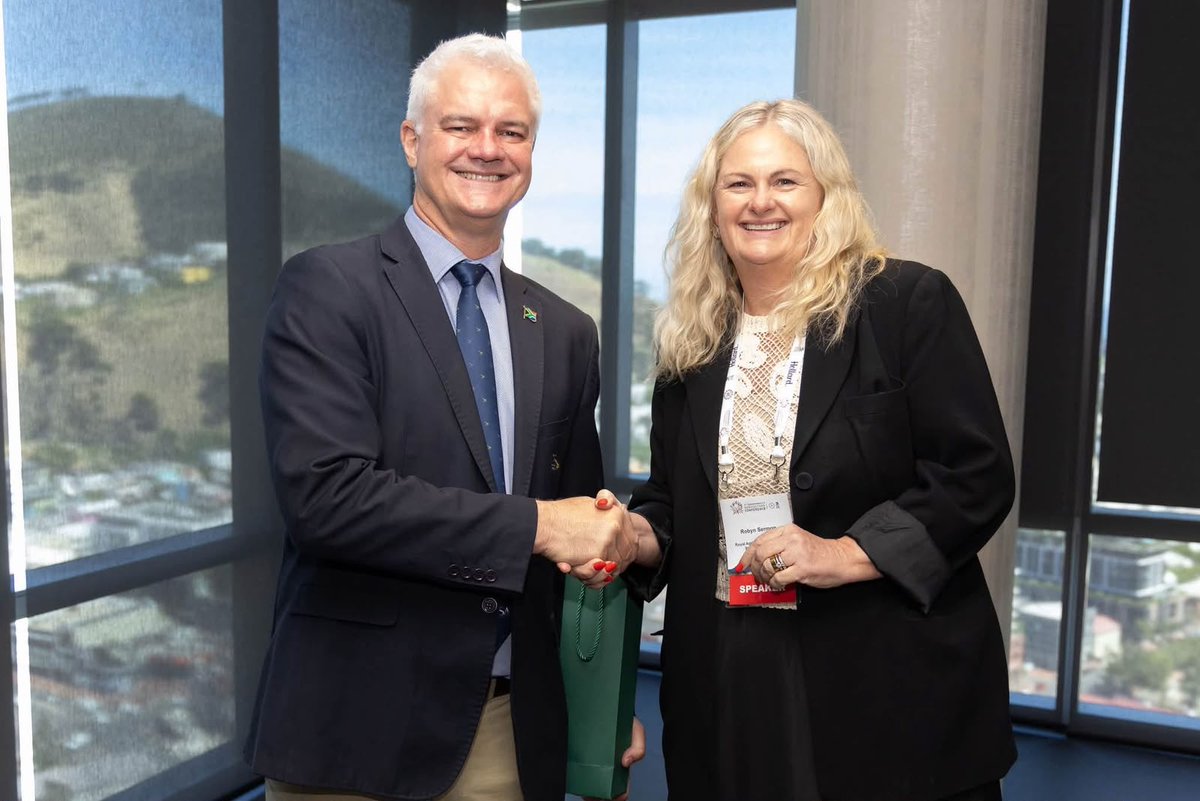
Grain SA CEO Tobias Doyer addressed the Royal Agricultural Society of the Commonwealth Conference (@THE_RASC) in Cape Town today.
His presentation explored how global agricultural changes are shaping the future of agricultural societies, shows and fairs – and the role platforms like NAMPO play in connecting producers, fostering partnerships and advancing agriculture. 🌱
Grain SA welcomes @AgriSA1904 support for fair, transparent soybean location differentials. Ahead of the 6 November interdict hearing, our message is clear: pricing must reflect market realities and support producer sustainability.
https://t.co/VfsMvVfGoH