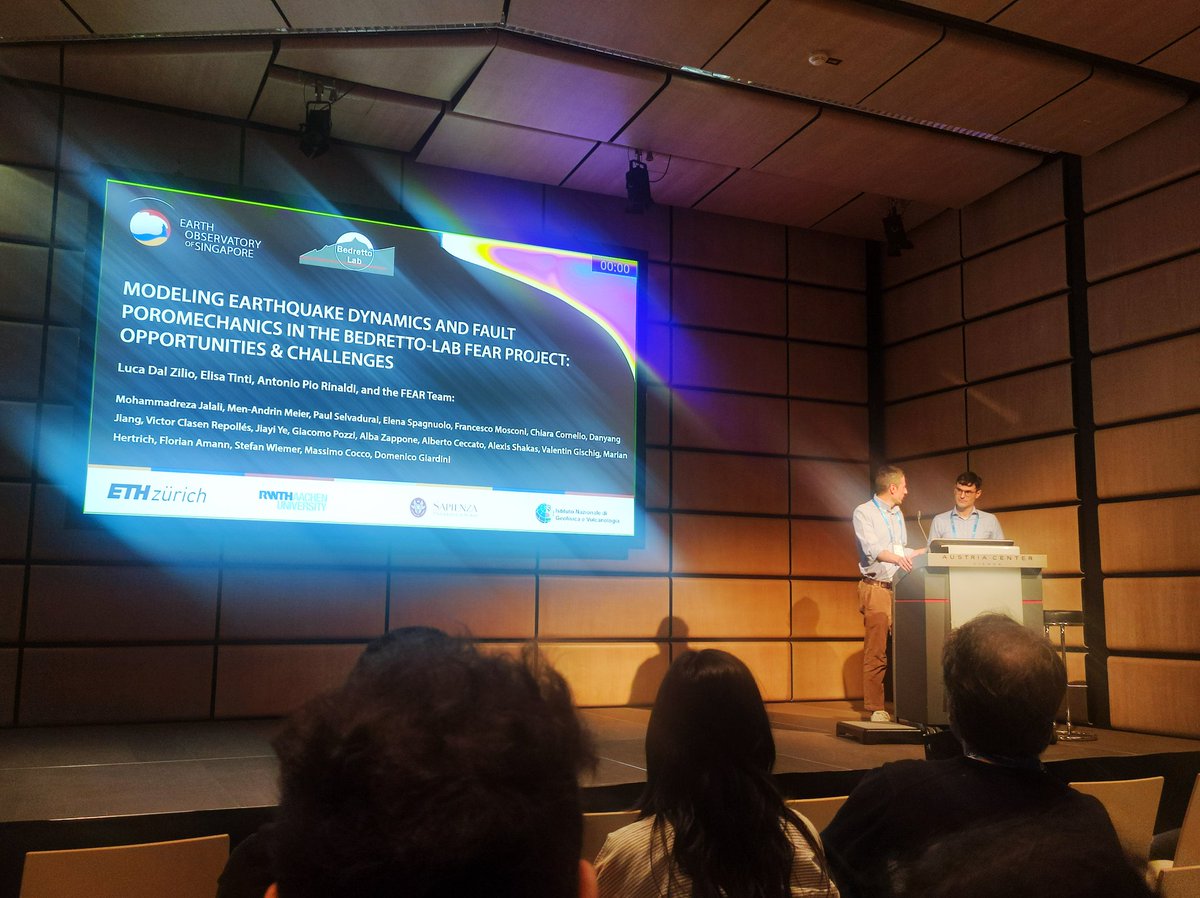
We share ideas, experience, modelling approaches and scientific code to advance and understand fault behaviour and their inclusion in a seismic hazard study.
Last few spots available for the 7th @Fault2SHA Workshop (Vienna, 6-8 July)!
Don't miss out, deadline is 30 April!
👉Registration: https://t.co/GCrdWC8CuS
🚨new paper alert🚨
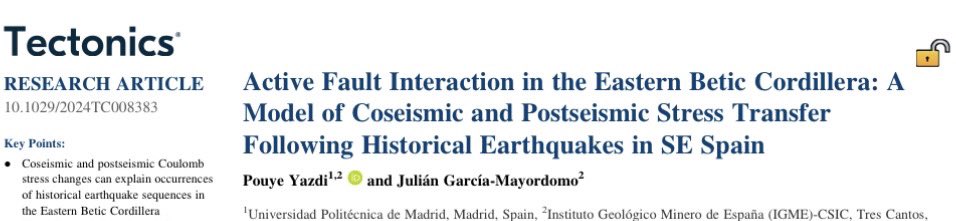
An analysis of the seismic stress generated by Mw > 5.0 earthquakes (1673-1829) in a slow deformation zone to highlight the impact of moderate magnitude earthquakes @TERRA_rg
🔔 nuevo artículo 📣:
Se examinan los esfuerzos sísmicos generados por terremotos de Mw > 5.0 (1673-1829) en una zona de lenta deformación, resaltando el impacto de sismos de magnitud moderada en fallas como las de Alhama de Murcia y Torrevieja en el aumento de la sismicidad.
🔔 nuevo artículo 📣:
Se examinan los esfuerzos sísmicos generados por terremotos de Mw > 5.0 (1673-1829) en una zona de lenta deformación, resaltando el impacto de sismos de magnitud moderada en fallas como las de Alhama de Murcia y Torrevieja en el aumento de la sismicidad.
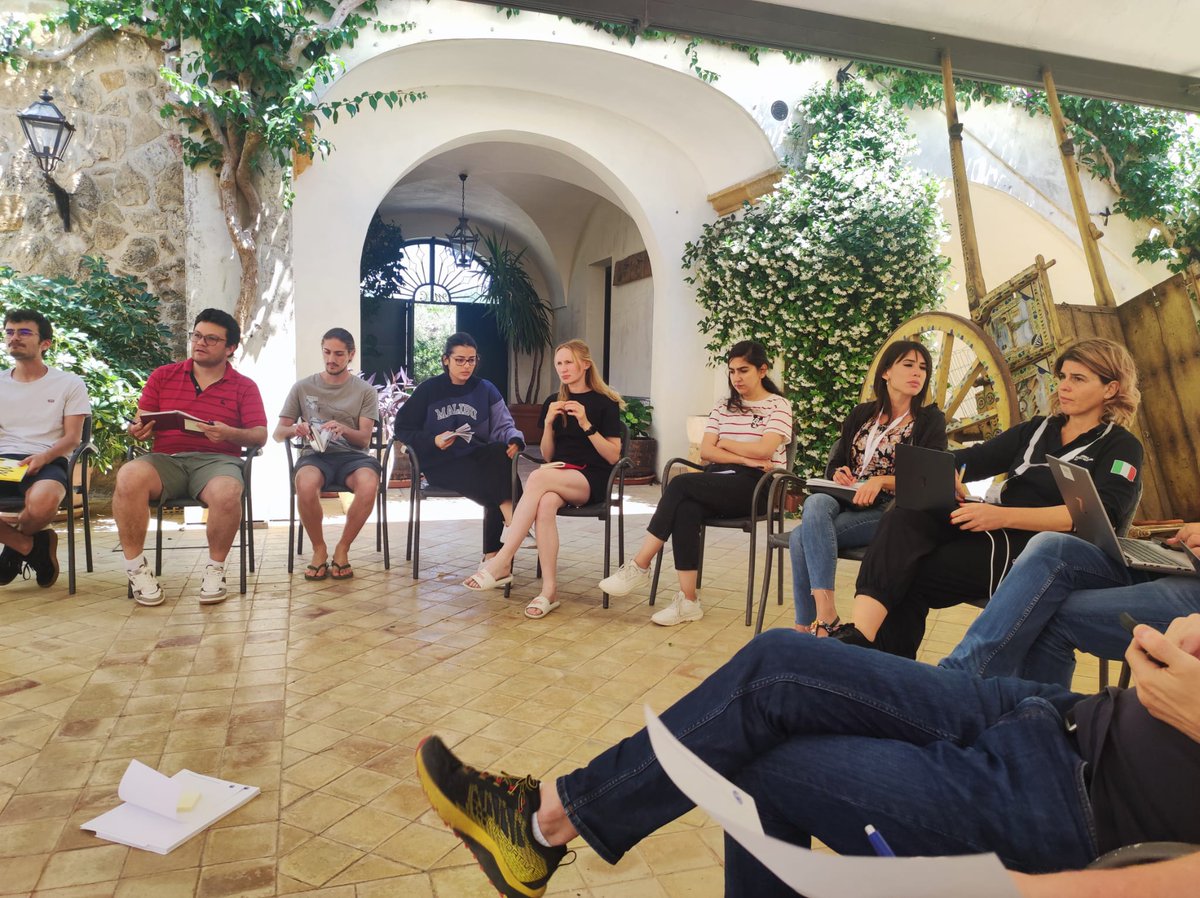
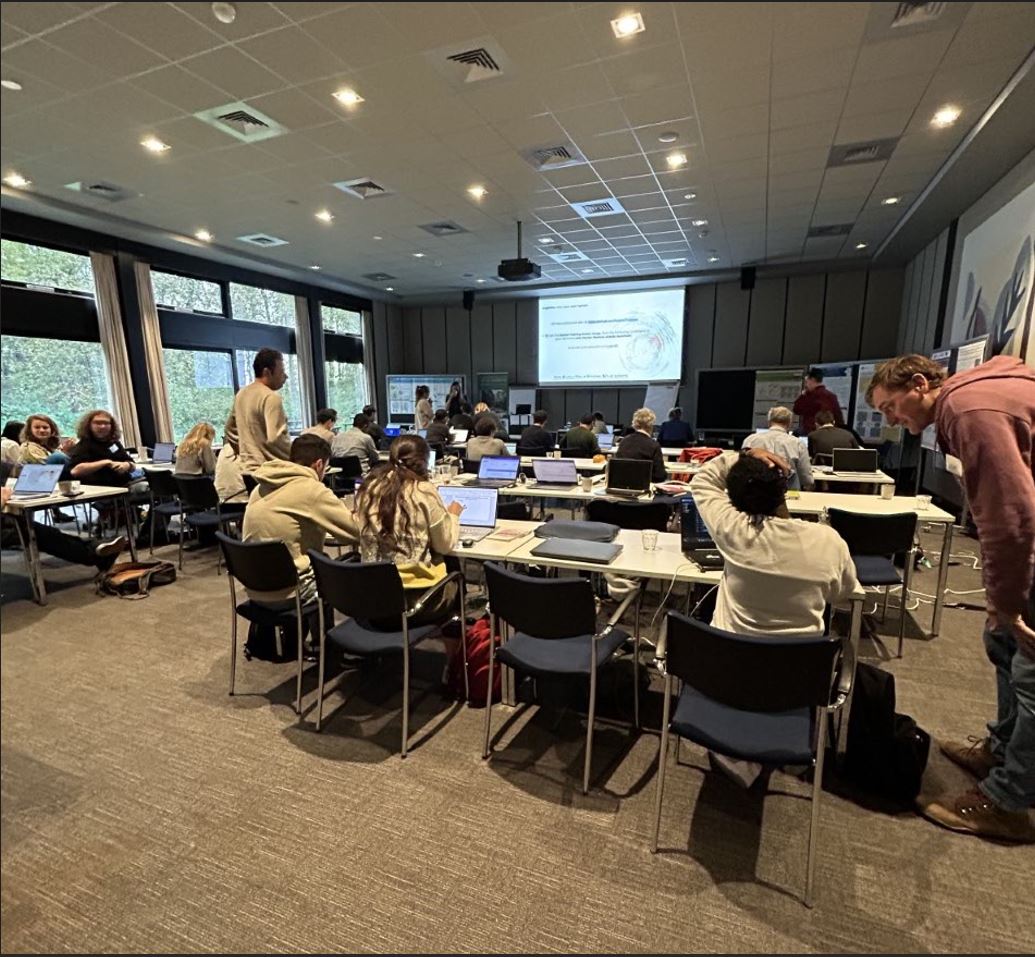
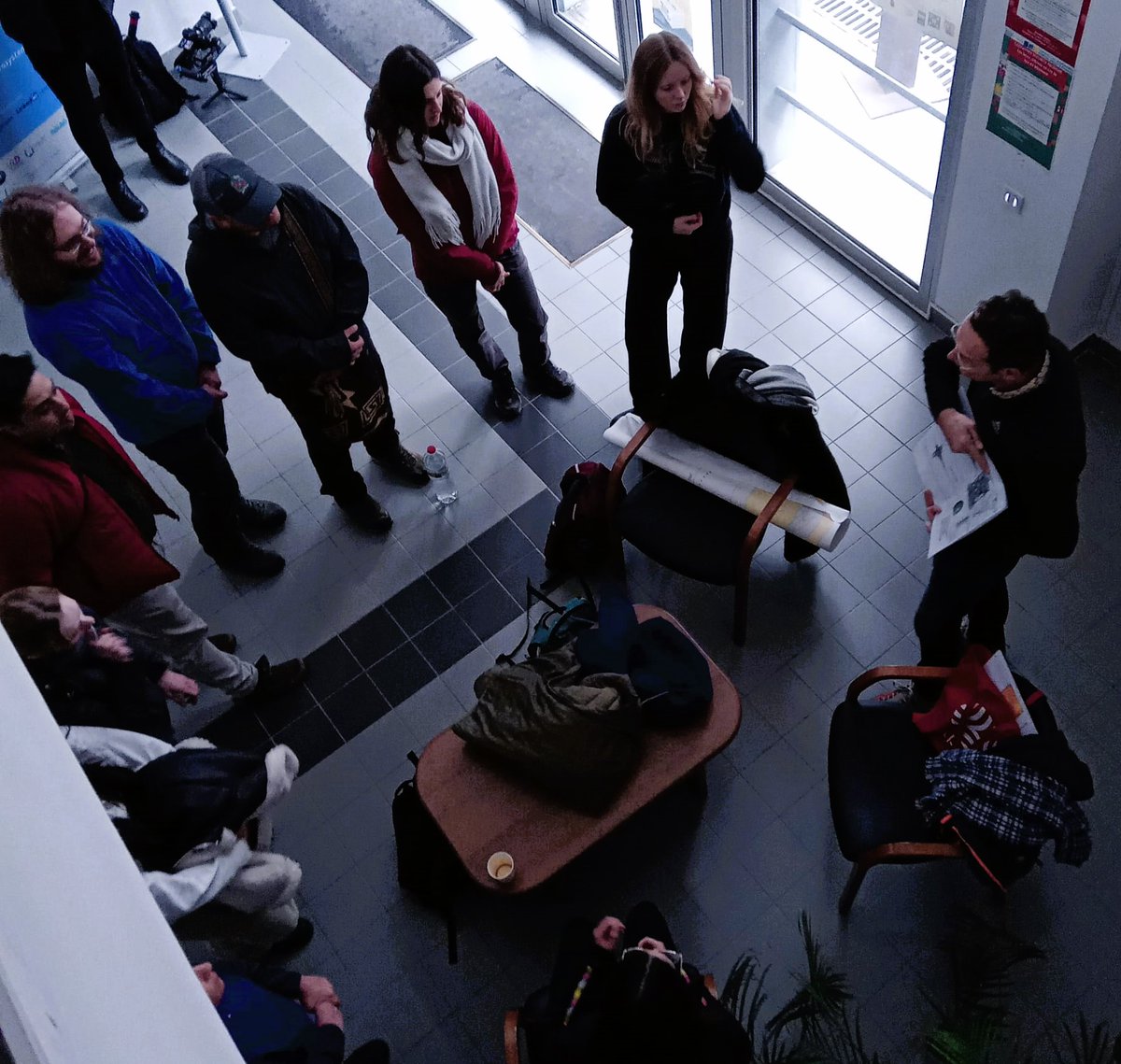
Day three of the TREAD project's workshop on earthquake physics and induced seismicity, followed by a conference with European experts. Hands-on work, presentations, a tour of the Utrecht Earth Simulation Laboratory, and even time for table football #MSCA#DoctoralNetwork
Call for #PhD position "Multi-hazard study: A multidisciplinary approach for the seismic risk evaluation" @univUda at National Interest Doctorate programme "Defense against natural risks and ecological transition of the built environment” https://t.co/vh9DHzEO3X grant n. 14
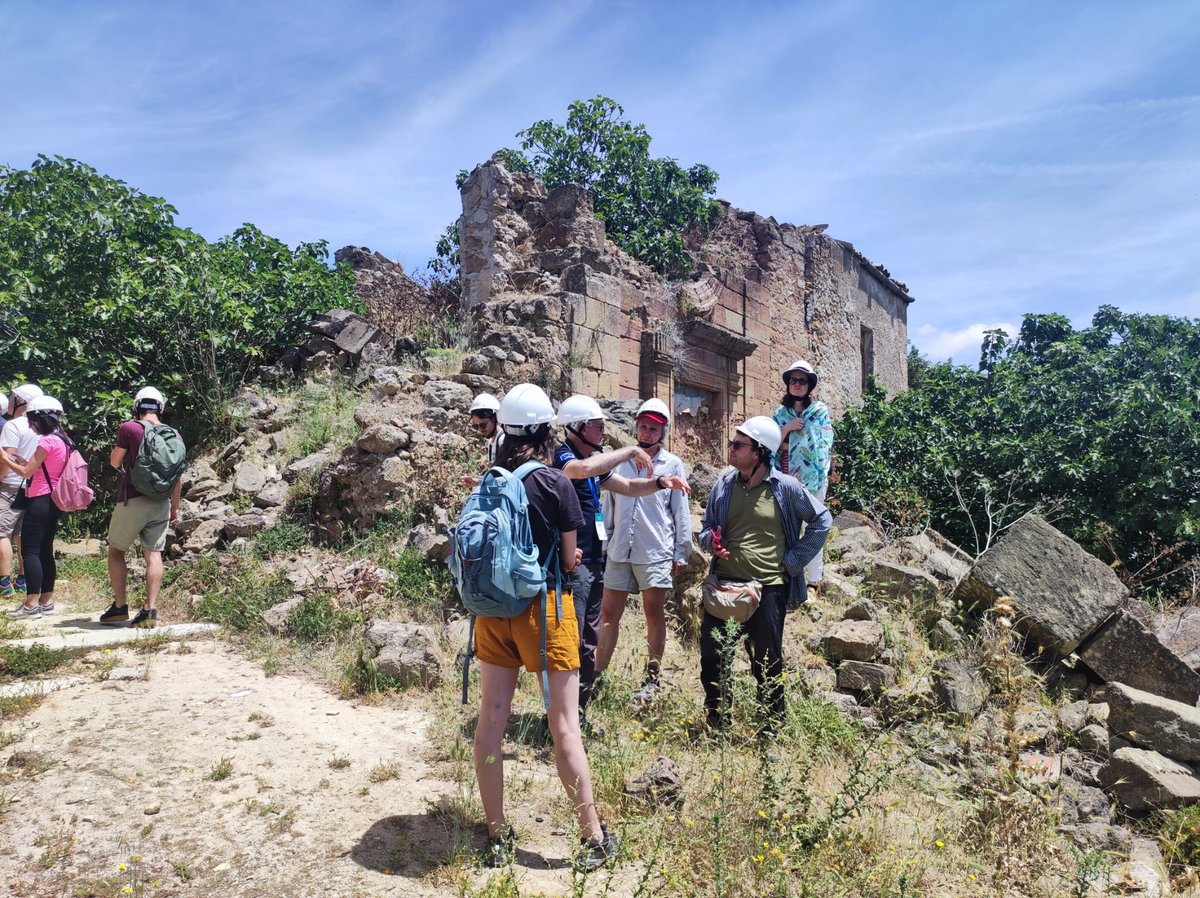
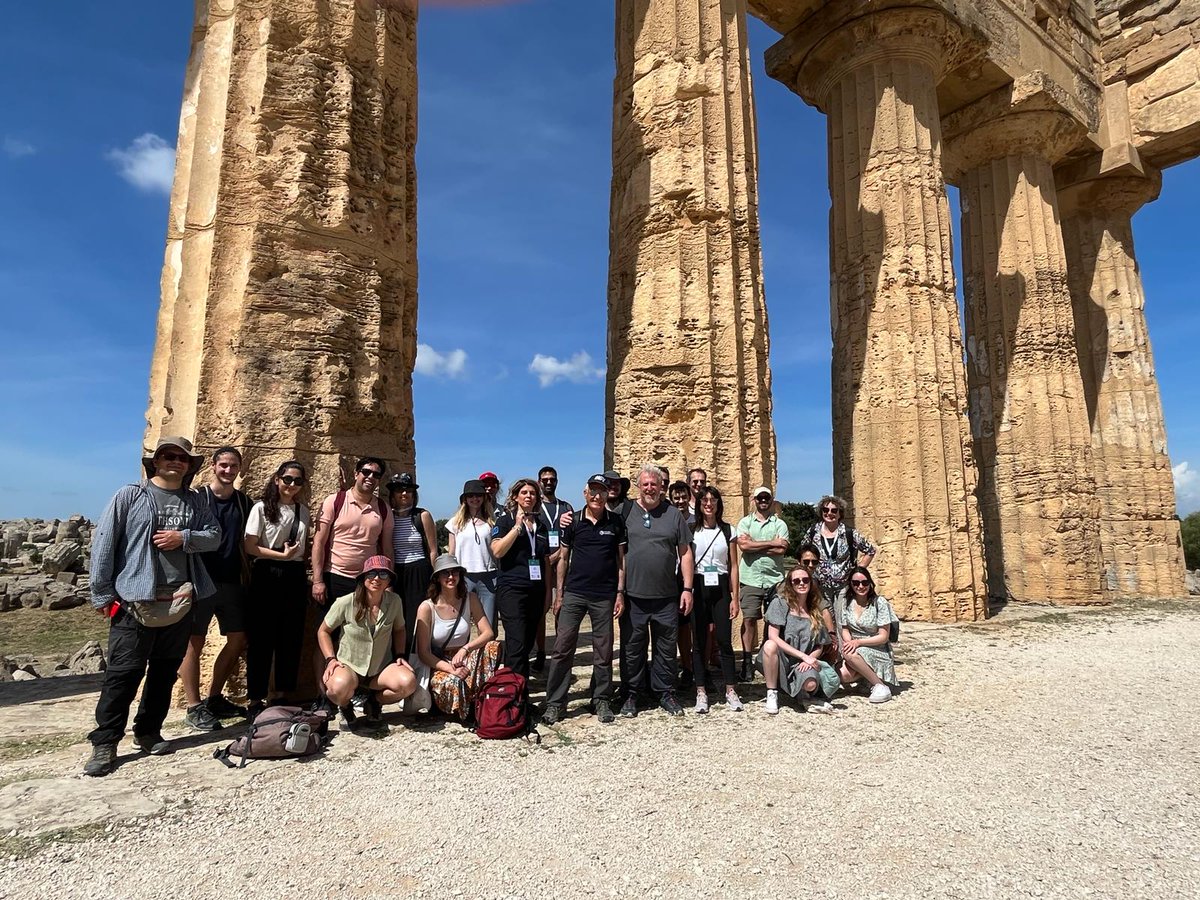
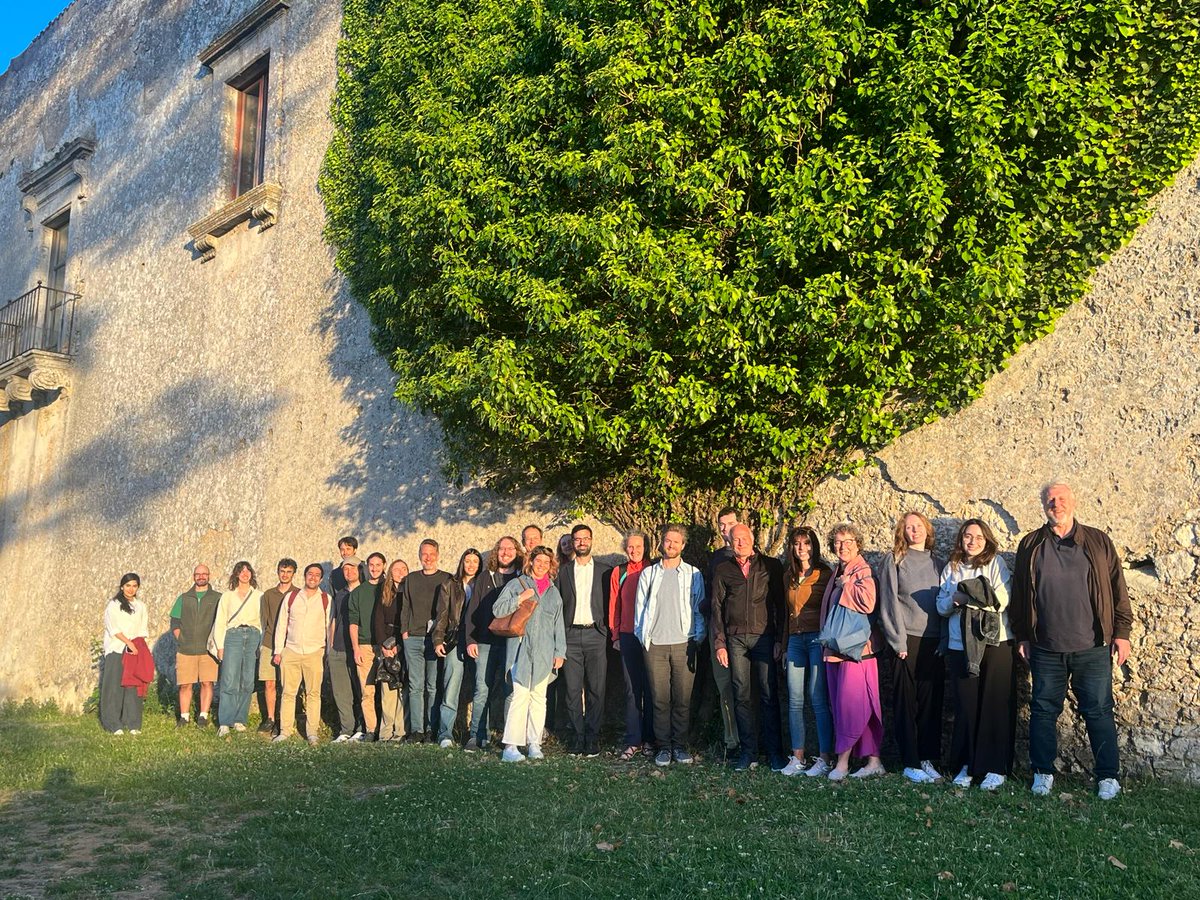
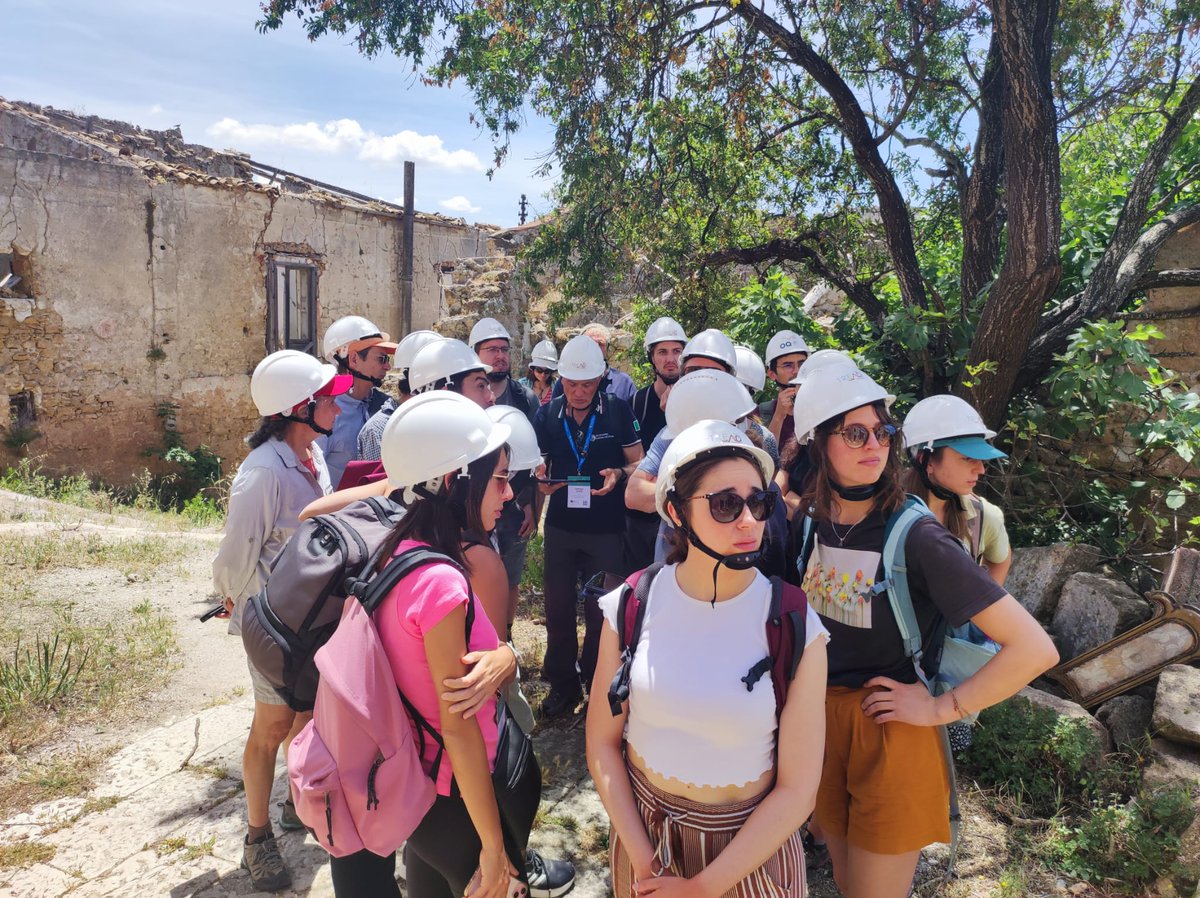
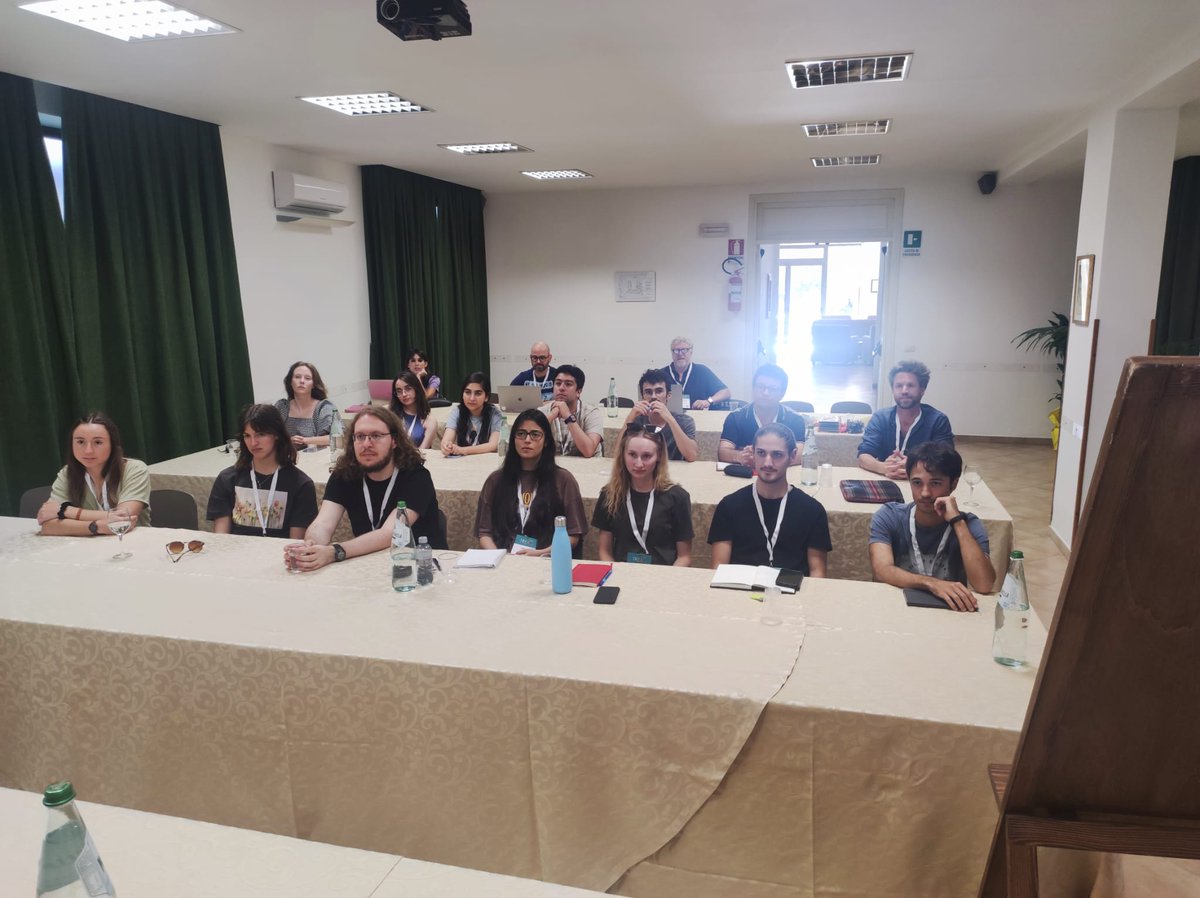
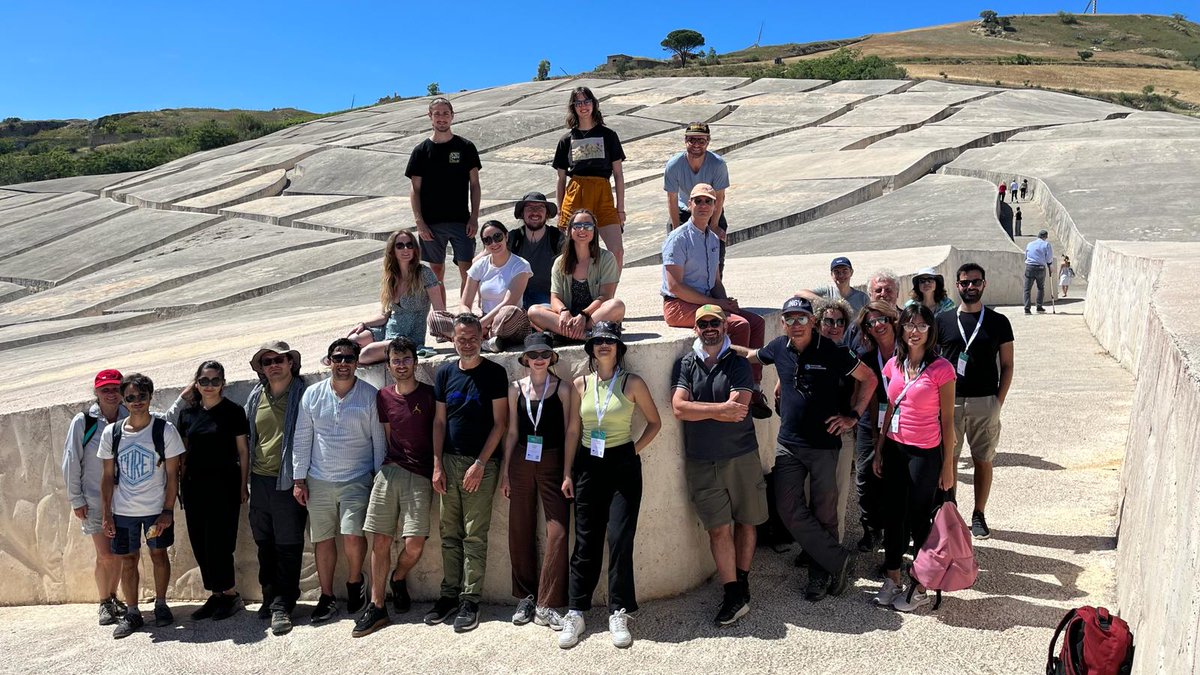
The first #TREAD Training School took place in Sicily (Belice) from 27th of May to 1st of June. Thanks to all the Lecturers and the Doctoral Candidates it was a success. #MSCA#DoctoralNetwork
Last two days to submit an abstract to the next ESC 2024. Please consider ti submit an abstract to the TREAD-Fault2SHA joint session https://t.co/vsavUZWLFk Session 32 @TREAD_horizon@Fault2SHA
New post by @octavigono:
The Paleoseismic EArthquake CHronologies – PEACH – code, a new tool to model paleoseismic dataset correlations
https://t.co/e1ke6Aupr6
⚙️New Fault2SHA tool available!⚙️ PEACH is a code designed to automatically correlate paleoseismic datasets, enhancing the precision of earthquake rupture histories on faults.
Download the code here👇
https://t.co/VZ5azVwnpx
🌍Introducing PEACH: a new method and accompanying code that automatically correlates multi-site paleoseismic datasets, enhancing the precision of the earthquake rupture histories along faults.
Check our new paper just published in Geoscientific Model Development! 👇
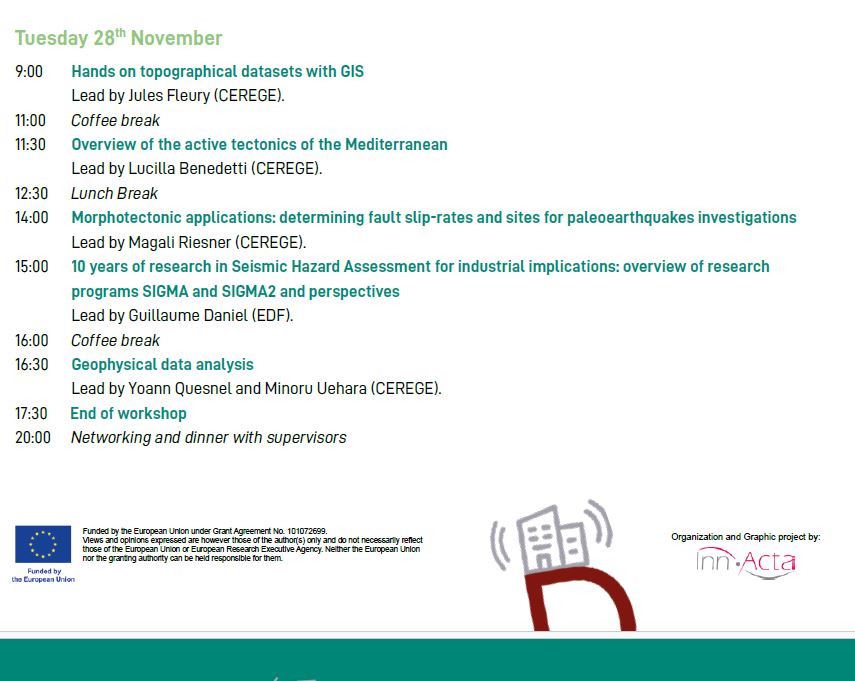
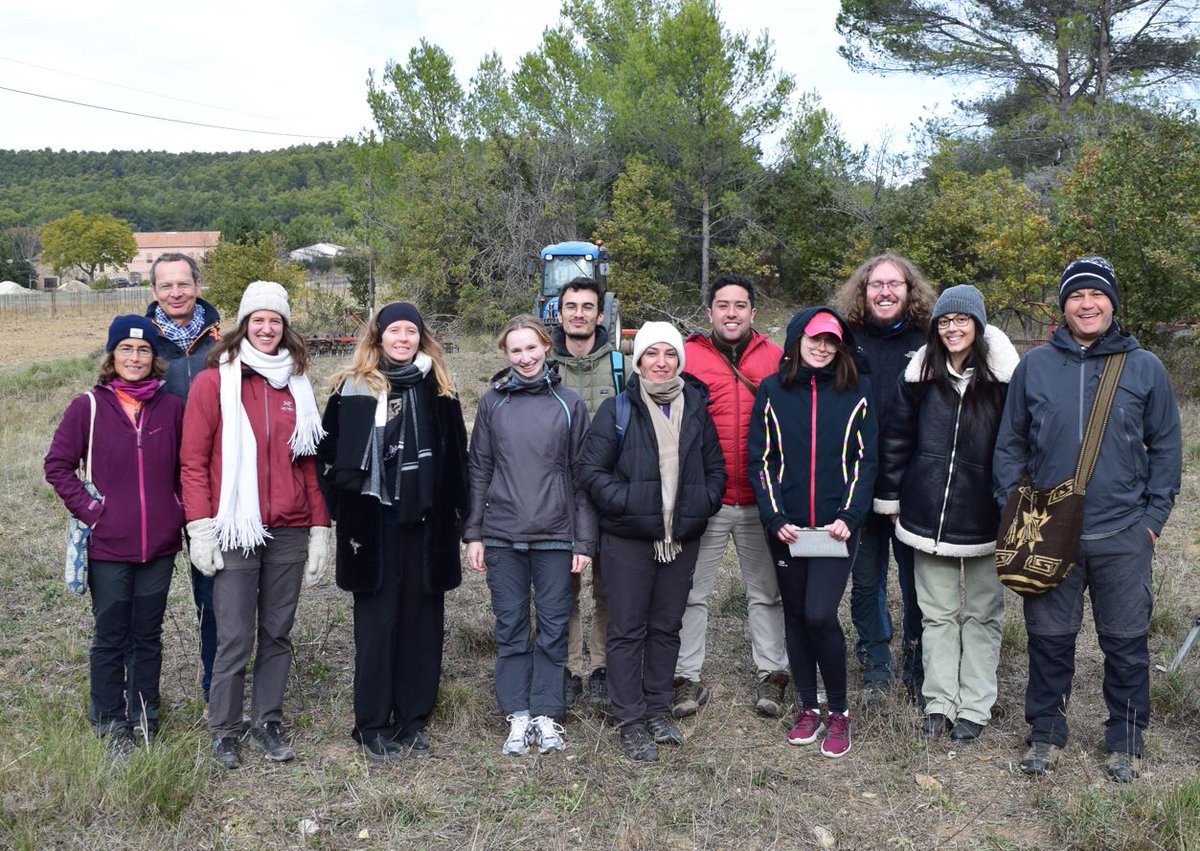
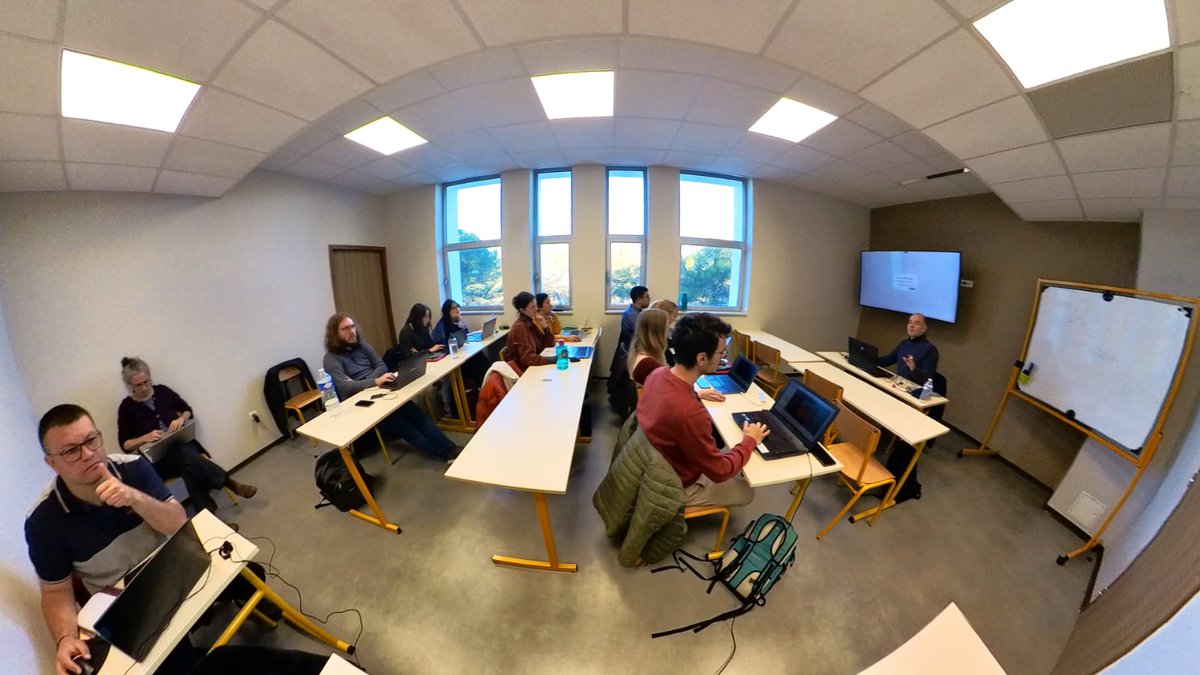
On tuesday we had the second day of the First Workshop on Earthquake observations of the TREAD project at @cerege_officiel. Hard work during theoretical and hands-on lessons with highly experienced professors covering a wide range of topics. Thanks you all!
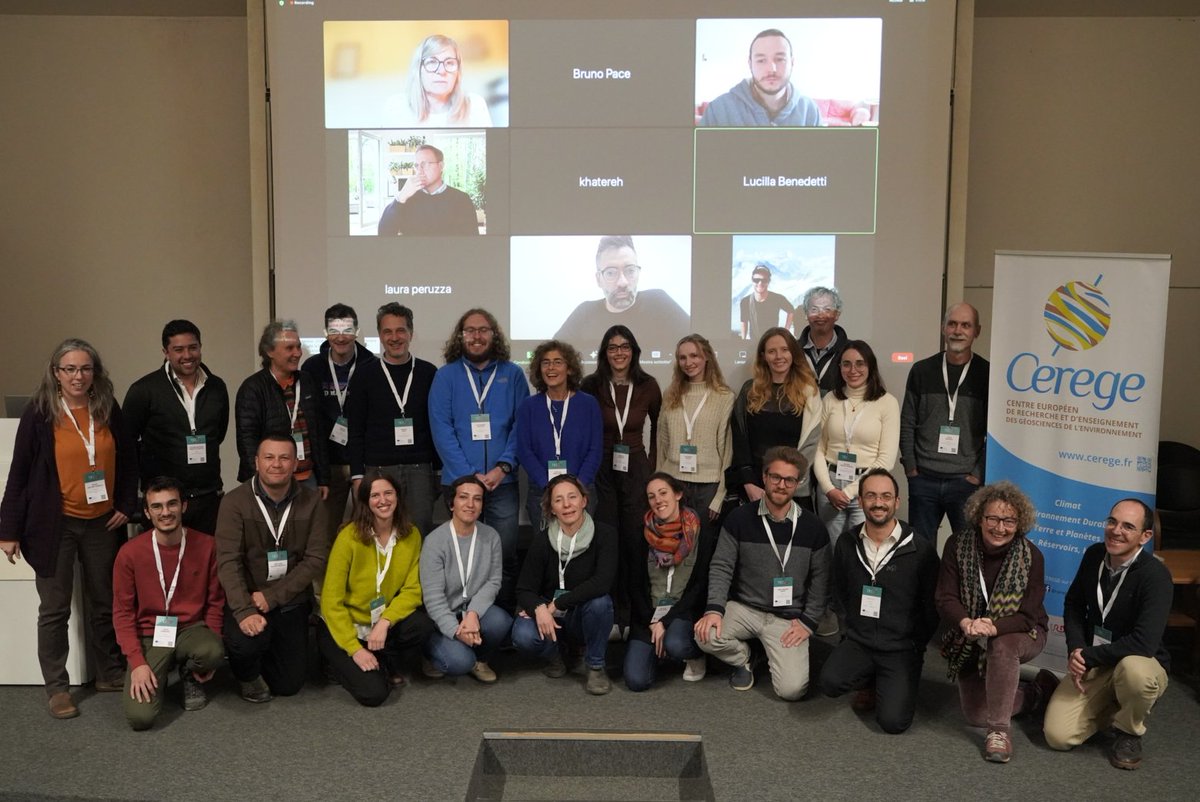
First meeting of the TREAD project with the PhD students on board. 25 participants on site at @cerege_officiel plus 10 online. It was a great overlook of the 6 working pakages and the opportunity to talk face to face for the first time. @MSCActions @EU_Commission