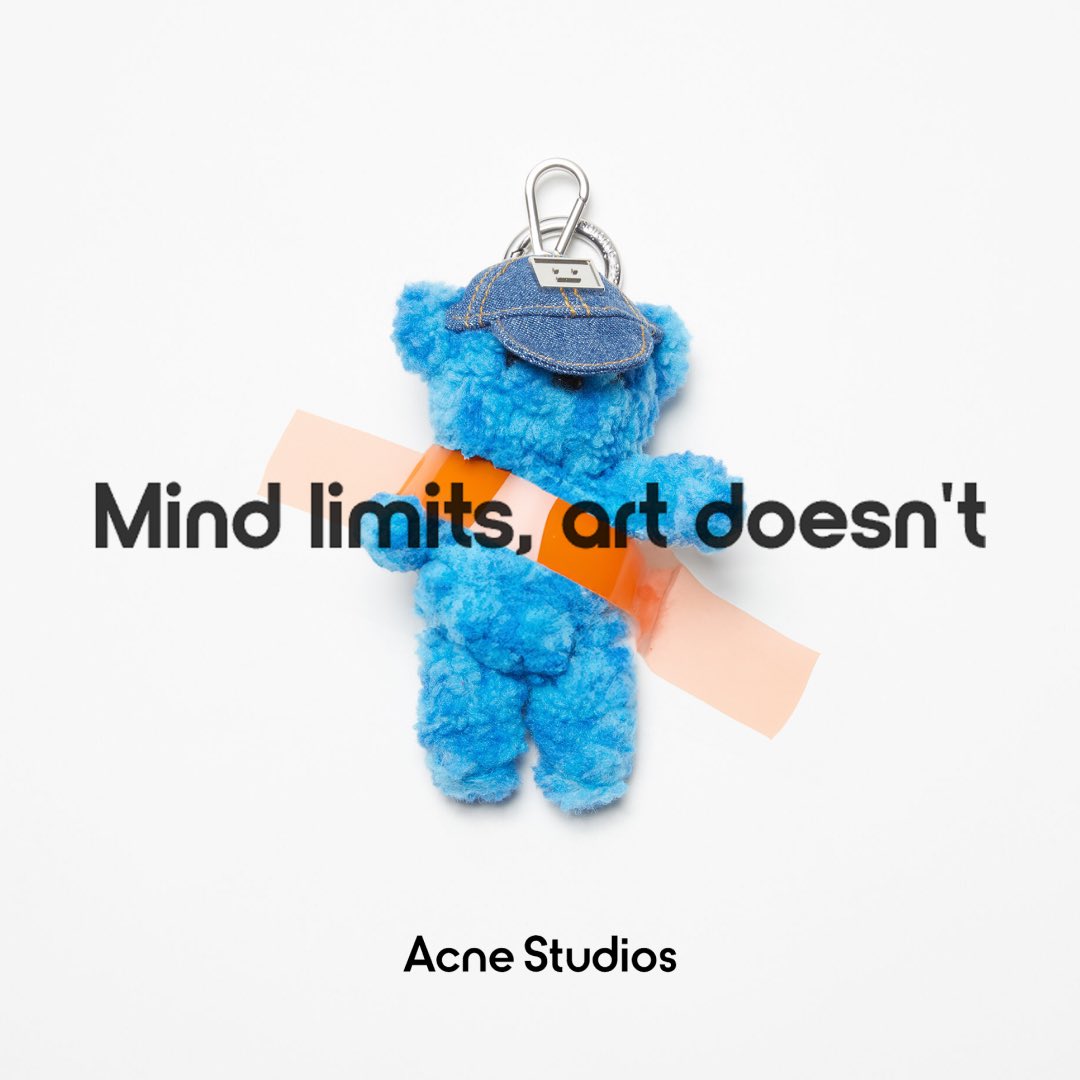
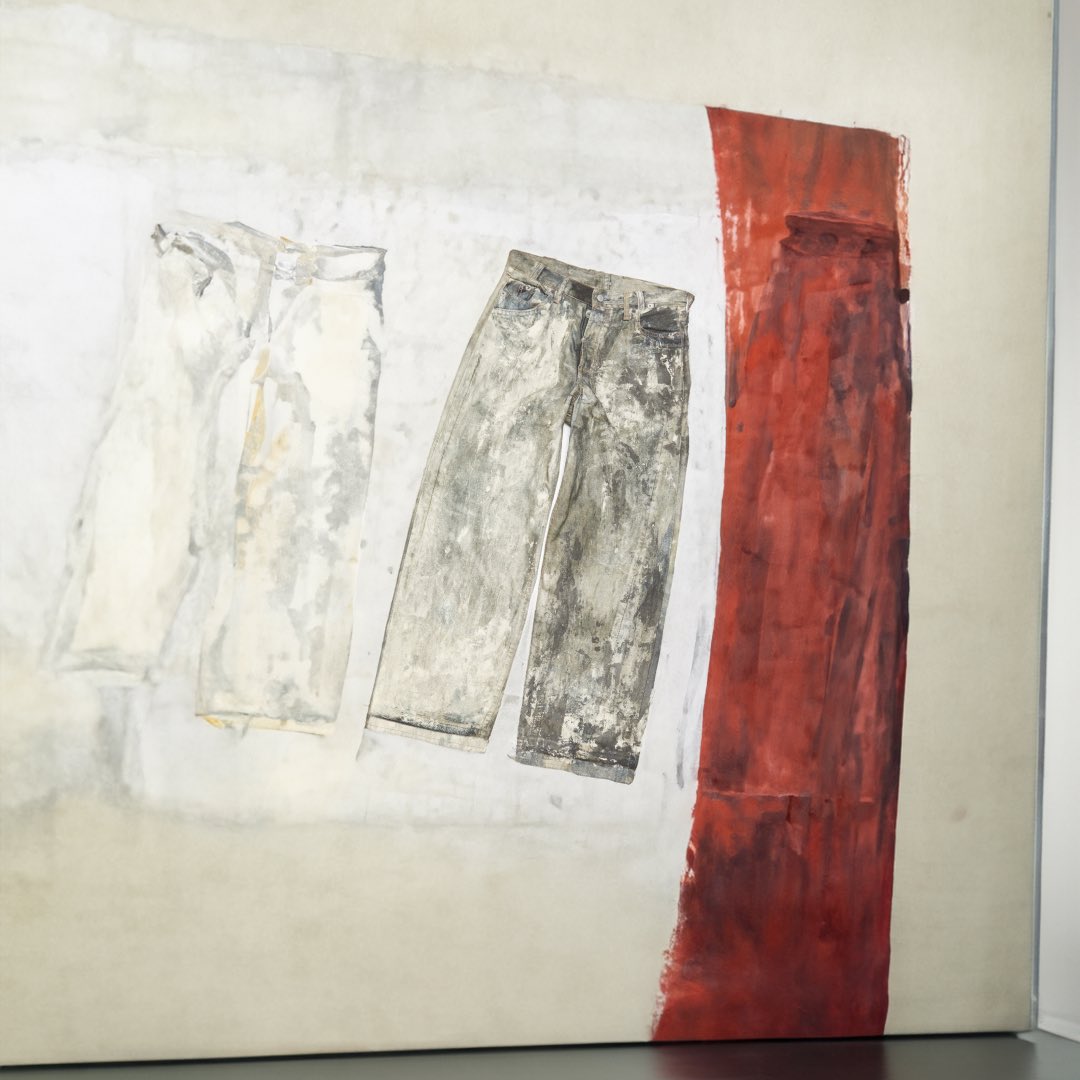
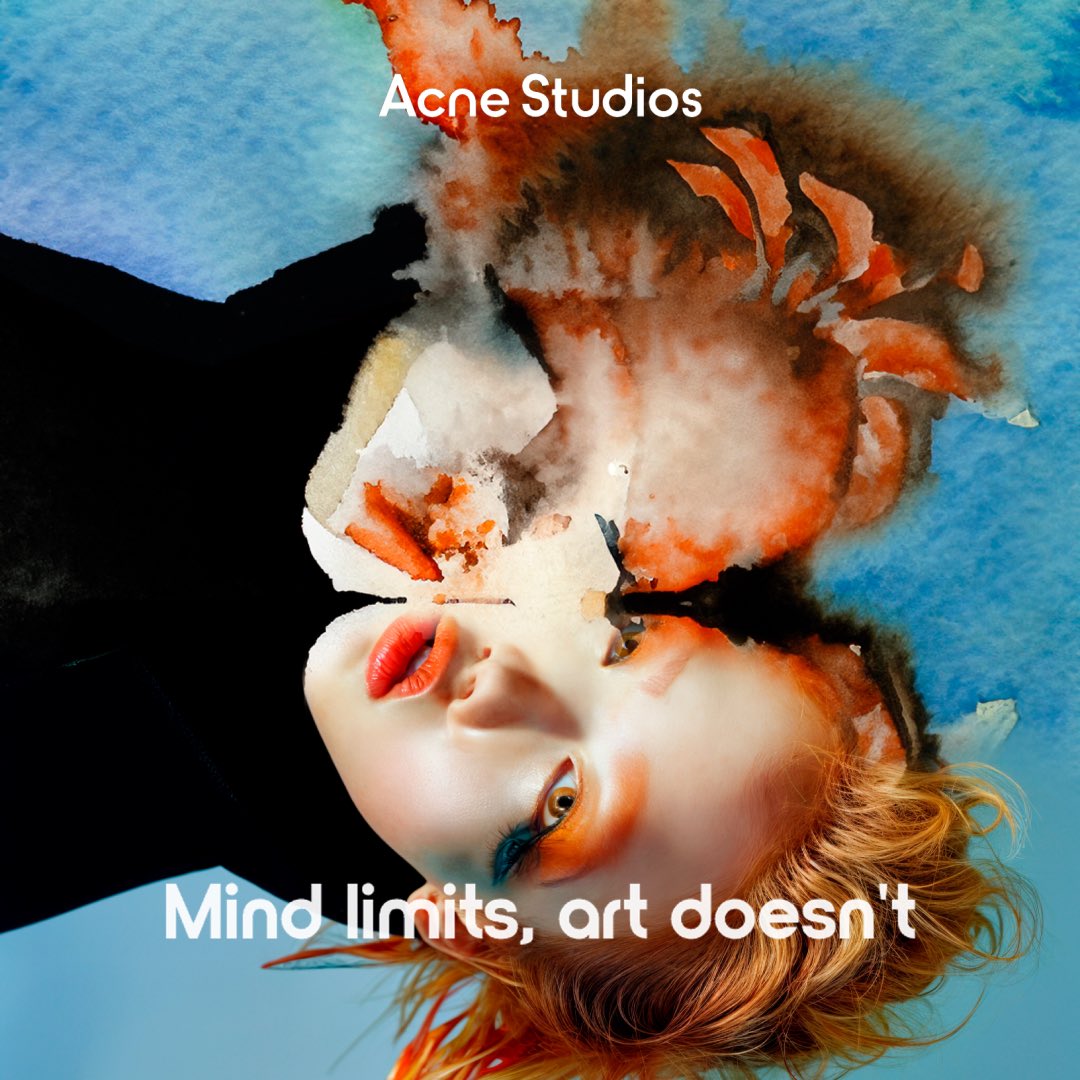
"Mind limits, art doesn’t" – For Acne by Cédo.
Young artists often struggle to express themselves, hiding unique talents. Let’s find and foster these hidden talents, creating bold, original projects that push contemporary art forward. @acnestudios
All it took was a few minutes of daily effort, and @duolingo growth took off. The takeaway is straightforward. A single well-placed dopamine hook can outperform an entire ecosystem of features and engagement mechanics.
Duolingo offered free language learning to anyone looking to pick up something new. The app was gamified from day one, but it felt more like a chore than a habit worth keeping. Users would show up, lose interest, and never come back.
Duolingo figured out that the fear of losing something drives behavior far better than the promise of gaining it. That insight gave birth to the streak counter. Nobody wanted to watch weeks of consecutive days disappear, so they kept coming back. That's gamification at its finest
Full transparency can push some customers away, but the ones it pulls in are your most valuable. And being straight with your audience matters even more when your competitors are flat-out lying, hiding information, and selling everyone a picture-perfect, rose-colored world.
Black Friday, 2011. @patagonia took out a full-page ad in the NYT with a single headline: "Don't Buy This Jacket." On the one day of the year when every brand screams discounts and feeds off FOMO at full throttle. Here's the twist, the anti-ad worked brilliantly.
The brand came clean about exactly how much environmental damage goes into making one of their jackets. And that honesty became the emotional bridge between Patagonia and their audience.
The results of that "crazy marketing" move:
✅+30% in sales.
✅$128M revenue growth.
If perfection is as boring as it is unattainable, maybe it's time to show the other side of the craft, the one we've spent years hiding behind the curtain of some impossible ideal.
Brands have always leaned on this illusion of closeness, and it holds up. It doesn't lose its edge. The goal isn't precise targeting. It's getting someone to see themselves in words that were never really about them.
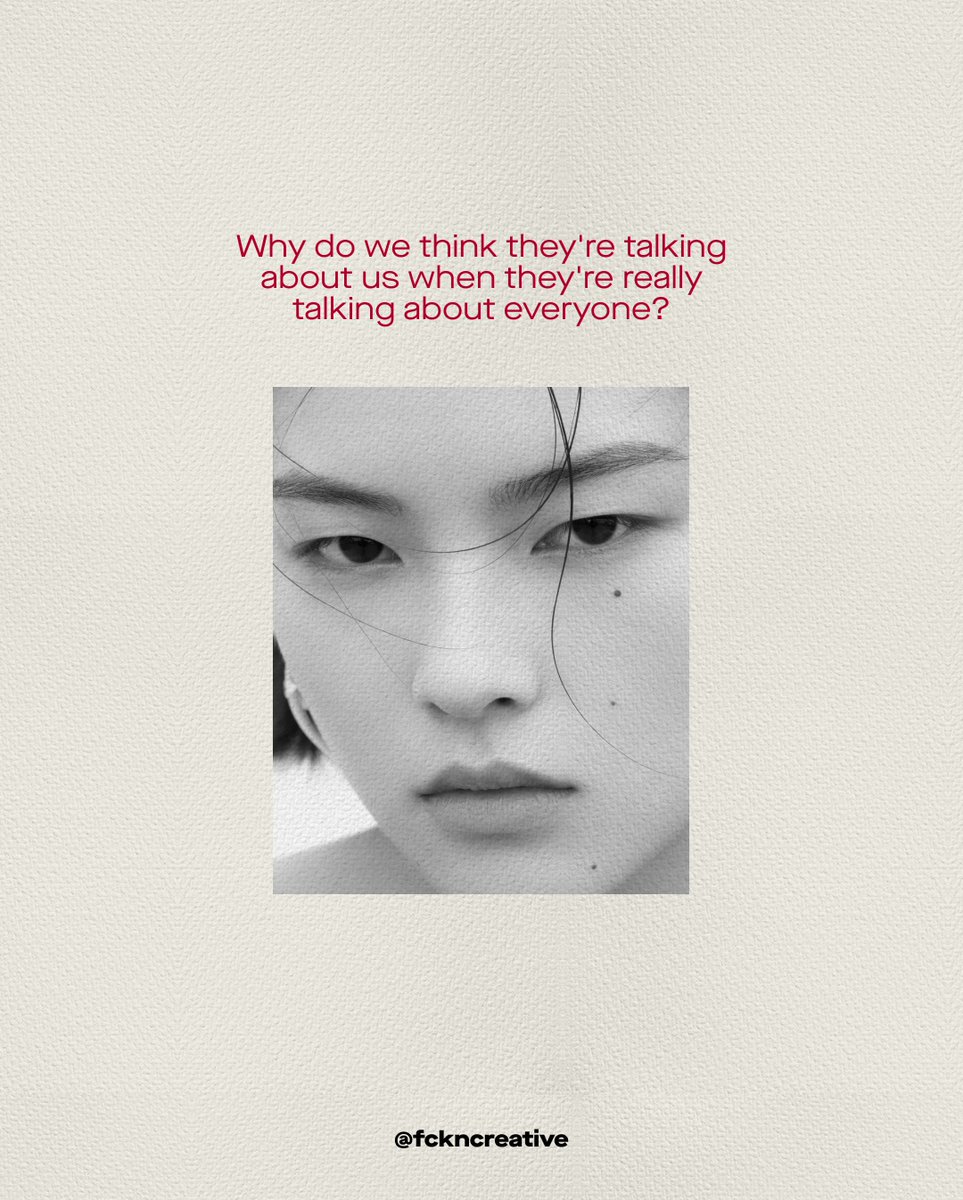
The Barnum Effect is what happens when a person takes a vague, general statement and reads it as something meant specifically for them. It's the engine behind horoscopes, but it's also a core element of almost every successful ad campaign.
"Made just for you." L'Oréal's iconic "Because you're worth it." These lines speak to everyone, yet we absorb them as personal. Two reasons. They come from a figure of authority, and they assign us something positive, either naming a quality we have or suggesting we deserve one.
In creativity, as in life, the safest path almost always leads to the most mediocre outcome. The strongest ideas and boldest decisions come from people who traded the bridge for the tightrope, and stepped onto it anyway.
The irony is striking. The same inability to "follow the rules" that gets penalized throughout traditional education may turn out to be a genuine competitive edge. AI has created a future where credentialed professionals could, in theory, be outpaced by neurodivergent thinkers.
The CEO of Palantir identified two types of people who have nothing to fear from AI. The first are skilled tradespeople, craftsmen, plumbers, electricians. No LLM can replace what they do when your power goes out or a pipe bursts.
The second are neurodivergent individuals. People with ADHD, autism, dyslexia. AI systems operate strictly within predefined patterns, while neurodivergent people are fundamentally wired to think outside them, which makes them nearly impossible for AI to replace.
Art cannot coexist with rigid rules, cramped inside borrowed norms. Like a wild animal, it demands freedom of will and thought, because only from the chaos within can something ideal emerge without. To experiment while turning a blind eye to criticism, that is the artist's path.
This story makes 2 things clear.
1) The subscription model changed the game, and it still hasn't lost its edge.
2) Even the right decision can turn your audience against you.
Before 2013, @Adobe sold Creative Suite for $2,600. One-time payment, years without updates, rampant piracy, inconsistent revenue. In May 2013, they shifted to a $50/month subscription. Stock dropped, designers boycotted, customers screamed, "We're not paying forever!"
✅2012: $4.4B
✅2015: $4.8B
✅2024: $21.51B
The price barrier collapsed. At $20–50/month, the product became far more accessible than a $2,600 upfront hit. And users always had the latest version running.
#abode#marketing