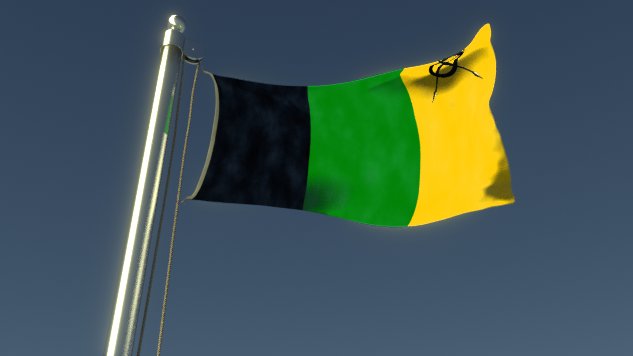
Federation of South African Indigenous Nations (F.S.A.I.N.) | Online movement supporting autonomy of South Africa's indigenous nations. #RepartitionSouthAfrica
“We have artificial 'nations' carved out at the Berlin Conference in 1884, and today we are struggling to build these nations into stable units of human society.” - Mwalimu Julius Nyerere
https://t.co/PbnHAMFwID
@AfrikParliament@SDI72667667@radiobiafralive@pac_revolution
The Khoi & San lived largely in the western part of South (southern) Africa & the eastern part was Nguni until Sotho - Tswana tribes arrived 600 years later.
The truth about South Africa: https://t.co/90dgfm5Mq9
Aftermath of a possible racial war in South Africa: https://t.co/ApMFk3Og3h
What would a white exodus in South Africa mean?: https://t.co/hcEnnflIQ2
#MthwanaFederation
It will take some time for people to understand that diversity or the lack of diversity doesn't lead to a successful country. You need a good dose of enterprising nationalism in both diverse & non-diverse lands.
“We have artificial 'nations' carved out at the Berlin Conference in 1884, and today we are struggling to build these nations into stable units of human society.” - Mwalimu Julius Nyerere
https://t.co/PbnHAMFwID
@AfrikParliament@SDI72667667@radiobiafralive@pac_revolution
From the names in the poll list, which indigenous name would you choose for South Africa?
N. B. Africa is a Roman/Phoenician word, Azania is Greek for the Swahili Coast.
South Kwatu in place of South Africa, Africa (Ifriqqiyah) being a Phoenician word.
Thwana Federation from the word "Thwa", a people from central Africa (Kwatu) who many tribes in southern Africa claim to descend from. The Thwa (Twa/Tuwa) being ancestors or the Khoi San.
From the names in the poll list, which indigenous name would you choose for South Africa?
N. B. Africa is a Roman/Phoenician word, Azania is Greek for the Swahili Coast.
From the names in the poll list, which indigenous name would you choose for South Africa?
N. B. Africa is a Roman/Phoenician word, Azania is Greek for the Swahili Coast.
If traditional leaders were to speak on land borders, a lot of things would clear up because indigenous people know where they belong & everyone has their own land.
@duncanram@FedSAINat Kermit or Kemet? Even so, the best we can do is call it what we want to call it on our maps. The rest of the world can call it what it wants.
@FedSAINat Azania is archaic from the time of the Zanj slave trade & the times of Ancient Greece. Swahili is more contemporary & more up-to-date...
Interesting times, what became of Khoisan king, King Khoebaha who declared the Western & Northern Cape independent from South Africa in 2018? Incredible.
Cape Town is bursting at the seams: +27.6% population in a decade driven by mass economic migration, and the result is housing shortages, job strain & exploding informal settlements. Only independence gives us the power to defend our resources & secure a future for the Western Cape’s people.
https://t.co/5hnfazSlJm
#CapeIndependence
#VoteCAPEXIT2026
If traditional leaders were to speak on land borders, a lot of things would clear up because indigenous people know where they belong & everyone has their own land.
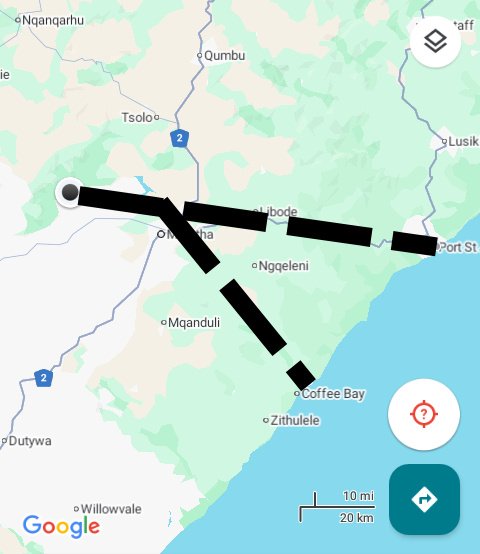
When Xhosa & Zulu land claims are dealt with, a mysterious land opens up which has Ngqeleni as it's biggest town. Who's land is this? I suspect this is Mpondoland, not Port Shepstone, Lusikisiki or Port St. John's as Bartle Frere thought - afraid Ngunis would reach Cape Town.