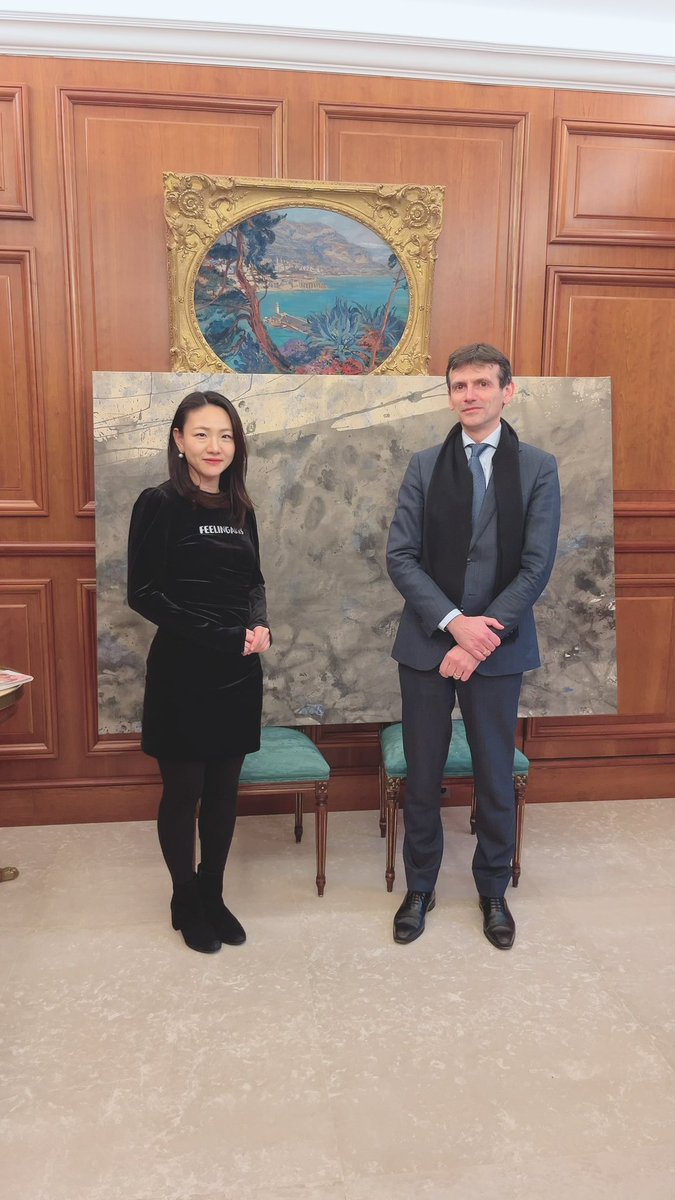
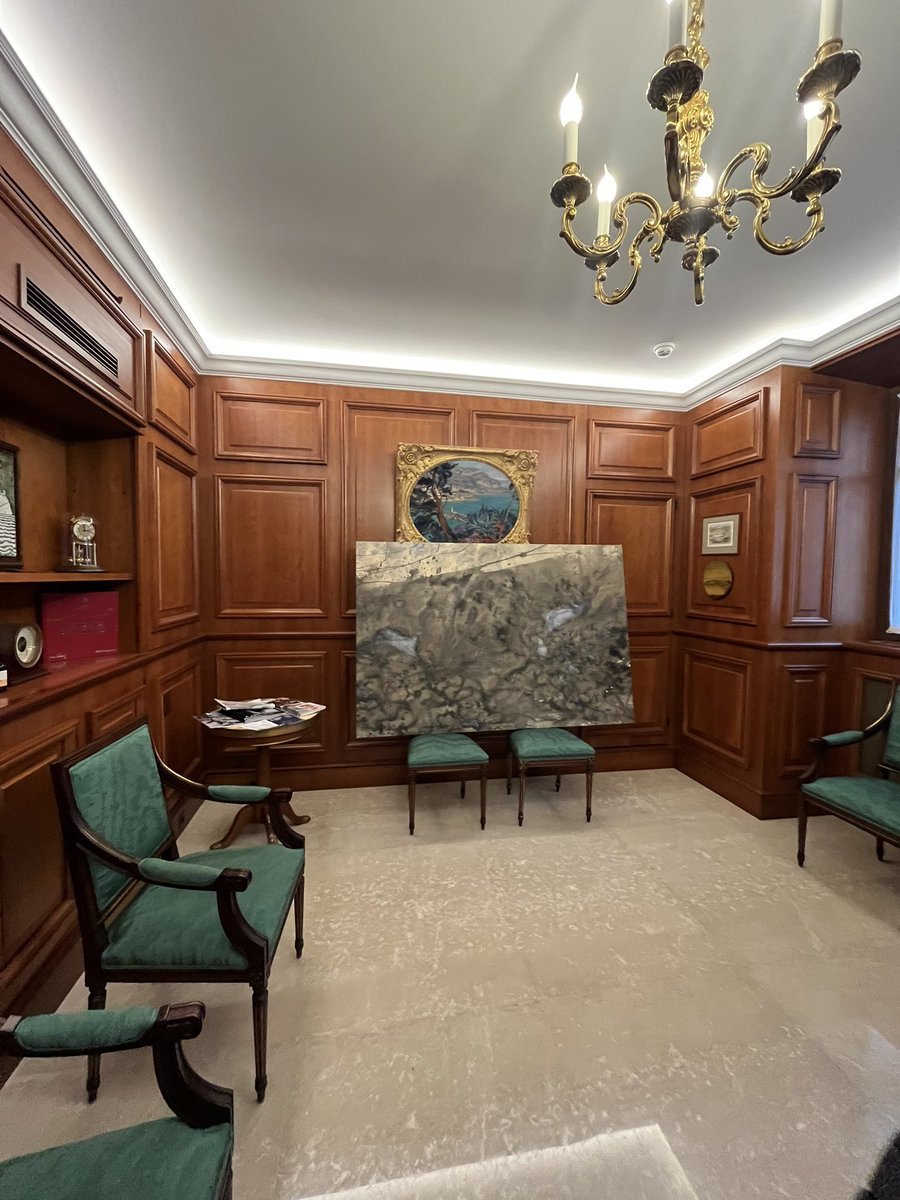
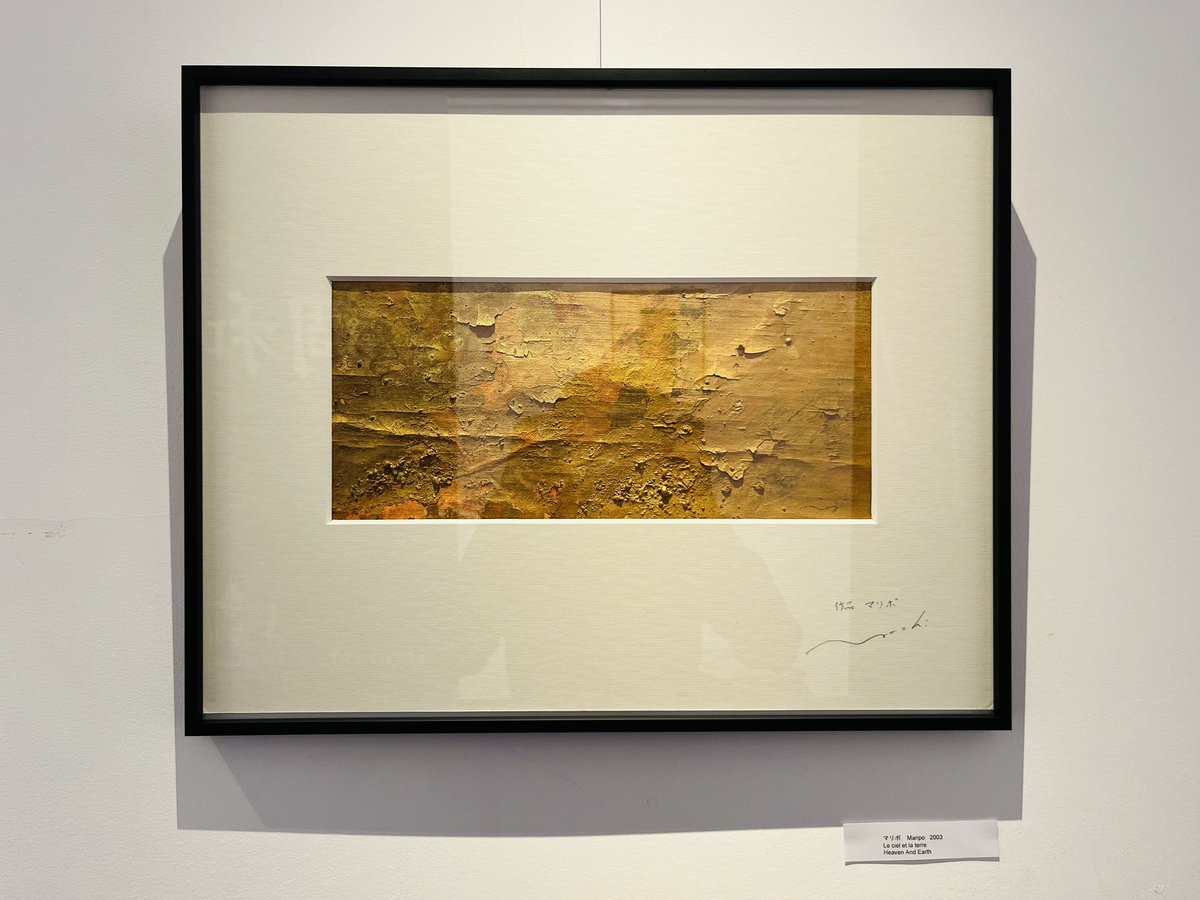
FEELING ARTS, Yoshihiro Kitamura's original painting 'Taiga’ (The Great River) at the The Prince's Palace of Monaco 🇲🇨🏰
It joins the art collection of the Prince Albert II.
What an honour❤️
Thank you so much 🙏✨
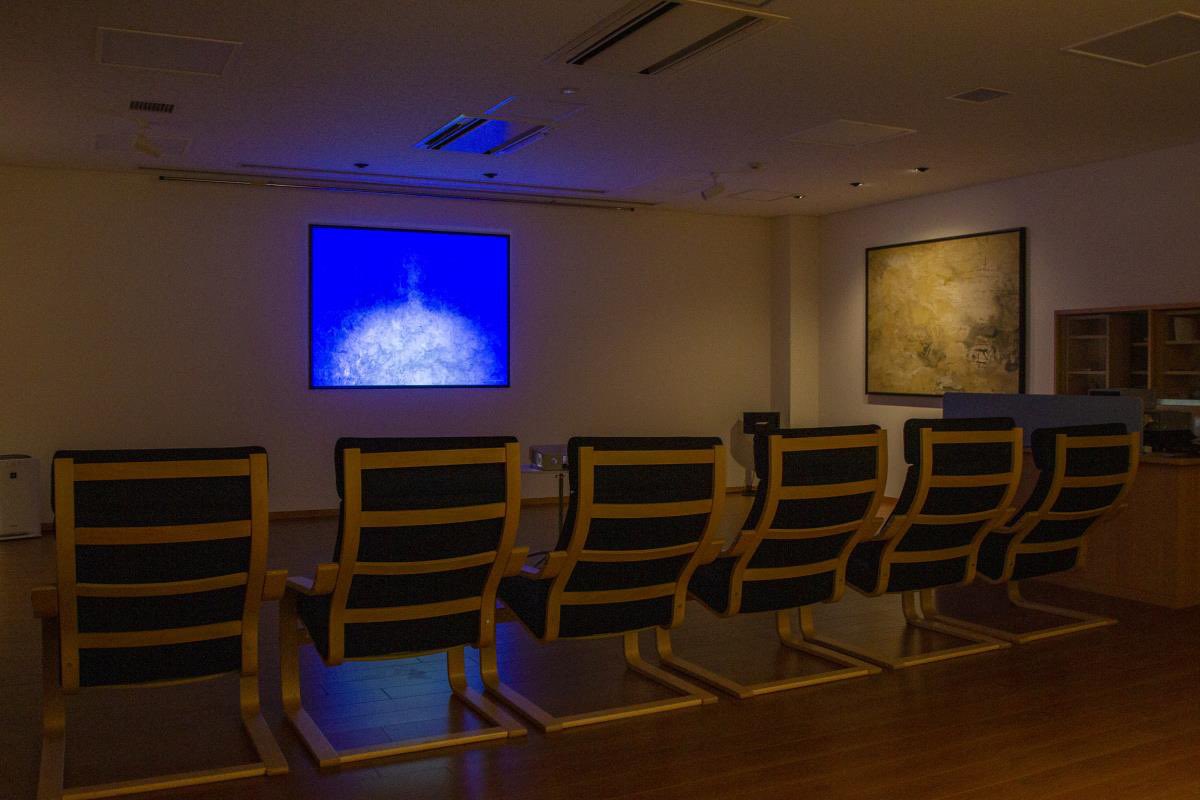
KITAMURA’s performance is a sensory art form that creates a dialogue between paint, light, sound, and the viewer’s spirit. His work purifies the mind and is gaining recognition from scholars in medicine and social science🏥✨
https://t.co/TvLnu3MY89
#healthcare#feelingarts
FEELING ARTS centers have been established in medical facilities. In the future, they will also be introduced in companies to enhance employees’ mental health and productivity💫✨
https://t.co/nWISSKSVcZ
#stressmanagement#arttherapy#narrative#meditation
Light and music blend harmoniously, from synthesizers to traditional Japanese and Chinese instruments, creating a fantastical world of beauty. Each viewer’s psyche shapes their unique experience.
#japaneseartist#feelingarts#yoshihirokitamura#art#museum#japan
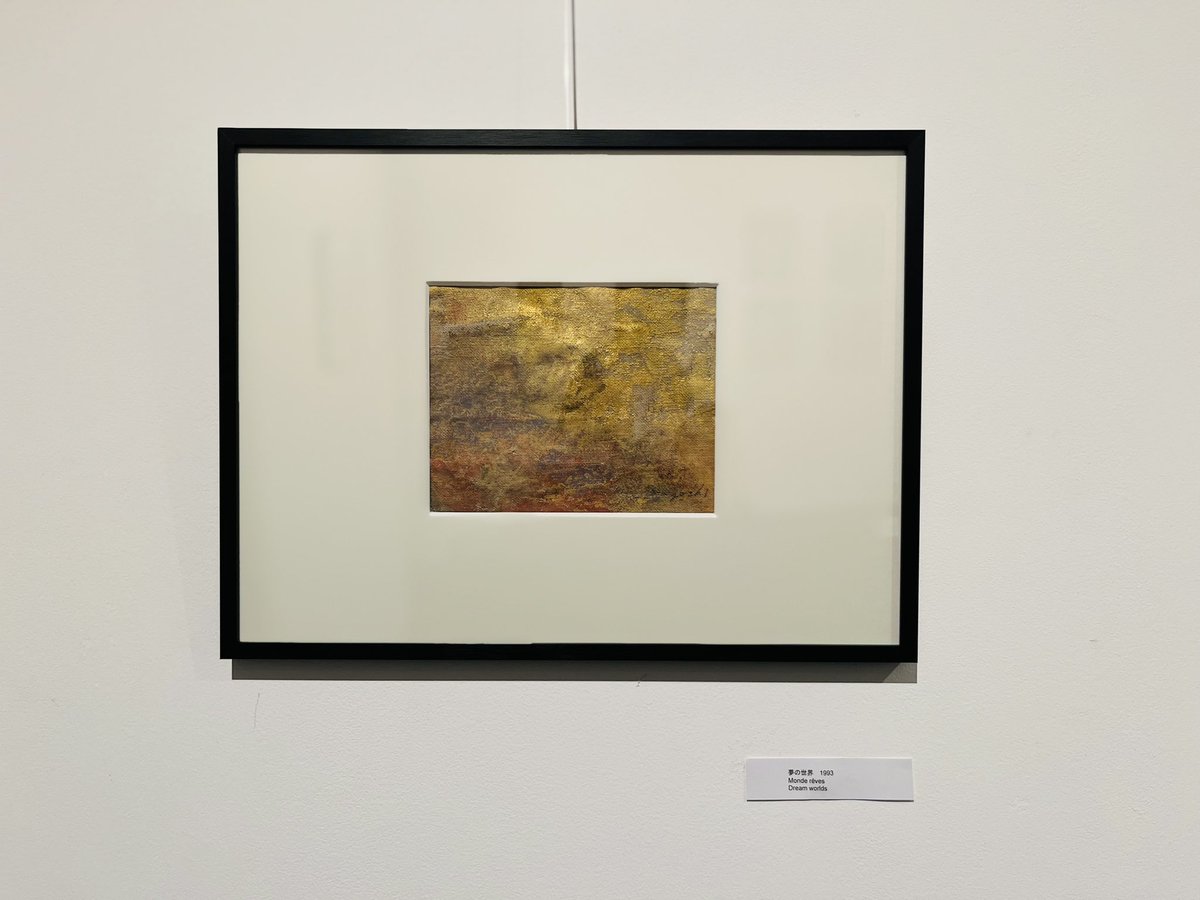
FEELINGARTS comes from the fusion of paint, light and music. Themes such as "the Earth", "the Universe", "life" and "the celestial world" are expressed in the form of abstract paintings on large canvases with India ink, earth and gold acrylic paint🌏✨
#meditation#japaneseart
FEELING ARTS is a complete, sensory art form that creates a fantastic space by making light and music shine on paint, created by japanese contemporary artist Yoshihiro Kitamura in 1981 using his own sensibilities and techniques💫🌏💙
#Contemporaryart#peace#Harmony
Torii (鳥居)is a traditional Japanese gate that marks the entrance to a sacred space, such as a Shinto shrine. It symbolizes the transition from the mundane to the sacred, serving as a boundary that separates the physical world from the spiritual realm⛩️✨
#JapanTravel#kyoto
A wish for world peace🕊️🤲
The Hiroshima Peace Memorial is a preserved structure near the epicenter of the atomic bombing on August 6, 1945. It symbolizes peace and serves as a reminder of the devastation caused by nuclear weapons.
#Japan#JapanTravel
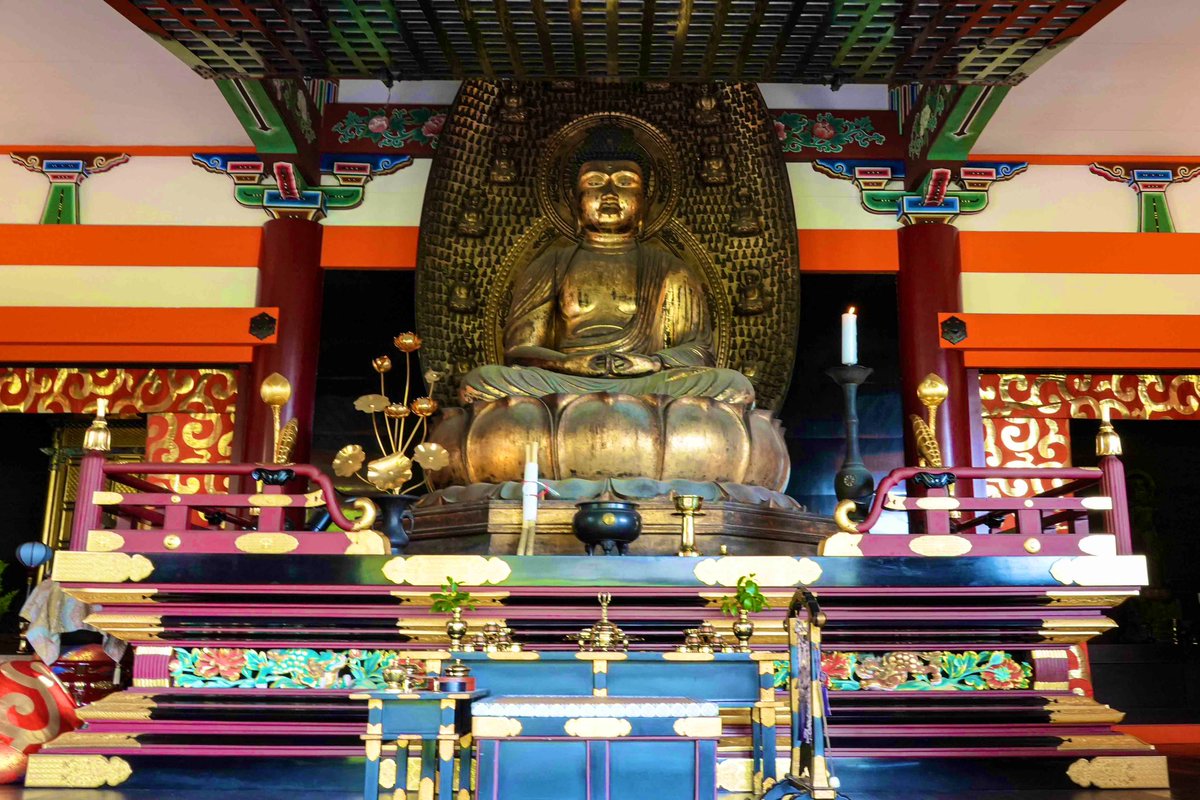
The Great Buddha, Daibutsu(大仏) is a key symbol of Japanese culture and Buddhism. The most famous, the Great Buddha of Nara in Todai-ji Temple, stands 15 meters tall and represents Amida Buddha, embodying compassion and enlightenment⛩️🙏
#japon#日本#Giappone#اليابان
Ringing the bell during a temple visit serves several important purposes:
1. Call to Prayer
2. Marking Time
3. Spiritual Significance
4. Celebration
Overall, the ringing of temple bells enhances the spiritual atmosphere and encourages mindfulness🧘✨
Kiyomizu-dera(清水寺) is famous for its stunning wooden stage with breathtaking views of cherry blossoms and autumn leaves. As a UNESCO World Heritage Site, it embodies Japanese spirituality and architectural beauty.
https://t.co/pC7QkQFtXi
#travel#Japan#Buddhism
Ema(絵馬) are wooden plaques used in Shinto and Buddhist practices for prayers and wishes. Visitors write their hopes on these boards, often decorated with colorful horse designs. Traditionally, horses were offered to shrines, making ema a way to convey wishes to the divine.
Koi (carp) are valued for their beauty and symbolism of perseverance and good fortune. Found in ponds and gardens, their vibrant colors—from red and white to gold and black—enhance tranquility and elegance, making them significant in Japanese culture, art, and folklore.
In Japan, Momiji refers to the Japanese maple, admired not only for its vibrant autumn colors but also for its elegant green leaves in spring and summer. These finely lobed leaves, often seen in traditional gardens and temple grounds, symbolize calm and serenity.
#meditation
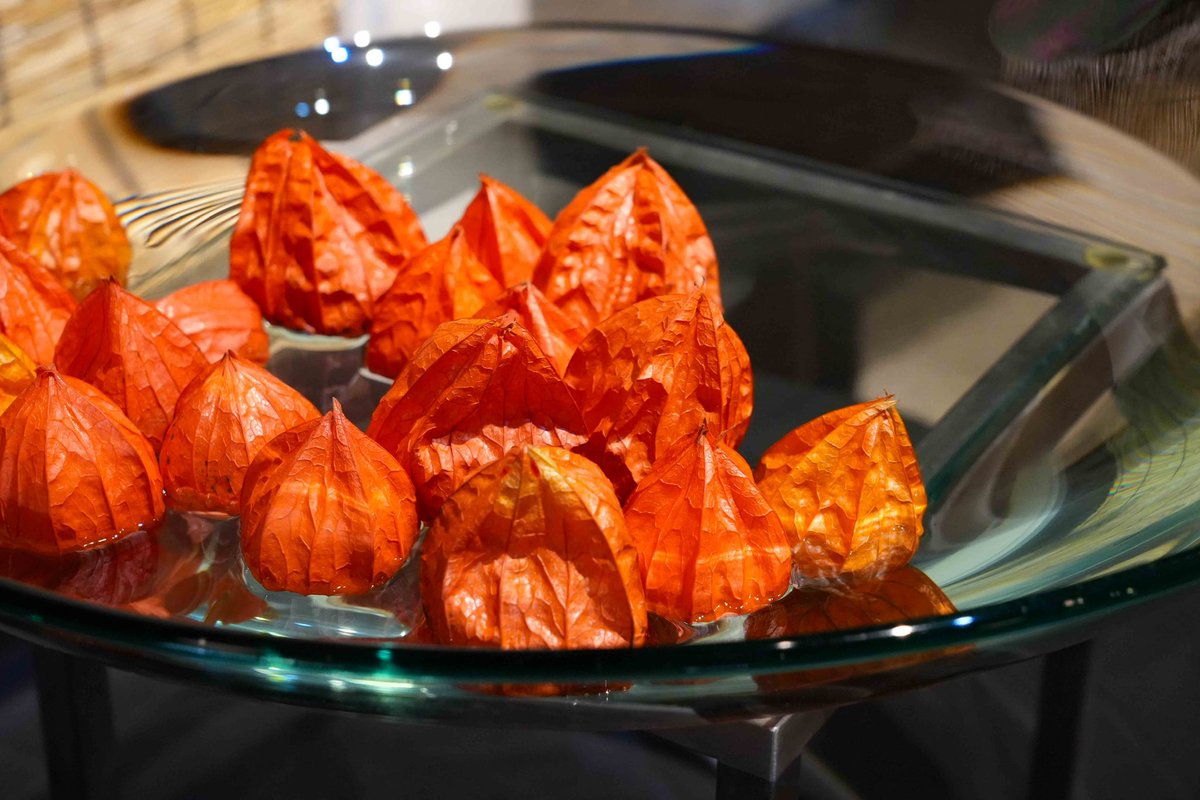
The Chinese lantern plant, known as "Hozuki" in Japanese, is cherished in Japan for its bright, lantern-like husks. These vivid orange husks, resembling small paper lanterns, have become a symbol of summer and embody the essence of traditional Japanese aesthetics.
#zen