Billy Wilder on Stanley Kubrick and his films:
Wilder: "I was at his house once, nice man. But a very strange man, he will not fly. The Shining [1980]—very smooth . . . and then there's that labyrinth. I love all his movies. Kubrick, he was a wonderful director, but sometimes . . . for instance I could never understand—and I cannot discuss it with anybody, because people have not seen that picture, that costume picture, Barry Lyndon [1975] . . ."
Cameron Crowe: "What about it?"
Wilder: "He worked like six months trying to find a way to photograph somebody by candlelight, not artificial light. And nobody really gives a shit whether it is by candlelight or not. What are the jokes? What is the story? I did not like it. That's the only Kubrick picture that I did not like, but look, what's the last one that he made?"
Cameron Crowe: "Full Metal Jacket [1987]."
Wilder: "The first half of Full Metal Jacket was the best picture I ever saw. Where the guy sits on the toilet and blows his head off? Terrific. Then he lost himself with the girl guerrilla. The second half, down a little. It's still a wonderful picture. You know, if he does a thing, he really does it. But this is . . . this is a career to discuss. Every picture, he trumps the trump. These are all pictures any director would be proud to be associated with, much less make. At a picture like The Bicycle Thief [1947], you forget that this is your profession. You just get lost in the picture."
Cameron Crowe: "What did you think of Dr. Strangelove [1964]?"
Wilder: "Oh, I love that. That's one of my favorite pictures, Dr. Strangelove. I was bewildered, but then I put some order in it, as I thought about it, and as I saw it again. It was a wonderful picture, but so was Lolita [1962]. She was a little too old. He had to make a little sacrifice there. I hear they've remade it again, getting the characters’ ages closer to the book. [Pause.] I'm ninety-one—I'm the right age. [Laughs.] But I don't know, except for Spartacus [1960], he did very good."
— Conversations with Wilder by Cameron Crowe (Alfred A. Knopf, New York, 1999)
Mel Brooks on how he got the idea to make "History of the World: Part I" (1981):
"I was walking across the parking lot at 20th Century-Fox on my way to my office when one of the grips who had worked on ''High Anxiety'' (1977) shouted to me from the back of a moving truck. ''Hey, Mel, what's next? Planning a big one?''
From out of the blue the biggest title I could think of popped into my mind: ''Yes, the biggest movie ever made. It's called 'History of the World.' ''
Someone else on the truck yelled: ''How can you cover the whole world in one movie?'' ''You're right,'' I shouted. ''Maybe I'll call it 'History of the World - Part I.' '' Actually, if truth be told, I hadn't a clue as to what I was going to do next. That was two years ago, but now - this Friday - ''History of the World - Part I'' opens.
(...)
Will there be a ''History of the World - Part 2''? No. Maybe a ''Part 4,'' never a ''Part 2.''"
("The World According to Mel Brooks", Mel Brooks, The NY Times, 1981)
P.S: On this day, 45 years ago, "History of the World: Part I" (1981) was released in the USA.
Once Upon a Time in America (1984) was meant to be Leone’s grand gangster epic, running over four hours. For its U.S. release, it was cut down to about 2 hours and 20 minutes and rearranged in chronological order, destroying the dreamlike structure he had spent years building. For mafia cinema lovers, it remains a true tragedy.
By 1982, Ridley Scott had already made Alien and Blade Runner, and he brought the same stylised mood to Roxy Music's “Avalon”, his only music video directing credit.
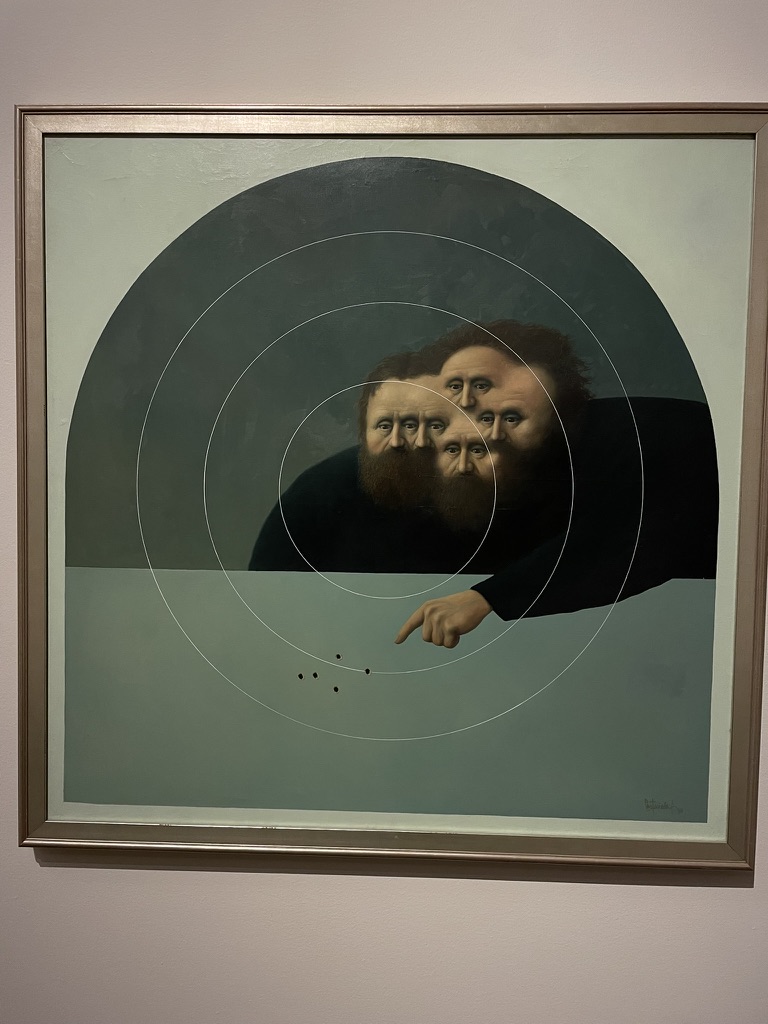
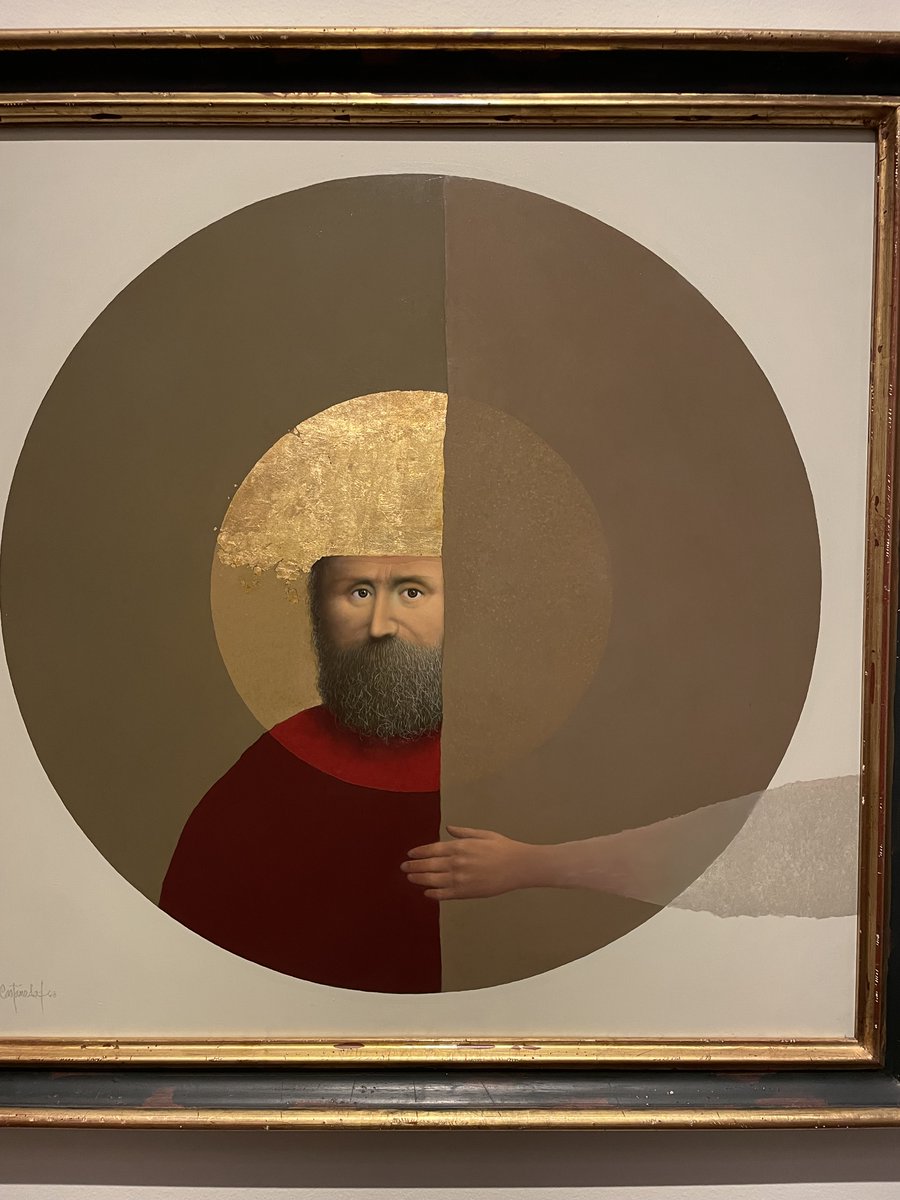
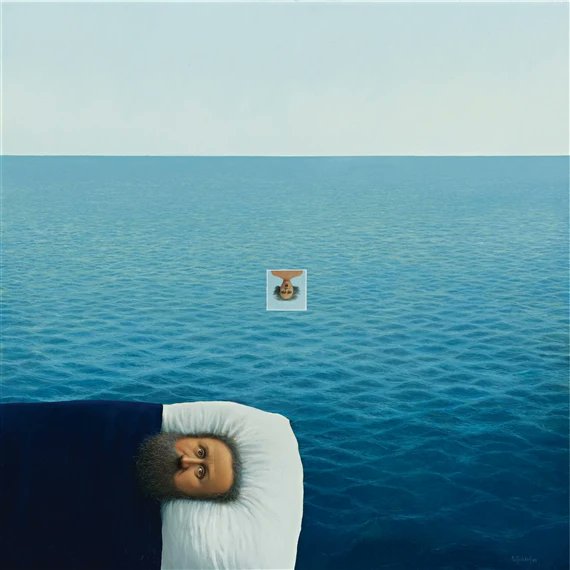
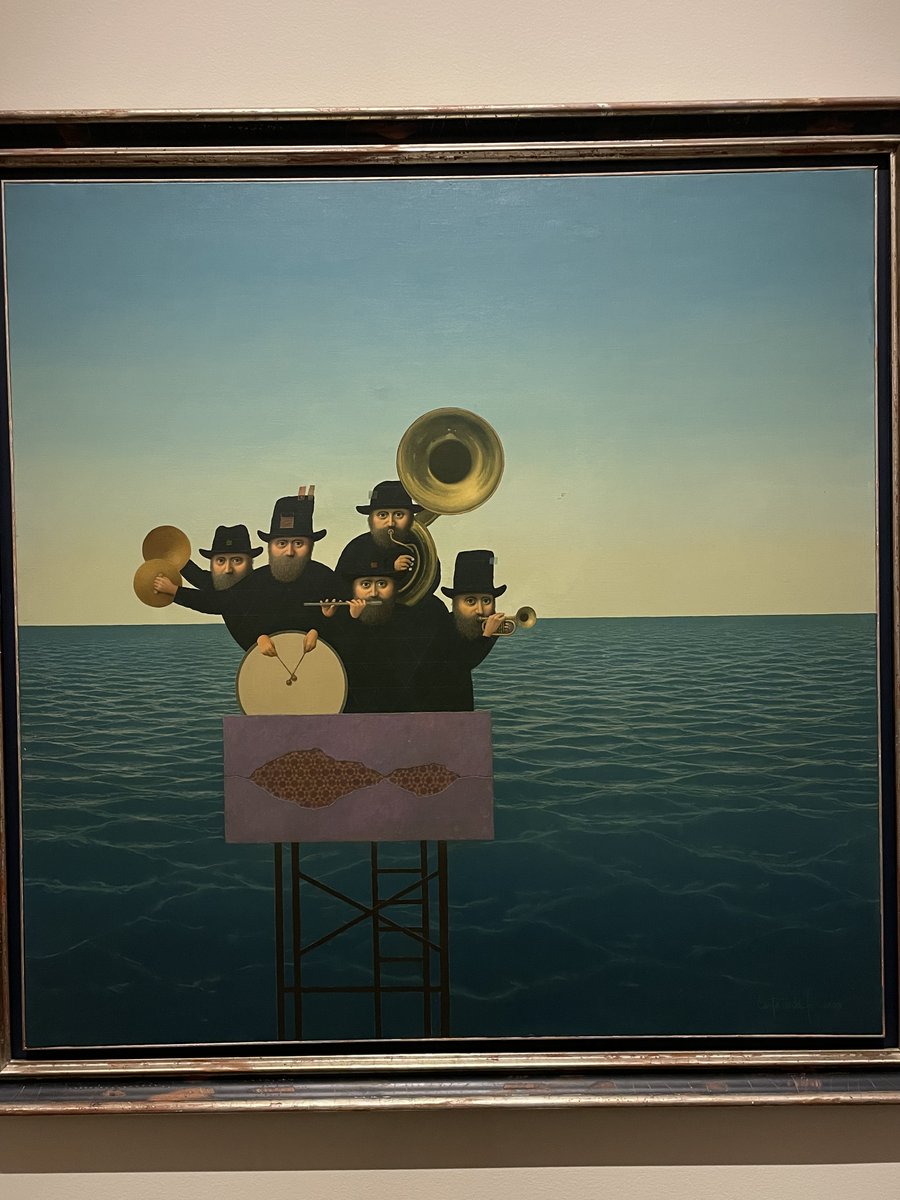
recently I saw an art exhibition that truly made me both laugh and cry: a retrospective of a painter I had never heard of before, Mexican surrealist Alfredo Castañeda (1938-2010). Every painting felt like an "instant classic," as if it had always been part of the canon
1/