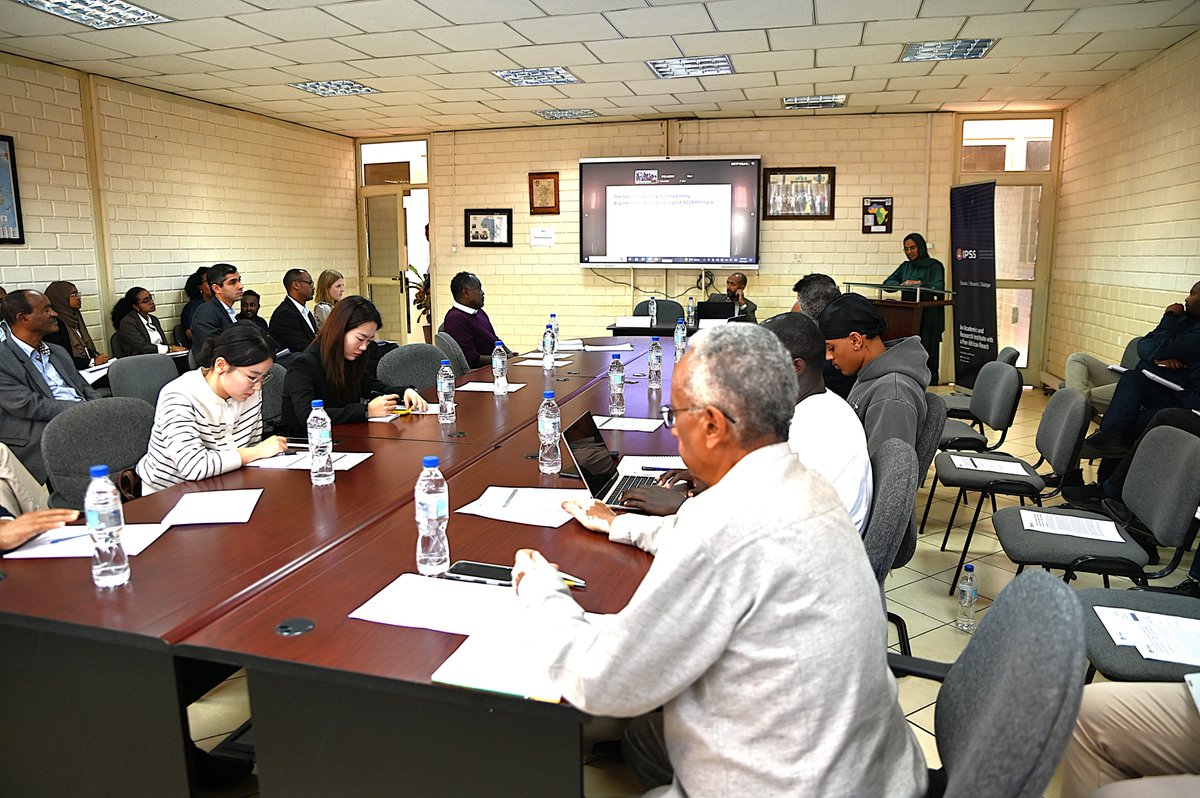
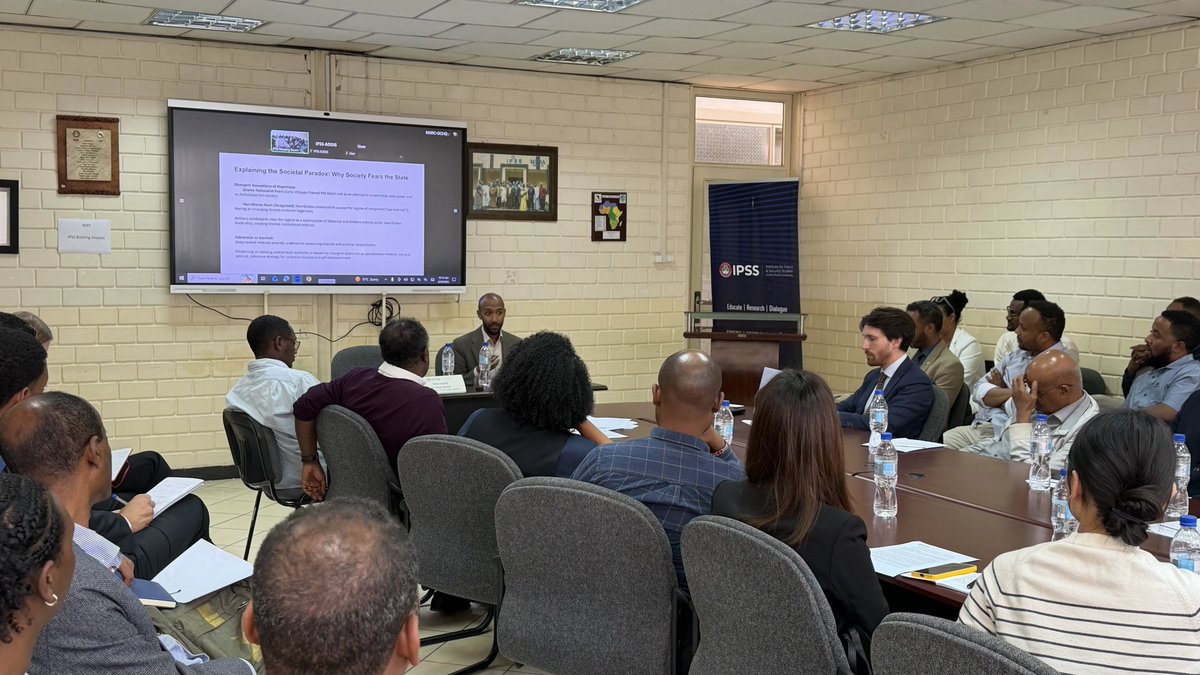
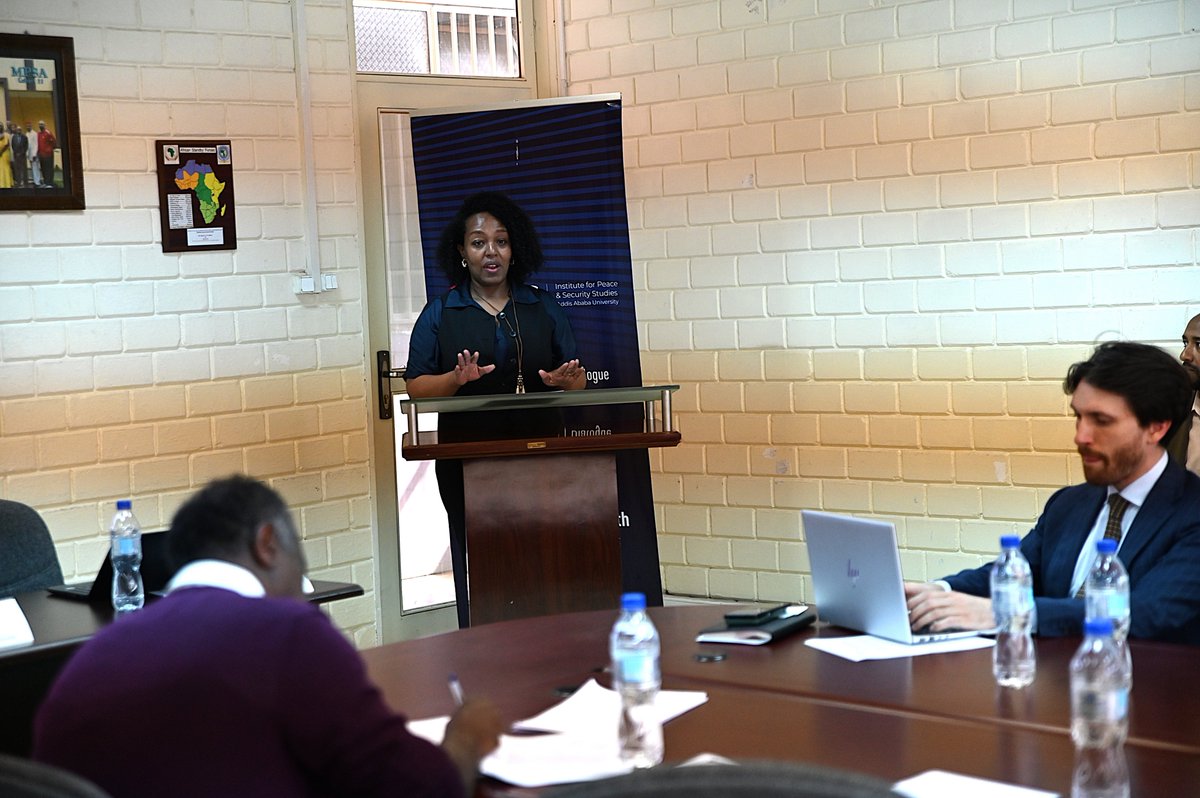
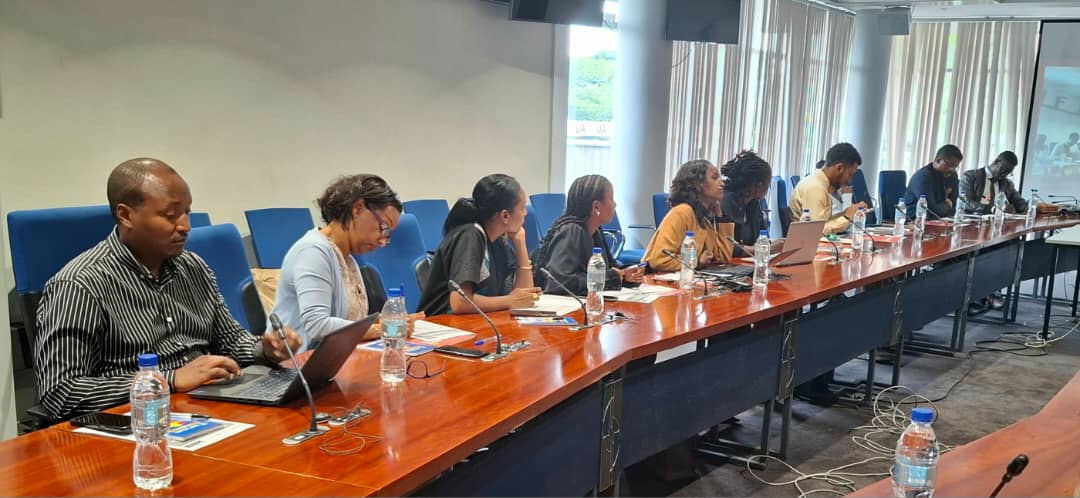
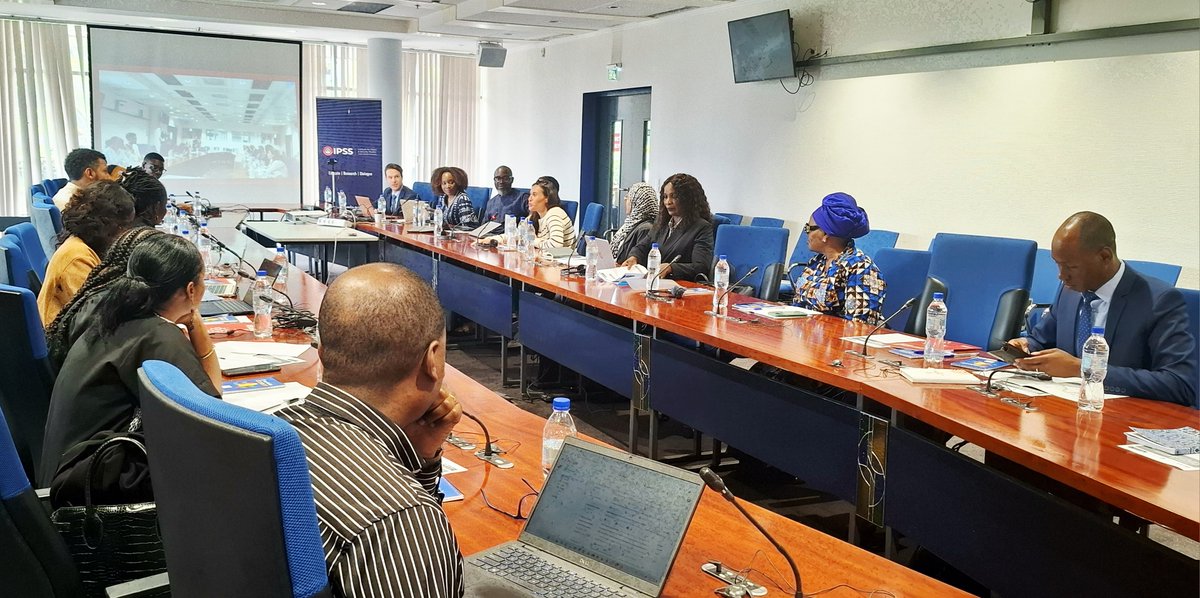
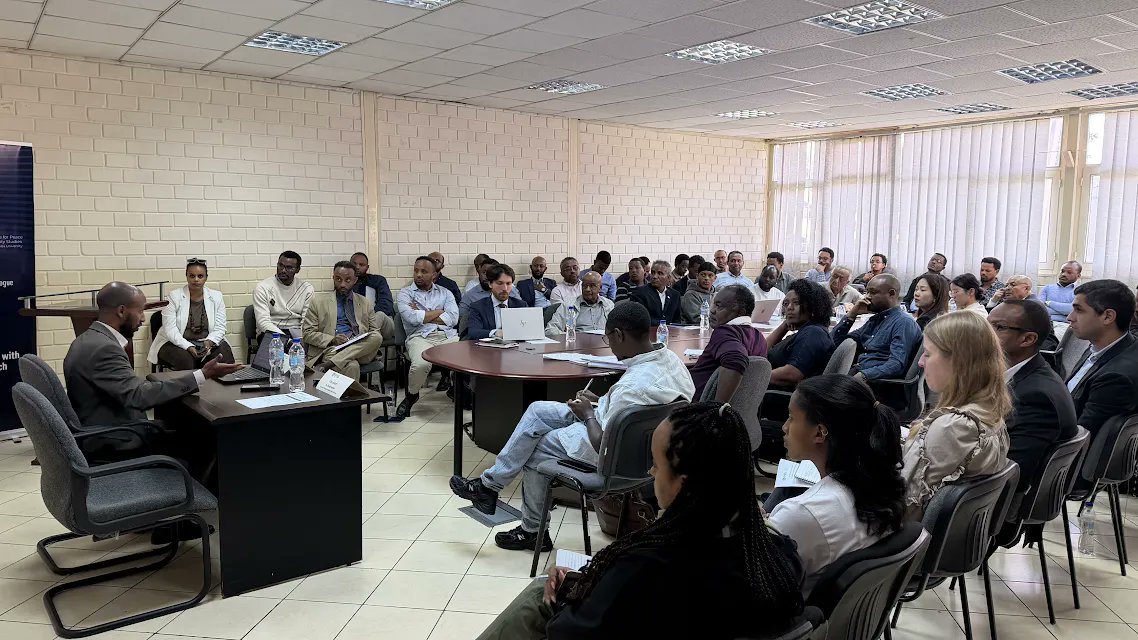
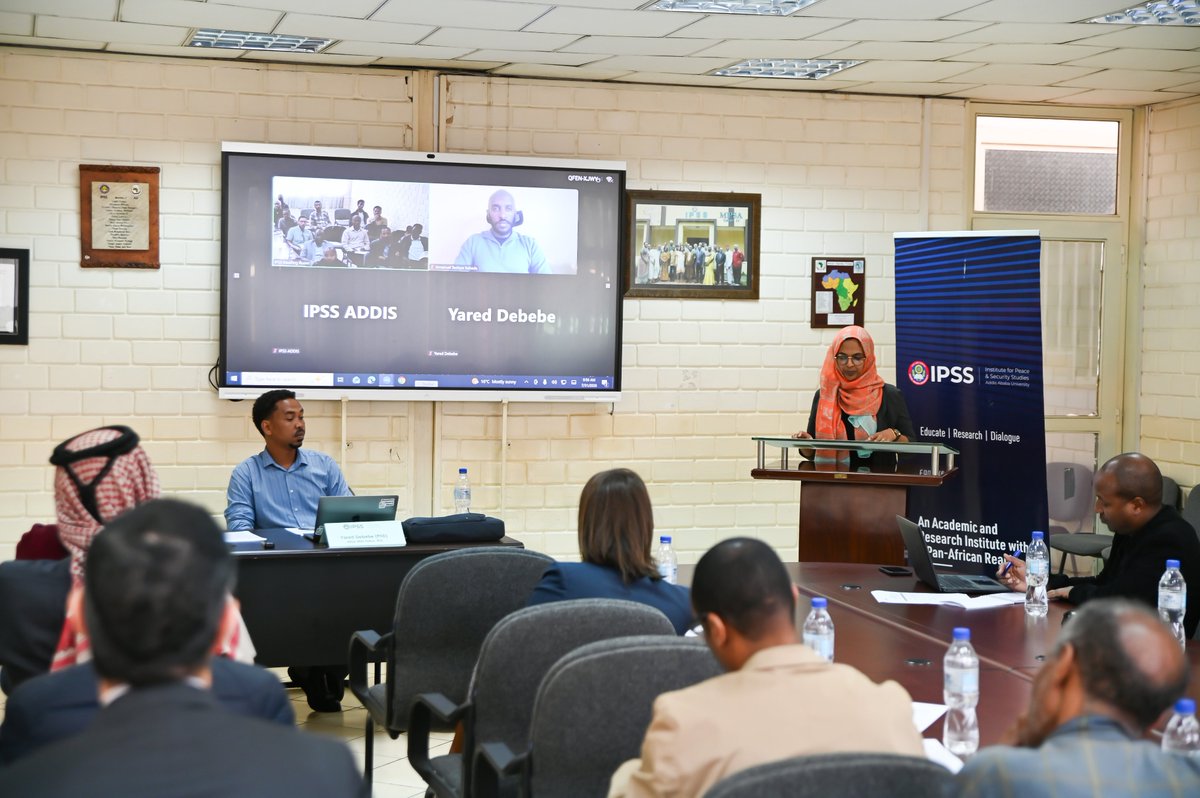
Happening now at the IPSS Conference Hall: Dr. Semir Yusuf, ARUA 2026 Fellow at IPSS and former Head of RVI’s Ethiopia Office, is presenting his research, "The Stability Paradox: Contradictory Aspirations and Violence in Post-2018 Ethiopia." The briefing session explores why state and non-state actors often co-produce instability despite their shared goals for political order. Featuring expert reflections from Dr. Dereje Feyissa, Associate Professor, College of Law and Governance, Addis Ababa University, the discussion offers analytical insights into the historical memories and power dynamics shaping contemporary conflict.
IPSS will be convening a policy dialogue on 3 September 2026 to explore how the draft UN Tax Convention empowers African states to curb illicit financial flows. Join Dr. Stephen Karingi, Director of the Macroeconomics and Governance division, (UNECA), Mr Getachew Teklemariam, Senior Programme Officer, Coalition for Dialogue on Africa (CoDA) AU HLP on IFFs from Africa Secretariat, AUC, and Prof. Alemayehu Geda, Professor of Development Macroeconomics & International Economics, Dept. of Economics, Addis Ababa University as they analyze pathways to dismantle conflict-financing networks and strengthen domestic resource mobilization.
Register here 👇🔗https://t.co/YQio1qa60h
#PolicyResearch #IllicitFinance #Peacebuilding
Today's briefing session examined the political economy of the conflict in Ethiopia’s Amhara region, focusing on insurgency dynamics, war economy, youth mobilization, and pathways toward peace.
The discussion highlighted how conflict financing mechanisms, including household contributions, checkpoint taxation, and other informal systems, have contributed to the continuation of armed mobilization.
Researchers emphasized that the conflict cannot be understood only through a security lens, but also through political grievances, economic exclusion, governance challenges, and social dynamics.
Key reflections included:
📍The role of youth unemployment, limited opportunities, and rural marginalization in shaping recruitment into armed groups.
📍How war economies create incentives that sustain conflict beyond its original political causes.
📍The need for peace efforts that address structural grievances, strengthen livelihoods, and move beyond short-term transactional approaches.
📍 The importance of understanding regional variations, local community experiences, gender impacts, and the long-term consequences of conflict on education and development.
The dialogue brought together researchers, practitioners, policy experts and diplomats to deepen understanding of conflict dynamics and identify areas for further research and policy engagement.
#PeaceAndSecurity #Ethiopia #ConflictResearch #WarEconomy #Peacebuilding
🚨New Insight April 25,2026
In this week’s IPSS Insight, Researcher Maysoon Mukheir from our Research and Policy Analysis Unit sheds light on the impact the conflict in Sudan is having on the country’s young population. In her Insight, entitled “A Generation Interrupted: Youth Mental Health and Sudan’s Future,” she stresses the importance of mental health awareness and youth empowerment in building a renewed social contract that benefits the people of Sudan.
🔗Follow the link to read the full Insight 👉https://t.co/wdRZMdT8D3
Advancing Institutional Collaboration: IPSS at UM6P
IPSS extends its appreciation to the University of Mohammed VI Polytechnic (UM6P) for the opportunity to contribute to the International Staff Exchange Week in Rabat.
This engagement enabled our Policy Dialogues and Strategic Partnership Coordinator, @FerialZoheb, to exchange ideas, share expertise and best practices, and explore new avenues of collaboration with academic and programme staff from partner institutions around the world. Discussions focused on forward-looking initiatives, including the role of artificial intelligence in higher education and innovative approaches to international project management.
Zoheb also shared IPSS’s institutional experiences during a dedicated session on research funding, highlighting the Institute’s ongoing work in strengthening research partnerships and resource mobilization.
IPSS further thanks the Faculty of Governance, Economic and Social Sciences (FGSES) at UM6P for fostering an environment that promotes academic excellence and global partnership.
#UM6P #GlobalExchange
Join us for a public lecture on Japan’s development path, post-war reconstruction, and peacebuilding lessons from Hiroshima, hosted at the Institute for Peace and Security Studies, Addis Ababa University, on March 03, 2026, from 9:00am to 1:30pm.
Speaker:
Professor Hideaki Shinoda, Tokyo University of Foreign Studies
Register to attend 👉 https://t.co/G5qnUurfry
Digital technology is transforming peacebuilding across Africa. Efforts to counter online hate speech, strengthen early warning systems, and improve information sharing now shape how communities prevent and respond to conflict. Policy choices also guide how artificial intelligence supports conflict transformation.
#IPSS, in collaboration with the @ssrc_org, hosts a seminar titled Policy Pathways for Localising Digital Technologies for Peacebuilding in Africa. The session takes place in two days on 29 January 2026 from 10.00 a.m. to 11.30 a.m. EAT at the IPSS New Conference Hall. Dr. John Sokfa presents early research findings from across the continent.
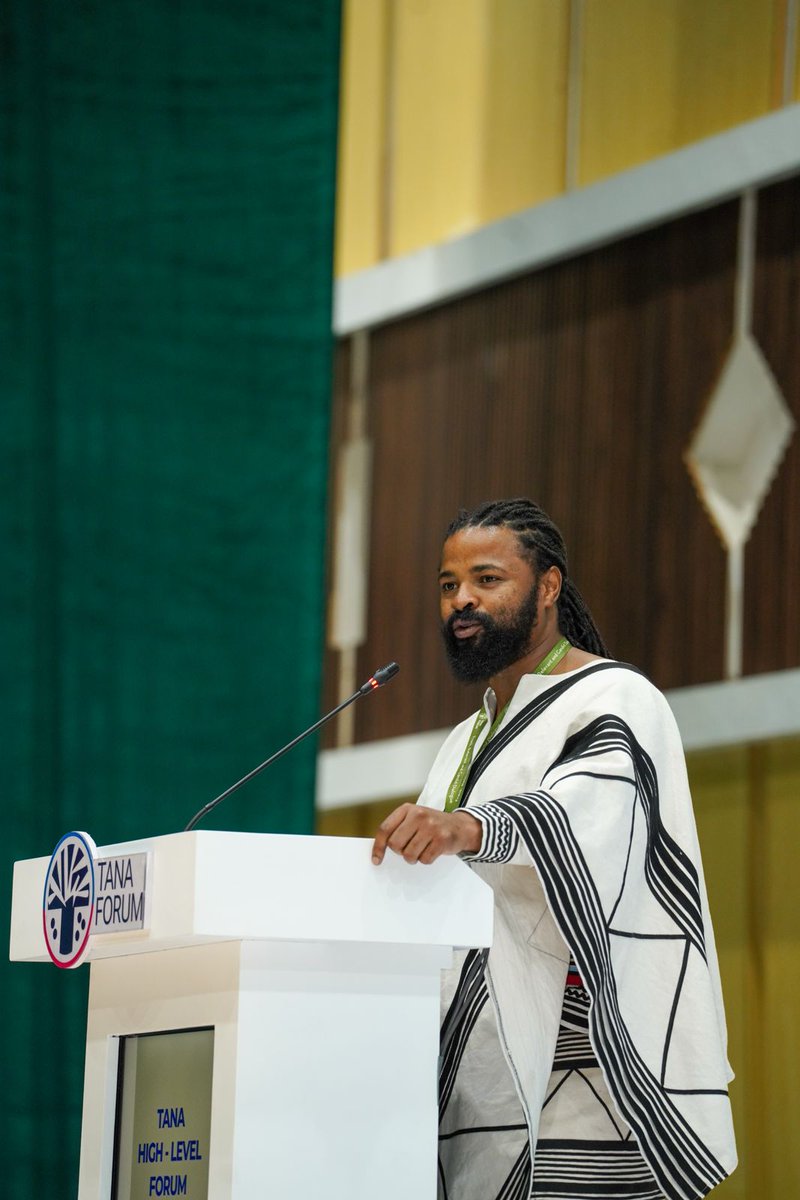
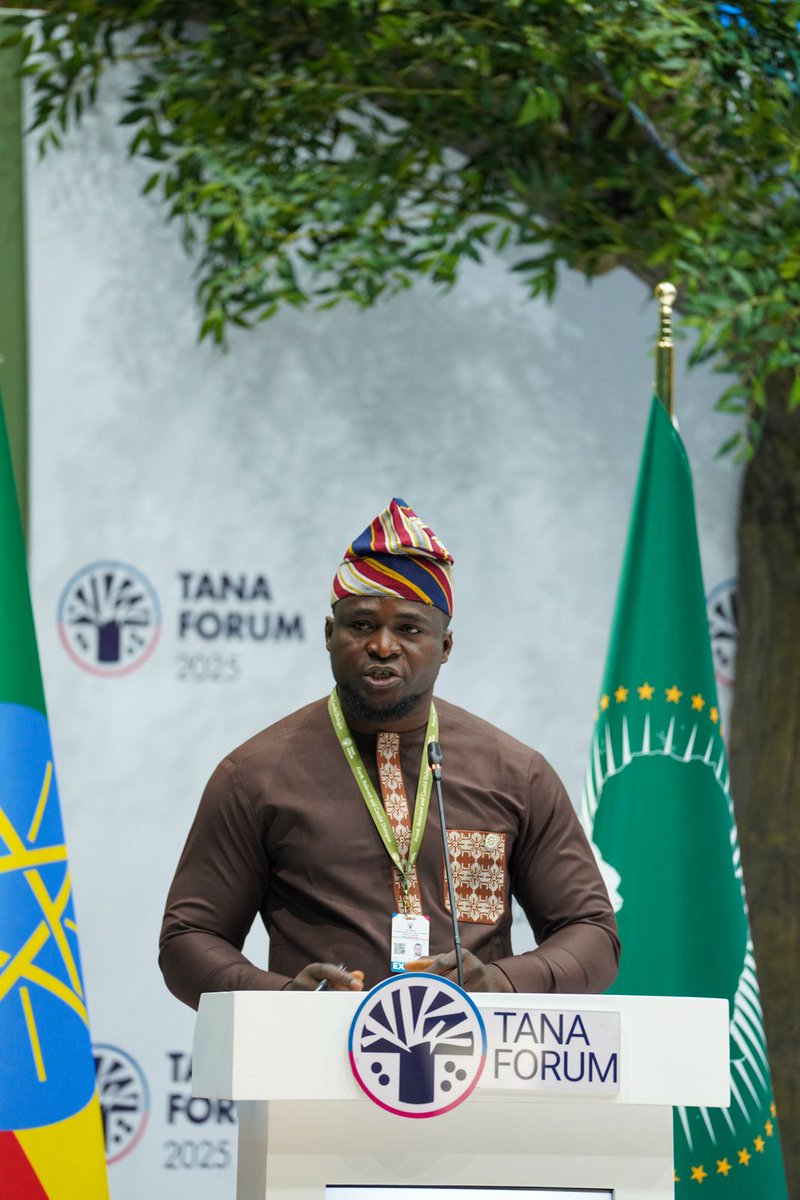
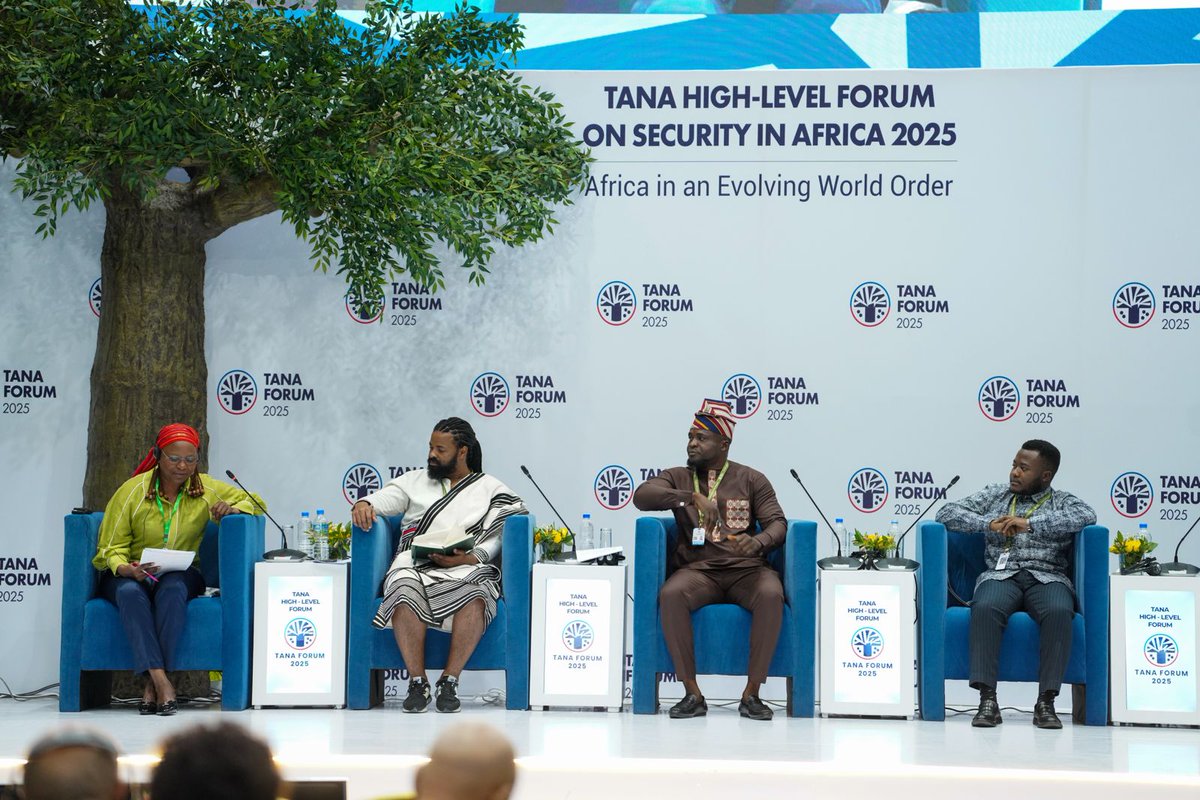
On 24 Oct, #BahirDar University hosted a powerful Vice Chancellors’ Dialogue on the sidelines of #TanaForum2025. African university leaders met to rethink the continent’s role in a changing world under the theme “Harnessing Local Knowledge and Advancing Global Solutions.”
At Tana Forum 2025, African leaders called for renewed vision and unity.
Former President @DrJoyceBanda reminded participants, “The founding of NEPAD was intended to promote African integration, self-sufficiency, partnership and development”,
Let’s move from token participation to co-creation and shared power.Young Africans must go beyond being invited to discussions, young people must shape outcomes.
To this end, Africa has to address its marginalization at the global level, the challenges of poverty, governance, climate change, and cyber-propaganda".
What feels like global disorder is a shift in power and ideology — where democracy and authoritarianism blur. The key question is not what’s happening, but what is Africa going to do to shape its place in this global disorder (H.E. @MichelleNdiaye1)
Europe believes this is the time for Africa… The way forward is to work with and through the multilateral system to ensure it is effective in achieving the desired outcomes for the continent (Amb. Javier Nino Perez Ambassador)
H.E. @SinaZerbo, made the welcoming remarks on behalf of H.E. President @JDMahama. The chair noted that: "Africa is at the crossroads of whether it becomes an actor or a theatre/chessboard for global ambitions.
🔴Live Now:
“From Paper to Practice: Making the PCRD Work on the Ground”
Moderated by Dr. Olajumoke Ayandele, this session invites participants into a Q&A dialogue exploring how to translate the #PCRD policy into action.
#PCRD2025#AU#Peacebuilding#AfricaForward