False memories usually refer to the phenomenon of remembering an event differently from how it really occurred. These false memories have been particularly troubling in eyewitness identification and testimonies in criminal cases.
https://t.co/S4GjciAf7U
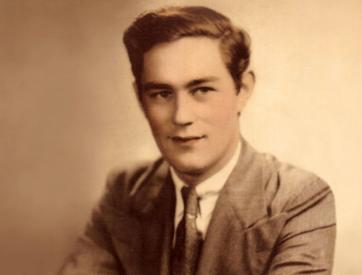
Patient H.M is one of the most well-known case studies about memory. His contribution to the understanding of memory as subdivided and association with medial temporal structures still thrives in Neuropsychology.
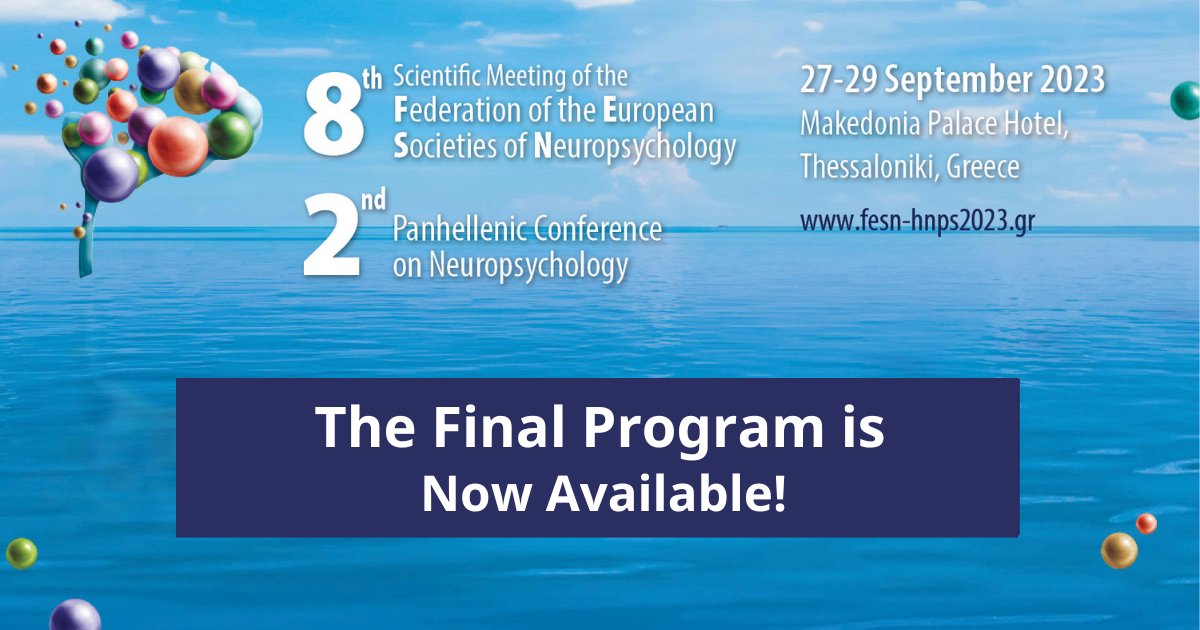
🤩The Final Program is now available!
https://t.co/Yw5VbMuzJF
Register now and participate in high quality lectures while networking with esteemed scientists and people from diverse backgrounds, all sharing common interests and goals. https://t.co/md18c0I7fl
Short-term memory and working memory are two concepts that are usually confused. In the following TEDx video Peter Doolittle focuses on the functioning of working memory.
https://t.co/P7tLF27oor
In the following article Dennis Norris presents an updated case for the differences between short-term and long-term memory. Check it out!
https://t.co/wwQLkJmyTx
The following website presents detailed information about Dynamic Temporal and Tactile Cueing (DTTC) and apraxia of speech.
https://t.co/yvyAT1i7QN
https://t.co/NMTqCCTcMP
An interesting article about Alzheimer’s disease and
language is the following: A cross-sectional and longitudinal study on the protective effect of bilingualism against dementia using brain atrophy and cognitive measures. Check it out! https://t.co/y4uPqedZpo
Evidence from an emerging sign language reveals that language supports spatial cognition. This study, which was carried out on groups who know two different sign languages, reveals new data on the spatial cognition of sign language. https://t.co/bzznR9UiLK
Check out this informative and entertaining content that explains the components, origins and outputs of the language. In this content, Crash Course Psychology deals with the emerging theories on language and the change of language in aphasia.
https://t.co/GlrzrzrICf
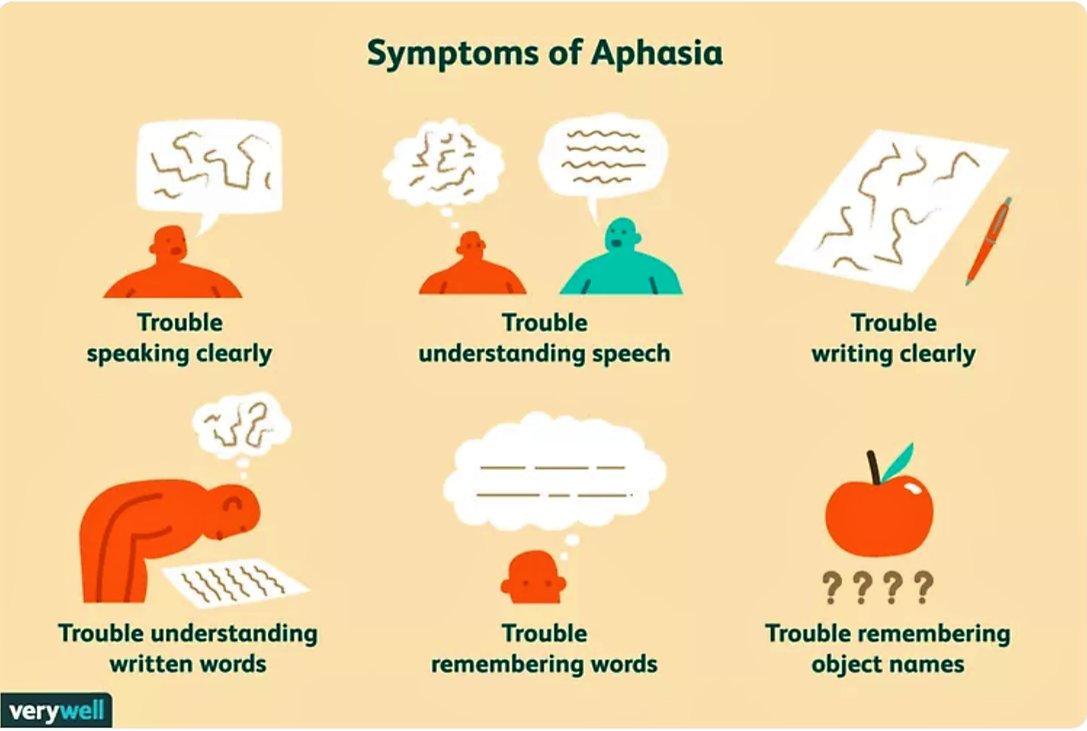
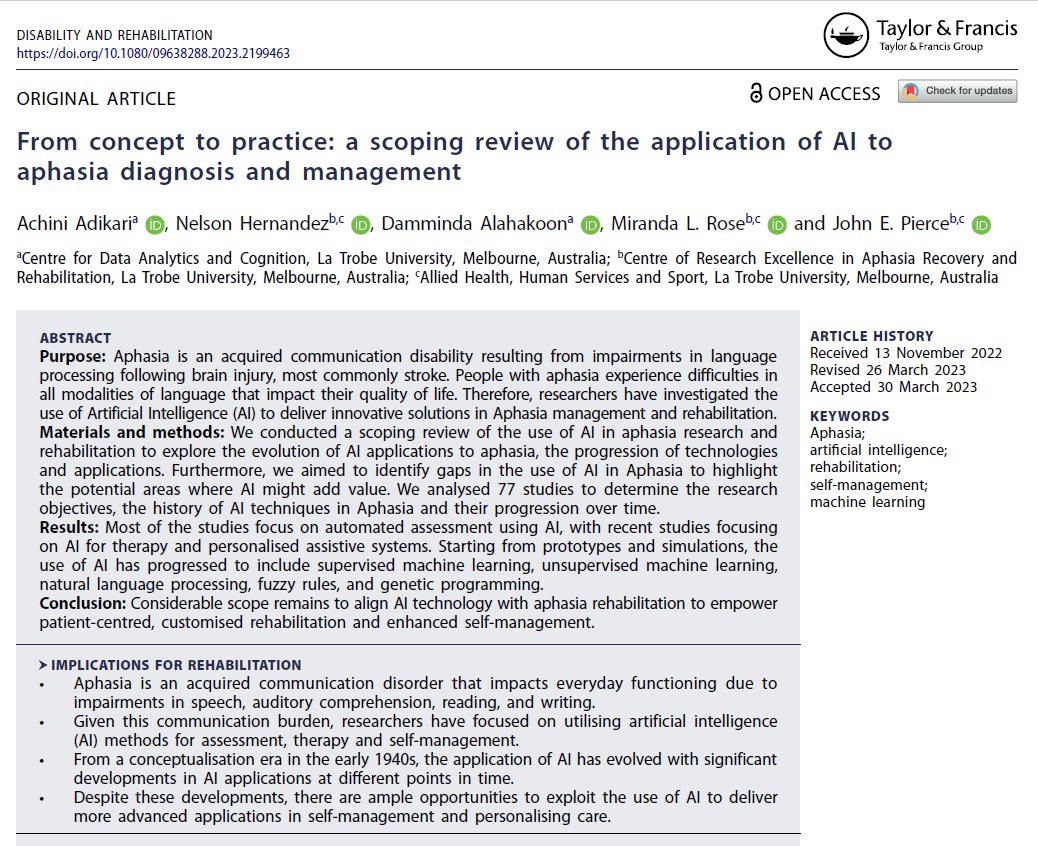
World Aphasia Awareness Day is close. A recent insightful review explores the potential use of AI in aphasia diagnosis and management.
https://t.co/PWvvxsN5OX
In the following podcast of Navigating Neuropsychology Dr. Marc Norman presents an interesting case study of an adult with frontal tumor.
Check it out https://t.co/veCG4KY14M
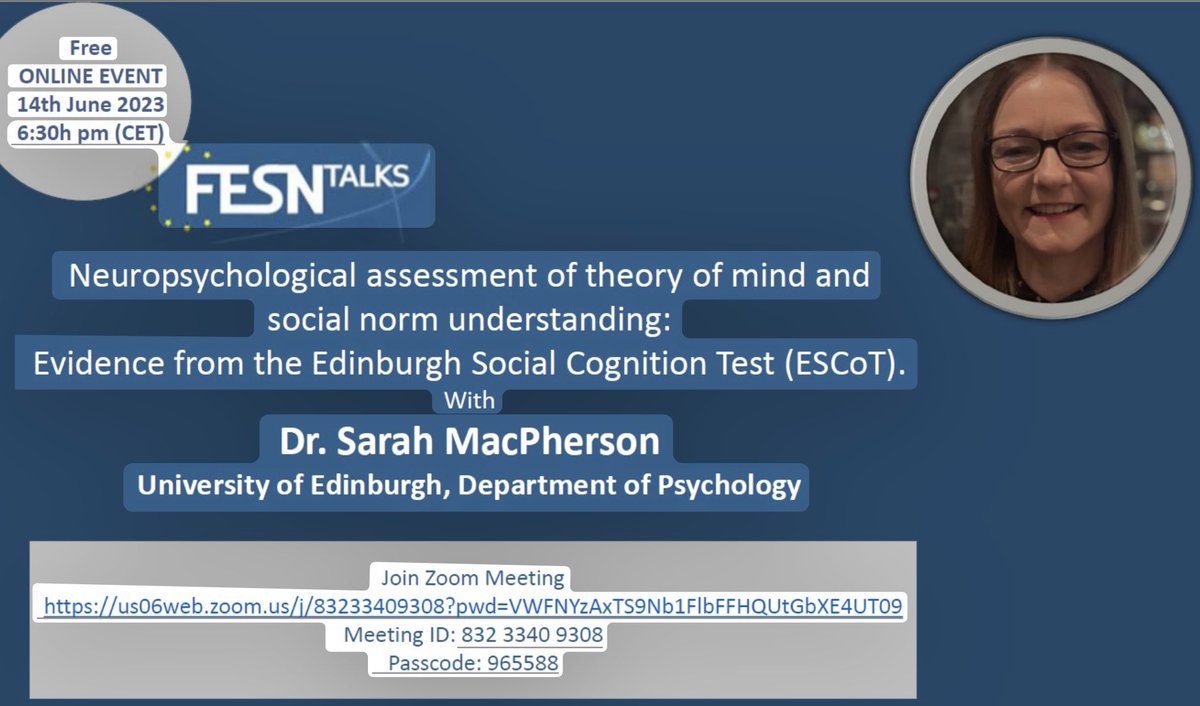
Yesterday’s FESN talk was very informative. Thank you Dr. Sarah MacPherson for the interesting talk!
If you want to be updated about future FESN talks follow our page.
Looking forward to our 2nd FESN Talks free online Event on June 14th 2023, 6:30 pm @semacpherson will talk about assessment of #theoryofmind. More information https://t.co/ri2EnlZ9bt Join at https://t.co/ucUKVYtF7q
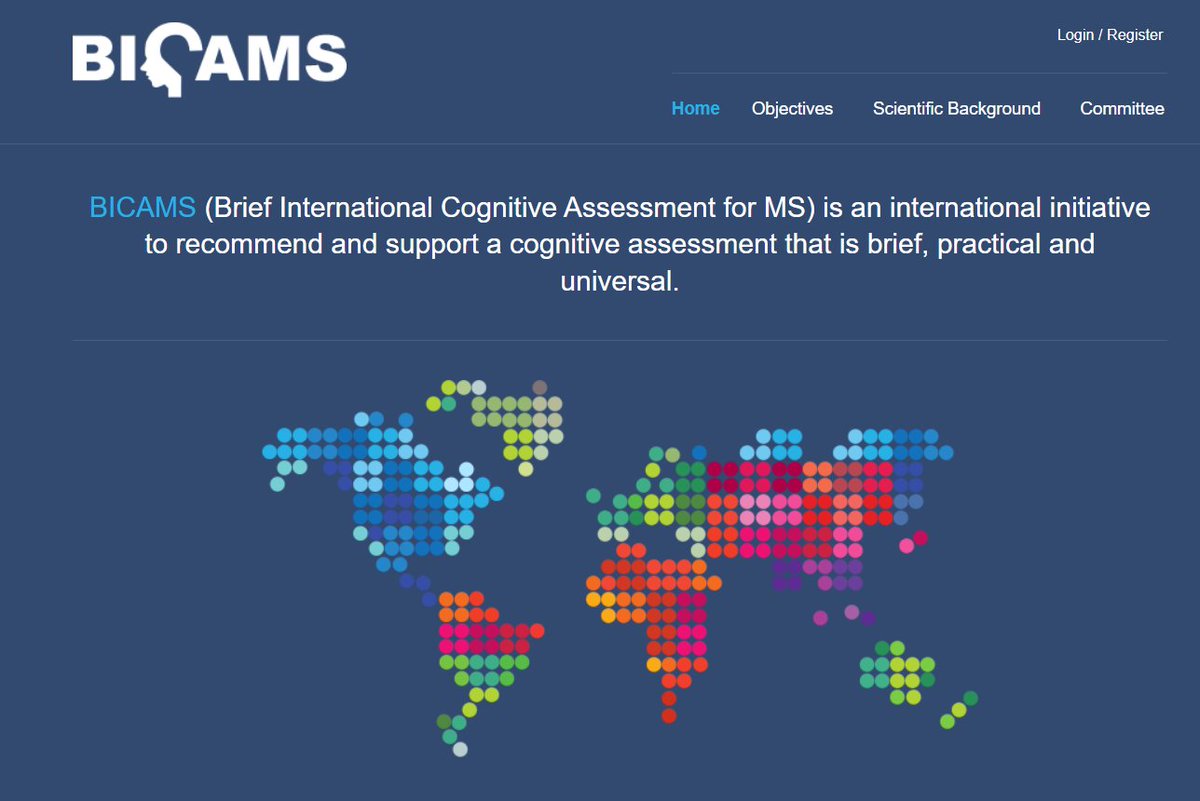
Today is World Multiple Sclerosis Day! A brief, practical and universal tool for cognitive screening of MS patients is the BICAMS that involves Sympol Digit Modalities Test and the California Verbal Learning Test.
https://t.co/wS2zHNYDUW
World Multiple Sclerosis Day is close. This lecture offered by KnowNeuropsychology explores the ecological momentary assessment of multiple sclerosis symptoms!
https://t.co/Vb3P0zWaAq
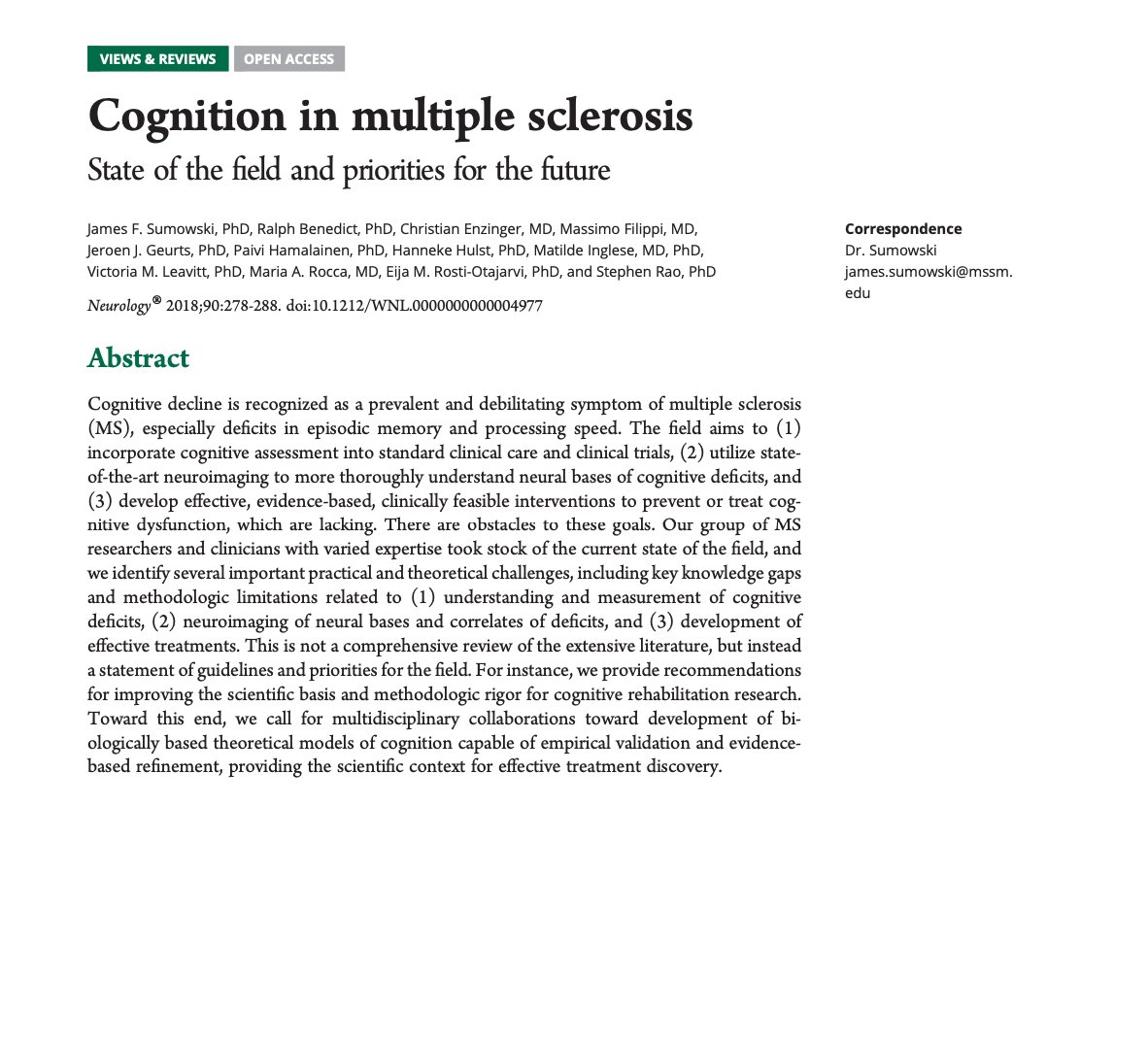
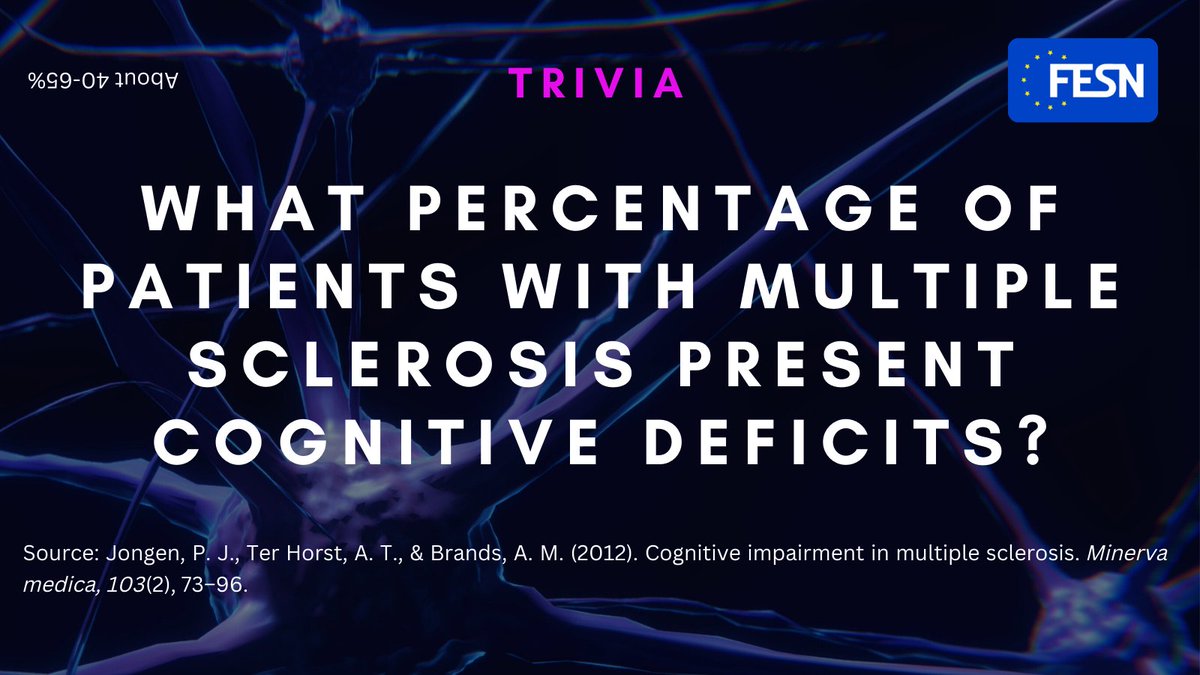
Did you guess correctly on our last post? About 40-65% of patients with Multiple Sclerosis present cognitive decline. The following article explores cognition in Multiple Sclerosis.
https://t.co/Uj8LelvoCn.