Ribbon cutting for @MoffittNews new Digital Pathology scanning laboratory and program. Nine scanners were unveiled, supported by state funding & the Moffitt Foundation. Elected officials joined us to help strengthen cancer care in our community & the rural areas of our state.🤝
Thrilled for Speros and @MoffittNews to help lead FORGE, a bold effort that will help position Tampa Bay as a national hub for #radiopharmaceuticals alongside regional partners including @EmbarcCollectiv, @USouthFlorida and @PHSCedu.
Radiopharmaceuticals are targeted therapies that deliver radiation directly to cancer cells with precision, offering new ways to reach cancers that have been historically difficult to effectively treat.
https://t.co/qzHX8gQKiL
Think clinical trials are only a “last resort"? Think again.
Clinical trials are helping drive the next generation of cancer breakthroughs and giving patients access to innovative new treatments every day. During #ClinicalTrialsMonth, we’re busting 4 of the biggest myths about clinical trials.
#NationalCancerResearchMonth #ClinicalTrials
https://t.co/Lf7dxumEcR
🧬 #ScienceSaturday
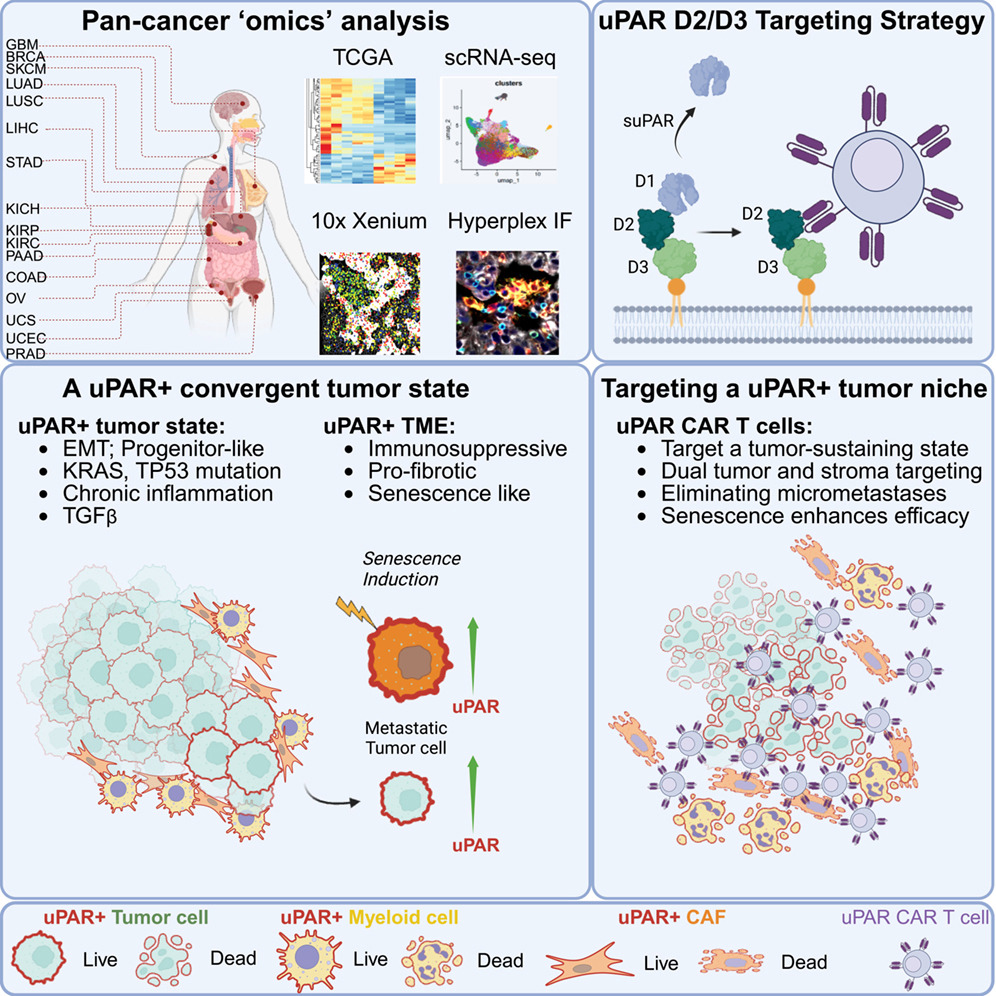
❓ What if cancer treatment could target not only tumor cells, but also the tumor’s stromal support: non-malignant, non-cancerous cells within the tumor microenvironment, that actively help cancer grow, spread, and resist treatment?
➡️ In a new study published in @CellCellPress, researchers identified uPAR, a cell-surface protein linked to aggressive tumor behavior, as a marker found on both solid tumor cells and the fibrotic, immune-suppressive environment that helps sustain them.
➡️ The team developed uPAR-targeted CAR T cells that attacked both tumor cells and their supportive stroma, leading to durable tumor regression across multiple cancer models, including metastatic disease.
➡️ They also found that senescence-inducing therapies, like chemotherapy, increased uPAR expression and made tumors even more vulnerable to CAR T cell treatment.
🌟 This dual-targeting strategy could help overcome some of the biggest barriers to CAR T therapy in solid tumors, including immune suppression and treatment resistance.
🔗 Read the study: https://t.co/dvHrEzUZ7F
@ZedaZhang@Aveline_Filliol@LoweLabMSKCC
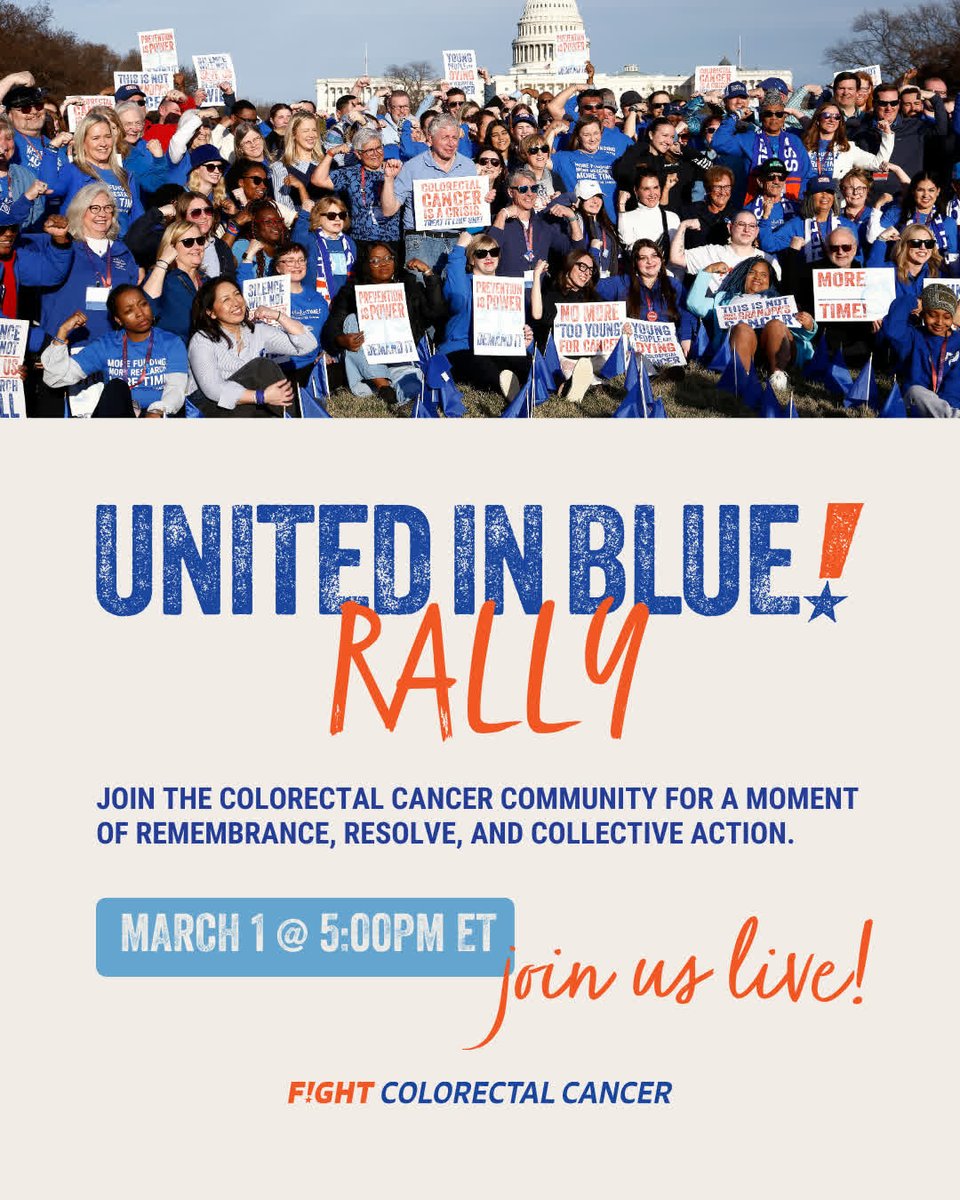
Rally day is here! 📣📣📣
Tonight, the #ColorectalCancer community will gather on the National Mall for the United in Blue Rally — honoring those we've lost and demanding action for those we love.
Join the Rally LIVE at 5PM ET on our Facebook page: https://t.co/YZsT5CbgAf
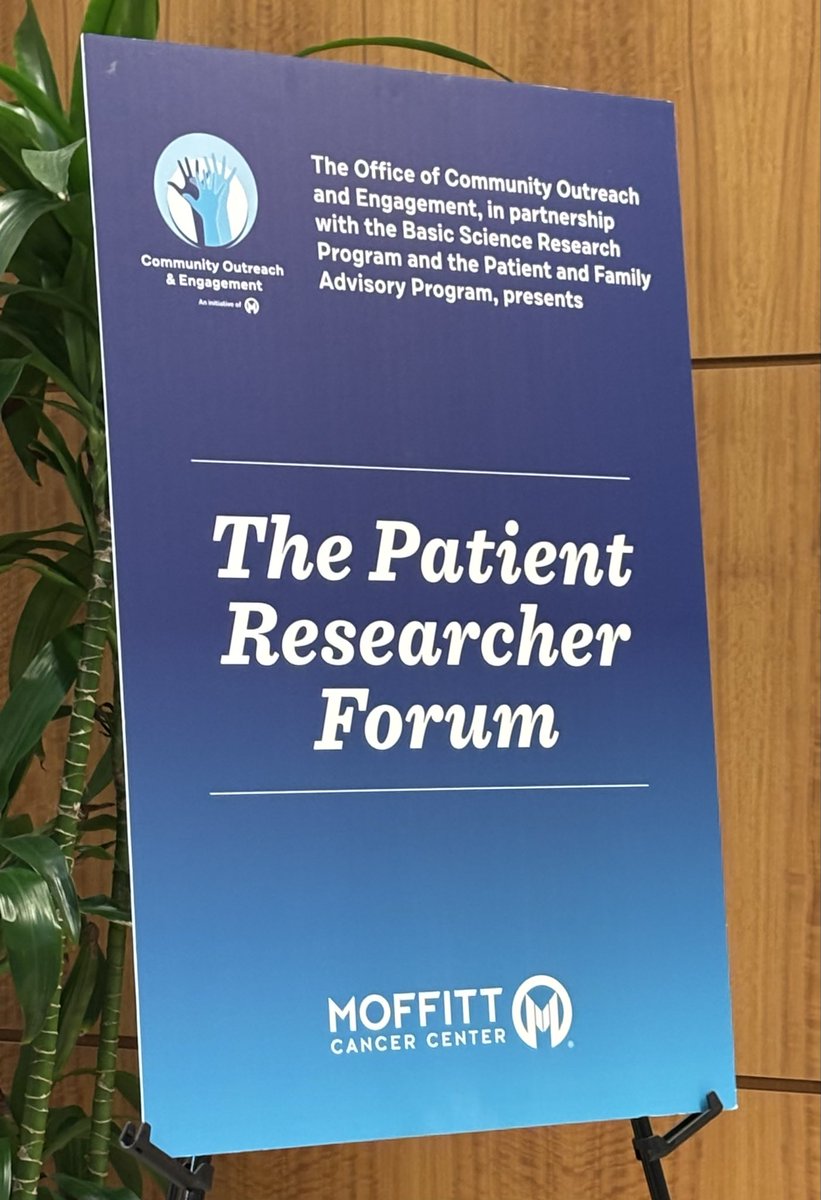
Mrs. Danni Gallagher, CRC survivor, stressed the importance of addressing post radiation and chemo side effects - the effects left over from having cancer and beating it! #Patientrearchforum@fightcrc@MoffittNews
@StuartMaudsley noted it is interesting that @MoffittNews CRC Patient Researcher Forum coincided today with Lent and Ramadan. Both practice a period of cleansing fasting. Fasting improves metabolic health and may lead to a change in dysfunctional gut aging @FightCRC
#ScienceSaturday
❓ Did you know the #bacteria living in your gut can help determine how well cancer immunotherapy works?
➡️ A new study in Nature reveals that certain gut microbes can “educate” the immune system long before it ever reaches a tumor. In mice, a specific gut bacterium trained helper T cells in the intestine, giving them a memory of what to attack.
➡️ When those trained T cells later encountered a tumor carrying a matching signal, they traveled from the gut to the tumor and switched into a more aggressive, cancer-fighting mode. Once there, they released powerful immune signals that helped rally killer T cells, the immune system’s main tumor-destroying force.
➡️ This gut–immune connection made immunotherapy (anti-PD-1 treatment) far more effective. Tumors shrank, immune cells were more active, and survival improved. When the gut bacteria or these trained T cells were missing, the same treatment worked less well.
➡️ The findings help explain why some patients respond strongly to immunotherapy while others don’t, and point to the gut microbiome as a potential new way to boost cancer treatments in the future.
🌟 Kudos to the researchers for uncovering this fascinating link between gut bacteria, immune memory, and tumor control! @NyuMed@Nature@nyuniversity@NatureMedicine@Perlmutter_CC@hhmi_science
🔗 Read more in Nature: https://t.co/3f90lE4i8K
At #MoffittGI26, Jason Denbo, MD (@DenboJw), and Richard Kim, MD, discuss the significance of the inaugural Moffitt GI Symposium, emphasizing how its interdisciplinary format inspires thought-provoking dialogue and diverse perspectives across GI cancers.
World Cancer Day—Seeing the Person, Not Just the Diagnosis
Today serves as a reminder that cancer is more than a disease. Families, finances, identity, mental and physical health, and other aspects of life are all impacted.
An update to the Hallmarks of Cancer framework for understanding (and researching) what causes human cancers. https://t.co/3d6pYrcAJ5
Douglas Hanahan
@CellCellPress
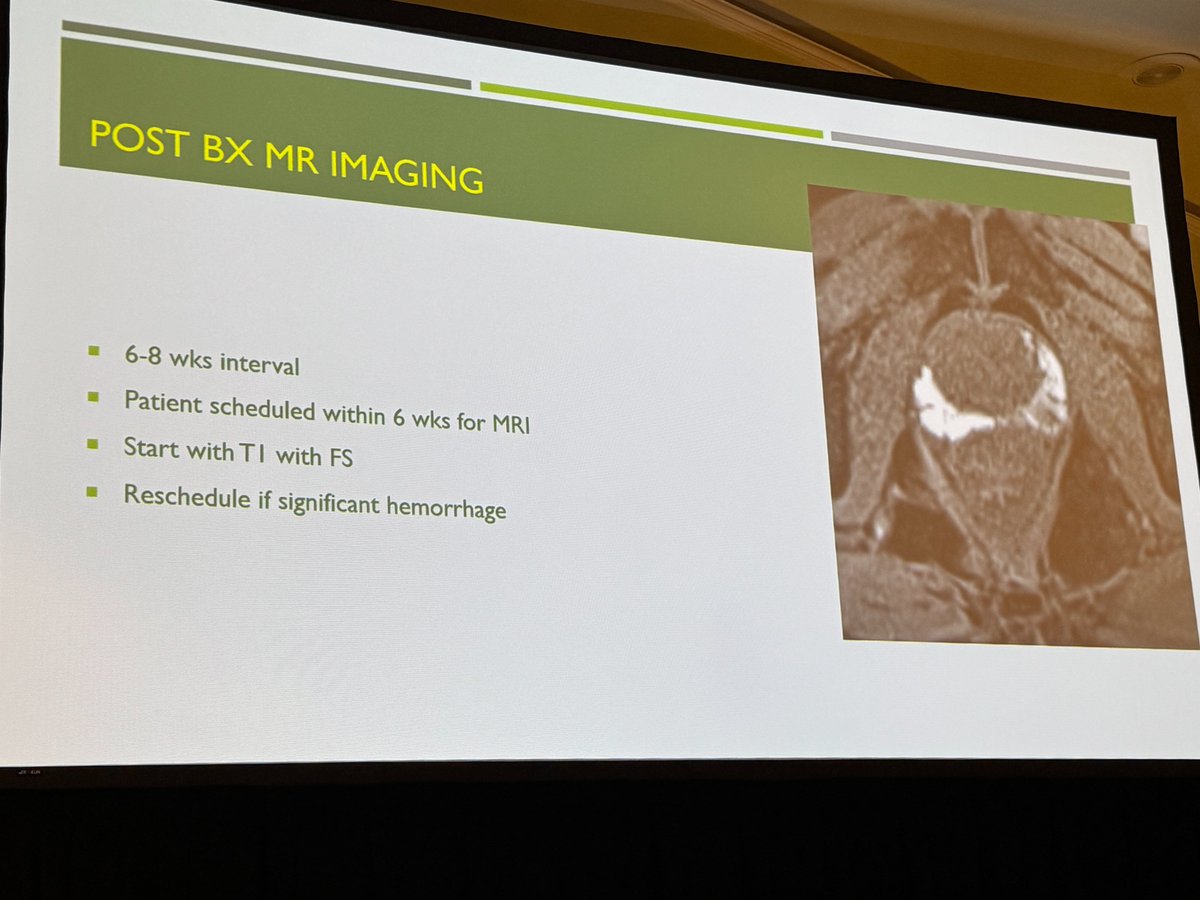
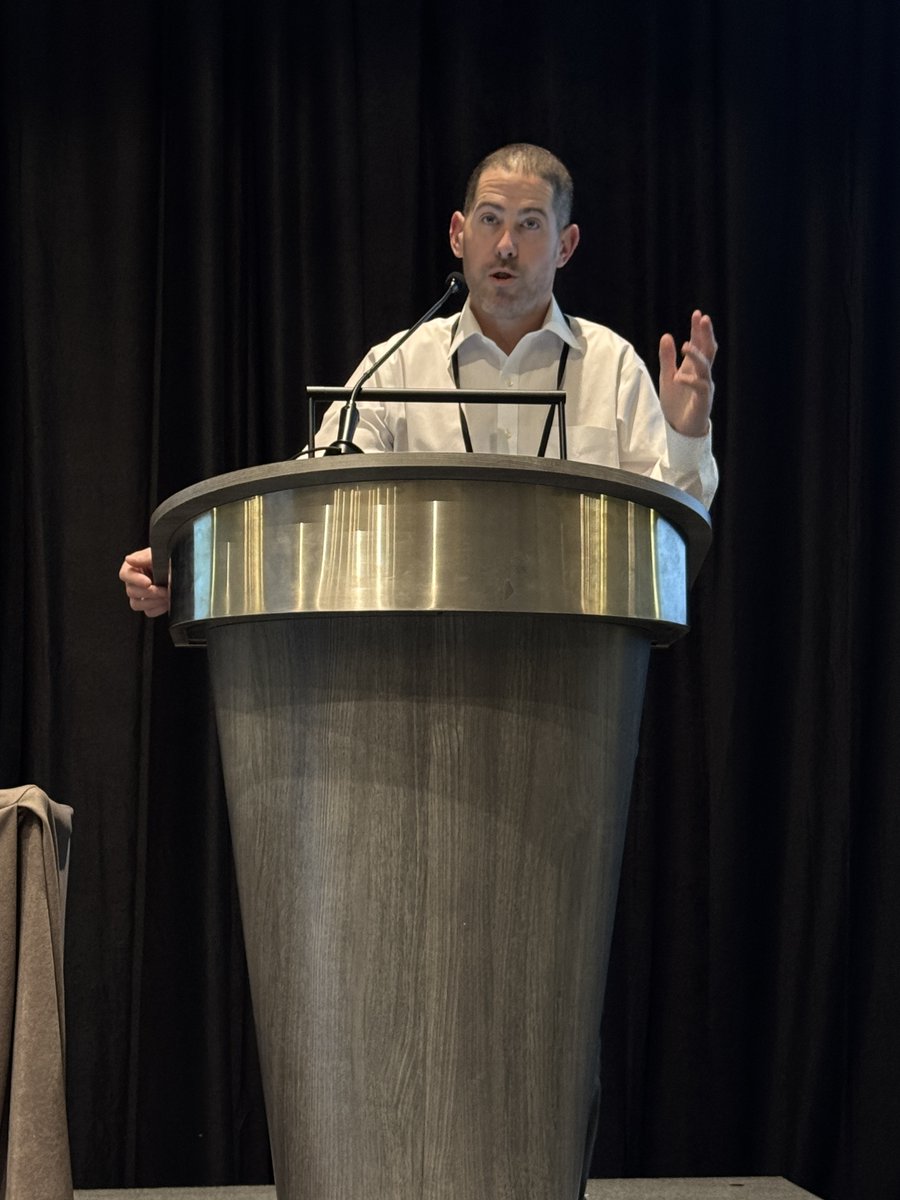
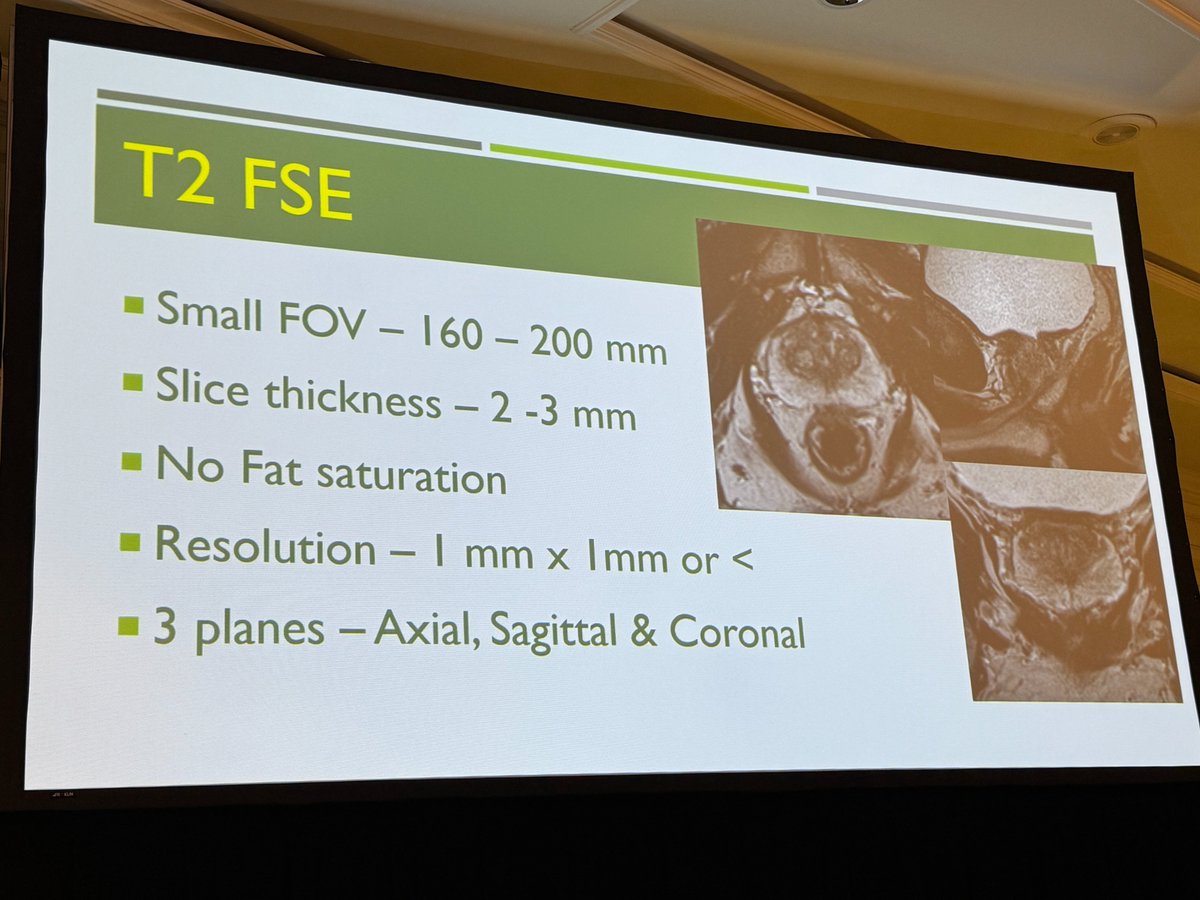
Live from #AdvancesInUrology: Brandon Manley, MD walks urologists through Prostate MRI 101, discussing why imaging matters and key criteria that can help inform prostate cancer decision-making.
Key takeaways:
• MPR MPRI is the gold standard for prostate cancer detection and staging.
• MRI technique and quality control is crucial.
• Prostate cancer can be multifocal.
• Transition zone cancer is not as uncommon.
• Large FOV images for evaluations of LNDS and bones.
• Awareness of pitfalls.
Moffitt patients, doctors and researchers returned to Tallahassee for Moffitt Day at the Florida Capitol!
Advocates met with leaders from both sides of the aisle to help ensure Floridians continue to have access to the latest cancer care and research.
For nearly 40 years, state support has helped turn discoveries into changed lives — and this year’s conversations highlighted what’s next, with a special focus on nutrition.
We’re grateful for Florida’s continued support as we work to prevent and cure cancer!