This fashion revolution week has awakened your interest in the subject and you want to learn more? Here are three of the most relevant books on the issue of the fast fashion industry.
3) In The Conscious Closet, Elisabeth Cline calls for action to transform one of the most polluting industries —fashion—into a force for good. Learn where and how our clothes are made, before connecting to a global and impassioned community of stylish fashion revolutionaries.
We are thinking of the people who suffered at the hands of the fast fashion industry and will continue to fight against the injustice that forced these individuals to work in unsafe conditions.
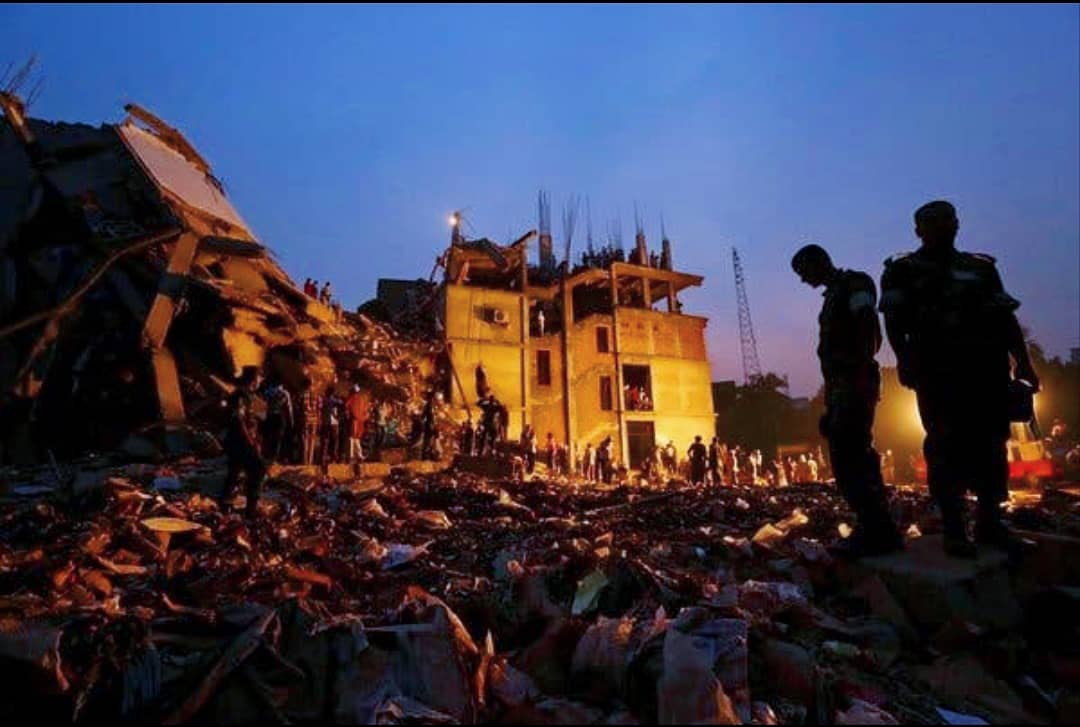
Today marks the anniversary of the Rana Plaza factory disaster which led to the loss of life of 1,100 people and serious injury to approx. 2,000 victims.
Images sourced from The New York Times
#ranaplaza#fastfashion#FightFastFashion#fashionrevolutionweek
Hey guys 😄 Today is Earth Day!! To some that may be just another day, but to a lot of people this day remarks a period of change. This day celebrates the environmental movement which allows an awareness of pollution and encouraging a clean economy. 🌎💚 #earthday#greeneconomy
● Textile dyeing is also causing environmental impact as it is the world's second-largest polluter of water, since the water leftover is often dumped into waterways.
Some other fabrics required more water for the production of its fibers.
●It takes about 2,000 gallons of water to produce a pair of jeans. ***That's more than enough for one person to drink eight cups per day for 10 years.
This is because both garments are made from cotton which is a highly water-intensive plant.
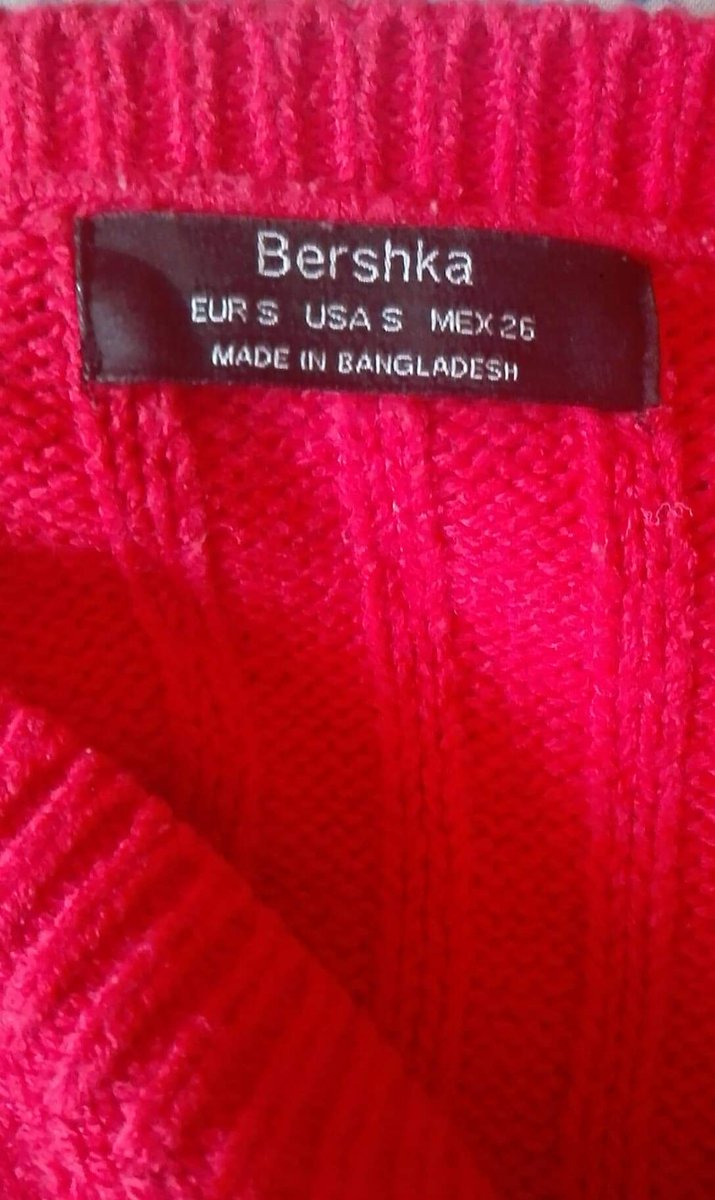
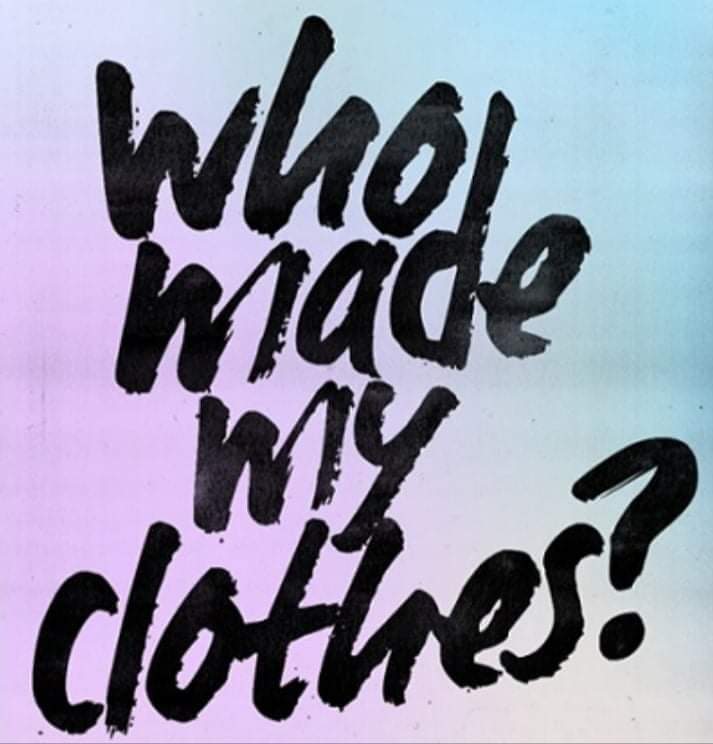
In light of Fashion Revolution Week, we challenge you to question what's behind your label!
Upload a label of your choice to your story and @ the clothing company and ask them who made your clothes and under what conditions! (Tag us too so we can see!)
< PART 3 OF OUR SDG SERIES >
SDG 5 promotes gender equality which is a big issue in the production sector of the fast fashion industry. It is common for managers in factories to use aggressive tactics to try speed up the flow of work & meet the deadlines set by clothing companies
Although garment workers are producing for some of the most profitable companies in the world, they are working for poverty wages under dreadful conditions & work excessive hours to meet targets.