🎉 Warmest CONGRATULATIONS to Zimbabwe on its election to the United Nations Security Council as a non-permanent member! 🌐
This outcome duly acknowledges Zimbabwe’s valuable contributions to advancing global peace, multilateralism and sustainable development.
China looks forward to deepening cooperation with Zimbabwe both within the UNSC framework and across broader fields. 🇨🇳🤝🇿🇼
#ChinaZimbabweFriendship
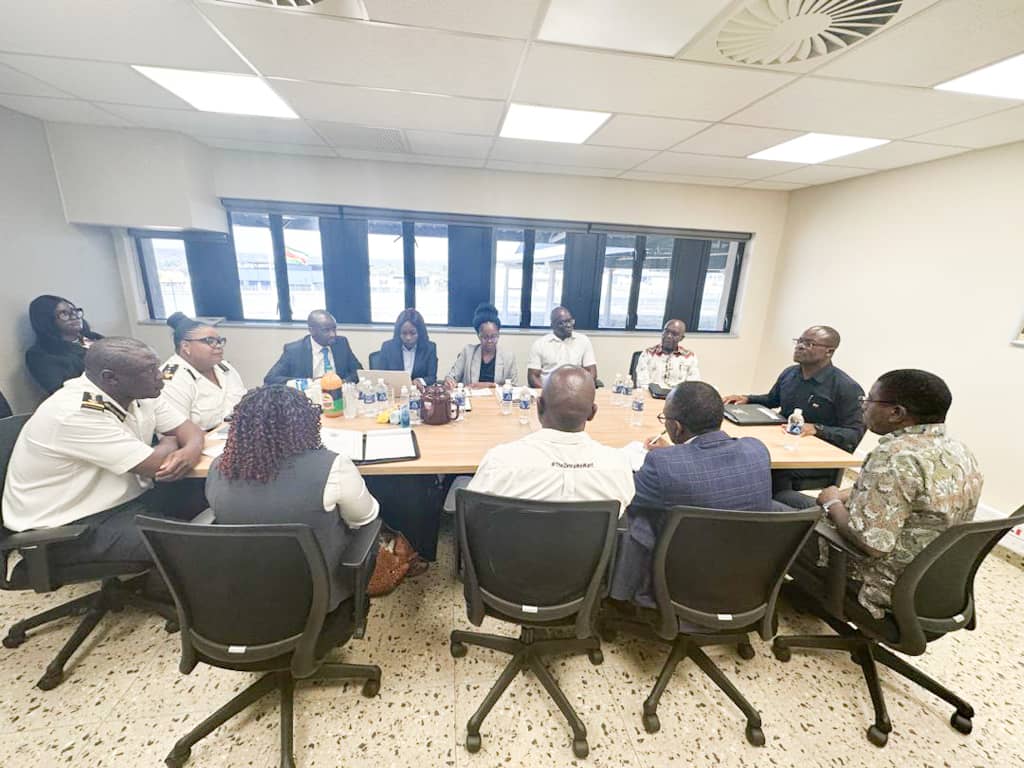
The Senior Officials Meeting for the Mid-Term Review of the 3rd Session of the South Africa–Zimbabwe Bi-National Commission is underway in Pretoria from 13–15 May 2026, reflecting the shared commitment of both countries to deepen cooperation across key sectors of mutual interest.
Pleased to host my brother, HE President Duma Boko, for the 5th Zimbabwe-Botswana BNC. 🇿🇼🇧🇼
We are one family with a shared heritage. To deepen our ties, I propose a phased use of IDs instead of passports to ease the movement of our people and goods.
#ZimBotswanaBNC#SADC
1. Celebrating Zimbabwe @46 Independence Anniversary and championing its bid for a non-permanent seat on the UN Security Council. Privileged to have Hon. Prof. dr. Amon Murwira and Hon. Mondli Gungubele lead this important occasion. #Zimbabwe@46 #GlobalLeadership.
The Ministry of Foreign Affairs and International Trade wishes to inform the nation and the international community that the President of the Republic of Botswana, H.E. Duma Gideon Boko, will undertake a State Visit to Zimbabwe from 21–23 April 2026.
A State Banquet will be hosted in honour of President Boko during the visit.
During the historic State Visit, His Excellency President Dr. Emmerson Dambudzo Mnangagwa and His Excellency President Duma Boko will jointly preside over the 5th Session of the Zimbabwe–Botswana Bi-National Commission (BNC), focusing on strengthening cooperation in key transformative sectors between the two countries.
The BNC will be preceded by Senior Officials’ Meetings on 19–20 April 2026 and a Ministerial segment on 21 April 2026, setting the stage for high-level discussions.
H.E. President Boko will also serve as Guest of Honour at the official opening of the 66th Edition of the Zimbabwe International Trade Fair, scheduled for 23 April 2026 at the Zimbabwe International Exhibition Centre in Bulawayo.
H.E. President Mnangagwa and the people of Zimbabwe welcome President Boko to the Republic of Zimbabwe.
𝐙𝐢𝐦𝐛𝐚𝐛𝐰𝐞 𝐌𝐚𝐫𝐤𝐬 𝟒𝟔 𝐘𝐞𝐚𝐫𝐬 𝐨𝐟 𝐈𝐧𝐝𝐞𝐩𝐞𝐧𝐝𝐞𝐧𝐜𝐞, 𝐒𝐭𝐫𝐞𝐧𝐠𝐭𝐡𝐞𝐧𝐬 𝐓𝐢𝐞𝐬 𝐰𝐢𝐭𝐡 𝐒𝐨𝐮𝐭𝐡 𝐀𝐟𝐫𝐢𝐜𝐚 𝐚𝐧𝐝 𝐏𝐮𝐬𝐡𝐞𝐬 𝐔𝐍𝐒𝐂 𝐁𝐢𝐝
Zimbabwe’s 46th independence anniversary was commemorated in Pretoria this Monday, with over 100 foreign missions and international organizations in attendance. The event highlighted a strong message of regional unity, diplomatic collaboration, and a renewed commitment to advancing global peace through multilateral institutions.
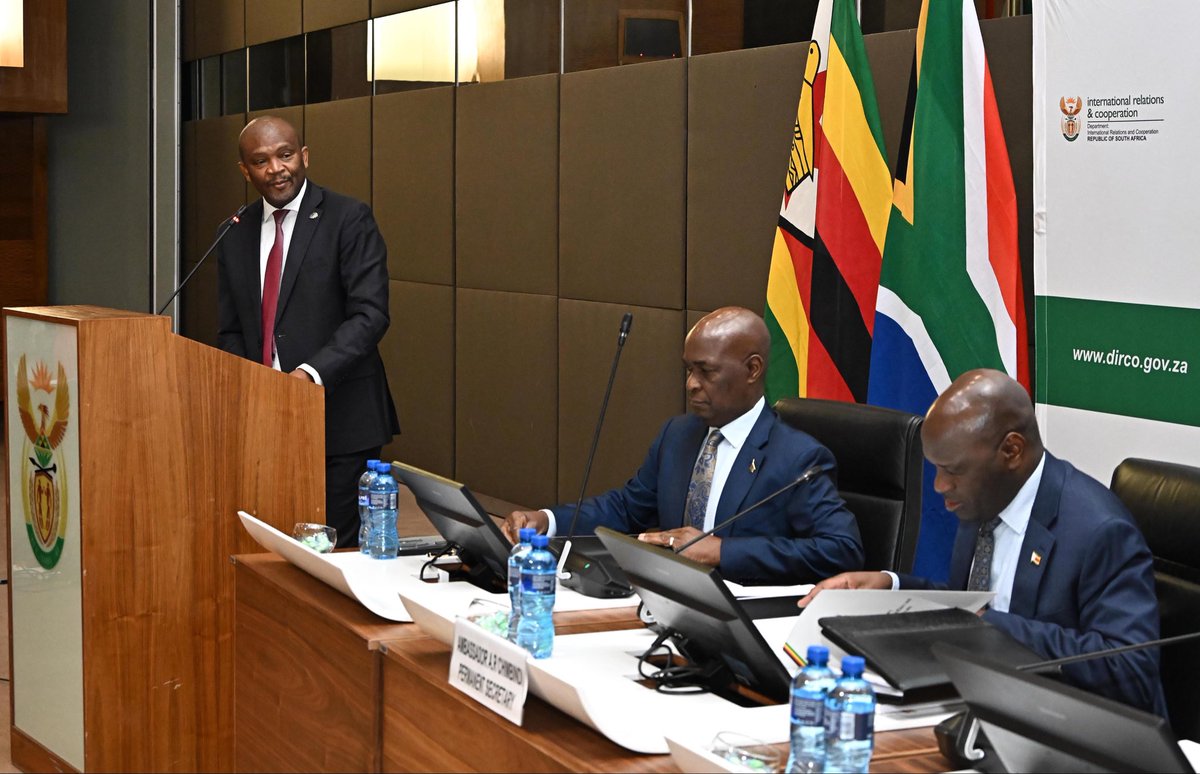
The event, officiated by Zimbabwe’s Minister of Foreign Affairs and International Trade, Prof. dr. Amon Murwira, and South Africa’s Deputy Minister of Communications and Digital Technologies, Mondli Gungubele, who stood in for Ronald Lamola, the Minister of International Relations and Cooperation, highlighted the enduring relationship between Zimbabwe and South Africa, while advancing Zimbabwe’s campaign for a non-permanent seat on the United Nations Security Council for the 2027–2028 term.
The two speakers at the event, Prof. Murwira and Minister Gungubele, took the opportunity to reflect on the deep historical ties between the two nations, forged during their respective liberation struggles and Zimbabwe’s support for South Africa during the apartheid era, and the shared sacrifices of freedom fighters, which remain central to the two countries’ diplomatic relations today.
Prof. Murwira described the relationship as rooted not only in political solidarity but also in shared cultural heritage dating back centuries, as this connection has evolved into what both governments describe as a strategic partnership aimed at mutual development and regional stability.
Recent cooperation, including the repatriation of Zimbabwean cultural artifacts and ancestral remains from South Africa, was cited as a symbol of reconciliation and respect between the two nations at the celebrations.
Beyond historical ties, Zimbabwe and South Africa continue to expand cooperation in trade, investment, and regional integration as bilateral relations between the two nations are anchored by their Binational Commission, with both countries reporting increased trade volumes and stronger business engagement.
Minister Gungubele noted that regional frameworks such as the African Continental Free Trade Area are expected to further boost economic collaboration, creating opportunities for growth and investment across Southern Africa and he reaffirmed South Africa’s strong and enduring ties with Zimbabwe, highlighting a relationship rooted in shared liberation history and growing strategic cooperation.
Both countries also reaffirmed their commitment to working together within regional bodies to promote peace, security, and economic development.
A key focus at the celebrations was Zimbabwe’s bid for a seat on the United Nations Security Council, where Prof. Murwira emphasized that Zimbabwe’s foreign policy is guided by constitutional principles that prioritize peaceful coexistence, respect for international law, and diplomacy.
“Zimbabwe is a friend to all and an enemy to none,” he said, underscoring the country’s commitment to resolving conflicts through dialogue rather than war.
Zimbabwe’s track record in international peacekeeping missions and its emphasis on diplomacy form the basis of its campaign and its experience and principles position it as a credible advocate for global peace and stability.
South Africa formally endorsed Zimbabwe’s candidacy, aligning with regional positions that support greater African representation in global governance structures, with Minister Gungubele mentioning that Zimbabwe’s election would strengthen Africa’s voice in international peace and security matters.
He added that coordination between Zimbabwe’s potential role in the UN Security Council and South Africa’s responsibilities in continental peace structures could enhance Africa’s influence on global issues.
The platform was used to call for a shift toward diplomacy in an increasingly volatile global environment, with rising geopolitical tensions and shifting alliances.
Prof. Murwira and Minister Gungubele stressed the importance of dialogue, cooperation, and respect for sovereignty.
The anniversary celebration concluded with a reaffirmation of the strong bilateral ties between Zimbabwe and South Africa and a shared commitment to promoting peace, stability, and development both regionally and globally.
As Zimbabwe marked over four decades of independence, its ambitions now extend beyond national progress to shaping the international agenda, seeking to play a more prominent role in advancing global peace through the United Nations.
𝐒𝐀𝐃𝐂 𝐂𝐨𝐮𝐧𝐜𝐢𝐥 𝐨𝐟 𝐌𝐢𝐧𝐢𝐬𝐭𝐞𝐫𝐬 𝐌𝐞𝐞𝐭𝐢𝐧𝐠 𝐂𝐨𝐧𝐜𝐥𝐮𝐝𝐞𝐬 𝐊𝐞𝐲 𝐑𝐞𝐠𝐢𝐨𝐧𝐚𝐥 𝐃𝐢𝐬𝐜𝐮𝐬𝐬𝐢𝐨𝐧𝐬 𝐢𝐧 𝐒𝐨𝐮𝐭𝐡 𝐀𝐟𝐫𝐢𝐜𝐚
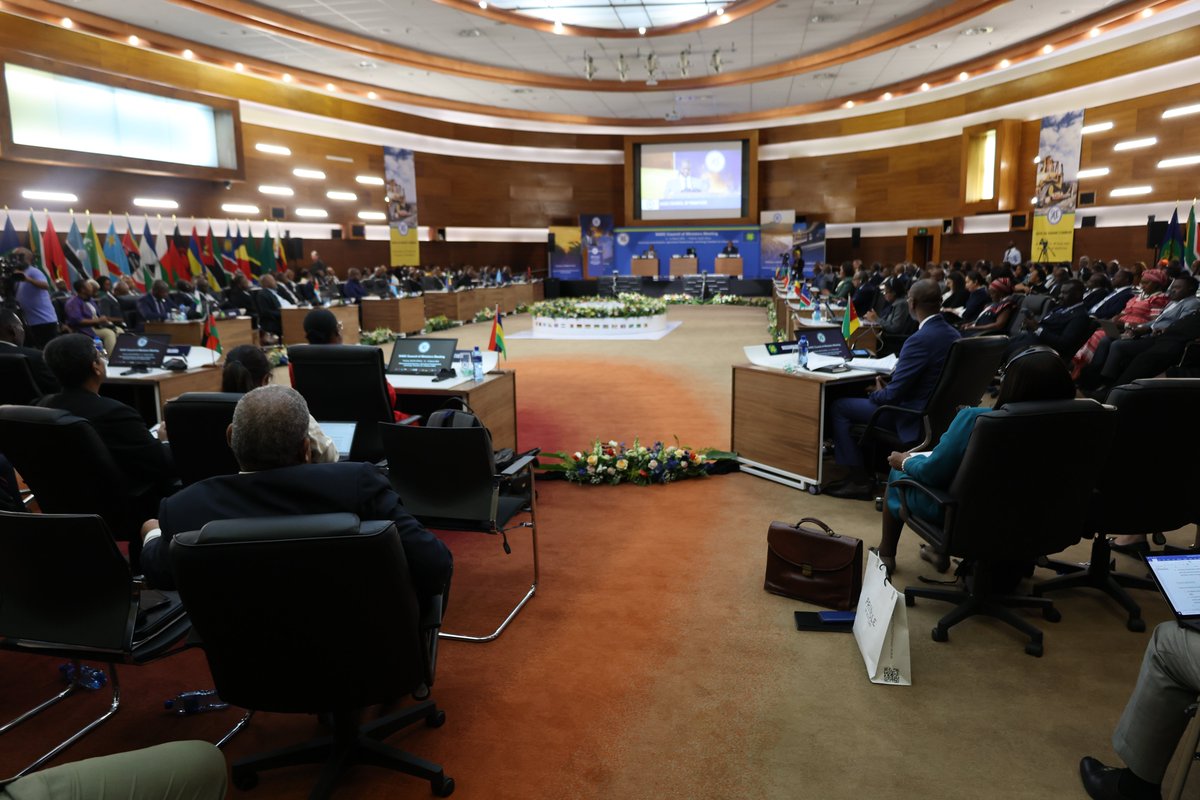
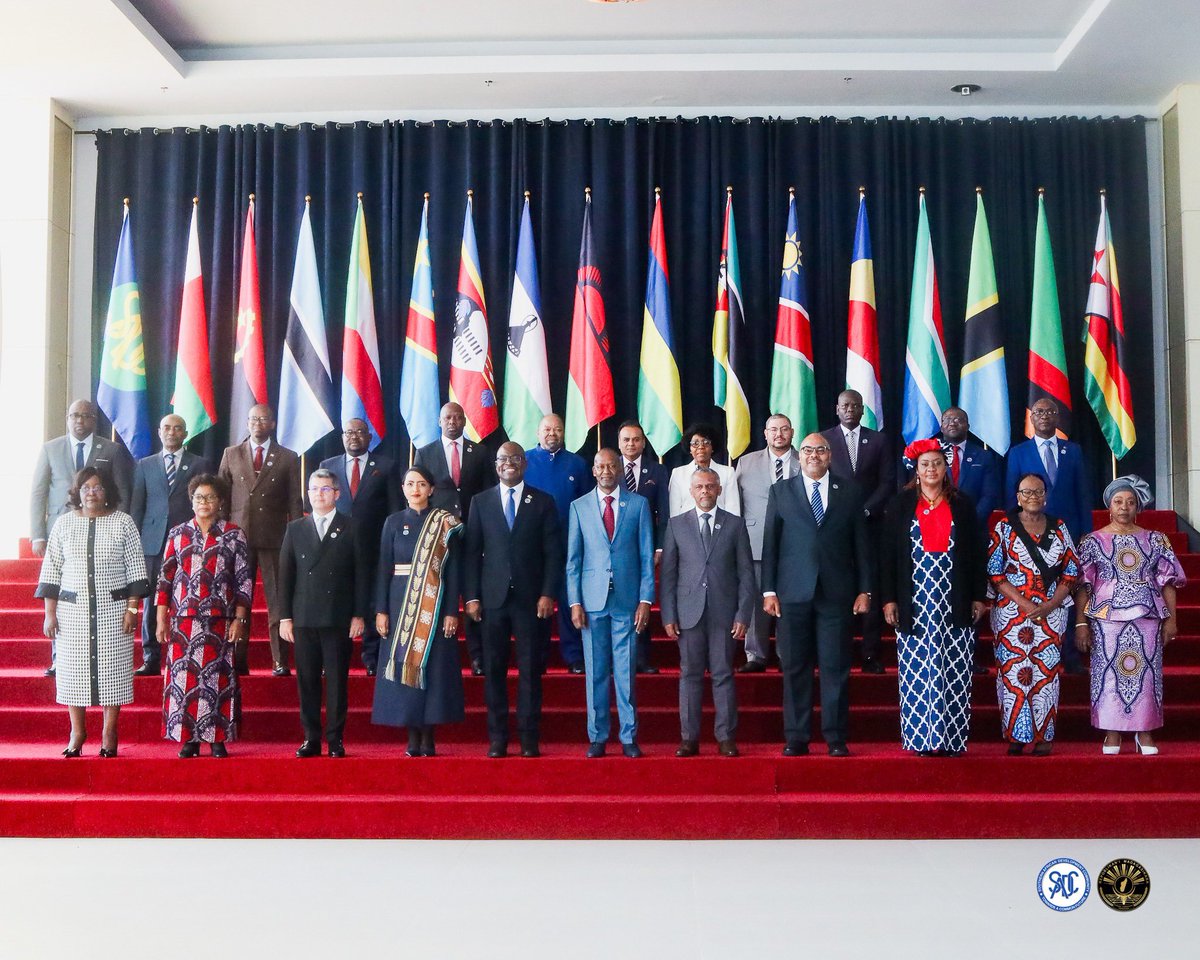
The Southern African Development Community (SADC) Council of Ministers meeting has concluded in Pretoria, South Africa, with the Council reaffirming its commitment to strengthening regional integration, peace, and economic cooperation across Southern Africa.
The meeting, chaired by South Africa’s Minister of International Relations and Cooperation Ronald Lamola, focused on addressing global and regional challenges affecting development and security in the region.
Speaking at the closing ceremony of the meeting, Hon. Lamola noted that the world is facing growing uncertainty driven by geopolitical tensions, economic volatility, climate-related shocks and disruptions in global supply chains. He said these developments have direct implications for regions like Southern Africa and require collective reflection and strategic action.
Among the key outcomes of the meeting was a decision to convene a retreat of SADC Ministers of Foreign Affairs before May 2026 to further assess the evolving global situation and chart a coordinated regional response.
The Ministers also reviewed the financial status of the regional bloc and progress in implementing the Regional Indicative Strategic Development Plan(RISDP), which guides the region’s long-term development agenda. The review emphasized prioritising high-impact flagship programmes aimed at unlocking regional growth, accelerating industrialisation, strengthening infrastructure connectivity, and improving resilience to climate-related challenges.
Hon. Lamola stressed that the success of regional integration would ultimately be measured by tangible improvements in the lives of citizens across the region.
The Minister of Foreign Affairs and International Trade of Zimbabwe, Hon. Prof. dr. Amon Murwir,a described the meeting as highly successful, revealing that ministers adopted about 48 decisions aimed at strengthening regional cooperation and accelerating development.
Prof. Murwira said the decisions were reached through strong consensus among member states and were designed to bring the region closer together while tackling poverty through deeper integration.
On the sidelines of the meeting, Zimbabwe held bilateral engagements with the Democratic Republic of the Congo, focusing on strengthening economic cooperation and collaboration in peace and security initiatives.
Prof. Murwira noted that the DRC also expressed appreciation for the leadership provided by H.E. President Emmerson Dambudzo Mnangagwa during Zimbabwe’s tenure as SADC Chair, particularly in advancing peace processes in the country.
Zimbabwe and South Africa also reviewed progress on bilateral projects, including the Beitbridge One Stop Border Post and plans for a third bridge across the Limpopo River, which is expected to enhance trade and connectivity between the two countries.
The two parties also discussed cultural cooperation, including the repatriation of Zimbabwean heritage artefacts currently in South Africa.
Prof. Murwira reaffirmed Zimbabwe’s commitment to regional integration, emphasizing that cooperation within the region strengthens both collective and individual sovereignty.
He also highlighted Zimbabwe’s regional assistance mechanism, ZimAid, which has been used to support neighbouring countries such as Mozambique during floods and Malawi during times of need, reflecting the spirit of solidarity within the SADC region.
The meeting concluded with ministers reaffirming their shared vision of a prosperous, peaceful and integrated Southern African region, underpinned by cooperation, resilience and sustainable development.
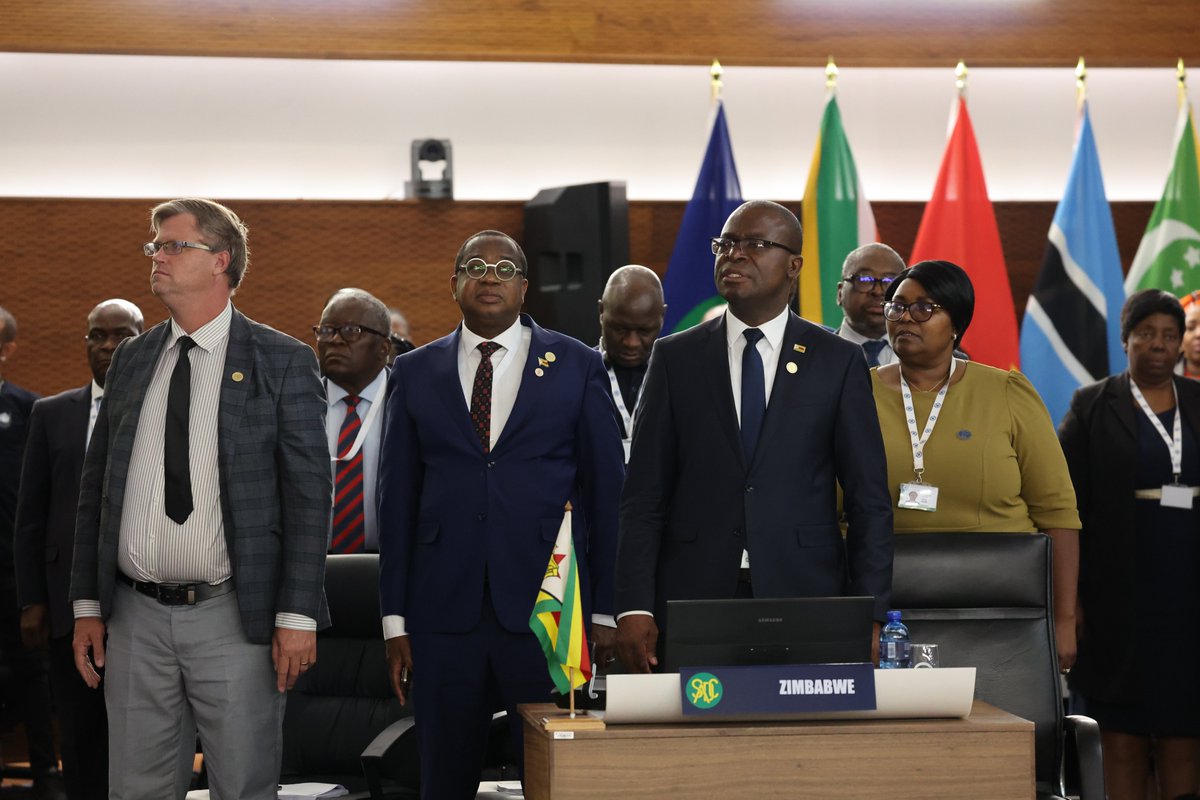
The two-day SADC Council of Ministers meeting kicked off today in Pretoria, South Africa, and will run until 13 March 2026. During the session, South Africa, in its capacity as Interim Chair of the Council of Ministers, will continue to implement the theme of the 45th SADC Summit, adopted in August 2025 in Madagascar: “𝑨𝒅𝒗𝒂𝒏𝒄𝒊𝒏𝒈 𝑰𝒏𝒅𝒖𝒔𝒕𝒓𝒊𝒂𝒍𝒊𝒔𝒂𝒕𝒊𝒐𝒏, 𝑨𝒈𝒓𝒊𝒄𝒖𝒍𝒕𝒖𝒓𝒂𝒍 𝑻𝒓𝒂𝒏𝒔𝒇𝒐𝒓𝒎𝒂𝒕𝒊𝒐𝒏, 𝒂𝒏𝒅 𝑬𝒏𝒆𝒓𝒈𝒚 𝑻𝒓𝒂𝒏𝒔𝒊𝒕𝒊𝒐𝒏 𝒇𝒐𝒓 𝒂 𝑹𝒆𝒔𝒊𝒍𝒊𝒆𝒏𝒕 𝑺𝑨𝑫𝑪”
Zimbabwe is represented at today’s meeting by Zimbabwe’s Minister of Finance and Economic Development, Prof. Mthuli Ncube, who is standing in for the outgoing Chair of the Council of Ministers, Prof. dr. Amon Murwira.
The meeting will be held under the theme, “Advancing Industrialisation, Agricultural Transformation, and Energy Transition for a Resilient SADC,” which was adopted at the 45th SADC Summit of Heads of State and Government in Antananarivo, Madagascar. The theme reflects SADC’s commitment to modernising agriculture and investing in clean, sustainable energy to build a stronger and more self-reliant region.
During the two days, the Ministers will, among other regional issues, review and discuss the status of implementation of Council and Summit Decisions; Disaster Risk Management, the State of Regional Food and Nutrition Security, Operationalisation of the SADC Regional Development Fund, Update on the Review of the SADC Industrialisation Strategy and Roadmap (SISR) 2015-2063 and the consideration of the SADC Secretariat Annual Operation Plan and Budget for 2026-2027 Financial Year.
The Council of Ministers was preceded by the following meetings:
✅ Standing Committee of Senior Officials and a special meeting of Senior Officials and Experts on the Regional Indicative Strategic Development Plan (RISDP) 2020–2030.
✅SADC Standing Committee of Senior Officials on 7-8 March 2026
✅Finance Committee on 9 March 2026.
The RISDP is a 10-year framework designed to deepen Southern African Development Community (SADC) regional integration and development, which was held from 04 to 10 March 2026 to prepare the draft Agenda and Report of the Council.
The Council of Ministers oversees the function and development of SADC and ensures that policies and decisions are implemented accordingly. The Council consists of Ministers from each of the 16 SADC Member States; usually from the Ministries responsible for Foreign Affairs and International Relations, Economic Planning, Finance, or Trade, and meets twice a year in March and August.
South Africa was elected Interim Chair of SADC in November 2025. She will serve in this capacity until August 2026, when, at the forthcoming Summit to be held in South Africa, she will assume the Chairship of the regional body, #SADC, for the period until August 2027.
🇿🇼🇿🇼🇿🇼🇿🇼🇿🇼🇿🇼🇿🇼
Across the globe, organic products from Zimbabwe are earning a powerful reputation for purity, quality, and exceptional taste. At an international bee conference held in 2025, International beekeepers sampled more than 50 different honeys from around the world, and one stood out above the rest.
Zimbabwean honey quickly became the favorite at the tasting bar.
Seasoned beekeepers praised it as the best honey they had tried all day, highlighting its rich flavor and natural profile. One variety, the low-veld Litchi honey from Zimbabwe, was singled out as a clear favorite. The reaction was unanimous: this was honey of outstanding quality.
Moments like these show why organic products from Zimbabwe are increasingly in demand on shelves across the world. Harvested from unspoiled environments and produced using natural, sustainable methods, Zimbabwean honey reflects the richness of the land it comes from. As global consumers continue to seek authentic, organic products they can trust, Zimbabwe’s offerings are not just competing , they are leading.
#MadeInZimbabwe
#ZimToTheWorld
@ZimTradeAlerts
[WATCH] The 22nd Africa–Nordic Foreign Ministers’ Meeting took place in Victoria Falls, Zimbabwe, where delegations from both regions united under the theme “Leveraging Technology and Collaboration for Future-Ready Societies.”
The meeting reaffirmed commitments to mutual respect, innovation, sustainable development, and stronger trade relations.
Zimbabwe’s Minister of Foreign Affairs and International Trade, Hon. Prof. dr. Amon Murwira, emphasized unity and multilateralism, while Sweden’s Minister of Foreign Affairs. H.E. Maria Malmer Stenergard highlighted a shared vision for a greener, more prosperous, and secure world.
The partnership now moves forward to Sweden in 2027, continuing the journey toward inclusive, technology-driven growth.
🇿🇼🤝🇿🇦
This morning, Professor dr. Amon Murwira is in Beitbridge, where he is scheduled to hold a high-level diplomatic meeting with his South African counterpart, the Minister of International Relations and Cooperation of the Republic of South Africa, Honourable Ronald Lamola.
The meeting is set to underscore the strong historical, political, and economic ties between Zimbabwe and South Africa. Both countries share deep-rooted relations shaped by geography, culture, and a long-standing tradition of regional solidarity.
Discussions will focus on strengthening bilateral cooperation in trade, investment, and cross-border infrastructure development.
The meeting will see Zimbabwe reaffirming its commitment to deepening engagement with South Africa, as its largest trading partner.
The meeting comes at a crucial moment as both nations work to revitalise their economies, address regional challenges, and consolidate partnerships in line with the African Continental Free Trade Area (AfCFTA). The engagement is expected to serve as a key step in ensuring that the longstanding bonds of friendship between Harare and Pretoria continue to translate into tangible benefits for the two peoples.
This diplomatic engagement reflects both governments’ shared vision of advancing economic growth, peace, and cooperation not only for their citizens but also for the broader Southern African region.
Professor Murwira will be accompanied by Zimbabwe’s Ambassador to South Africa, Mr. David Hamadziripi, along with senior officials from various sectors of the Zimbabwean Government.
🇿🇼🇿🇼🤝🇿🇦🇿🇦
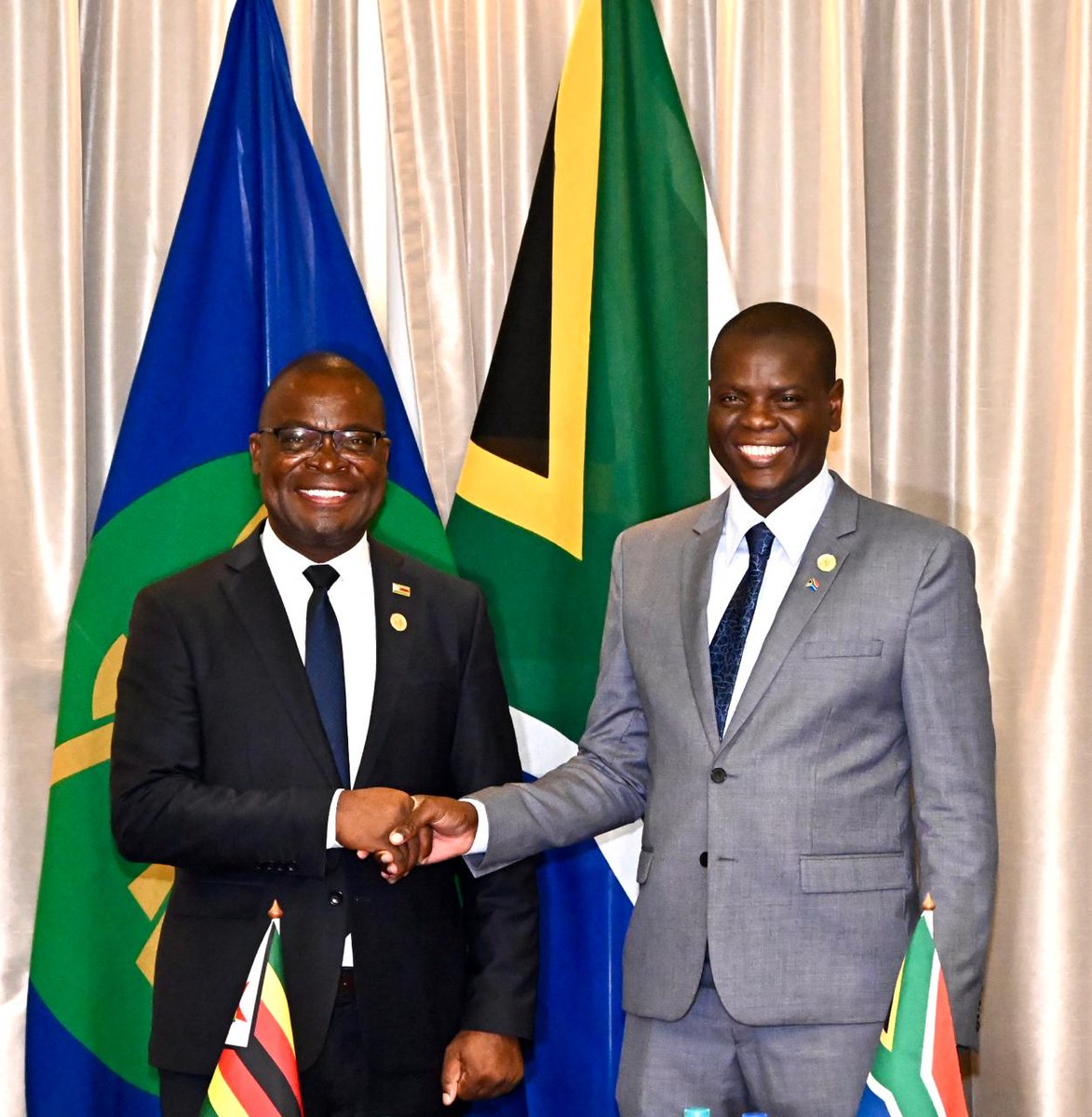
This Saturday, Zimbabwe’s Minister of Foreign Affairs and International Trade, Professor dr. Amon Murwira and his counterpart, Honourable Ronald Lamola, Minister of International Relations and Cooperation of South Africa, held high-level deliberations at the Beitbridge Border Post, reaffirming the strong bilateral relations between the two nations.
The meeting underscored the theme of regional integration through infrastructure development, with the ministers touring the Beitbridge One-Stop Border Post — a flagship project under the Southern African Development Community (SADC).
“Our main theme today has been regional integration, and to integrate, we need infrastructure for that integration. The Beitbridge Border Post is one such infrastructure,” said Prof. Murwira.
The two ministers commended each other’s governments for their efforts to modernize the border post, aiming to ease the movement of goods and people. They stressed that this initiative will enhance intra-SADC trade, currently standing at 21 percent.
Prof. Murwira further emphasized the deep trade and social ties binding the two nations.
''South Africa is the largest trading partner of Zimbabwe, and Zimbabwe has enjoyed a lot of support from South Africa over the years, and vice versa in all areas of life."
He also took the opportunity to congratulate South Africa for its effective stewardship of the G20 Presidency, particularly its success in ensuring inclusivity and amplifying the voice of the Global South. He also expressed gratitude for South Africa’s support towards Zimbabwe’s candidature for a non-permanent seat on the United Nations Security Council (2027–2028).
Hon. Lamola assured Harare of Pretoria’s unwavering backing, both in the election and in the discharge of responsibilities, should Zimbabwe secure the seat. He also commended Zimbabwe’s modernization efforts at Beitbridge, noting that South Africa is working in earnest to match the pace of reforms for seamless integration.
“Good political relations must be reflected in the economy. The one-stop border post is a key component of that reality, as it ensures the ease of doing business between our two countries,” Hon. Lamola said.
The ministers highlighted that Zimbabwe and South Africa remain each other’s largest trading partners, with relations spanning trade, culture, politics, sports, and social cooperation. Both reaffirmed that deepening ties should translate into tangible benefits for citizens, improving prosperity, happiness, and fulfillment of lives.
The engagement also touched on agriculture, with Minister Lamola applauding Zimbabwe’s strides in research, innovation, and modernization within the sector, following H.E. President Cyril Ramaphosa’s participation as Guest of Honour at the Zimbabwe Agricultural Show earlier this year.
In closing, the two parties emphasized that Zimbabwe and South Africa’s shared history and common heritage must continue to be the foundation for a progressive, integrated, and prosperous future for both nations and the wider SADC region.
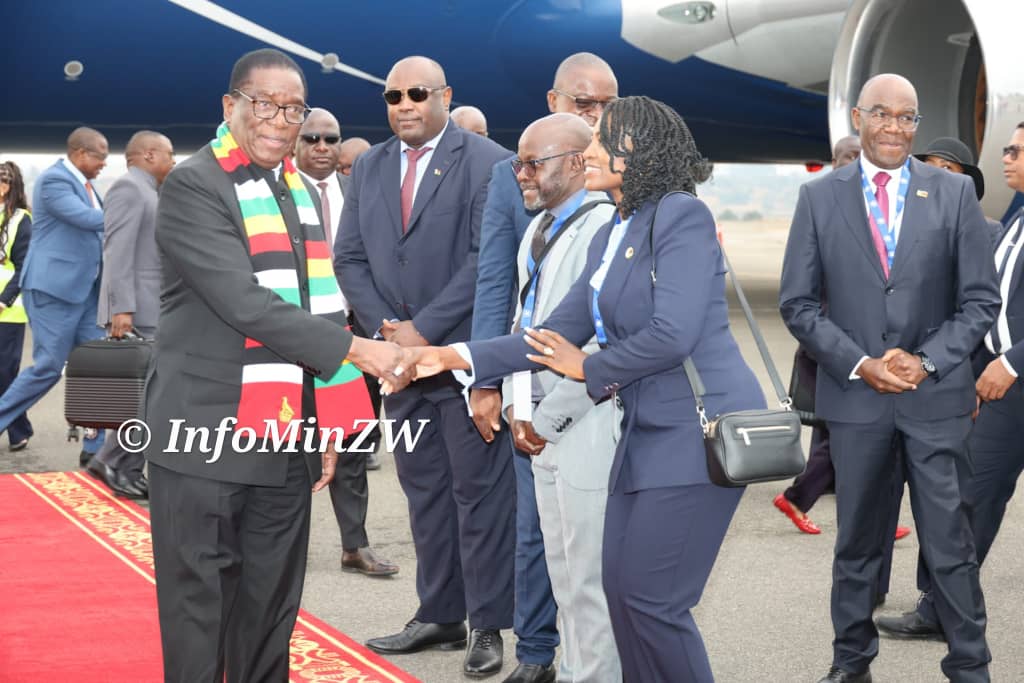
SADC chairperson President Mnangagwa has arrived in Madagascar for the regional bloc’s 45th Summit of Heads of State and Government, which will be held tomorrow.
President Mnangagwa concludes his tenure and will hand over the chairpersonship to Madagascar’s Andry Rajoelina.
🇿🇼🤝🌍
[WATCH] Hon. Prof. dr. Amon Murwira outlines the outcomes of the just-ended SADC Ministerial Meeting, held ahead of the 45th Summit of Heads of State and Government, with a focus on building a stronger, more integrated, and peaceful SADC region.
In an interview, Prof. Murwira highlights key decisions taken—spanning peace and security, infrastructure development, human capital, regional integration, and the removal of visa barriers within SADC. He underscores Zimbabwe’s continued role in advancing Pan-Africanism, emphasizing that the region’s work is grounded in conviction, shared history, and the pursuit of sustainable development.
Prof. Murwira also reflects on the collective efforts made under H.E. President @edmnangagwa's leadership, particularly in addressing the root causes of conflict in Eastern DRC, through cooperation between SADC, the East African Community, and now the African Union.
🇿🇼 🤝 🌍
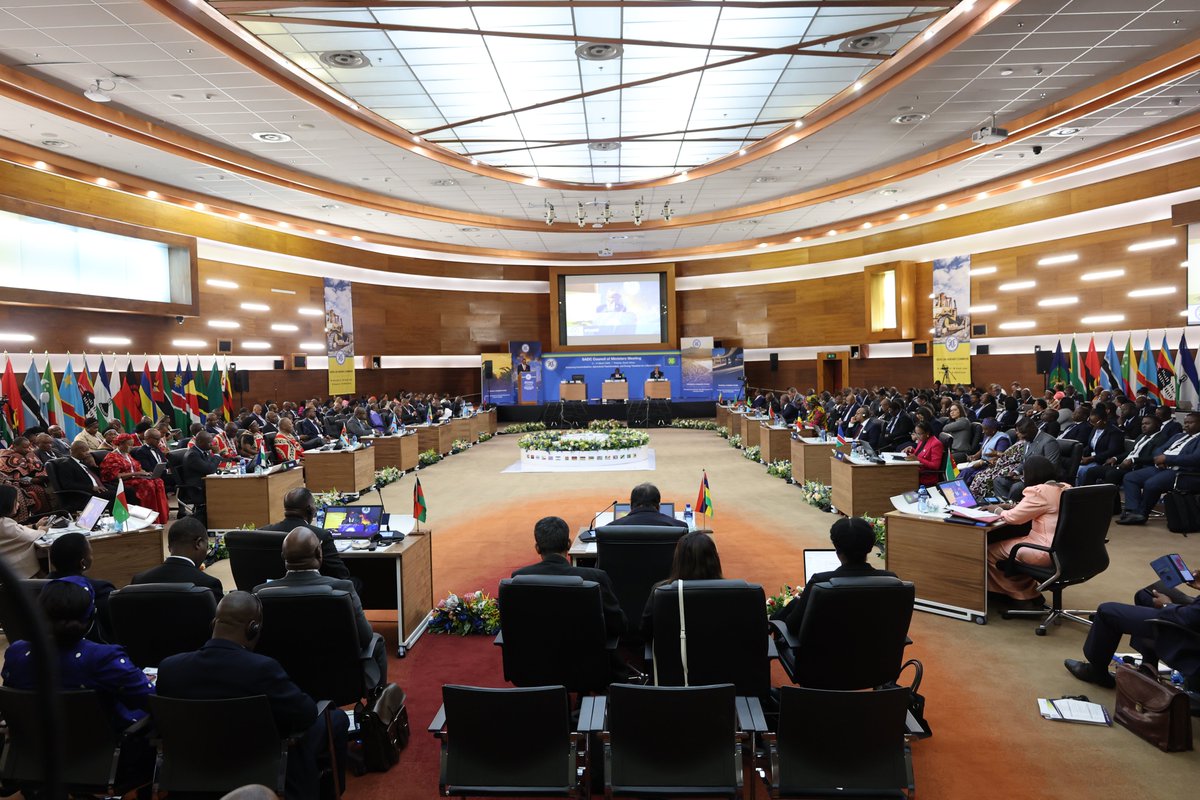
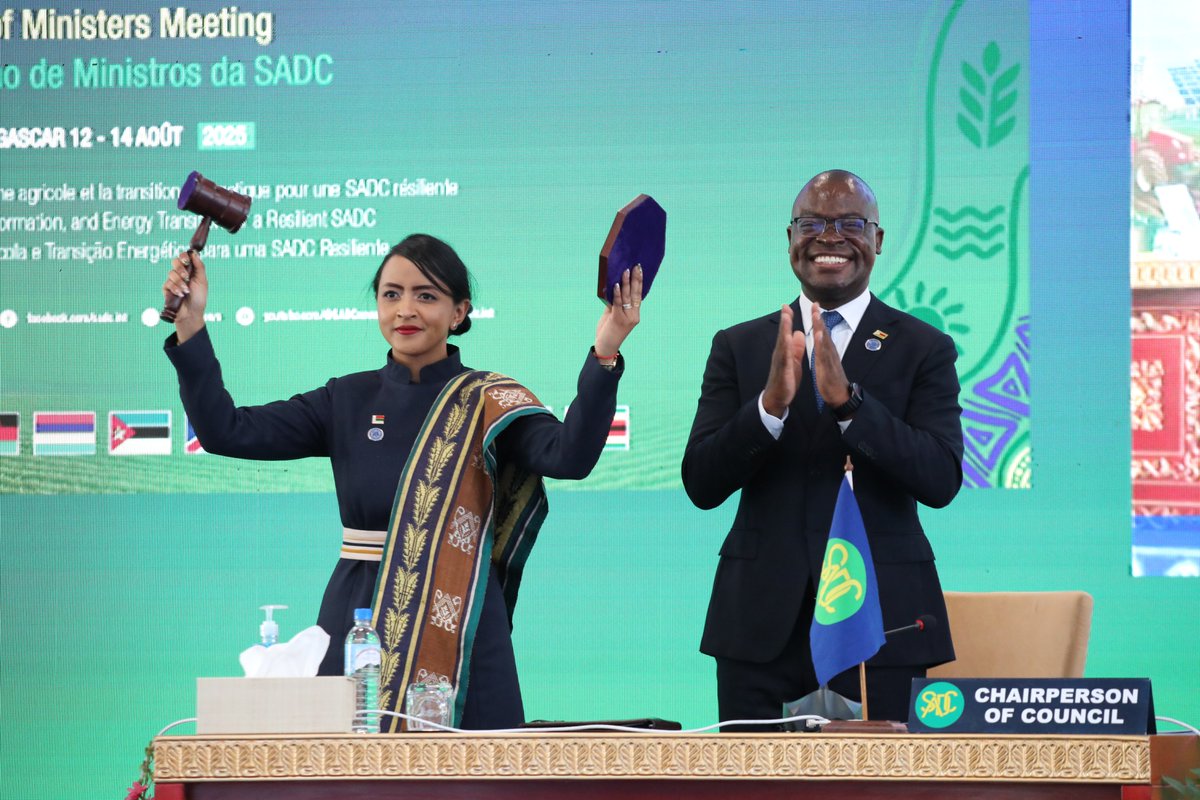
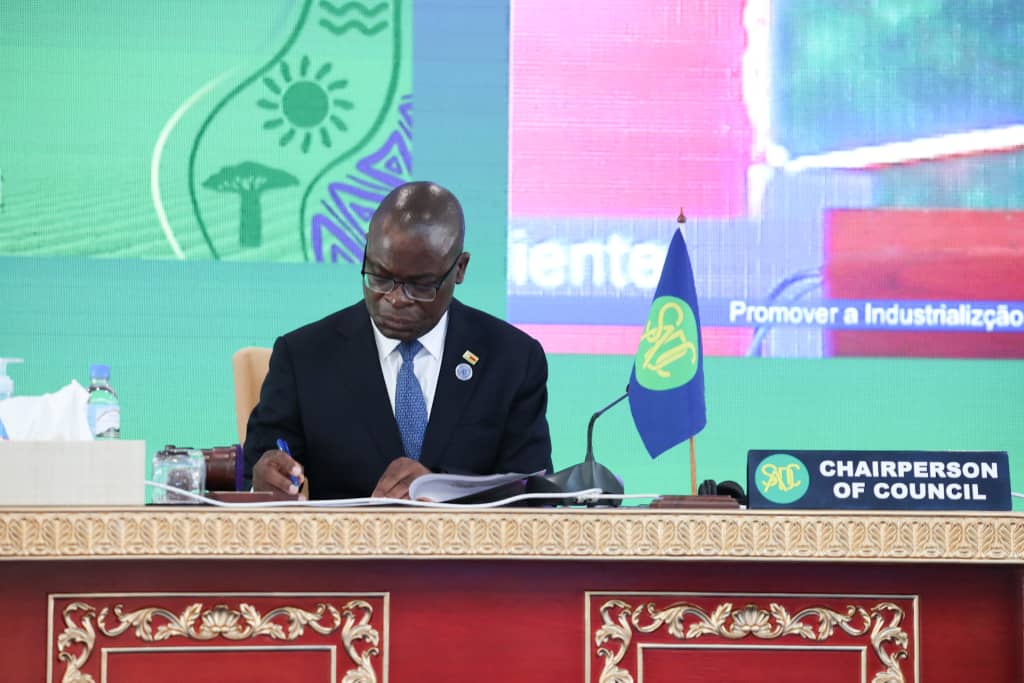
Today, the Southern African Development Community (SADC) Council of Ministers met in Antananarivo, Madagascar, ahead of the 45th SADC Summit of Heads of State and Government scheduled for the 17th August 2025, where final recommendations of the Council will be considered and adopted to review progress on regional programmes and chart the way forward in fostering socio-economic development, peace, and stability across the 16-member bloc. The event saw the outgoing Chairman of the Council of Ministers, the Minister of Foreign Affairs & International Trade of Zimbabwe, Hon. Prof. Dr Amon Murwira, officially hand over the Chairship of the SADC Council of Ministers to Hon. Dr Rafaravavitafika Rasata, the incoming Chair of the Council and Minister of Foreign Affairs of Madagascar. Prof. Murwira underscored the importance of regional solidarity in driving inclusive growth and resilience. He reiterated Zimbabwe’s commitment to the SADC vision of a united, prosperous, and peaceful region. “As ministers, as a government, as a people, we must shun divisions amongst ourselves. We have an obligation to the enslaved. We have an obligation to the colonised. We have an obligation to the people we lead. We have an obligation to the unborn child to say, 'Never again should I participate in the enslavement of our people.' The mouth that we use must be the mouth of the undivided, the mouth of the present, and the mouth of the future. Whose mouth are we using? We have to demonstrate oneness, as brothers and sisters, in our search for a lasting solution to the conflict in the eastern part of the Democratic Republic of Congo, where we say, 'An injury to one of us is an injury to all of us.' The resolve that we have must be kept. And we have made a lot of movement, as a council, through our council, to make sure that all movements in the positive direction are attained. The key impediment to advancing our regional integration agenda is our slow uptake of certain protocols and agreements. We sometimes meet to say, ‘No, that one we don’t want that.’ As soon as you don’t want something, we must say we must not want something that is for disintegration, but for everything to do with integration, we must want. This delay is not just a procedural concern, because we, as a people, end up speaking good English and good French — oh, in French it’s not like this, in English it’s like that, in Portuguese it’s like that, and in Spanish it’s like that. What is it in Zulu? Use Zulu if there’s another one like that. We should not behave the way we were trained to behave and serve the colonial master, but behave in a way that liberates our people. Who are you speaking for? That is the question. Are you speaking for Mandela? Are you speaking for Kaunda? Are you speaking for Julius Kambarage Nyerere? Are you speaking for Robert Mugabe, or are you speaking for the very same people that they said we should never speak for? Without our timely ratification, our ability to establish a robust rules-based framework is significantly hampered,” said Prof. Murwira. After the handover of the chairmanship of the Council, the Ministers' meeting was later chaired by Madagascar’s Minister of Foreign Affairs, Dr. Rafaravavitafika Rasata, and considered progress reports on the implementation of the SADC Regional Indicative Strategic Development Plan (RISDP) 2020–2030, with a focus on industrialisation, infrastructure development, energy security, and food self-sufficiency. The meeting also addressed regional peace and security matters, including efforts to consolidate stability in conflict-affected areas, particularly in the Democratic Republic of the Congo. It reaffirmed SADC’s commitment to supporting Member States in crisis through coordinated diplomatic, humanitarian, and peacekeeping initiatives.
Today’s deliberations will be forwarded to the SADC Heads of State and Government for approval, paving the way for a reinvigorated commitment to regional integration, economic transformation, and sustainable development.
🇿🇼 🤝 🌍
Yesterday, Hon. Prof. dr Amon Murwira, the Outgoing Chair of the SADC Council of Ministers Meeting arrived in #Antananarivo, Madagascar the host of the 45th SADC Summit of Heads of State and Government.
The Summit is being held under the theme:
“Advancing Industrialisation, Agricultural Transformation, and Energy Transition for a Resilient SADC.”
Prof. Murwira was received at Antananarivo Ivato International Airport by his counterpart, Hon. Dr. Rafaravavitafika Rasata, the incoming Chair of the SADC Council of Ministers and Zimbabwe’s Ambassador to Madagascar, Mr David Hamadziripi. The Summit, is taking place at the mid-point of the SADC Regional Development Indicative Plan 2020-2030. The Heads of State and Government will discuss the peace and security, and developmental priorities, which underpin the region's integration and socio-economic transformation agenda. Zimbabwe is dedicated to advance the SADC agenda for a united, prosperous, and peaceful region.