🚨Welcome to the official Finance Bureau X account.
Here, we’ll share the best clips from our YouTube videos, plus the biggest news and macro events you need to know about.
If it affects the markets, your money, or your bags, you’ll see it here.
It isn't all bad news. Higher yields let savers lock in better long-term returns on bonds.
One more signal to watch: if the 2-year yield ever rises above the 10-year, the curve has inverted.
That's one of the market's most closely watched recession warnings.
4/4
📈Stocks get the headlines. Bonds set your mortgage rate 🏡. Let us explain in this thread.
Bond yields are the market's anxiety meter. When investors worry about debt, inflation or risk, they demand more interest to lend to governments.
That's why rising yields hit your wallet: mortgages, car loans and credit cards all get pricier.
1/4
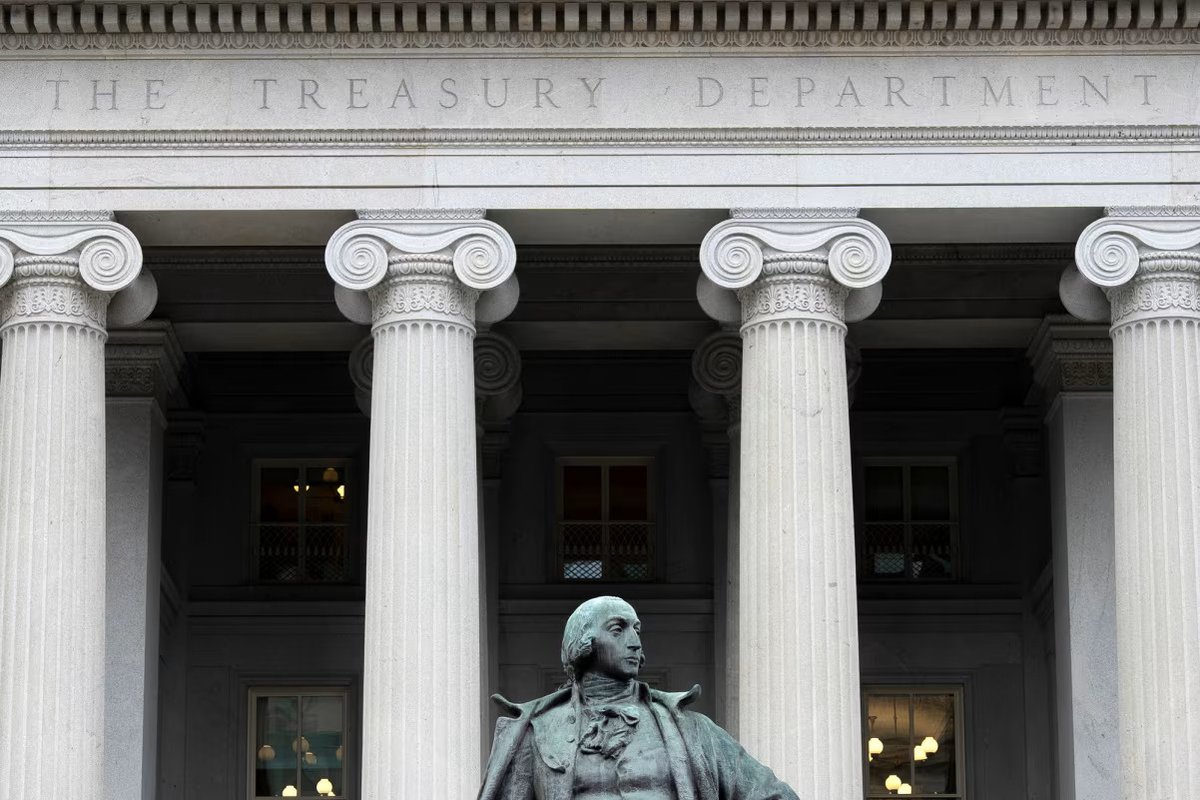
The one to watch is the 10-year Treasury yield💵.
It's a baseline for mortgage and car loan rates.
Why does a 30-year mortgage follow a 10-year bond?
Because most people move or refinance within about a decade.
3/4
🚨JUST IN: The Fed is moving to ease oversight for big banks.
Per Reuters, the Fed plans to reindex the asset thresholds that trigger stricter rules, set in 2019, for inflation and economic growth.
The top $700B tier could rise to near $1T, while some $100B requirements could move up to $150B.
U.S. Bancorp, Capital One, PNC and Truist would get more room to grow, and mid-size lenders held back by the thresholds could finally pursue mergers.
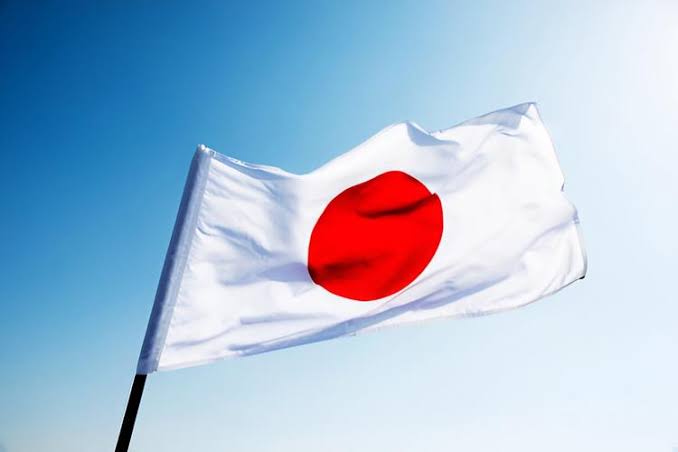
🚨JUST IN: Japanese regulators are questioning the country's biggest banks over their AI investments.
The Financial Services Agency is looking into how major banks and life insurers are managing the risks of lending to AI data centers, mostly projects in the US.
It says it isn't trying to stop the lending. But it's unclear whether the tech giants spending heavily on AI will earn enough to justify it.
Japan now joins regulators in Europe and Singapore in flagging risks tied to the AI building boom.
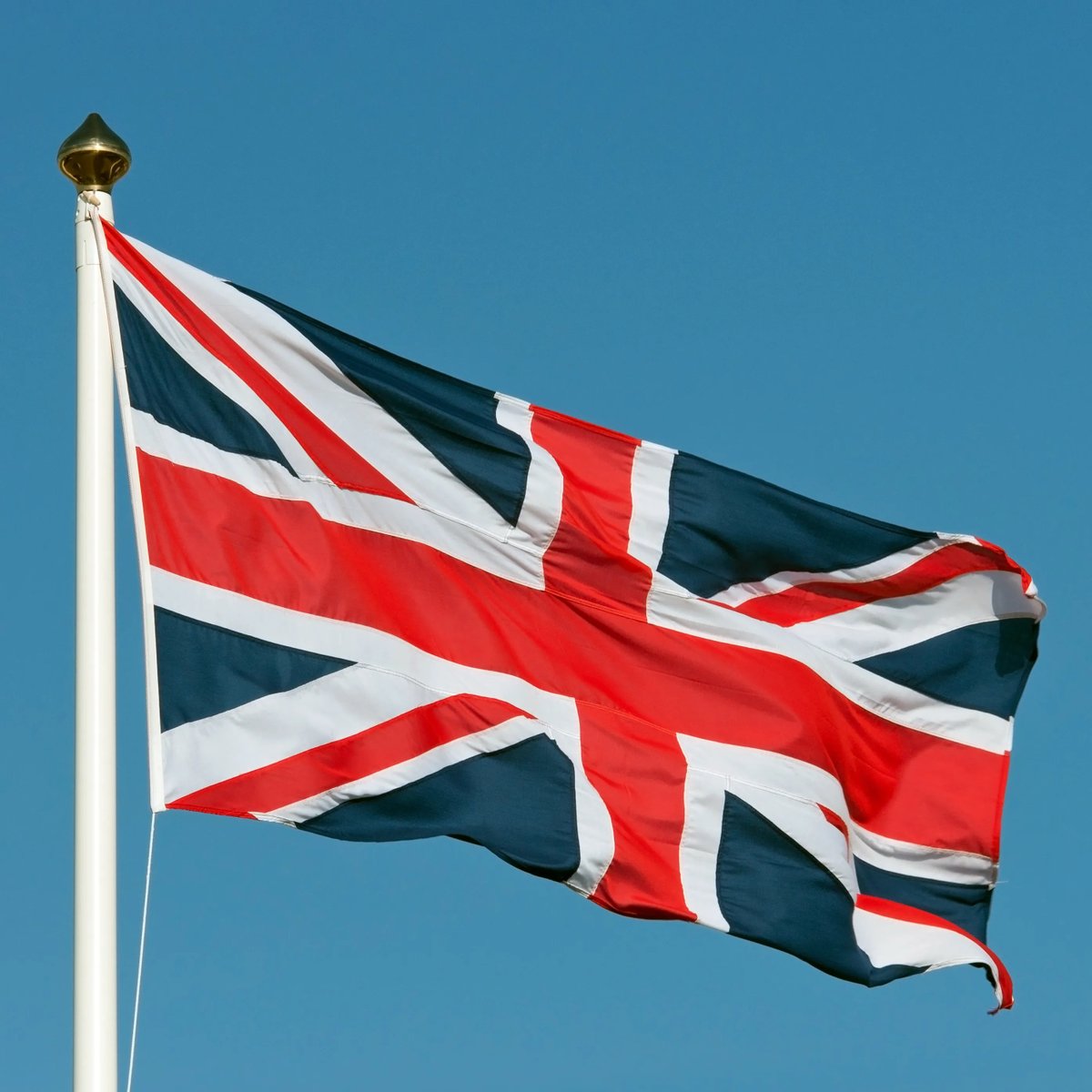
🚨JUST IN: UK food exports just had their worst start to a year since 2021.
Export volumes fell 12% in the first half of 2026. as US tariffs cut sales to America by 17%.
Salmon exports dropped by almost a third. Exports to the Middle East fell nearly 25% due to the Iran war.
At the same time, food imports are close to record highs.
The UK's food trade deficit has reached £21.1B, its largest in over 25 years.
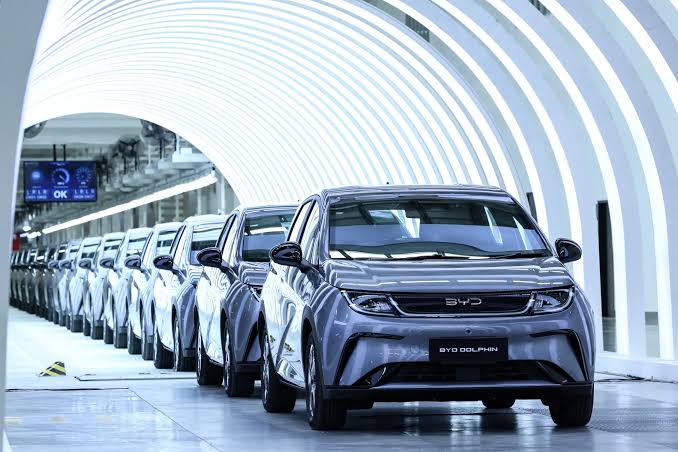
🚨BREAKING: The EU has told the UK to raise tariffs on Chinese cars if it wants to avoid "made in Europe" trade barriers.
Brussels wants Britain to match its anti-subsidy tariffs of up to 45% on Chinese EVs, and says the best fix would be joining the EU customs union.
PM Andy Burnham has ruled that out.
The EU's fear is that Britain becomes a backdoor for Chinese goods into Europe. Chinese carmakers now hold a combined 16% of the UK new car market.
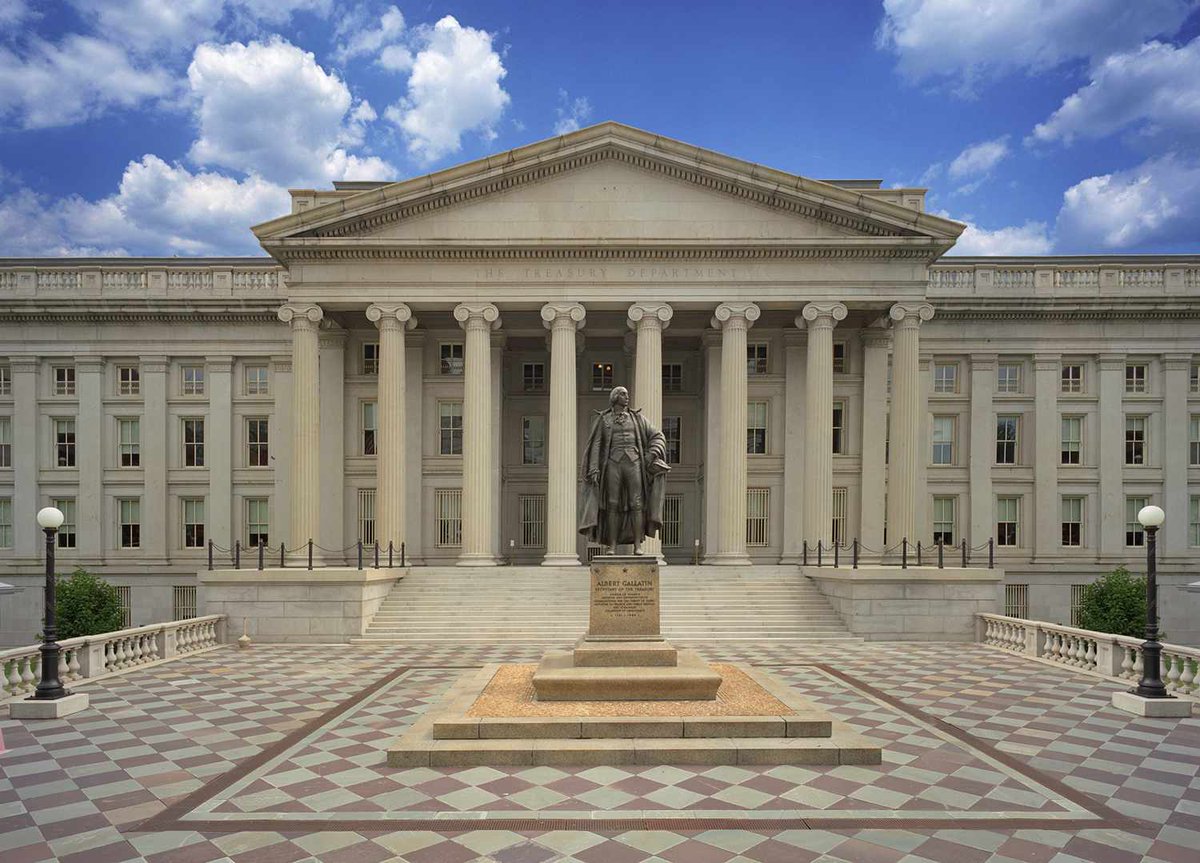
JUST IN: The US Treasury just spent $4.08 billion buying back its own long-term debt.
The buyback, the second of the expanded operations announced in August, is aimed at improving liquidity in the long end.
The 30-year yield still hit 5.5%, its highest since 2004.
📈 10-year Treasury yield: 5.22%, highest since 2007, up 20+ bps this week
🏦 Odds of an October Fed hike: 71%, up from 11% a month ago
🛢️ Brent crude: $106.60, up 3.41% on the day
🌍 Japan's 10-year at 3.08%, highest since 1996. France and Germany at roughly 15-year highs.
🚨BREAKING: New York sues Polymarket
NY says Polymarket US runs unlicensed gambling and wants it shut down, plus a penalty of 3x its gains.
Polymarket hit back the same day, seeking to move the case to federal court.
Now the Supreme Court may decide who's in charge: states or the CFTC.
🇺🇸: The 7% mortgage is back 🏠
US 30-year mortgage rates just hit 7.03%, the highest since January 2025. The 15-year rate rose to 6.42%, its highest since May 2024.
The war in Iran has pushed Brent crude to around $100 a barrel. The Fed responded with its first rate hike since 2023, and 10-year Treasury yields climbed above 5%, their highest since 2007.
Mortgage rates are up about 1 point since the war began, with the midterms just weeks away.
🇶🇦: Qatar's budget deficit could reach 28% of GDP this year, according to Oxford Economics.
Its gas export revenue has dropped sharply because the Strait of Hormuz was nearly closed during the Iran war.
This week, Qatar borrowed $3B from bond investors. It's the country's first public bond sale since the war began.
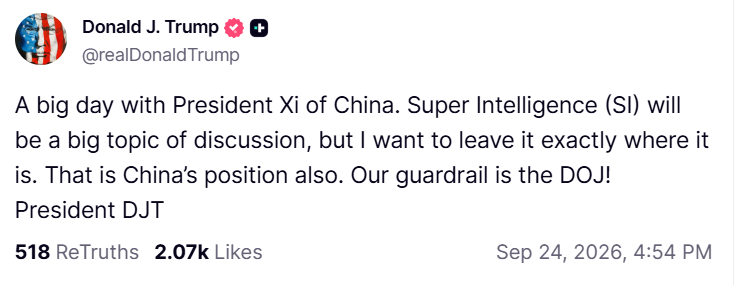
🚨BREAKING: Donald Trump claims he and Chinese President Xi Jinping both want to leave AI "exactly where it is", posing the Justice Department as the safety net.
In July this year, 29 countries signed up to a China-backed global AI body.
Meanwhile Trump has, so far, resisted calls for regulation and said "Whoever wins AI, wins" at the UNGA.
So far, Beijing hasn't confirmed Trump's claims.
Central banks are not just hoarding gold, they are building a parallel system.
From offshore RMB clearing and 22 consecutive months of Chinese gold additions to NATO members quietly moving reserves out of North America, the dollar escape route is already active.
🇺🇸🇨🇳: US, China extend their trade war truce to January 10, pushing back the November 10 deadline.
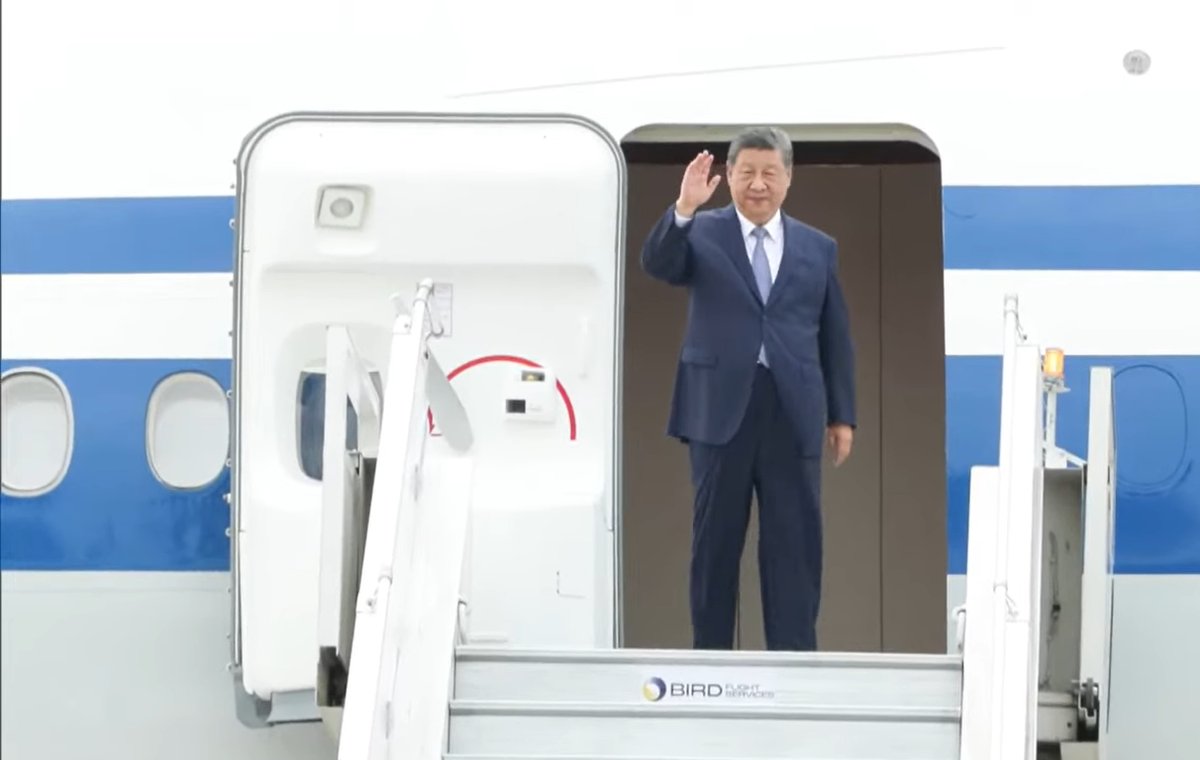
The news came as Trump personally welcomed Xi at Joint Base Andrews for his first state visit since 2015.
China is also pitching a "bigger" trade deal at the summit. 👀
🚨JUST IN: Republicans are outspending Democrats in the US midterms. Even in their own strongholds.
• Republican ads booked since Sept 1: ~$1B
• Democrat ads: ~$730M
The party is spending three times more in Texas Senate race, where Trump previously won by 14 points.
Tariffs and the Iran war are pushing up prices. Trump's approval is at 40%, and 57% of voters say they're worse off.
Some Republican Senate candidates now want the Iran war ended fast, breaking with the White House.
🇧🇪 JUST IN: LEAKED Belgian foreign ministry document warns the US is no longer a reliable ally.
The 2025 document reportedly says the US "is no longer the ally it has been in the past," and warns deeper trade ties with Washington could expose Belgium to new trade threats and restrictions.
It also calls for "diversifying our partnerships" and buying more European-made military equipment.
The ministry says it's an internal working document and not official policy.