#EUDR readiness starts with one question: what datasets does your #traceability record need? Define the #evidence model first, and #compliance becomes a workflow, not a chase.
Read the full guide in: https://t.co/jVg3jqeSIa
The best #chain-of-custody model is the one your team can implement, verify, and audit at scale. Fancy models look good on paper. Real supply chains need evidence that survives handoffs, exceptions, and audits.
Explore the #massbalance approach: https://t.co/P0Aa9tELQc
#EUDR readiness starts with one question: what data do your #traceability records need? Define the dataset early, or you'll chase geolocation, supplier, and batch evidence later.
See trusted supply chain proof in action: https://t.co/jVg3jqeSIa
#Sustainability claims fail when evidence is split across suppliers, ERPs, certificates and spreadsheets. Link the data, and audits get easier. Build the system that connects the data.
See trusted supply chain proof in action.
Still using spreadsheets for mass balance?
Supplier data only becomes audit-ready when it flows into declarations with clear lineage, role-based access, and no manual bottlenecks.
That’s where traceability becomes infrastructure.
Read the guide in bio.
#DPPs create value when they sit inside product data infrastructure, not when treated like a QR code on packaging. Link identifiers, materials, and repair data into one auditable record. Build the infrastructure.
https://t.co/CoKI9RRknh
Missing #traceability data later?
For #EUDR eadiness, define the datasets your records need now. Waiting for supplier deadlines creates gaps, rework, and weaker audit evidence.
Save this for your EUDR team.
Are you ready for the #EUDR?
Most sustainability claims fail when supplier data, certificates and product records sit in separate systems. One traceability chain links inputs to outputs, so audits and claims rest on proof.
See how proof powers progress: https://t.co/jVg3jqeSIa
#Massbalance breaks when supplier data lives in spreadsheets.
Broken lineage, slow declarations, and audit risk are the real bottlenecks.
Connect supplier inputs to audit-ready declarations in one traceable flow.
See how proof powers progress: https://t.co/F5aN8Zi2pi
Traceability cuts audit costs and lowers risk. It also gives premium products a defensible story.
Start building your roadmap with us: https://t.co/BTK7E8uhLq
Spreadsheets break down fast when supplier data has to become sustainability declarations.
MARCO Track & Trace automates the workflow end to end, so teams can keep lineage clear, permissions controlled, and audit trails intact.
From input to declaration. That's the point.
Verified passport data can do more than satisfy compliance. It can power resale, repair and circular incentives when the record follows the product.
See how circular proof drives value.
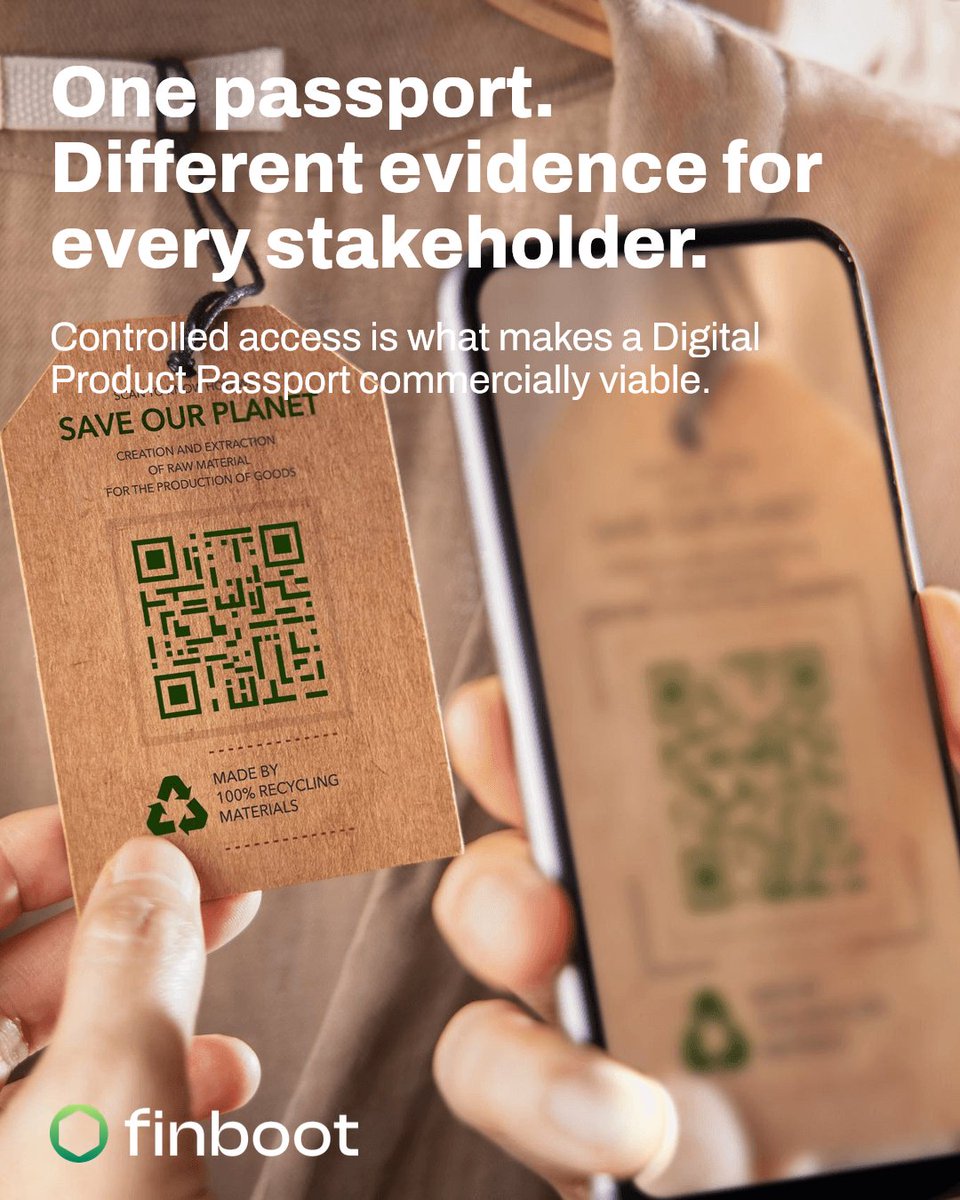
Selective sharing makes a #DPP useful to every stakeholder without exposing the full dataset to everyone. That keeps traceability practical, auditable and secure.
https://t.co/3XrVJGlBSk
Traceability is resilience infrastructure when verified product data moves across teams. Rebuilding it for each function slows decisions and burdens suppliers.
Rebuild compliance into your daily systems. https://t.co/F5aN8Zi2pi
The #DigitalProductPassport only works when identifiers, ownership and interoperable data are clear from the start.
Rebuild #compliance into your daily systems. https://t.co/F5aN8Zi2pi
Audits move faster when #ESPR and #PPWR datapoints are captured automatically, not by hand. Manual collation slows reviews and adds gaps. Trusted data makes compliance easier.
https://t.co/Cxrafnr3Cv
Mass balance is only as credible as the records behind it.
If supplier data, certificates and allocation logs do not line up, the claim breaks at audit time.
Traceability is the evidence layer. Build that first.
https://t.co/P0Aa9tELQc