My petition which was covered in NDTV and helped in rollback of EPF tax in 2016.
1) With @Nidhi https://t.co/HsyTBVTReS
2) With @sunetrac https://t.co/gulGSKczwr
Alas, NDTV is not the same anymore
Why are you getting angry with me?
What can I do about regulatory changes?
Like the rest of you, I’m also a regulatee.
I definitely owe gratitude to my clients.
Since you are asking, let me tell you this: for a long time, I’ve been mentally and financially prepared for zero commission income.
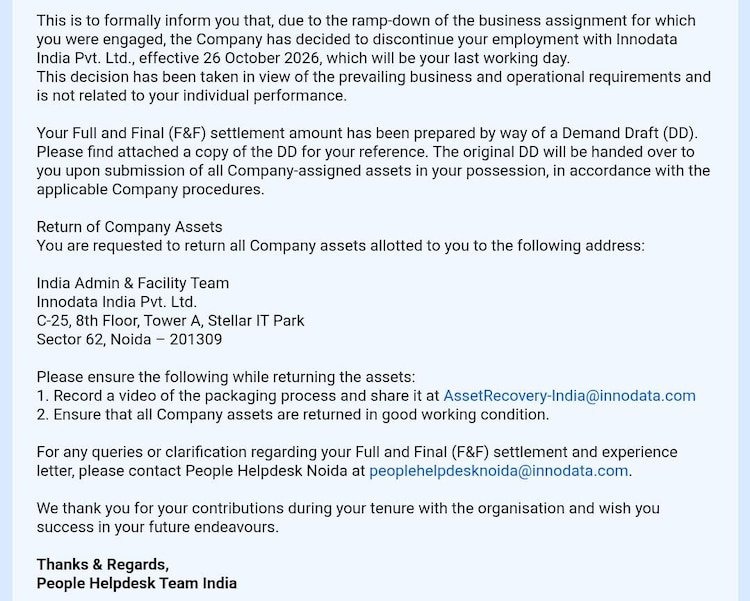
According to a report by India Today, Innodata abruptly laid off nearly 550 employees in India and more in the Philippines on 26 October 2026.
What began as a normal Monday workday turned chaotic by lunchtime. After rumours that Philippines teams of raters, quality experts, team leads and managers had been fired on a Zoom call, Indian staff suddenly lost access as laptops logged out and official IDs were deactivated, before receiving termination emails on their personal accounts.
The notice cited a ramp down of the business assignment due to prevailing business and operational requirements, and stated that the decision was unrelated to individual performance.
Full and final settlement is to be made via demand draft after company assets are returned in good condition to the Noida address, with a video of the packaging process required.
Employees formed large WhatsApp groups, struggled to retrieve payslips and other documents after system access was cut, and sought answers.
Innodata, a New Jersey based AI data services firm that serves clients including Google, Microsoft, Amazon and Apple and had about 10,100 global staff as of the end of 2025, has not publicly confirmed the scale of the cuts.
Some accounts linked them to a project known as MUPSL or to lower volume from a major client.
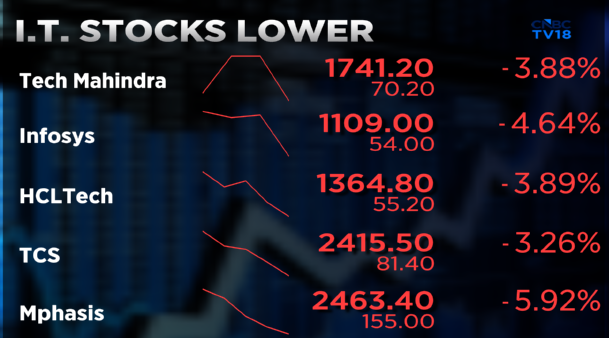
The episode adds to wider uncertainty in the technology sector.
That’s what I sense from regulatory actions.
The proposed PMS of Mutual Funds has no regular option, only a direct option.
SEBI wants clients to be charged directly.
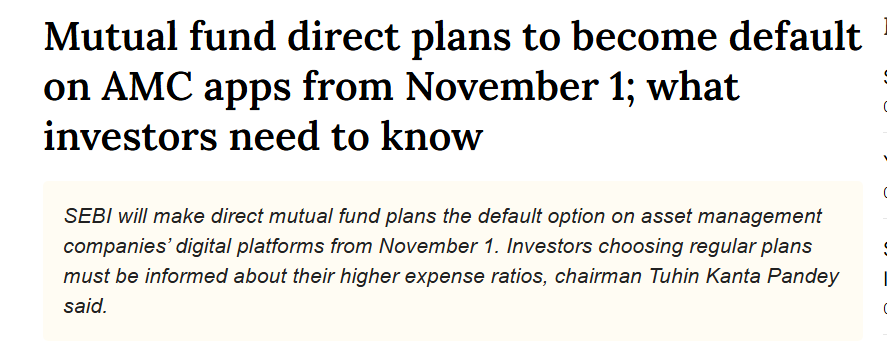
Now AMCs have been asked to make ‘Direct’ the default option and to add a message about higher expenses if investors choose ‘Regular’ options.
Many years ago, the media reported that the regulator wanted to remove the regular option. They don’t want commissions; they want customers to pay intermediaries directly.
Then Covid came and things took a different direction.
To me, the speeches and actions of the regulator indicate that we are moving towards a stage where only the direct option would exist.
Don’t take me as an example. Though there is nothing special about us, people mistakenly perceive something special and want to be our clients. As I say, this is nothing but the halo effect.
Great move by SEBI
Direct mutual funds is the need of the hour
Regular mutual funds serve very little value most of the time and only result in trail commission heavily earned by banks.
Very few good genuine distributors around
I've been saying this for a while.
Mutual fund distribution in its current form is unlikely to exist beyond the next few years, and direct plans would become the only available default option.
SEBI has asked AMCs to keep the direct plan as the default option on their digital platforms from 1st November.
For regular plans, investors have to consciously choose the option, and AMCs need to share a message that these plans carry higher expense ratios.
I've been repeatedly saying that mutual fund distributors need to adapt to the new reality.
It looks like this would happen sooner rather than later.
@DanishAgg@alexandermats@NDTVProfit No, not really. There will be fatigue and disillusionment if this continues for another couple of months, and the 2-year and 3-year SIP returns start to turn negative. As of last month, the 2-year SIP IRR was still positive.
What’s up with India’s economic policymakers? Are we sleepwalking into pre 1991 again? 🤦♂️
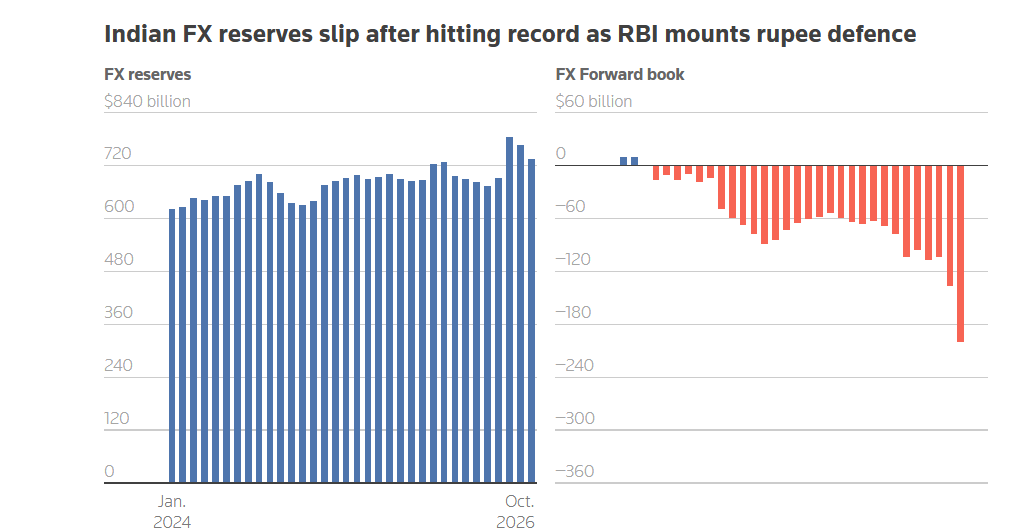
First international investing gets squeezed. Then SGB issuances stop. Now gold ETFs face restrictions. And Zee Business reports that LRS limits could be slashed from $250,000 to below Rs 50 lakh with approval replacing the automatic route.
15+ hours and no clarity from RBI? That's enough to make a fall in Capital markets.
Congratulations! We have discovered a new way to manage markets. Create uncertainty first. Explain later. If at all.
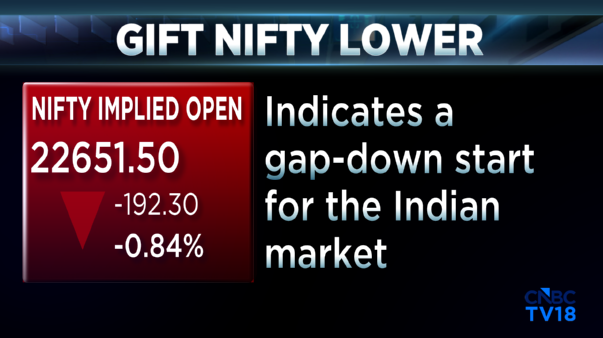
Meanwhile the 30 year G Sec yield is touching 7.9%. FIIs have been bleeding money out of Indian equities. Growth triggers are missing. Private capital is hesitant. And the response? Wait and watch. Maybe the Budget will tell us something. Wah!
GDP can print 7% or 8%. But where is the confidence? Where is the investment cycle? Where is the predictable policy framework?
Retrospective tax scares. UPI rules change after assurances. Capital controls become a talking point every time the rupee comes under pressure.
And we still want global capital to trust India blindly?
Capital is not patriotic. It goes where returns justify risk and policies respect predictability.
India has enormous potential. But potential without execution is just a PowerPoint presentation.
Nobody expects policies to remain frozen forever. But changing the rules without clarity is not economic management. It is a trust deficit in the making.
We wanted to become a global investment destination. Are we now trying to become a global case study in how NOT to build investor confidence?
RBI and the government need to clarify the LRS reports. Silence is not a policy framework.
Ease of doing business? How about ease of trusting the system first?
Imagine if @TrumpTruthOnX puts some tax on remittance or major capital control from US to emerging countries like India .
We live on remittances and that is fine, but don't some money to leave from here. How can this work ?
If the RBI possible ban on LRS abroad is likely true, this mean investors know the door to leave will close soon
Why will anyone invest their dollars in such an economy, where exits are being guarded.
Knee jerk reactions is not policy making
Finance and money hates it
Rupee is in a disastrous situation
How long RBI will borrow and protect it
One day all the money will have to be returned to NRIs and investors from abroad
AT that time, will rupee plumet
Instead of increasing exports by lower cost, taxes , corruption and red tape, we do this