Nůž v první řadě dnes nikdo nepotřebuje mít doma, a už vůbec ne ty s ostrou špičkou, která je určena na BODÁNÍ a nikdo dnes v kuchyni nepotřebuje suroviny na jídlo bodat. Špičaté nože mají jediný účel: zabíjet.
Nežijeme navíc v nějakém pravěku nebo starověku. Existuje mnoho restaurací, kam si člověk může zajít když má hlad, existuje mnoho a mnoho zpracovaných potravin.
Pokud máte hlad, stačí pár kliknutí telefonem a dobře vyškolený profesionál se vydá k vám vám jídlo dovézt.
Že si stejně dnes nějací lidé myslí, že bez patřičného výcviku uvaří stejně bezpečné nebo zdravé jídlo jako profesionál v restauraci nebo jídelně, je úsměvné a jde jen o nemocnou fantazii.
Je statisticky navíc naprosto jasně dokázané, že když máte nůž doma, tak pravděpodobnost, že s ním vybijete svou rodinu se zvětší o 768 %.
Kdo chce "kuchyňské" nože (ve skutečnosti prostě útočné kudly a bodáky) a nemůže si pomoci, měl by si dojít do nějaké krájírny, kde pod dohledem profesionálního kráječe si může dočasně nůž v těch prostorách zapůjčit.
Lidský život je mnohem důležitější než to, že si povětšinou muži doma chtějí hrát na nějakého šéfkuchaře nebo co. Nejste Gordon Ramsay pánové.
@Max_Krauss Der Unterschied ist, dass wir den Polizisten Kaffee anbieten wenn sie sich die Beine wegen diesen Chaoten vor einem Vortrag in der Fuhrmanngasse platt stehen.
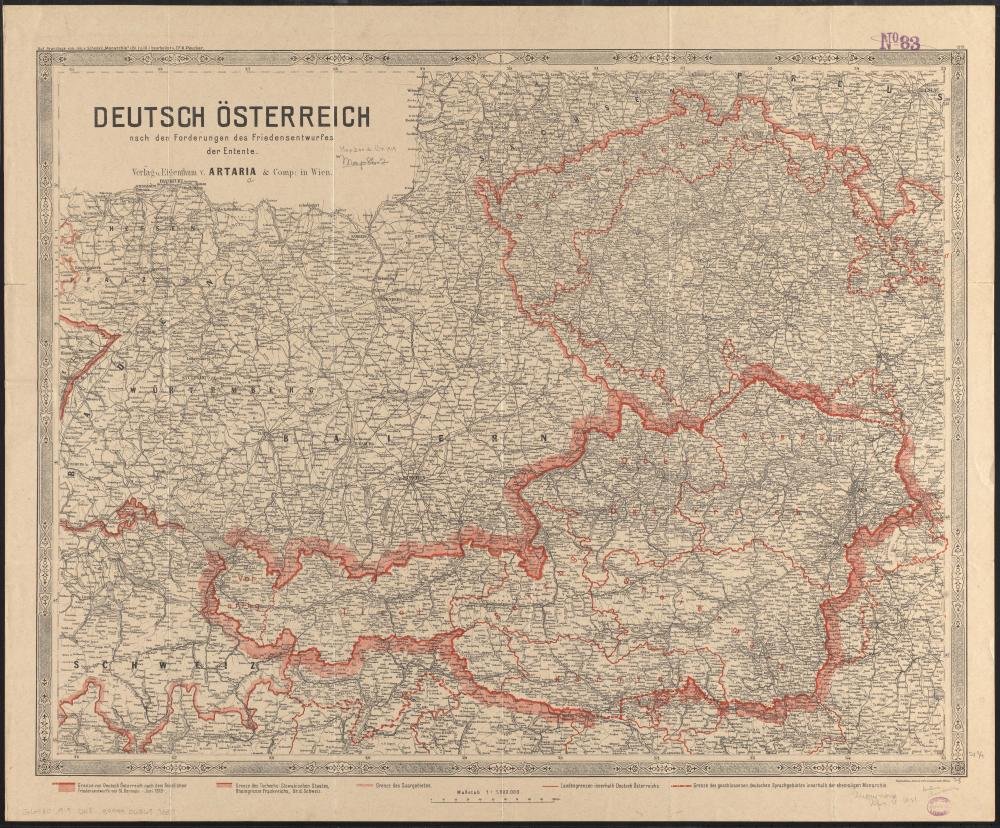
Deutschösterreich war nach dem Ersten Weltkrieg der selbstgewählte und offizielle Name des Landes. Doch bereits Ende 1919 wurde dieser Name von den Siegermächten verboten. Das Verbot für Österreich sich mit Deutschland zu vereinigen, besteht völkerrechtlich bis heute. Eine freiwillige Vereinigung Österreichs und Deutschlands etwa durch Volksabstimmungen würde heute gegen das Völkerrecht verstoßen.
https://t.co/6Hk6lYwNFO
Folge @GanzeGeschichte für mehr!
Oh! In Österreich studierende "Ausländer" ziehen nach dem Studium in Masse wieder weg. 😱
Kurzum: Der Österreicher bezahlt dafür, dass ein Piefke mit einem anderen Piefke in #Schland Geld verdienen kann. (Wegzugarate bis 82%)
Wir sind der dümmste aller dummen Staaten.
https://t.co/B8hnn3vXwn
Die selben Leute, die dir auf Heller und Pfenning vorrechnen, wie viel eine Abschiebung kostet, schweigen sich aus, wenn es um die Kosten für jahrelanges Asyl geht.
The general assumption in the 1960s and 70s was not that America had a 50-50 chance of winning the Cold war, but that Communism was absolutely inevitable. All we could do was stave it off.
At the time, Communism had never been kicked out of an established place. At least not that was talked about. We were losing Vietnam and Indochina, and all the pundits said the rest of southeast Asia would fall. Central America was thick with communist guerrilla movements. South Korea had a weaker GDP per capita than North Korea (hard to believe now). Taiwan was a festering despotism, and Cuba was the darling of the Left. Communisms marched in our streets and shot up our banks.
Russia's military power was at its peak, but you have to understand that we didn't know it was the "peak". It just looked like it eternally grew. Every science fiction book of the time predicted a totalitarian future - a situation that still lingers today.
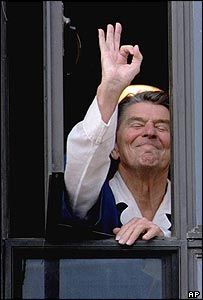
It is really hard for modern folks to understand how Ronald Reagan's optimism affected the nation. He thought the West could WIN, and he worked towards that goal. It was amazing. We hadn't had a president who thought Communism could be pushed back since Calvin Coolidge. And then, during Reagan's administration, we saw cracks appearing in the Iron Curtain. Poland went on strike. Reagan supported them! That was incredible - we all knew that when Hungary rebelled in 1956, Eisenhower did nothing. When the Czechs got invaded in 1967, Johnson did nothing.
Then Reagan started up the arms race to much whining on the part of the left. And lo and behold the Russians gave up and destroyed their own system. Their loss had many similar effects to losing an actual war. Their nation lay in ruins. Their spirit was broken. But at least millions hadn't had to die.
Our victory was not inevitable. It was a reversal of everything the media and the wise men had been claiming for 50 years. I am so grateful that Reagan actually analyzed the situation and the economics of both sides.
It's tough to explain to a younger person what a big deal it was that from 1950 to 1985 everyone was certain the world was going to either end in a giant communist dictatorship or an inferno of thermonuclear hell.
It's no wonder Reagan was so viciously attacked by cartoonists, academics, and the media. He was literally destroying their belief that communist would conquer. And yes, it was boomers who were attacking him. The crappy left wing hippie boomers like Gary Trudeau & Bill Moyers. The hell with those guys. We were not all like that.
Tell a Reagan story you like.
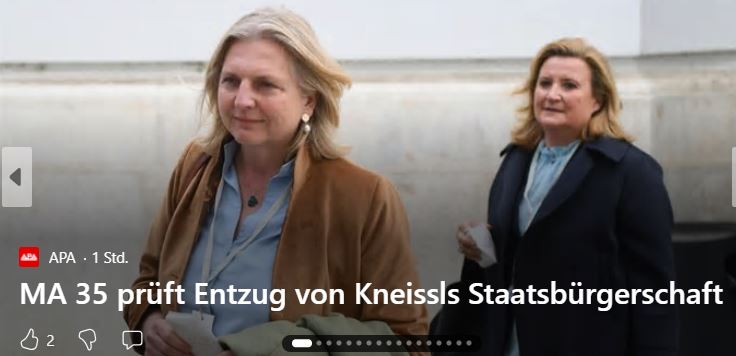
Bin ja alles andere als ein Fan der Oiden, aber hier merkt man wieder, dass das "Recht" einfach davon abhängt, wie motiviert Beamte bzw. Staatsanwälte sind:
IS-Terroristen darf man ned die österr. Staatsbürgershaftentziehen,weil "Menschenrechde", bei der plötzlich kein Problem
In late October 1918, one of the Great War's final dramas unfolded in plains of northern Italy. At Vittorio Veneto, half a million men manned the trenches, unaware that the country they had bled for over four years had only days left to live.
Weakened and demoralized after the disastrous Piave offensive in June, starving Austro-Hungarian troops still held the riverbanks and the mist-shrouded peaks of Monte Grappa when Italian, British, and French forces struck. For four days, they fought. Then, the world behind them vanished.
As Prague, Zagreb, and Budapest broke away from Habsburg Vienna, the front disintegrated from within. At the critical moment of the Allied offensive, exhausted Hungarian, Czech, and South Slav regiments refused to counterattack. Field Marshal Svetozar Borojević's desperate orders to hold the line (and to fire on mutineers) went unheeded as imperial officers lost all authority. Then, on October 31, Hungary formally severed its union with Austria and recalled its troops altogether.
By the time Allied columns poured into the Venetian plains, they were no longer fighting an imperial army, but a military in chaos, some units still offering desperate resistance, while others retreated in disorder or surrendered en masse.
Vittorio Veneto is remembered in Italy as the decisive triumph that ended the Great War. Yet on the ground, it was less a Napoleonic knockout than a coup de grâce to an empire already dissolving in the rain and mud.