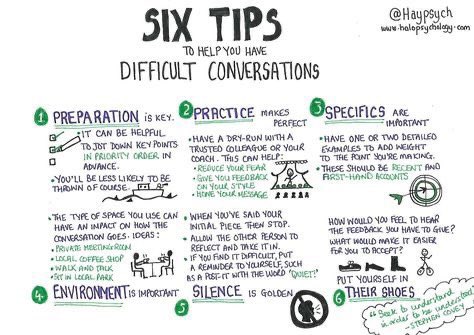
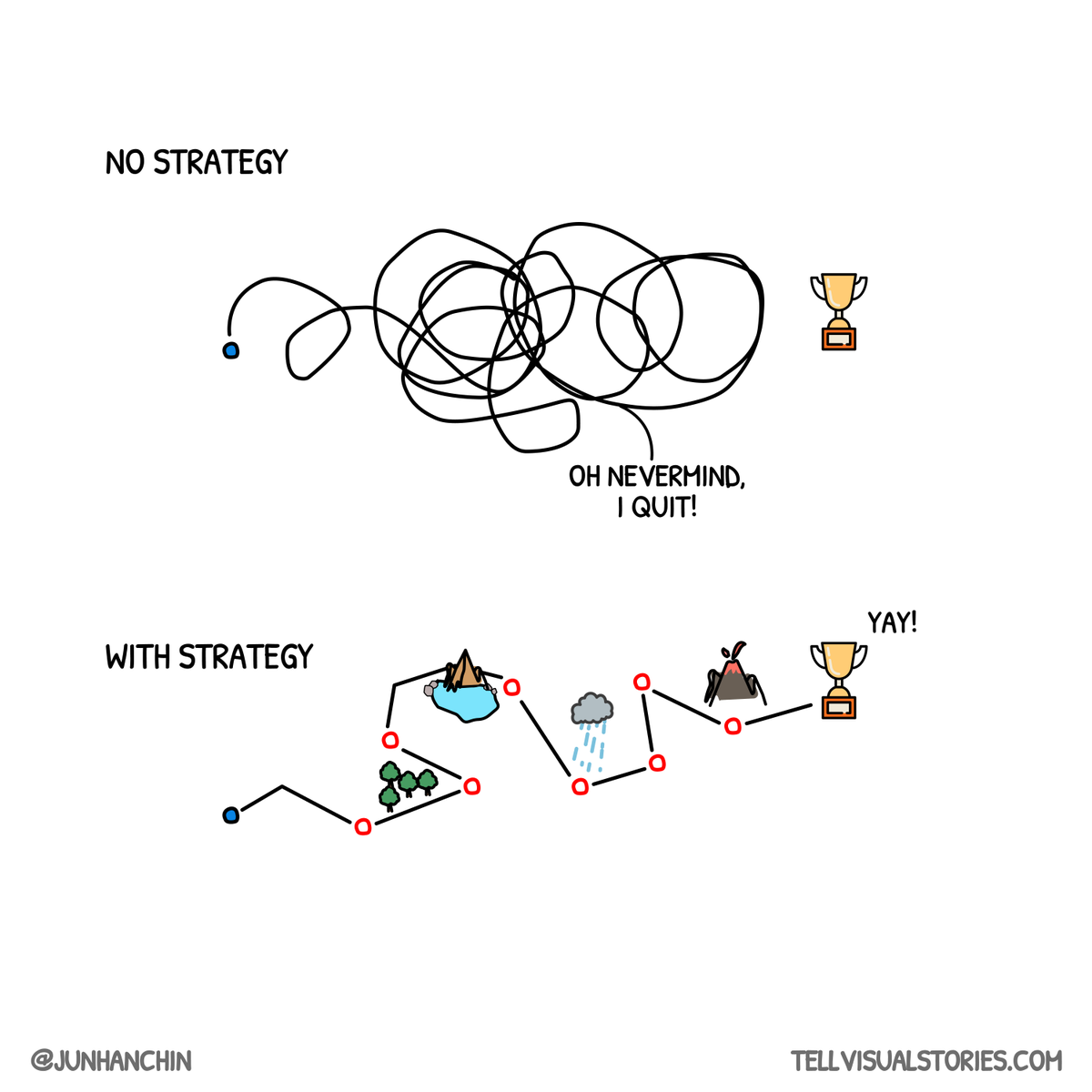
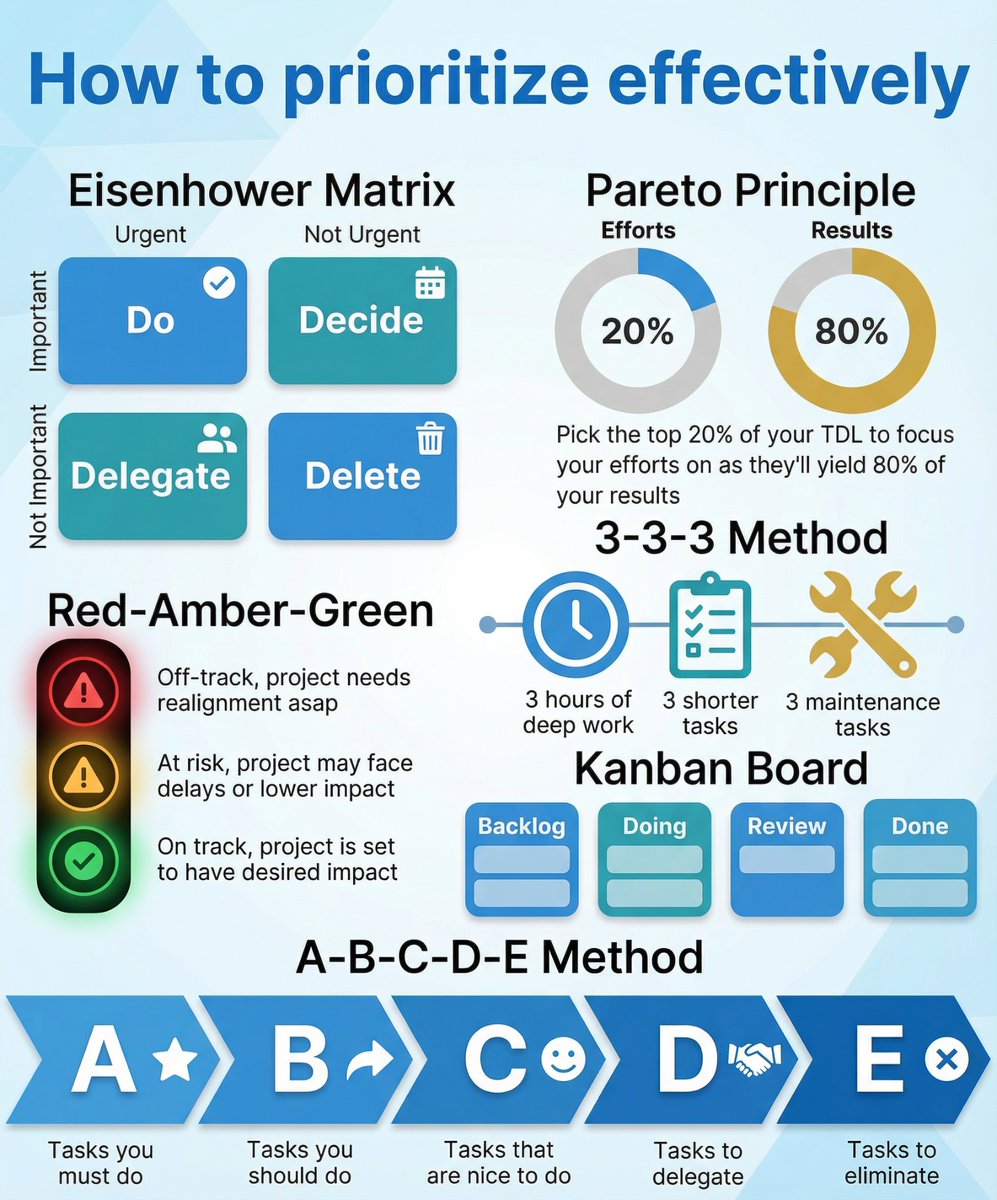
Difficult conversations are never easy but @Haypsych tips really help - for 3️⃣ feedback works well using the EEC feedback formula (E)xample (E)ffect it had and the (C)hange you think could help #First4Coaching 🎯
What is the most powerful yet misunderstood quality a leader can possess? It is the courage to choose empathy in a world that often mistakes harshness for authority. Kindness is the most underrated leadership skill.
Instead of watching an hour of Netflix, watch this 2 hour hour Stanford lecture will teach you more about how LLMs like ChatGPT and Claude are built than most people working at top AI companies learn in their entire careers.
75% of cross-functional teams are broken.
Want to fix that?
It starts with clarity:
Clear roles and processes are essential for smooth collaboration.
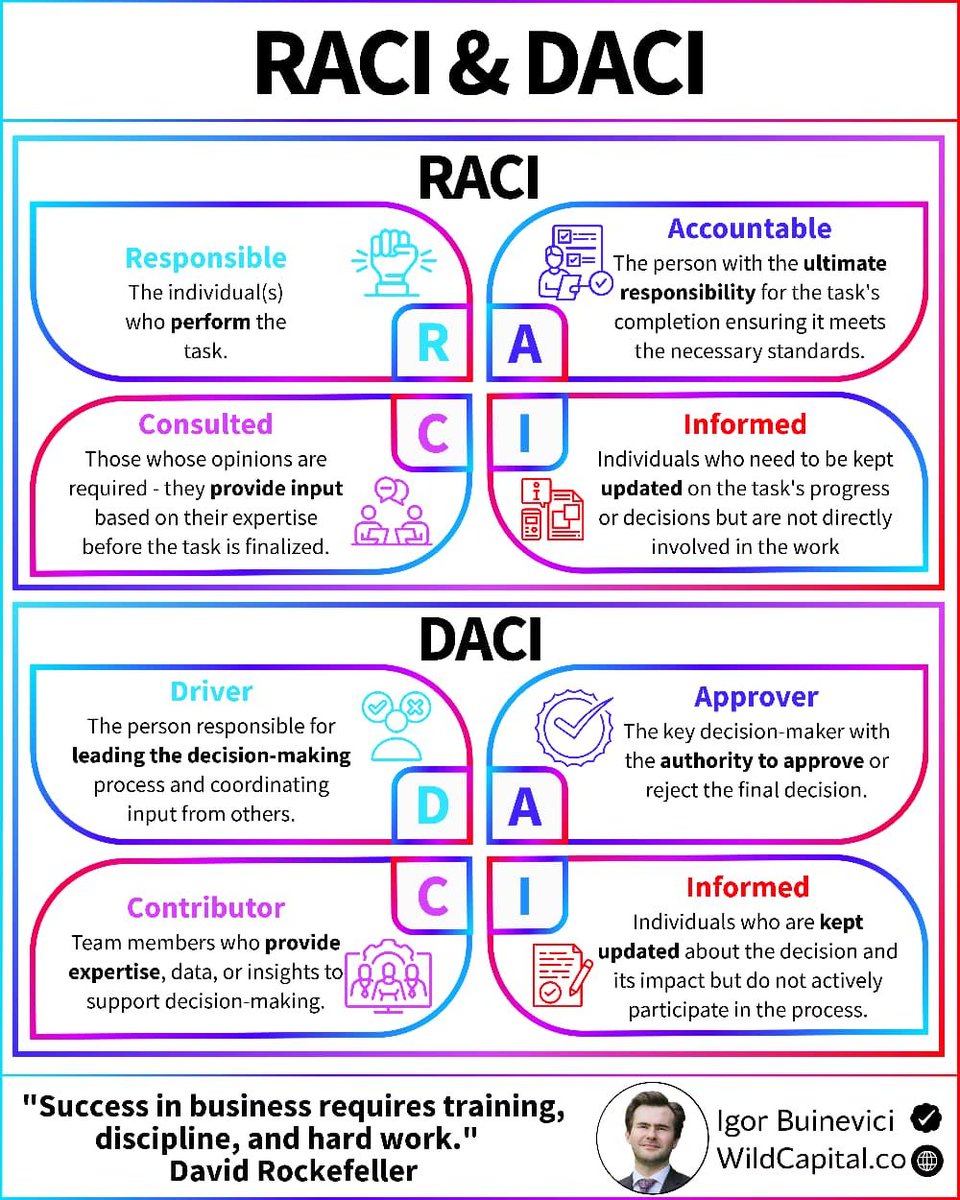
Two powerful frameworks can help simplify decision-making and project management:
DACI and RACI.
DACI is designed to clarify decision-making by assigning specific roles:
1. Driver
Leads the decision-making process.
2. Approver
Holds final accountability for the decision.
3. Contributors
Experts who provide input.
4. Informed
People who need to stay updated on decisions.
RACI defines who’s responsible for what during project execution:
1. Responsible
Those who do the work.
2. Accountable
The person ultimately answerable for completion.
3. Consulted
Those who give advice and feedback.
4. Informed
Stakeholders kept in the loop on progress.
What’s the difference?
DACI clarifies decision authority.
RACI defines project roles and communication flows.
Both boost transparency and eliminate confusion.
Pick the one that fits your team’s structure and project needs best.
P.S. Which framework has improved your team’s collaboration?
♻️ Share this with your network to master cross-functional teamwork!
----
📌 Get my top 100 infographics for free:
1) Follow me.
2) Subscribe to my free newsletter at https://t.co/jTnaNRbsRL
You’ll receive them (including this one) directly in your welcome email.
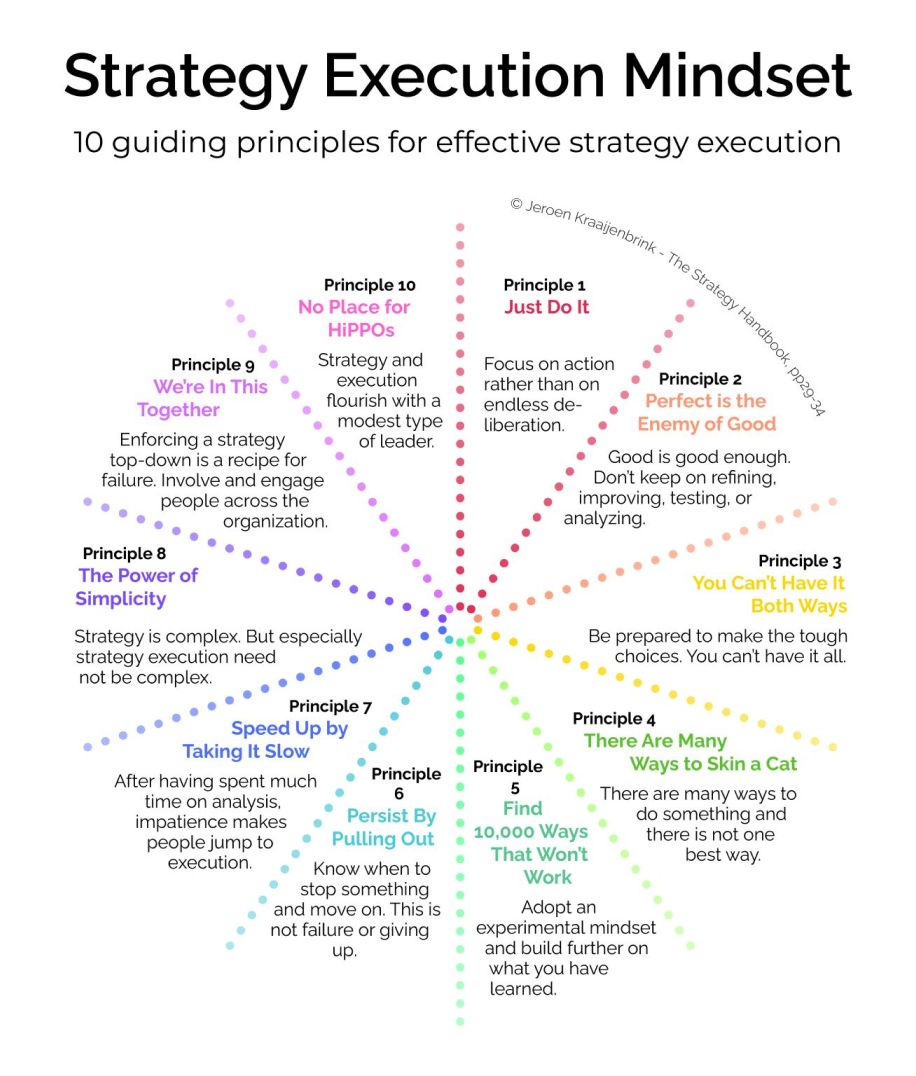
Success begins with the right mindset.
Tools and techniques can help, but mindset:
Is where the real transformation happens.
Huge thanks to Jeroen Kraaijenbrink for these next-level insights (give him a follow!).
Here are 10 principles to shape your strategy:
1. Take Action
Stop overthinking and start doing.
Let your moves line up with your goals.
2. Good Is Enough
Perfection slows progress.
Push forward even if things aren’t flawless.
3. Make Hard Choices
You can’t do everything at once.
Decide what truly deserves your focus.
4. Stay Flexible
No strategy fits all situations.
Adjust, experiment, and pivot when needed.
5. Embrace Failure
Treat mistakes as lessons, not setbacks.
Fail fast, learn faster, and keep moving.
6. Know When to Let Go
Quitting isn’t defeat.
It’s a smarter decision to redirect energy.
7. Slow Down to Speed Up
Don’t rush into action after planning.
Thoughtful preparation makes execution smoother.
8. Keep It Simple
Strategy doesn’t need to be complicated.
Focus, act, finish—and then move on.
9. Collaborate, Don’t Dictate
Bring everyone into the process.
Shared ownership accelerates results.
10. Stay Humble
Leaders don’t hold all the answers.
Pay attention - others might see what you can’t.
These principles lay the foundation for strong strategy execution.
With the right mindset, action flows naturally.
P.S. Which of these principles resonates with you most?
♻️ Share this to help others get in the right mindset!
📌 Get my top 100 infographics for free:
1) Follow me.
2) Subscribe to my free newsletter at https://t.co/jTnaNRaV2d.
You’ll receive them directly in your welcome email.
“When both are low, teams fall into the Drama Zone.When one is high and the other isn’t, people end up in Fear or Resentment. But when clarity and accountability rise together, conversations get cleaner, decisions stick, and the emotional noise quiets down” - love this concept!
Feedback done wrong creates silence—
Feedback done right creates safety:
📍Try this 3-day feedback reset:
1️⃣Ask one person for feedback.
2️⃣Give one person feedback, kind and specific.
3️⃣Share one change you made.
Follow each step
and build a feedback culture that works.
The best teams don’t avoid tension.
They use feedback to turn it into progress.
📌 Want a PDF of my top infographics?
⏩ Go Here: https://t.co/QLV2I0XGXV
Please repost to help others out there! ♻️
“Leverage points” is an important principle in implementing change. By identifying the leverage points within a system where small changes can have a large impact, change leaders can target those points & make changes that can have a cascading effect throughout the entire system.
The classic approach to leverage points is the work of Donella Meadows (1997) who identifies 12 potential leverage points (“places to intervene”) in a system. Very often, we intervene by redesigning the structures or changing the practices, when the greatest leverage for change comes from thinking differently - our assumptions & mindsets.
What frequently happens is that change leaders love the idea of leverage points but find Meadows’s descriptors hard to work with in practice. This article by @ryanjamurphy is helpful because it suggests ways to put Meadows’s powerful concept into a more usable framework. So I have created a new graphic for leverage points, based on one of the models the author suggests.
See the Murphy article: https://t.co/ozXtFqx3DW
The “leverage” principles in this graphic taken from @johnvkania et al: https://t.co/k3qj7EUrLS
Donella Meadows on leverage points: https://t.co/SATGUmUI9m