The Taxes and Levies charged on fuel in Kenya constitutes about 80% of the actual cost of the product itself. The ripple effect of surges in fuel prices on overall market dynamics places an obligation on the government to make concessions, when necessary, to cushion consumers from global spikes in prices. While the reduction of VAT from 16% to 13% is one such concession, it is far from adequate in the grand scheme of things, considering Kenyans already pay the highest pump prices regionally.
The increase announced by EPRA indicates tone-deaf leadership that ignores the plight of the people. This is when the role of our parliamentarians in representation and oversight must be activated. The pain of wananchi must never go unrecognised or unresolved.
JUST IN: The Strait of Hormuz blocks the fertiliser from shipping. China just blocked it from being replaced.
Beijing has instructed exporters to suspend overseas shipments of nitrogen and potassium fertiliser blends. Urea. NPK mixes. The molecules that American, Indian, Bangladeshi, and African farmers need to plant are now gated at two chokepoints simultaneously: a 21-mile waterway controlled by provincial commanders with sealed radio orders, and a government directive issued from Zhongnanhai that requires no radio at all.
One third of global seaborne fertiliser trade transits Hormuz. China is the world’s largest fertiliser producer. When the strait closed and China suspended exports in the same month, the global food system lost its primary supply route and its primary alternative supplier at the same time. There is no third source at this scale. There is no backup to the backup.
Urea has surged roughly 40 percent since the war began. CBOT March futures settled at 610.50. The peak at New Orleans touched $683. Those prices were set by the Hormuz blockade alone. China’s ban adds a second floor underneath them. Even if the strait reopened tomorrow, Chinese urea would not flow until Beijing lifts the directive. Even if Beijing lifted the directive, the strait would still need to reopen, insurance to normalise, and vessels to be available. The two gates operate independently. Both must open for the molecule to move.
China’s logic is transparent. Hormuz disrupted global supply. Prices surged. Chinese domestic farmers face the same planting windows as everyone else. Beijing chose to protect its own agriculture by hoarding the molecule the rest of the world needs. This is the same country that is simultaneously drawing commercial crude reserves at a million barrels per day, running military exercises near Taiwan, receiving discounted Iranian oil through the permissioned strait, and restricting the phosphate exports it suspended months ago. Every decision serves one objective: China first. The rest of the world absorbs the shortage.
The American farmer is now squeezed from two directions. The Gulf urea he used to buy cannot transit the strait. The Chinese urea that could have replaced it is embargoed by Beijing. Domestic US production covers roughly 75 percent of normal needs, but normal needs assumed Gulf and Chinese imports filling the gap. The gap is now unfillable on any timeline that matters for spring planting.
USDA projects corn falling to 94 million acres. Soybeans rising to 85 million. The RFS mandate consumes 43 percent of a shrinking corn crop. The cattle herd sits at 86.2 million, a 75-year low. The protein cascade runs from corn to feed to meat to eggs to dairy to the grocery shelf. China’s ban did not create that cascade. The Hormuz blockade created it. China’s ban removed the last exit ramp.
Oman crude at $154. Brent at $102. WTI at $93. Gold at $5,000. The Fed holding at 3.50 to 3.75 with PCE revised to 2.7. Trump telling Israel to stop hitting gas fields. Iran threatening to burn the Gulf to ashes. Four countries’ energy infrastructure offline. And now the world’s largest fertiliser producer has locked its warehouse and told every farmer on Earth that the key is in Beijing, not for sale, and not available until further notice.
Two gates. One molecule. No alternative. The calendar closes in four weeks.
https://t.co/iFmUcarGdV
@crs_kenya How long should the application of a Death Certificate via eCitizen take? 6-months and still counting at the Data Entry Stage!!! Of course, no insurance claims can be settled until the matter can be resolved.
@wamalwakuloba@MNdimu@AnganaKeith@KeNHAKenya@AbroadTanzania@jumuiya Comesa Insurance is a temporary Third Party cover for motor vehicles, outside the geographical limits of your normal Comprehensive/TPO insurance cover. Of course, geographical limits are declared for Transit Commercial Vehicles.
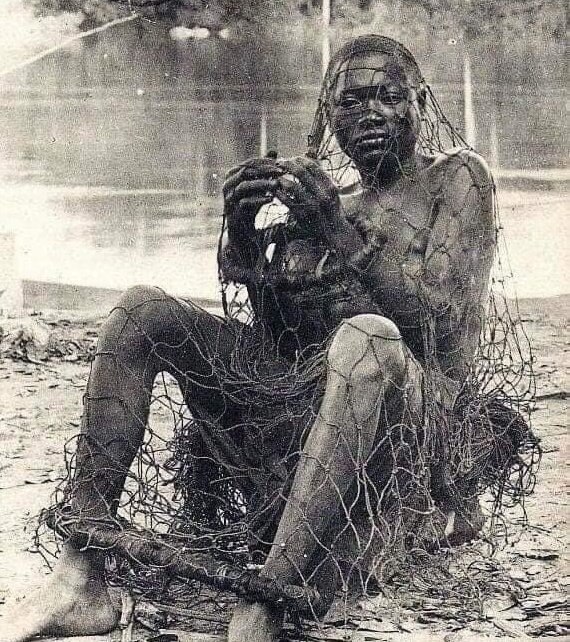
Before there was Jewish holocaust, there was African holocaust that lasted for 400 years. No one tells the Jews to forget their past, only Africans are told to forget their history and move on.
Your comments on this ...