Why do patients stop doing their exercises even when they know it helps?
This qualitative study offers a powerful reminder that exercise adherence is not simply a matter of compliance, but a complex behavioural and contextual challenge in persistent spinal pain.
This study shows adherence in spinal pain depends on:
✔ Support & accountability
✔ Pain expectations
✔ Programme design
Despite strong evidence for exercise, up to 50–70% of patients show poor adherence, limiting outcomes. This study shifts the focus from what we prescribe to how patients experience, integrate, and sustain exercise in real life.
Adherence is not a patient problem. it is a design, communication, and support problem.
Read more about it: https://t.co/P148LjLRkM
#Exercise therapy #Self-management #Treatment adherence and compliance #Neckpain #Lowbackpain
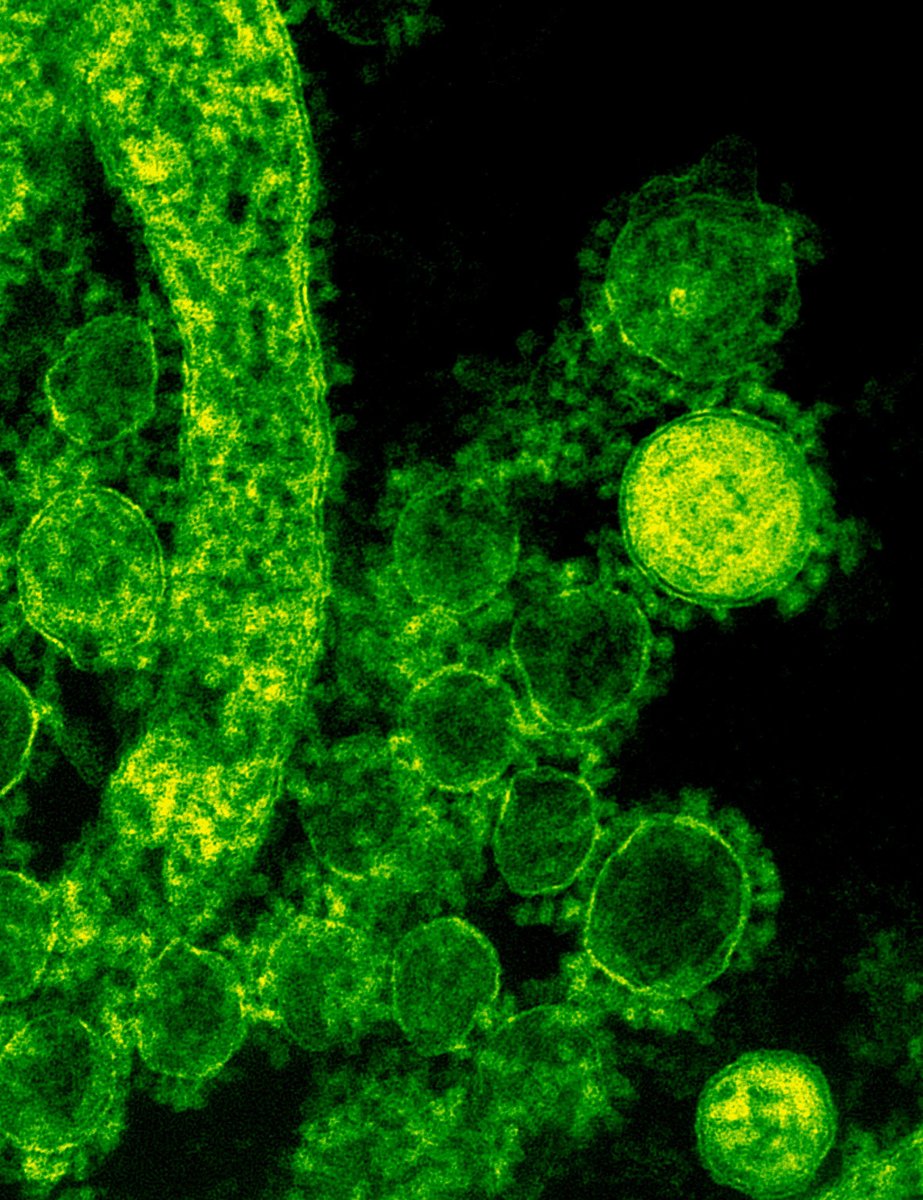
EL DÍA QUE LOS ANTIBIÓTICOS DEJEN DE FUNCIONAR, TU CIRUGÍA DE RODILLA SERÁ MÁS PELIGROSA QUE EN 1940
He dedicado el último capítulo de mi libro a la resistencia antimicrobiana. Y no porque sea tendencia. Porque es la amenaza silenciosa que va a destruir la medicina moderna tal y como la conocemos
Aquí va el dato que nadie te cuenta: en 2019 murieron 1,27 millones de personas directamente por infecciones resistentes a antibióticos. Más que VIH. Más que malaria. Y las proyecciones para 2050 son aterradoras: 10 millones de muertes anuales si no hacemos nada
Pero espera, que hay más
Cada cirugía ortopédica que hago depende de antibióticos profilácticos. Cada prótesis de rodilla. Cada fijación de fractura. Sin antibióticos funcionales, volvemos a la era pre-Fleming donde una fractura abierta era básicamente sentencia de muerte por sepsis
Y aquí viene lo terrible: desde 1987 solo se han aprobado 2 nuevas clases de antibióticos. Dos. En casi 40 años. Desarrollar uno cuesta entre 1.000 y 1.500 millones de dólares y se usa poco.
Mientras tanto, tú dejas el tratamiento a mitad porque "ya te encuentras mejor". Enhorabuena. Acabas de entrenar bacterias resistentes en tu propio cuerpo
Completar tratamientos no es sugerencia. Es supervivencia colectiva. Lavarte las manos no es paranoia. Es lo que Semmelweis descubrió en 1847 y por lo que murió ridiculizado
Los antimicrobianos son recursos finitos. Como el petróleo, pero más importante. Porque sin ellos, la cirugía moderna, la quimioterapia, los trasplantes, los cuidados intensivos... todo eso desaparece
Cuidarlos es responsabilidad tuya también
No destruyas el futuro por pereza presente
#LaTraumatologaGeek
Este mes hablamos de… 🦶🏼 ¡Abordaje contemporáneo de la fasciopatía plantar!
📚 En el cuadro clínico clínico del Dr. Guido Gómez @FisioScience repasamos fisiopatología, valoración, diagnóstico diferencial y manejo del paciente.
📲 https://t.co/vRbgwkyHmP
Sometimes biomechanics seem to matter....
Prediction of secondary ACL injury in female athletes using 2D video-based measurements obtained during dynamic tasks: a retrospective case–control study
https://t.co/Ex93KHNNiG
The Role of Ultrasound in the Diagnosis and Treatment of Meniscal Injuries
https://t.co/8T7QQ0KL02
This review article discusses the role of ultrasound (US) in diagnosing and treating meniscal injuries. US offers similar sensitivity and specificity to MRI for meniscal tear evaluation, with the advantage of dynamic assessment and lower cost. It can reliably measure meniscal extrusion (ME), a key indicator of root tears and OA development. US is also useful for screening discoid menisci and assessing allograft transplants, where specific findings predict graft failure.
While US excels in diagnosing horizontal, radial, and flap tears, it's less sensitive for vertical and bucket handle tears. Direct visualization of root tears is challenging, relying on ME as a surrogate marker. Emerging shear wave elastography shows promise in evaluating meniscal tissue stiffness, potentially aiding in degeneration assessment.
US-guided procedures are gaining traction, with perimeniscal corticosteroid injections offering short-term symptom relief. Intrameniscal platelet-rich plasma (PRP) injections appear safe and effective for up to three years. US-assisted meniscal surgery enhances safety during all-inside repairs and helps assess meniscal reduction after root repair.
Despite its potential, US has limitations, including visualization challenges in certain regions and reliance on operator expertise. While US is a valuable screening tool, surgeons often prefer MRI for comprehensive visualization before arthroscopic repair. US-guided treatment of degenerative tears is a promising alternative to arthroscopic partial meniscectomy, warranting further research. Intrameniscal injections of orthobiologic agents are expected to play an increasing role in the future.
Si trabajáis con patología de pie, os comparto un cuestionario breve que he elaborado para pasar a nuestros pacientes y que puede proporcionarnos información útil en consulta.
https://t.co/9ZlyDBt6Y2
“Una movilidad limitada del tobillo puede aumentar la actividad del isquio como compensación para producir fuerza horizontal, elevando así el riesgo de lesión.” van Dyk & Pecci, 2025