𝗧𝗛𝗘 𝗗𝗘𝗩𝗘𝗟𝗢𝗣𝗠𝗘𝗡𝗧 𝗟𝗘𝗗𝗚𝗘𝗥 | 𝗗𝗔𝗬 𝟴
The corridors that fill the headlines run from Beitbridge to Harare and on to Chirundu. The crossings that keep rural districts connected when the rivers rise almost never make the news.
Muhume Bridge is one of them. First conceived in 1998, it remained an unfulfilled aspiration for two decades. Construction began in 2018 under President Mnangagwa, and on 5 November 2026, the bridge was commissioned, connecting Ward 1 of Murehwa to Ward 15 of Uzumba-Maramba-Pfungwe. For communities previously separated by seasonal flooding, it means safer access to schools, healthcare and agricultural markets throughout the year.
Muhume is not alone. In the Midlands, Gunguhwe Bridge was swept away in 2008, disrupting movement along the Gumunyu–Mashame route. Rehabilitation began in 2018, restoring an important connection between Gokwe North and Gokwe South and improving access to neighbouring provinces. In Matabeleland North, Somgolo Bridge over the Mbembesi River, commissioned in April 2025, now connects Lupane and Tsholotsho, replacing a dangerous crossing that had claimed young lives and repeatedly interrupted schooling.
These are not glamorous projects. They are bridges that allow a child to reach school, a farmer to reach a market and a patient to reach a clinic.
They form part of the rural infrastructure development record of the Second Republic under President Mnangagwa.
Development is not measured only by the highways that carry commerce between cities. It is also measured by the rivers that no longer divide communities.
A call to protest with no name behind it isn't a movement. It's a trap.
This week, anonymous flyers and YouTube videos are telling Zimbabweans to stay home and take to the streets. No party has signed it, and no union or church has either. Some of the people pushing it live outside the country, safely beyond the reach of the consequences they want you to face.
The challenge to the Constitution Amendment is already before the Constitutional Court, and the case is heard on Wednesday. Those who ran to the judges cannot now try to pressure them from the street. Respect the process, await the ruling, and respect it when it comes.
And who pays for a stayaway? More than half of working Zimbabweans earn in the informal sector. For the vendor, the kombi driver and the welder, a day at home is a day without food on the table. No YouTube channel will refund it.
Under President Mnangagwa, the economy grew 8.3% last year, and Treasury is collecting more than it spends. This country is moving, and it will not be stopped by people hiding behind screens.
The security services will protect every citizen who goes to work. Anyone who breaks the law will answer for it in the courts, without fear or favour.
Don't be used. Don't be anyone's foot soldier. Go to work.
Nelson Chamisa wants Zimbabweans to believe that he took the SIM card from the price of a cow to the price of tomatoes. The first half is true: SIM cards were scarce and expensive. The second half is a claim to credit that isn't his.
Start with the dates. On 29 January 2009, Acting Finance Minister Patrick Chinamasa presented the 2009 National Budget and legalised the use of multiple foreign currencies. That ended the Zimbabwe dollar's role in everyday trade. It was a national macroeconomic decision, and it came weeks before Chamisa was sworn in as ICT Minister later in February 2009. The policy that fixed the market was decided before he had an office.
Dollarisation removed the distortions that had made SIM cards so expensive. Under hyperinflation, operators could not get foreign currency to import SIM cards or expand their networks. The black market set prices and SIM cards were rationed. Once businesses could trade in stable currencies, operators could import, set prices and sell openly. Every shelf in the country felt that change, not just mobile phone shops.
The press recorded it at the time. In September 2010, the Mail & Guardian documented SIM card prices collapsing from as much as US$220 in 2008 to US$1 after dollarisation, not from Chamisa's press statements. In May 2014, The Sunday Mail explicitly named the switch to the multicurrency system as a major reason the market corrected itself.
His defenders will point to lower call tariffs or corrected TelOne bills. Even if true, those are different outcomes. Cutting a tariff is not proof that you took SIM cards from about US$200 to US$1. Each claim needs its own evidence, and he has offered none.
Then there are the operators. Econet, NetOne and Telecel all existed before Chamisa became minister, and they did the physical work. A cheap SIM card is useless without towers, capacity and distribution. POTRAZ figures presented to the International Telecommunication Union show Econet's subscriptions rising from about 990,000 in 2008 to 5.5 million in 2011. In the year to February 2011 alone, Econet invested US$270 million in network infrastructure. By mid-2011, NetOne and Telecel had about 1.3 million subscribers each. That growth came from private capital and hard execution, not from press statements.
There is a bigger problem with his story: he was not even in charge of telecommunications for most of the period he is talking about. In April 2009, barely two months after he was sworn in, a Presidential decree moved supervision of the country's key communication infrastructure from his ministry to the Ministry of Transport and Infrastructural Development, under Minister Nicholas Goche. The Herald reported it, and Chief Secretary to the President and Cabinet Dr Misheck Sibanda read it out. His own party complained about it publicly at the time. Chamisa cannot spend 2009 protesting that the telecoms portfolio was taken away from him, then spend 2026 claiming credit for what happened in it.
And if anyone wants to talk about import duty on SIM cards, duty is a Treasury matter. In the inclusive Government, Treasury was run by Finance Minister Tendai Biti, not the ICT Ministry. Chamisa was in the room for Zimbabwe's telecommunications revolution. He was not the reason for it.
So here is a simple question for the man who now says nothing is impossible. If the fall in SIM card prices was mainly his ministry's doing, which policy caused it? When was it implemented? And how much of the fall can he separate from dollarisation and private investment? If he cannot answer, this is not leadership. It's taking credit for someone else's work.
Leadership is built on facts, not on rewriting them. The record shows the market corrected after a currency decision made in January 2009, before he ever took office, and the telecoms portfolio was taken out of his hands within weeks of his arrival.
Some of the most consequential stories never make the front page. Harare had one this week.
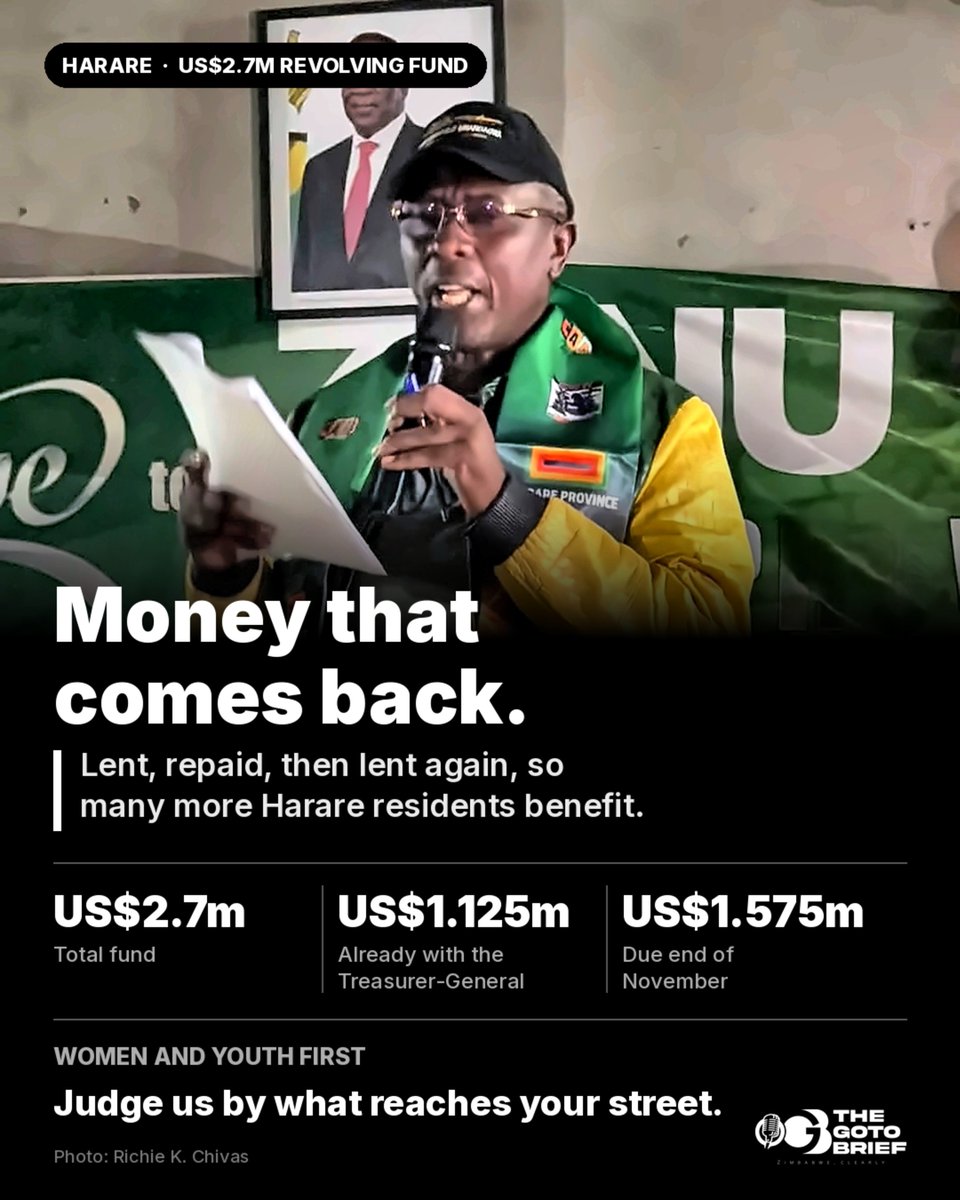
At Sunday's Provincial Coordinating Committee meeting, Hon. Minister Dr. Kudakwashe Tagwirei availed a US$2.7 million revolving fund for empowerment projects in the capital. Zimpapers reports that US$1.125 million is already with the party's Treasurer-General, and the remaining US$1.575 million is due at the end of November. The fund targets income-generating ventures, skills and access to capital, with women and youth first in line.
The key word is "revolving". A donation helps one person once. A revolving fund lends, collects and lends again. H.E. President Emmerson Mnangagwa made the same point when he launched his youth revolving fund: it is a loan, repaid so that many more can benefit.
That matters where growth meets the street. A woman in Mbare making soap needs working capital, not a foreign investor. A young welder in Epworth has the skills but not the collateral banks demand. Government cannot finance every enterprise, and banks will not. A well-run revolving fund fills that gap and turns national growth into broader ownership.
Dr. Tagwirei tied the programme to the President's mantra of leaving no one and no place behind. At the same meeting, he restated that President Mnangagwa is ZANU PF's one centre of power. His own task is to deliver on that leadership's programme. That is the discipline ZANU PF asks of all its members.
The fund is also part of a deliberate province-wide campaign within ZANU PF's broader urban strategy. Harare provincial chairman Godwills Masimirembwa was explicit that the goal is to return the capital to the revolutionary path by reclaiming every National Assembly and local authority seat. Alongside the fund, the province is mobilising eligible voters, and Dr. Tagwirei has set a target of one million members in Harare by 2030. Cities have been the opposition's stronghold since 2000. ZANU PF's answer is not slogans but delivery: capital, skills and jobs, organised zone by zone.
Critics will call it patronage. There is nothing shameful in a party competing for cities by showing it can deliver; that is how politics works in any democracy. ZANU PF's message to urban voters is simple: judge us by what reaches your street.
Announcing money is a commitment. Getting it into the right hands is the work that follows, and the true measure is the businesses and jobs that last. A fund built to revolve is built to be judged by results, and Harare will be able to count them zone by zone.
The best evidence will not be Sunday's announcement but the businesses still trading next year. That would answer Dr. Tagwirei's critics, and vindicate the President who trusted him with the task.
US$1.4 billion. That is how far Zimbabwe's trade balance swung in a single year.
From January to September 2025, Zimbabwe bought more from the world than it sold. Over the same nine months of 2026, it sold more than it bought.
ZimStat's numbers:
Exports: US$10.4 billion, up 61%.
Imports: US$9.76 billion, up 34.8%.
Trade balance: a surplus of US$637.4 million, against a deficit of about US$764 million a year earlier.
Third quarter alone: a surplus of US$892.8 million.
Numbers like these do not fall from the sky. They are the result of choices. When President Mnangagwa declared that Zimbabwe was open for business and set the country on the road to Vision 2030, critics called it a slogan. Today it shows up in hard data: a nation that spent years importing more than it earned is now earning more than it spends on imports.
Good news deserves a serious reading, and the first thing a serious reading tells us is what this number is not. A trade surplus is not money sitting in Treasury. It measures the whole country's trade in goods: miners, farmers and manufacturers earning more abroad than the nation spends on imports. Government's budget and its bills sit on a separate ledger. Anyone mixing the two has a good slogan and bad economics.
In fact, even economists treat the trade balance as only one line in a bigger account. They look next to the current account, which adds services, interest on debt, dividends sent home by foreign-owned companies, and the money our diaspora sends back. The goods surplus is the engine, but the current account tells you whether the whole vehicle is moving forward. A stronger engine is exactly what the Second Republic set out to build.
To judge the engine itself, we must also ask where the extra earnings came from. Export value is simply price multiplied by volume. When world prices rise, earnings rise even if we dig out exactly the same tonnes. That is precisely why government has refused to rely on luck. Its push to expand gold output towards 50 tonnes a year, to grow mining investment and to revive agriculture is a push for volume, the part of the surplus no commodity cycle can take away.
The same thinking guides the question of who buys from us. The United Arab Emirates, China and South Africa were September's biggest customers. But what we sell to the UAE is mostly gold, and Dubai buys it largely as the world's gold trading hub, refining and reselling it on to buyers elsewhere. That still earns us hard currency, but it is one product passing through one hub, not a broad new market. So the real test of diversification is not only how many countries buy from us. It is how many different things we sell them. That is the test the value-addition agenda is designed to pass.
That brings us to the other side of the ledger, which is too often misunderstood. The old mercantilist idea that a country wins by exporting and loses by importing was demolished more than two centuries ago. A surplus is not a trophy to lock in a cabinet. What matters is what our earnings buy. Fuel keeps the economy running, and machinery builds capacity. A country that imports machinery today is building its exports of tomorrow.
None of this hides the weak spots, and naming them only makes the case stronger. September was soft. The surplus that month was just US$46.7 million, as gold and nickel earnings dipped and diesel imports jumped. But one month is weather. Nine months is climate.
The deeper concern is that gold carries too much of the load, at almost half of September's exports. Government saw this risk early. When it banned raw lithium ore exports to force processing at home, many investors grumbled. Today that policy is building plants on Zimbabwean soil. The same logic is now being extended, so that tobacco, nickel, lithium, steel and manufactured goods carry more of the weight every year.
Seen against our history, the achievement is remarkable. For more than two decades, Zimbabwe traded under Western sanctions, with little access to development finance, and many predicted permanent dependence. Instead, under President Mnangagwa's policy of being a friend to all and an enemy to none, the country widened its markets and learnt to earn its own way. Nyika inovakwa nevene vayo: a country is built by its own people. That is the experience I keep urging our neighbours to study.
So here is my read. This surplus was earned at the mine, on the farm and in the factory, under a government that bet on production when others bet on handouts. Keeping it depends on producing more, processing more, and choosing well what we buy. Buy Zimbabwe Week runs in Harare from 23 to 28 November. Where a local product competes on quality and price, every household that chooses it keeps a little more of this surplus at home.
Surpluses are earned in production and kept at the till.
His Excellency Dr Emmerson Dambudzo Mnangagwa, President of the Republic of Zimbabwe and ZANUPF President and First Secretary, accompanied by First Lady Dr Auxillia Mnangagwa, has arrived at Chinhoyi University of Technology to officially open the Party’s 23rd National People’s Conference.
SANCTIONS ARE NOT A VERDICT ON COMPETENCE.
Today, Dr Kudakwashe Tagwirei was sworn in at State House as Minister of Economic Development and Investment Promotion, separate from Professor Mthuli Ncube’s Finance Ministry. One stewards the budget. The other mobilises capital.
Yes, he remains under US sanctions. So does President Mnangagwa, designated under the same authority, yet the economy he leads delivered an IMF-verified turnaround. These unilateral measures were never authorised by the UN Security Council, and no sovereign government should build its cabinet to please the capital constraining it.
So here is the only test that matters: investment deployed; factories that open; jobs created; minerals processed at home.
Sanctions will not settle whether this appointment works. Results will.
Watch the full analysis on The Goto Brief.
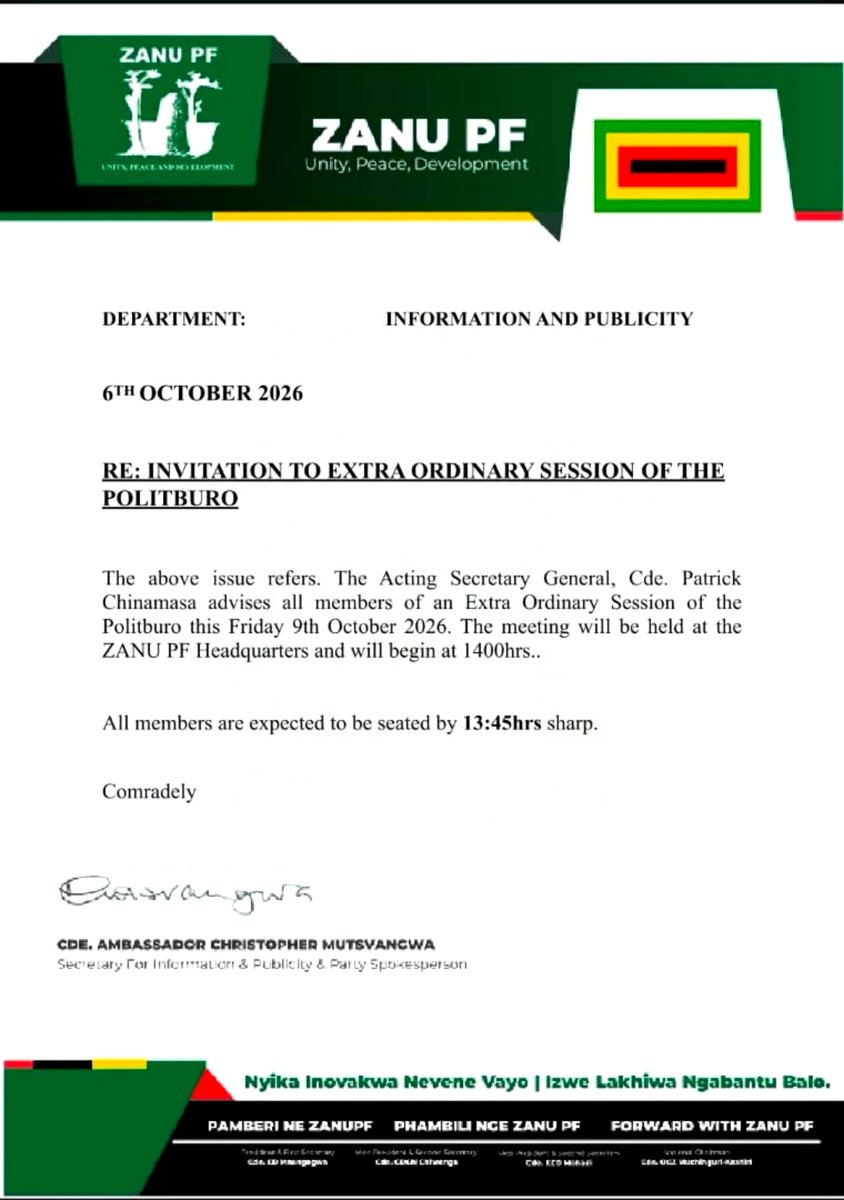
ZANUPF Acting Secretary General, Cde Patrick Chinamasa, has advised members of the Politburo that an Extraordinary Session of the Politburo will be held on Friday, 9 October 2026, at the Party Headquarters in Harare.
The meeting is scheduled to commence at 1400hrs, with all Politburo members expected to be seated by 1345hrs sharp.
The notice was issued today, 6 October 2026, by the Party’s Secretary for Information and Publicity and Party Spokesperson, Cde Ambassador Christopher Mutsvangwa.
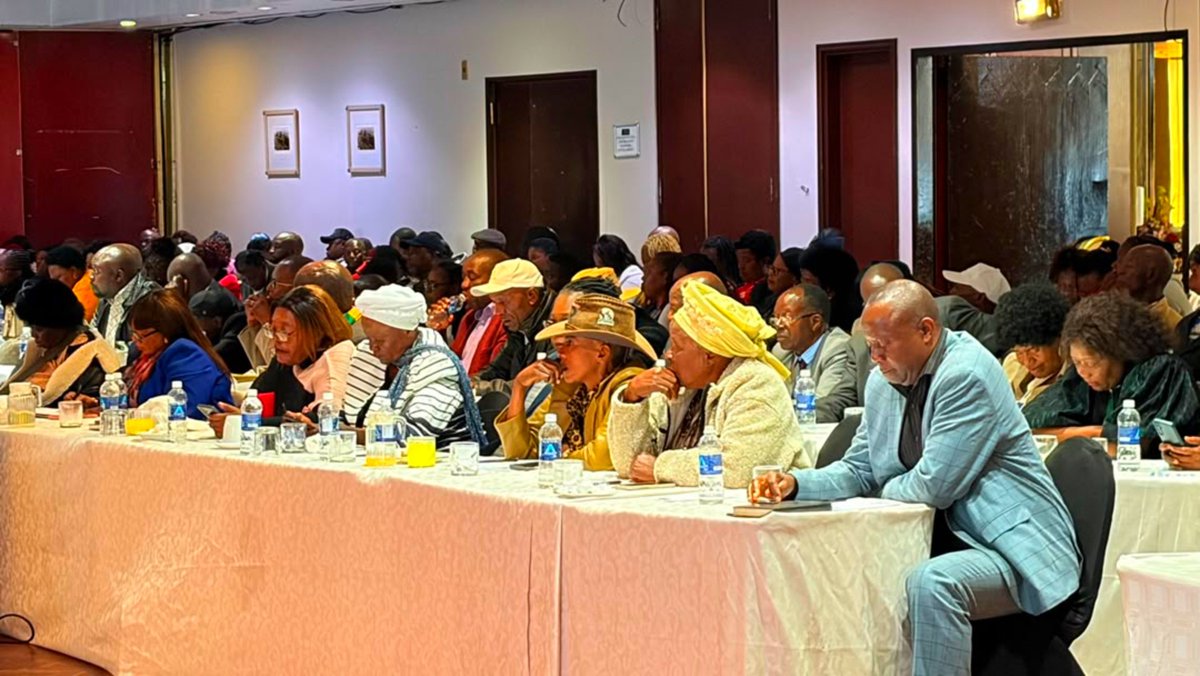
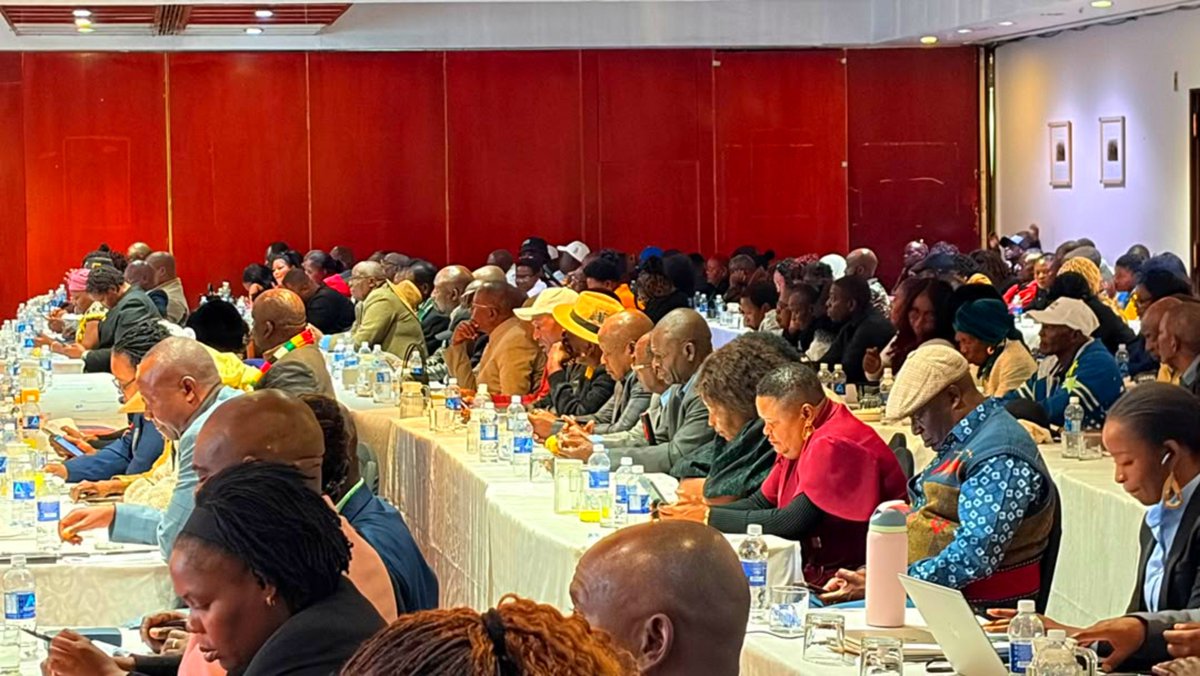
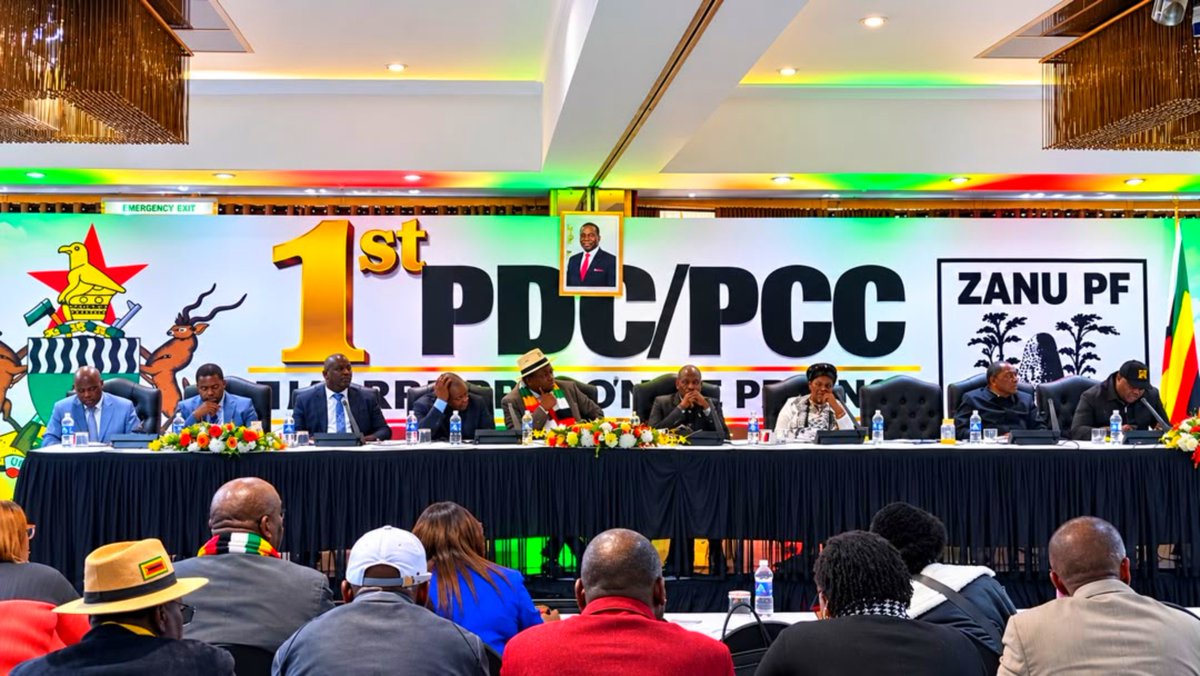
The 1st Joint Provincial Development Committee (PDC) and ZANU PF Provincial Coordinating Committee (PCC) Meeting brings together provincial Party leadership and Government development structures to strengthen coordination, review progress and sharpen the focus on implementation.
For ZANUPF, development must be visible in the everyday lives of Zimbabweans. The Party therefore remains engaged with the implementation of Government programmes, identifying gaps and ensuring that the aspirations of communities remain central to the development agenda.
Under the leadership of H.E. President Dr E.D. Mnangagwa, the emphasis is on delivery: infrastructure, agriculture, investment, jobs, improved public services and sustainable development across every province.
These engagements strengthen the connection between policy, implementation and the communities that development is intended to serve.
The message is clear: plans must translate into projects, projects into results, and results into improved livelihoods.
Brace yourselves. The next few days are going to be noisy.
Wicknell's death will not be allowed to simply be a death. It will become a battlefield of theories, prophecies and competing narratives.
There will be conspiracy theories. There will be prophets emerging from the woodwork, claiming they foresaw it. There will be those mourning, and inevitably, those celebrating.
But strip away the noise, and one truth remains:
Death belongs to all of us.
Rich or poor. Powerful or powerless. Celebrated or despised. Our differences shape how we live. They do not exempt us from how life ends.
So mourn if you need to. Reflect if you can. But never celebrate another person's death as though mortality has forgotten your address.
Today is the day.
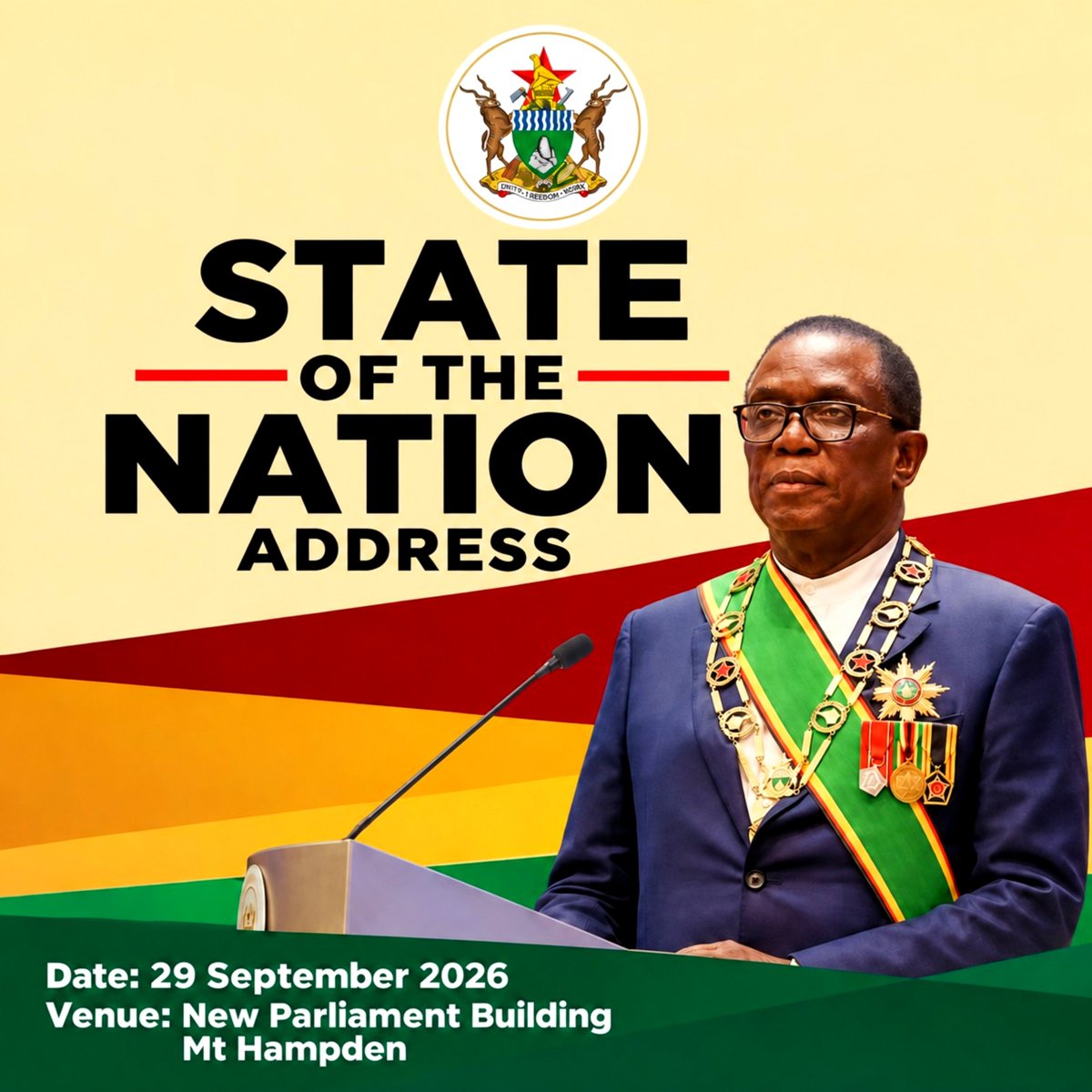
At 2pm, President Emmerson Dambudzo Mnangagwa walks into the new Parliament Building in Mount Hampden to deliver the 2026 State of the Nation Address - officially opening the Fourth Session of the 10th Parliament.
This isn't just another speech. It's the first real accounting of NDS2's opening year - the growth, the gold, the reserves, the reforms - and the legislative agenda that takes Zimbabwe another step closer to Vision 2030.
Constitutional Amendment Act No. 3 passed this session with rare bipartisan support. The Committee for the Future was born. Now Parliament reconvenes to set the next chapter.
Tune in. Watch history address the nation.
🇿🇼 2pm | Mount Hampden | SONA 2026
THE INTERNET NEVER FORGETS.
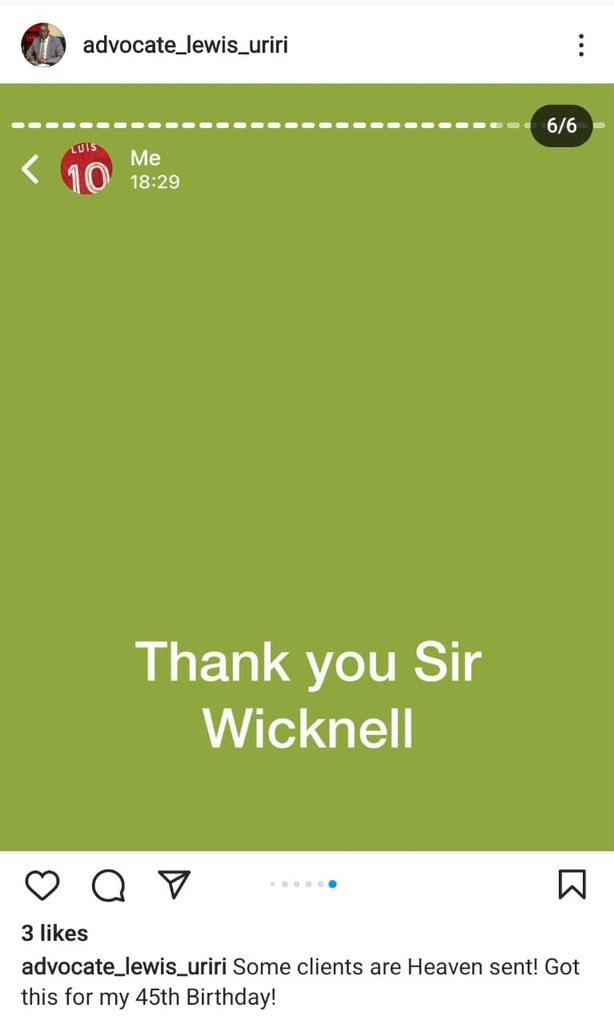
Before today’s lectures on gifts and professional independence, Advocate Lewis Uriri reportedly posted a Range Rover with:
“Some clients are Heaven sent! Got this for my 45th Birthday!”
Then:
“Thank you Sir Wicknell.”
So the question is simple:
If accepting a substantial gift from a client raises ethical concerns today, what was different then?
Perhaps there is an explanation. But the apparent inconsistency deserves one.
The internet keeps receipts.
If this was done by the Zimbabwean President, we would not hear the end of it. You would hear Mahere & Chamisa wine about how ZANU PF has done this & that. But because it hs been done by their masters, they are going to keep quiet as if nothing has happened. Double Standards😅
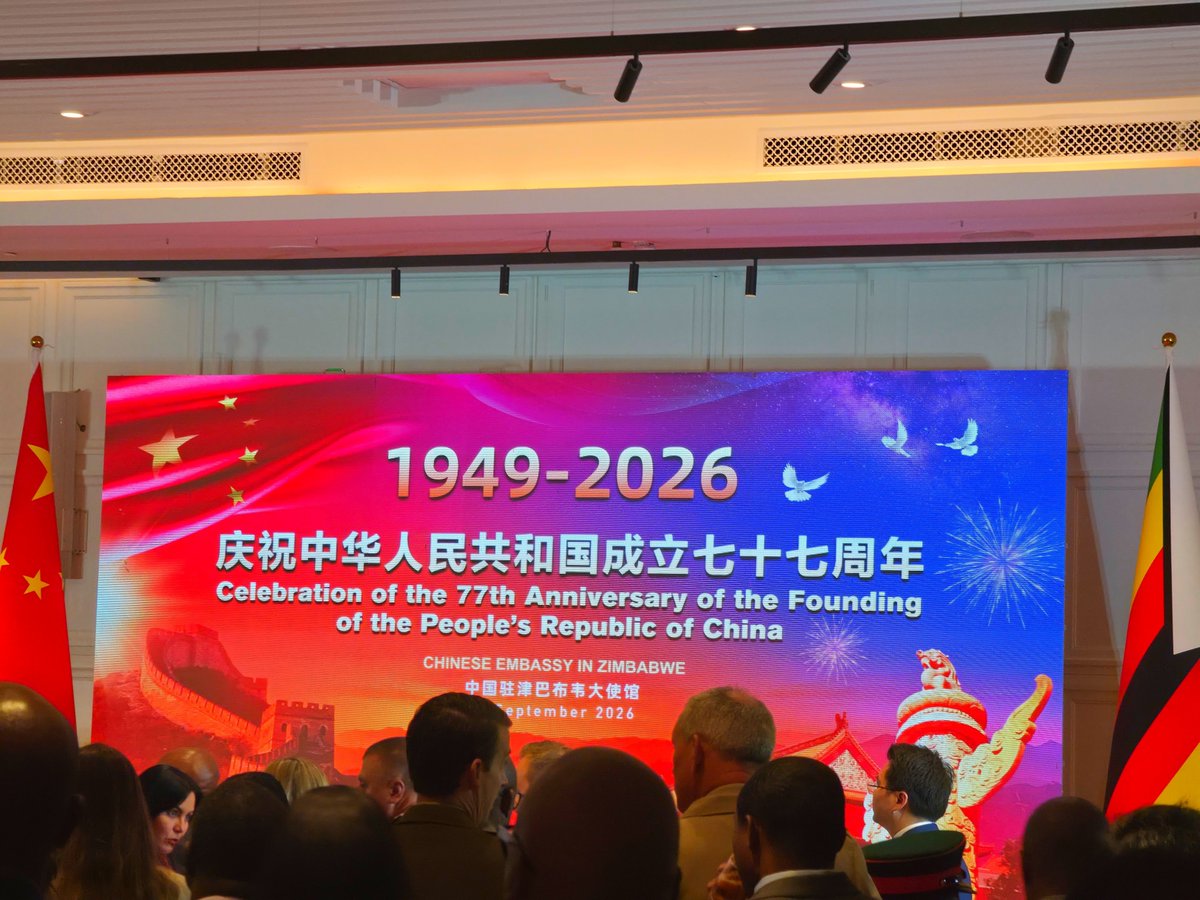
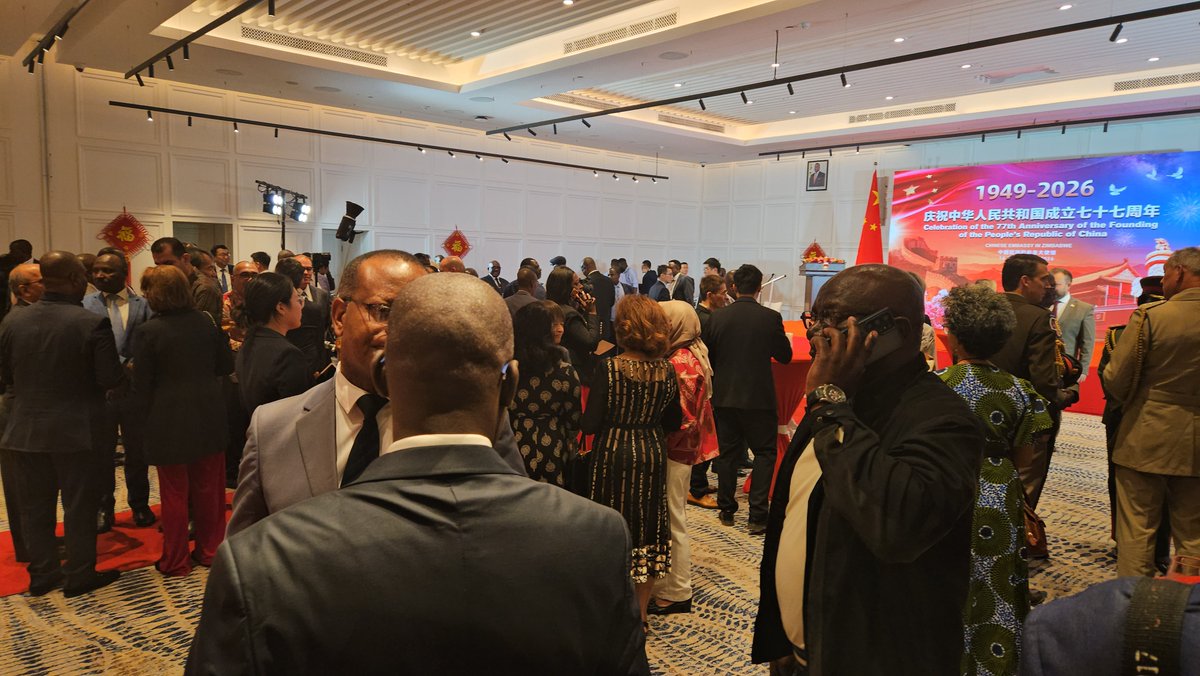
Congratulations to the people of China on the 77th Anniversary of the Founding of the People's Republic of China. Warmest wishes to the people of China as you celebrate 77yrs of remarkable progress and national achievement. May the years ahead bring continued prosperity and peace
Congratulations to the People’s Republic of China on the 77th Anniversary of its founding.
It is a privilege to join ZANUPF leadership, diplomats, Members of Parliament, senior Government officials and other distinguished guests at the Hyatt Regency Harare for this important celebration.
Over 77 years, China’s transformation into a major global economic and technological power has been remarkable. For Zimbabwe, the occasion also celebrates a friendship forged through history and strengthened through practical cooperation in infrastructure, agriculture, mining, energy, health, education and technology.
As China marks this significant milestone, I extend my warmest congratulations to the Government and people of China, as well as the Chinese community in Zimbabwe.
May the enduring Zimbabwe-China friendship continue to deepen and deliver shared prosperity for our two peoples.