Plant Pathologist and Associate Professor of Cooperative Extension at UC Davis who specializes in the diagnosis and management of fruit and nut crop diseases.
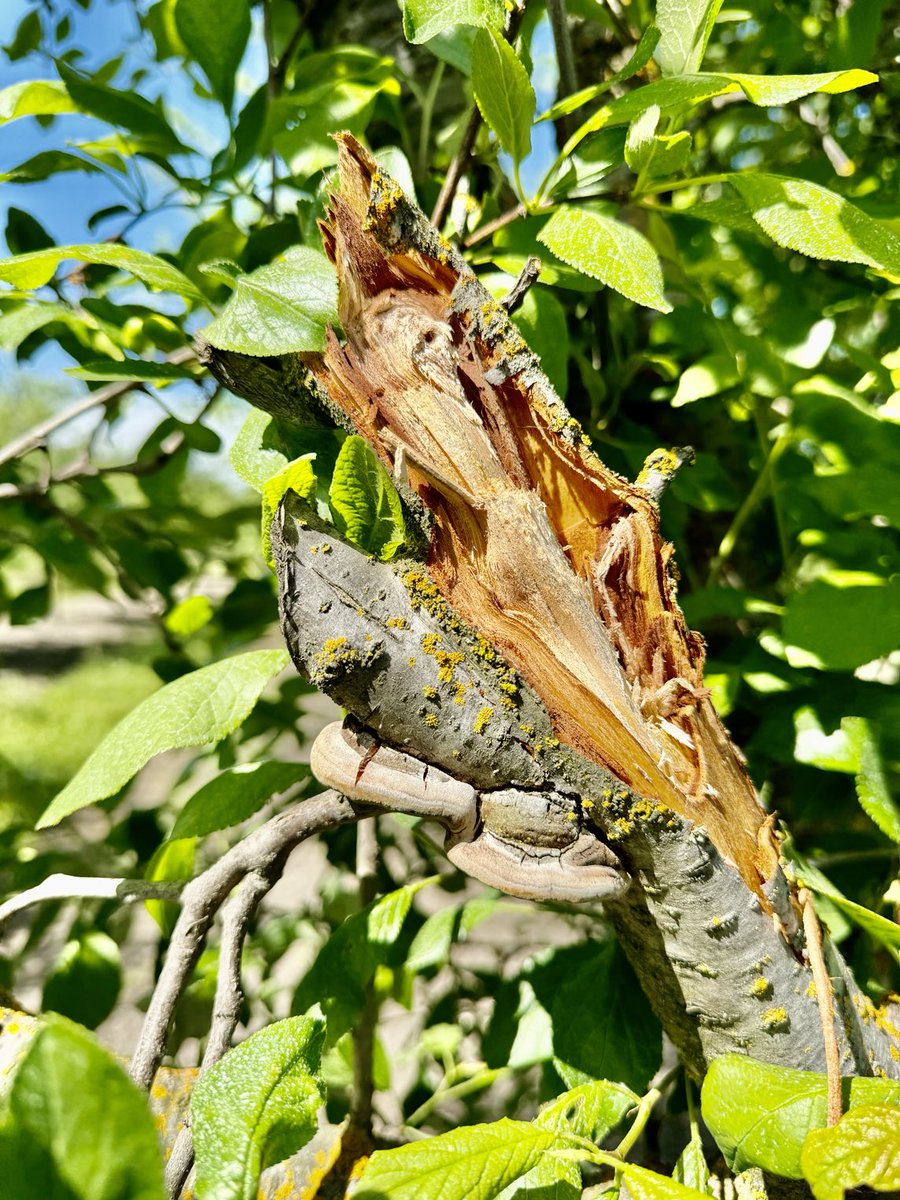
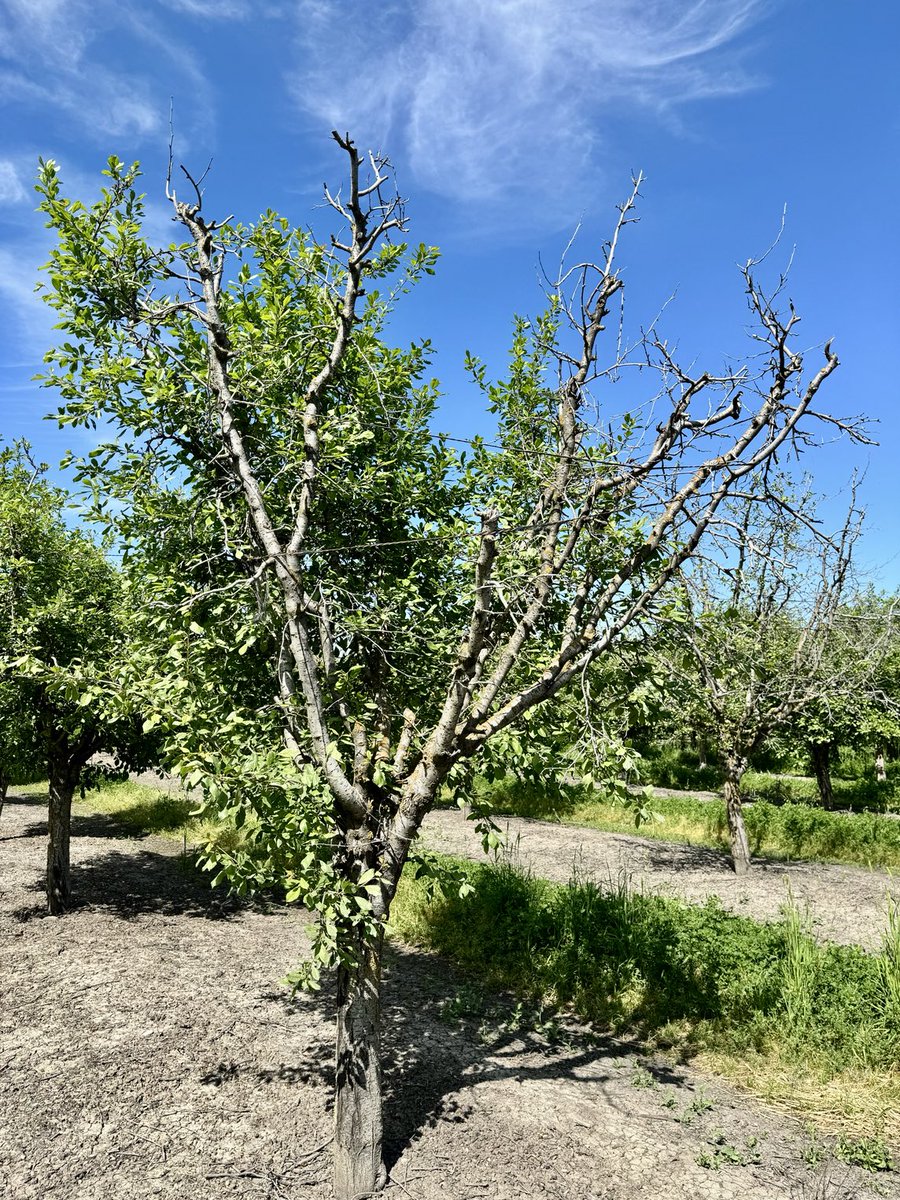
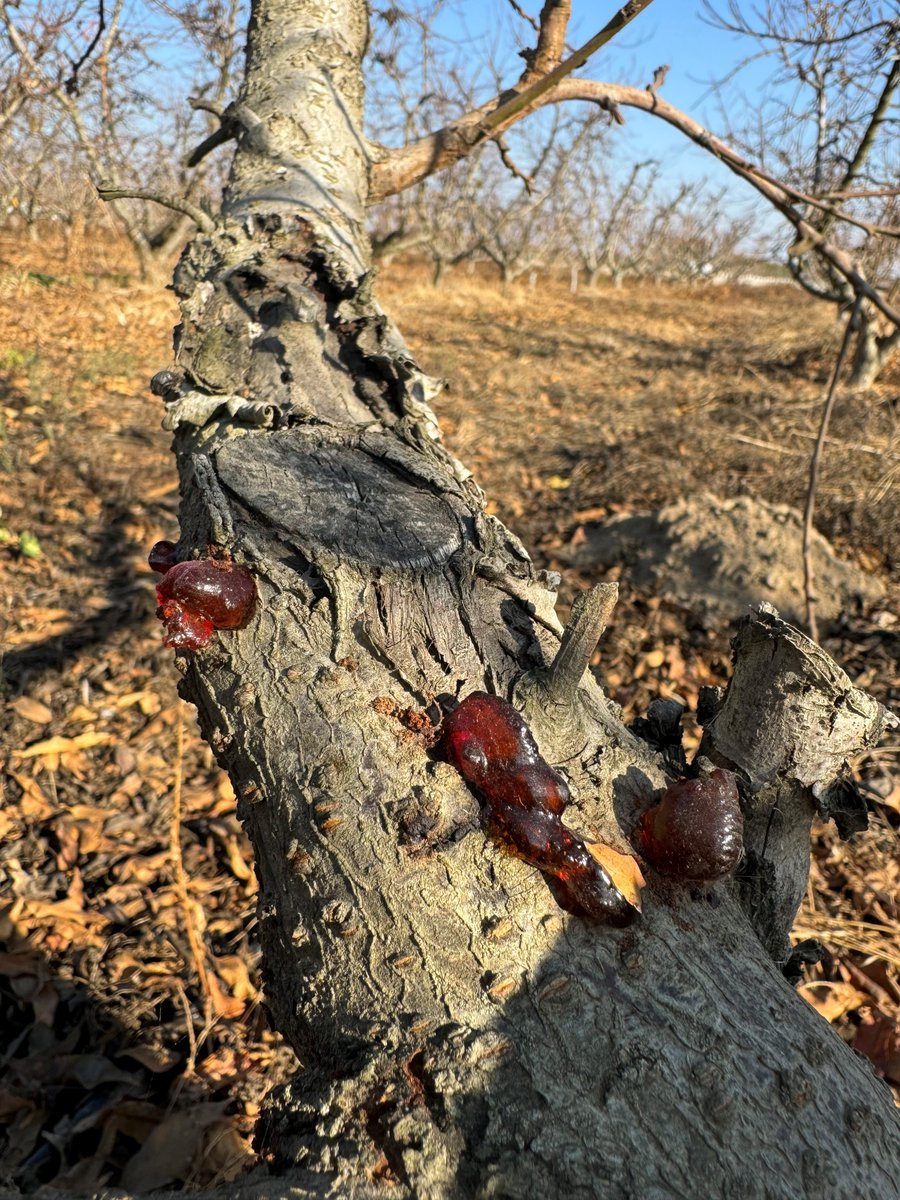
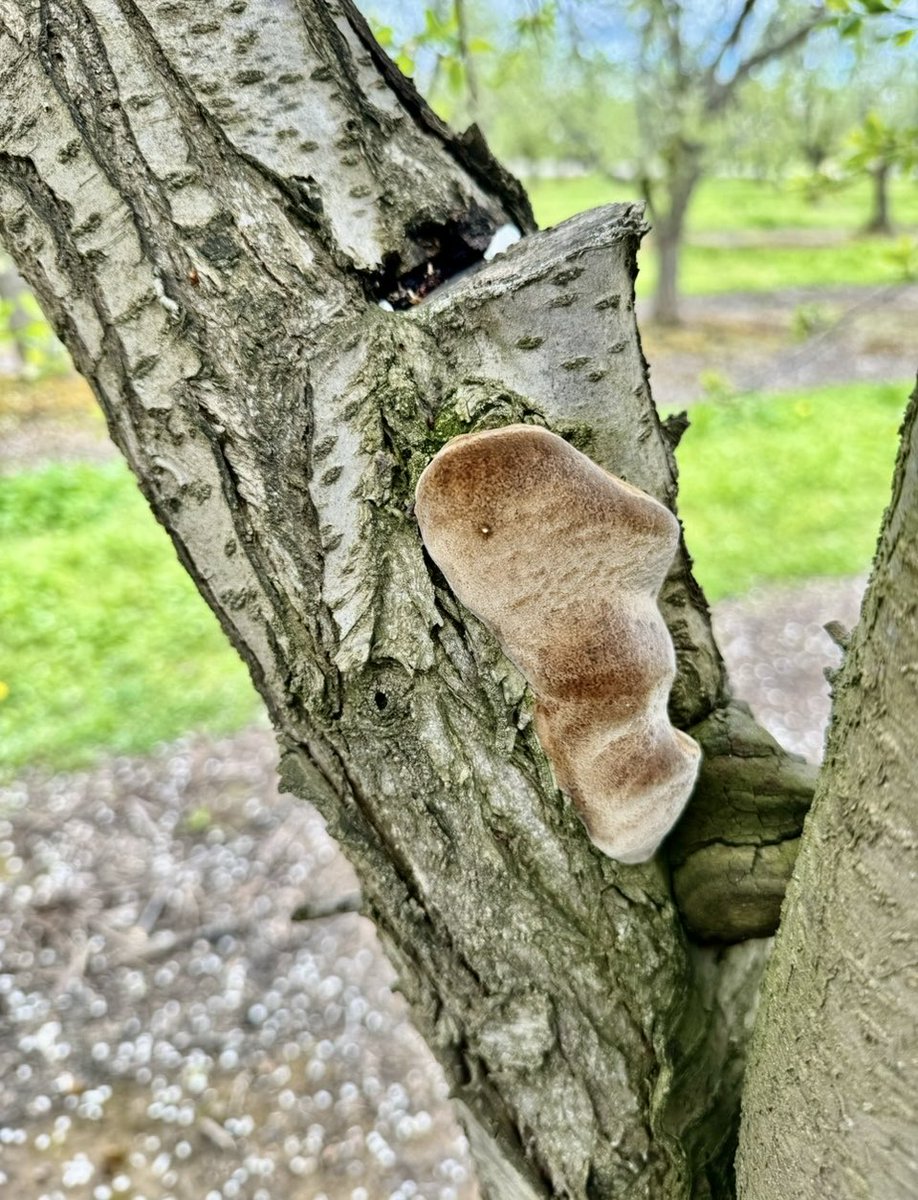
Examining #Cytospora dieback and #Phellinus wood decay both contributing to a severe decline of French prune in Northern California. With @L_A_Hoffman
Glad to share our latest research article reexamining #Pseudomonas syringae from #almond in California
#PLOSONE: Phylogenomic analyses and comparative genomics of Pseudomonas syringae associated with almond (Prun ... https://t.co/eIMwEpqjPV
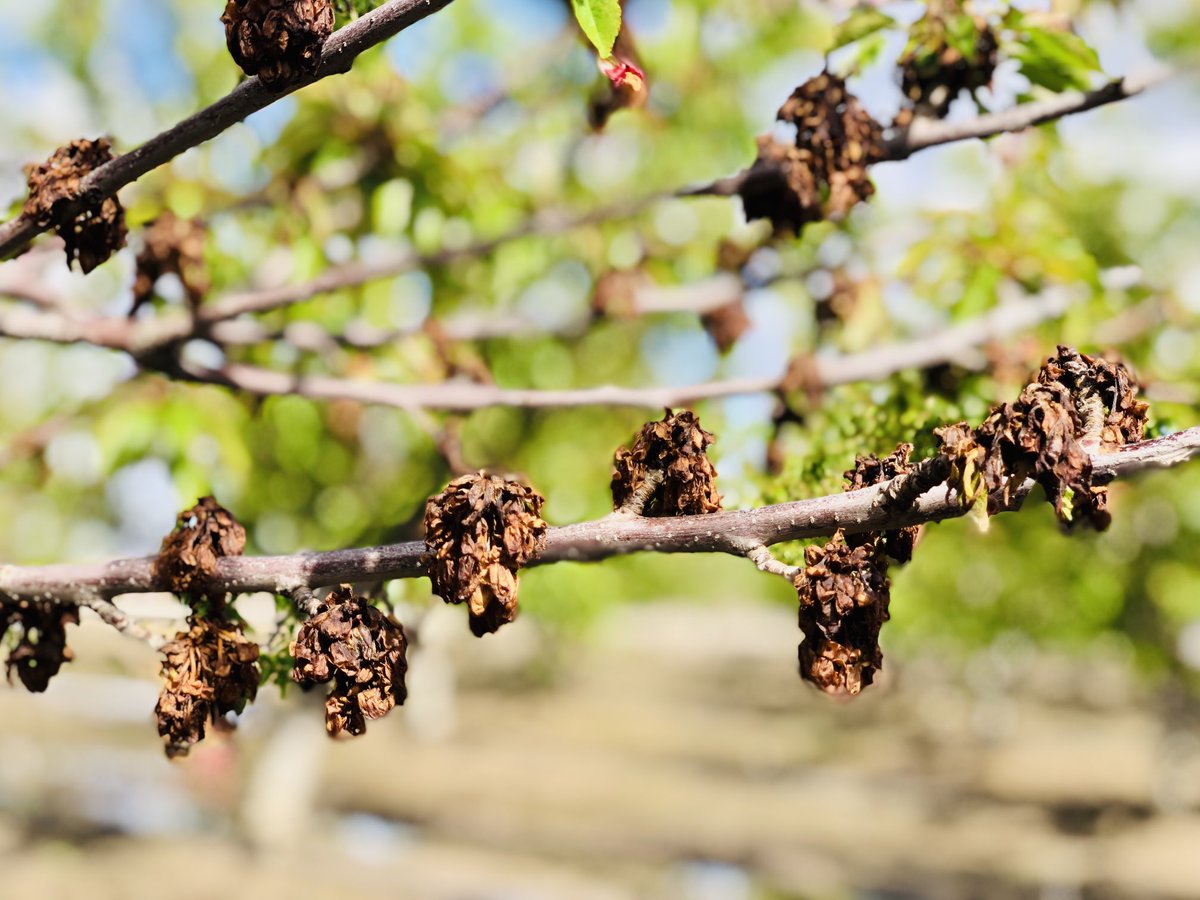
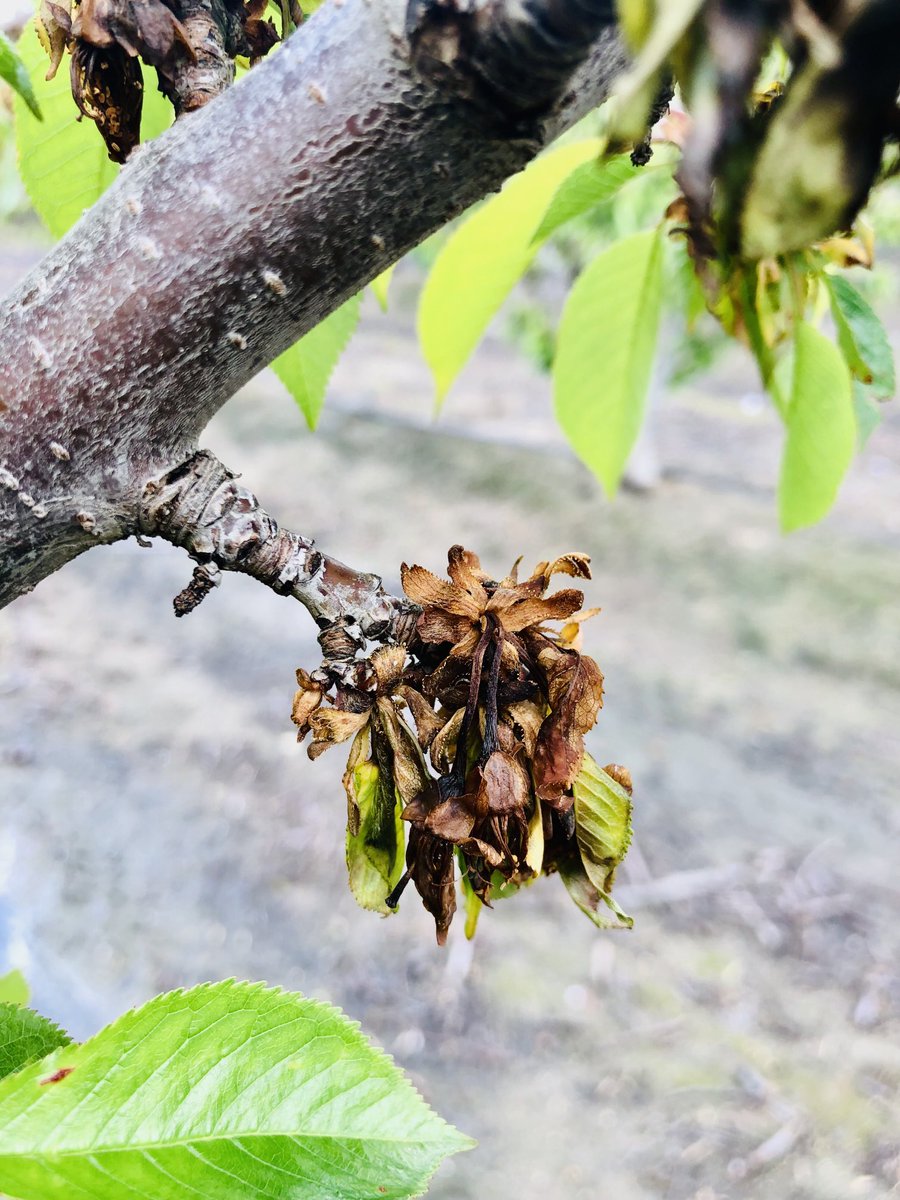
With the almond bloom being right around the corner, we summarize here current knowledge about disease risk and management of Bacterial blast of almond caused by Pseudomonas syringae.
https://t.co/ZOdaTsorN8
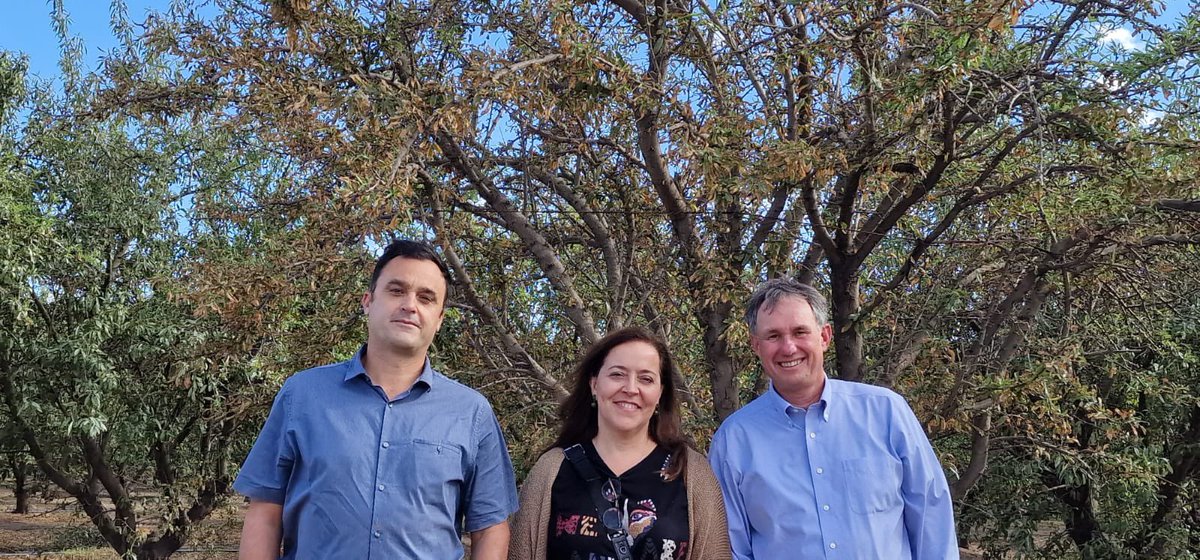
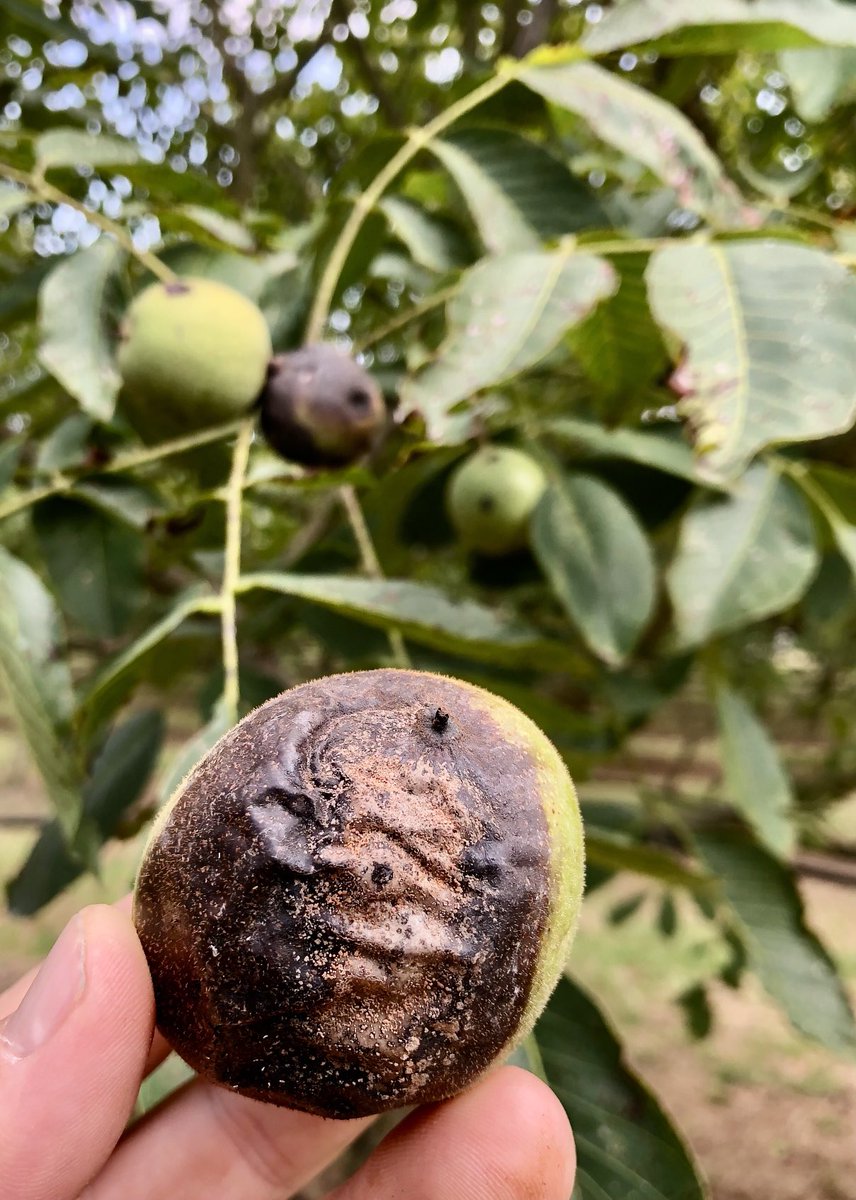
Recent rain & #ElNino conditions create favorable conditions for aerial Phytophthora pathogen. Although it doesn't kill the #almond tree, the disease causes branch dieback that requires significant additional work & expense for growers. #CAwx@FloTrouillas
https://t.co/urP6C43XEJ
Check out our latest article discussing aerial Phytophthora diseases of almond. With strengthening El Niño conditions and the possibility of a recurring outbreak, we provide novel insights into disease biology and management strategies.
https://t.co/USd6PVrYdf
Cytospora canker is a severe disease of stone fruit worldwide. Infection commonly develop at pruning wounds or sunburn lesions. More info about the current taxonomy of Cytospora species associated with fruit and nut crops can be found here: https://t.co/yqaCXvMUIC
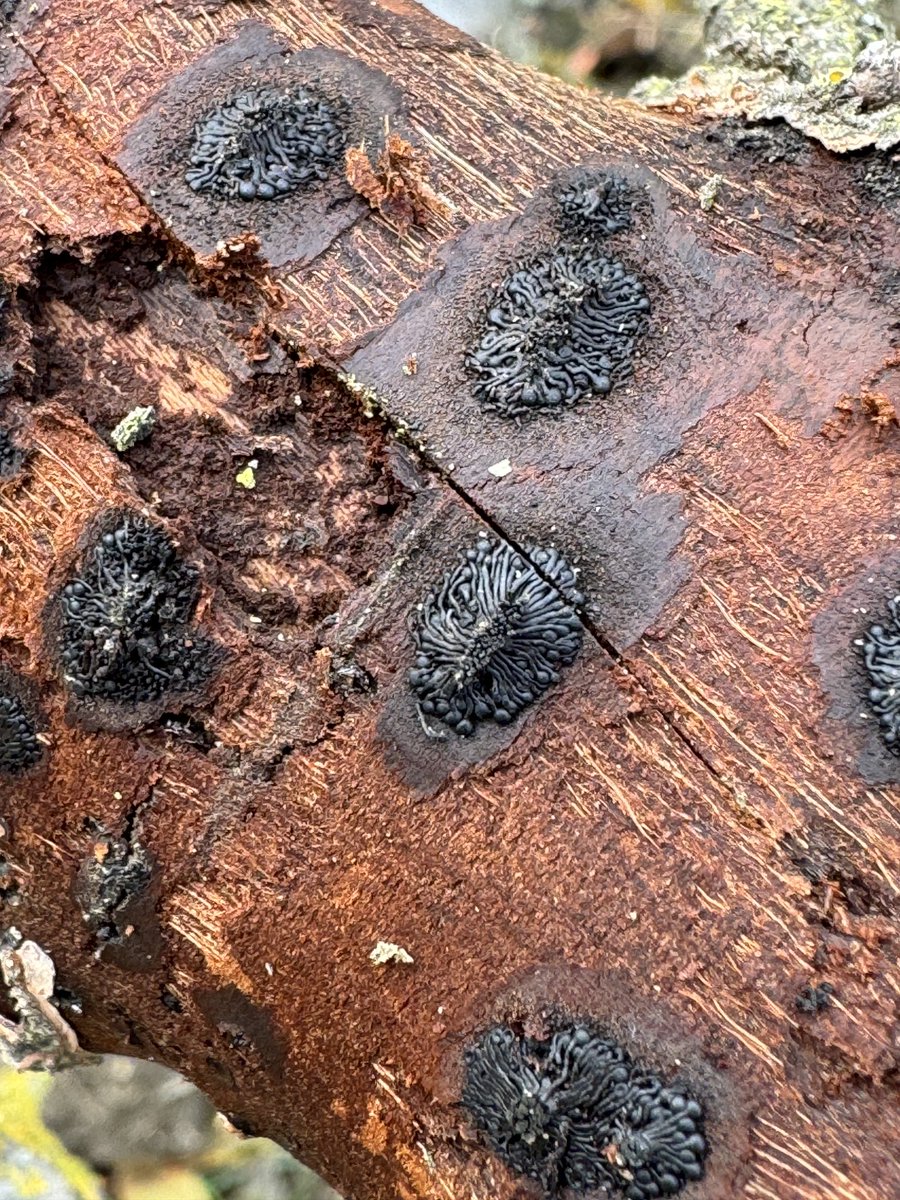
Calosphaeria canker of sweet cherry occurs worldwide and can be easily diagnosed in the field by removing the bark periderm and looking for the typical perithecia of Calosphaeria pulchella occurring in circinate groups. @ucanr @UCIPM
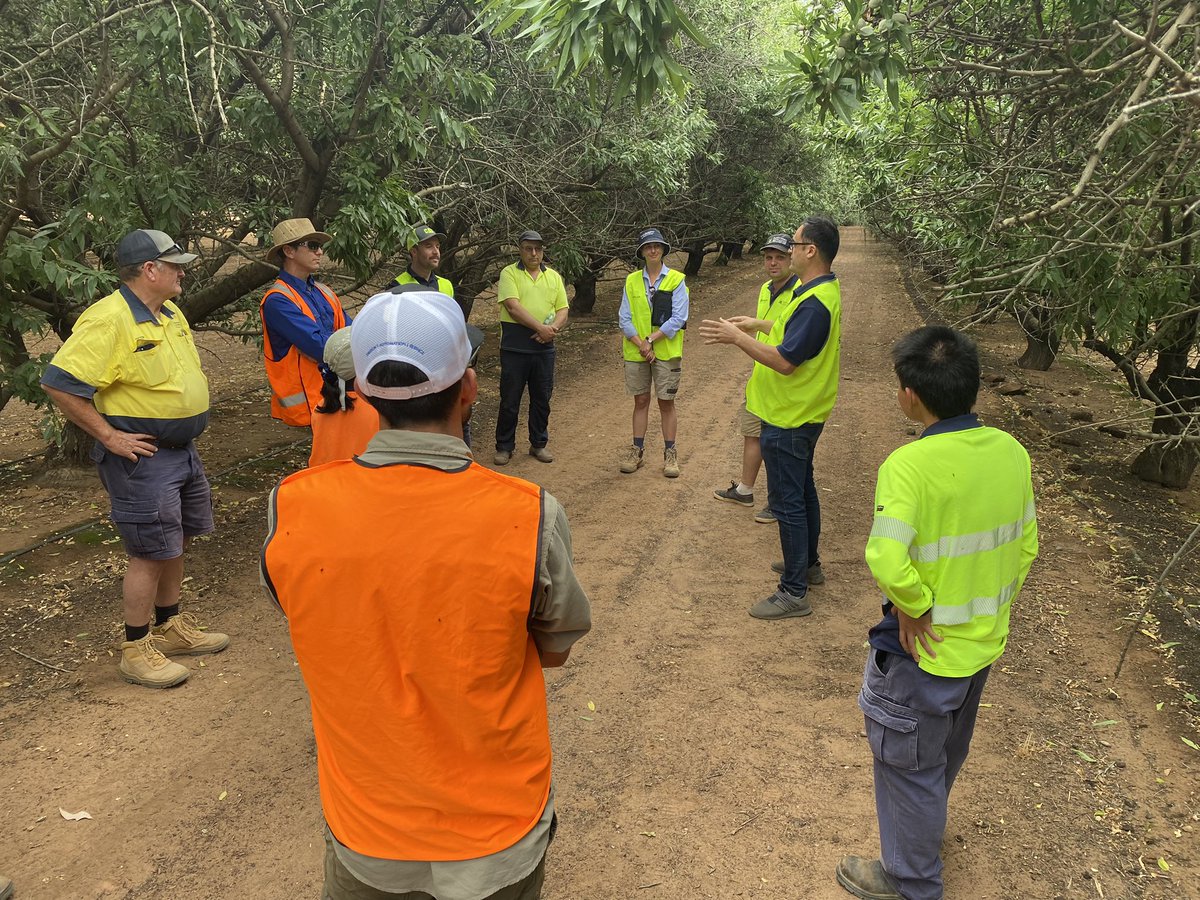
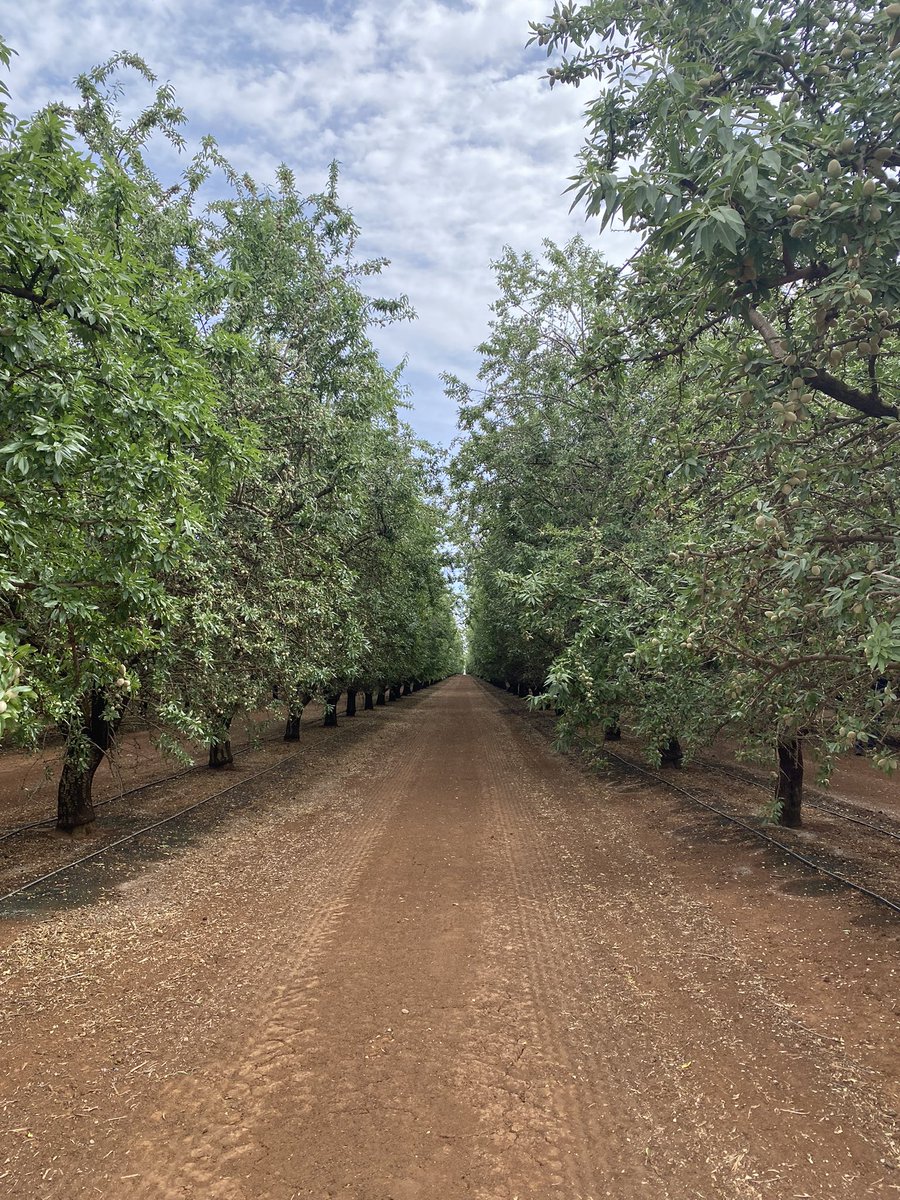
Last week we discussed all things fungal trunk disease, Phytophthora and Monterey decline during field walks in South Australia, Sunraysia and Riverina 🌳 We compared the Californian and Australian experience with @FloTrouillas and Dr Len Tesoriero
#IDM#phytophthora@AusAlmonds
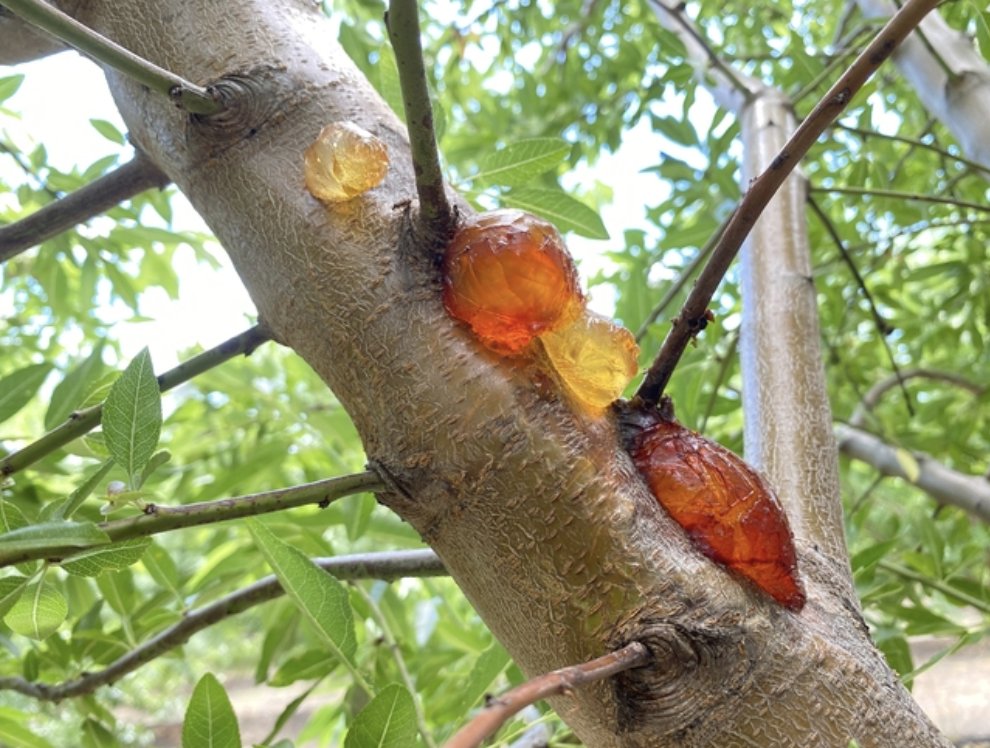
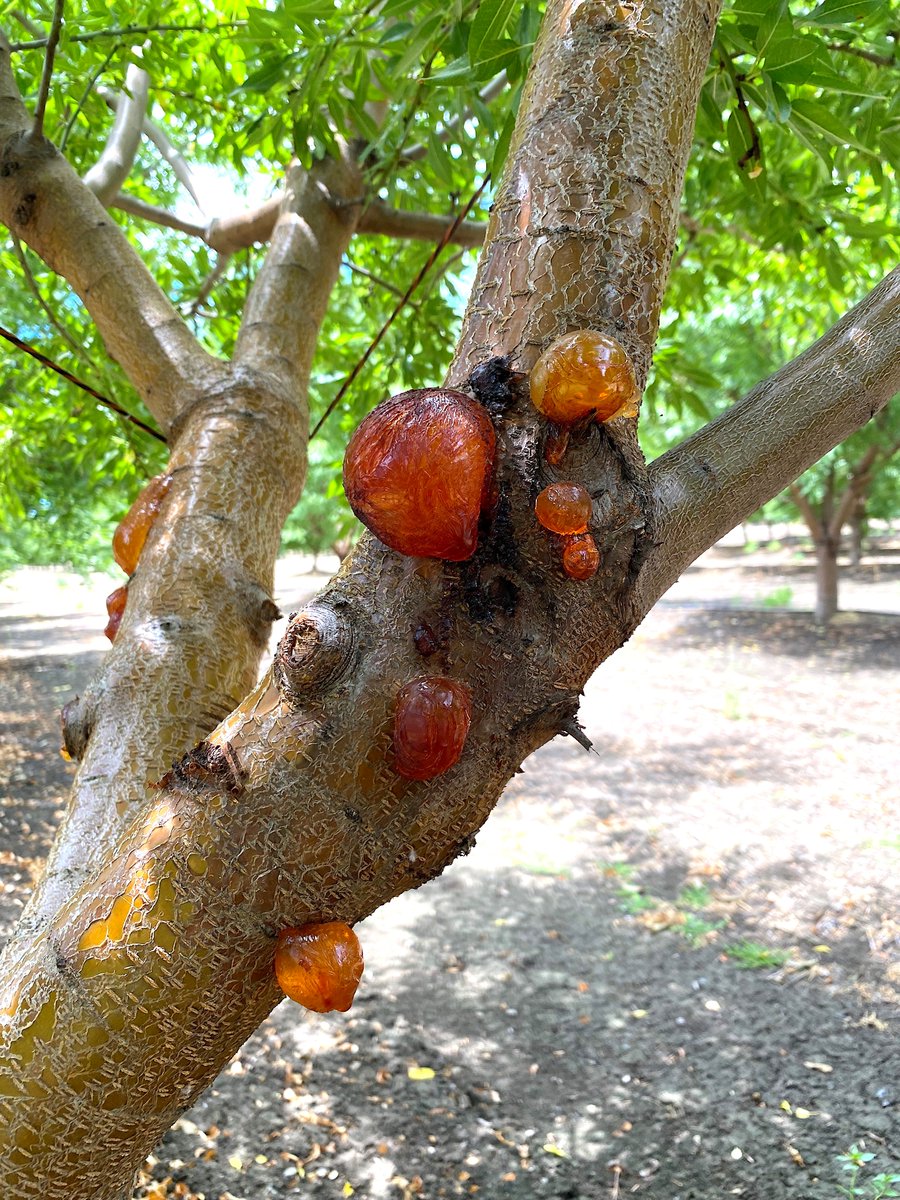
@AqleemAbbas It looks like you are dealing with bacterial canker (Pseudomonas) on some of these images (gumming in the upper trunk). Gumming at the tree base could also be bacterial canker, or possibly Phytophthora. It also look like trees suffered rodent or mechanical injuries at the base...