Breaking: @HumResPro Acquires @FloopEdu!
HRP is excited to move Floop forward into its next chapter, and are committed to expanding its impact and making it even more accessible to educators around the world. 🚀
Read the full announcement here: https://t.co/x8MbVDplfh
As an educator, you can build students’ SEL and feedback literacy skills through incorporating intentional opportunities for students to give, receive, and engage with feedback.
Check out these 12 strategies to get you started! https://t.co/Bm7QJj2AXQ
"Learning how to give and receive feedback is fundamental to the development of every student and professional." We couldn't agree more! https://t.co/dKBkVtKXYX
Using a feedback literacy scale "will help teachers reflect on their current feedback practices to see whether they create conditions conducive to the development of targeted aspects of student feedback literacy." https://t.co/P55A9UcDGK
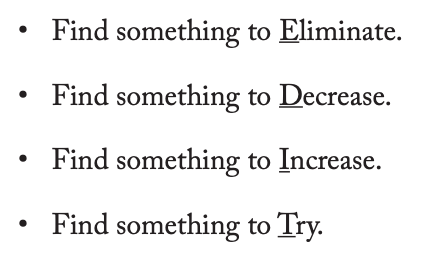
Try this easy-to-remember feedback framework with your students: E-D-I-T!
From Patrick Barry's book "Feedback Loops," available for free download: https://t.co/dKBkVtKq9p
How do you support student feedback literacy? Consider the 6 dimensions of Dr. Ying Zhan's feedback literacy scale: eliciting, processing, enacting, appreciation, readiness and commitment https://t.co/tgPpsIiawb
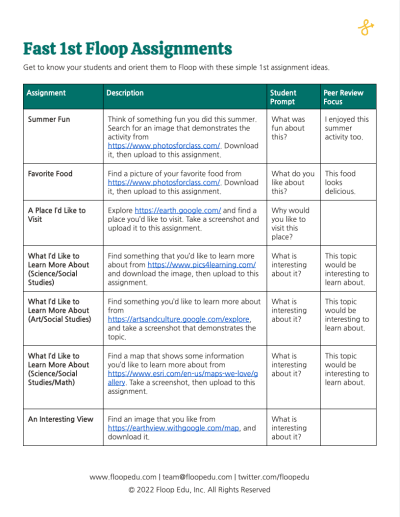
There’s so much to cram into the first couple weeks of school: Icebreakers! Norms and expectations! Class procedures! Syllabus! Tech tools! Building relationships is always the most important thing, so we love activities that can do that and more: https://t.co/iF9fdIukFD
Curious feedback is a key part of building strong relationships with your students. By showing a genuine interest in their learning and progress, you can create a classroom culture that is focused on growth, improvement, and success.
https://t.co/Nt9nrY1202
Time is a precious commodity in the classroom. These 5 feedback strategies can help you make the most of it while still supporting student learning.
https://t.co/TZN3Djia4m
Help your students develop feedback literacy skills by asking for feedback using open-ended, specific questions. Watch this video with your students for more tips: https://t.co/1z1cjRyPrz
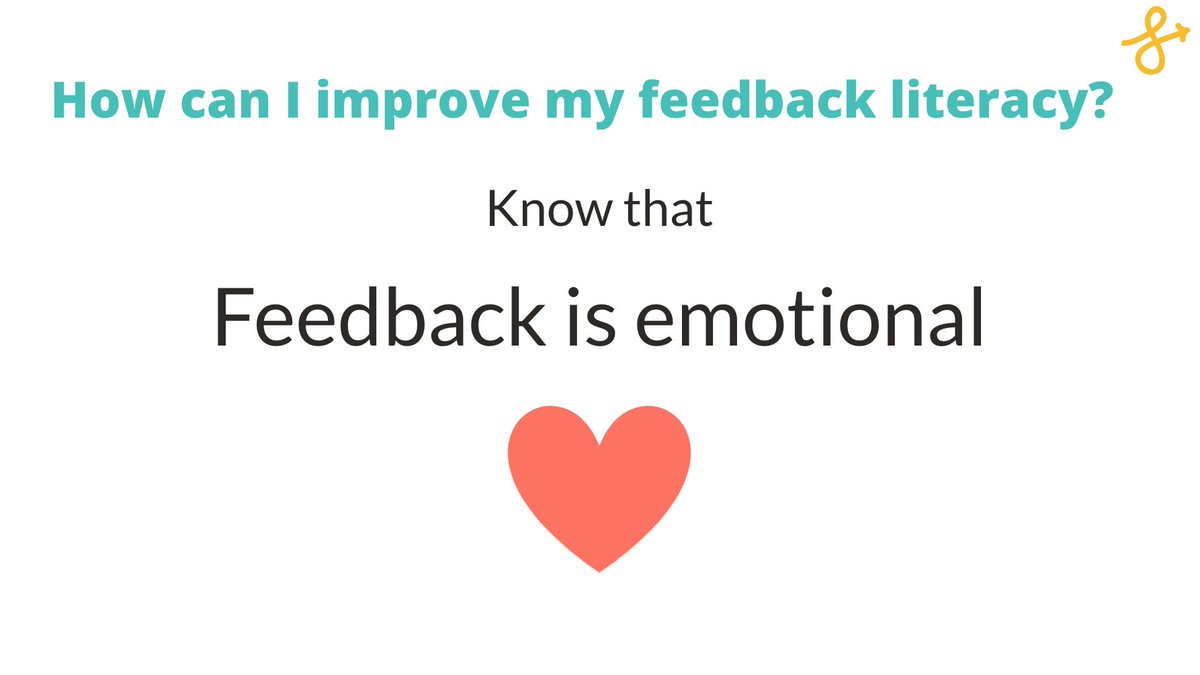
A good conversation to have early with students: Feedback is emotional. Receiving feedback on work that we put a lot of effort into can be really hard. We can prepare ourselves to receive this feedback by remembering that feedback is intended to help us grow and improve.
Teaching your students the importance of Feedback Literacy will set your students up for success for the whole year. Add this 4-min video to your back-to-school playlists! https://t.co/1z1cjRyPrz
When planning out your lesson plans this year, try adding some "formative feedback" days! Use this time to encourage self-reflection and revision. https://t.co/MMWW4Zzhjv
In order for students to develop a capacity for learning from feedback, they must first be open to confronting their mistakes. Read about the Four Stages of Loving Mistakes to share with your students: https://t.co/UtkO8nehiV
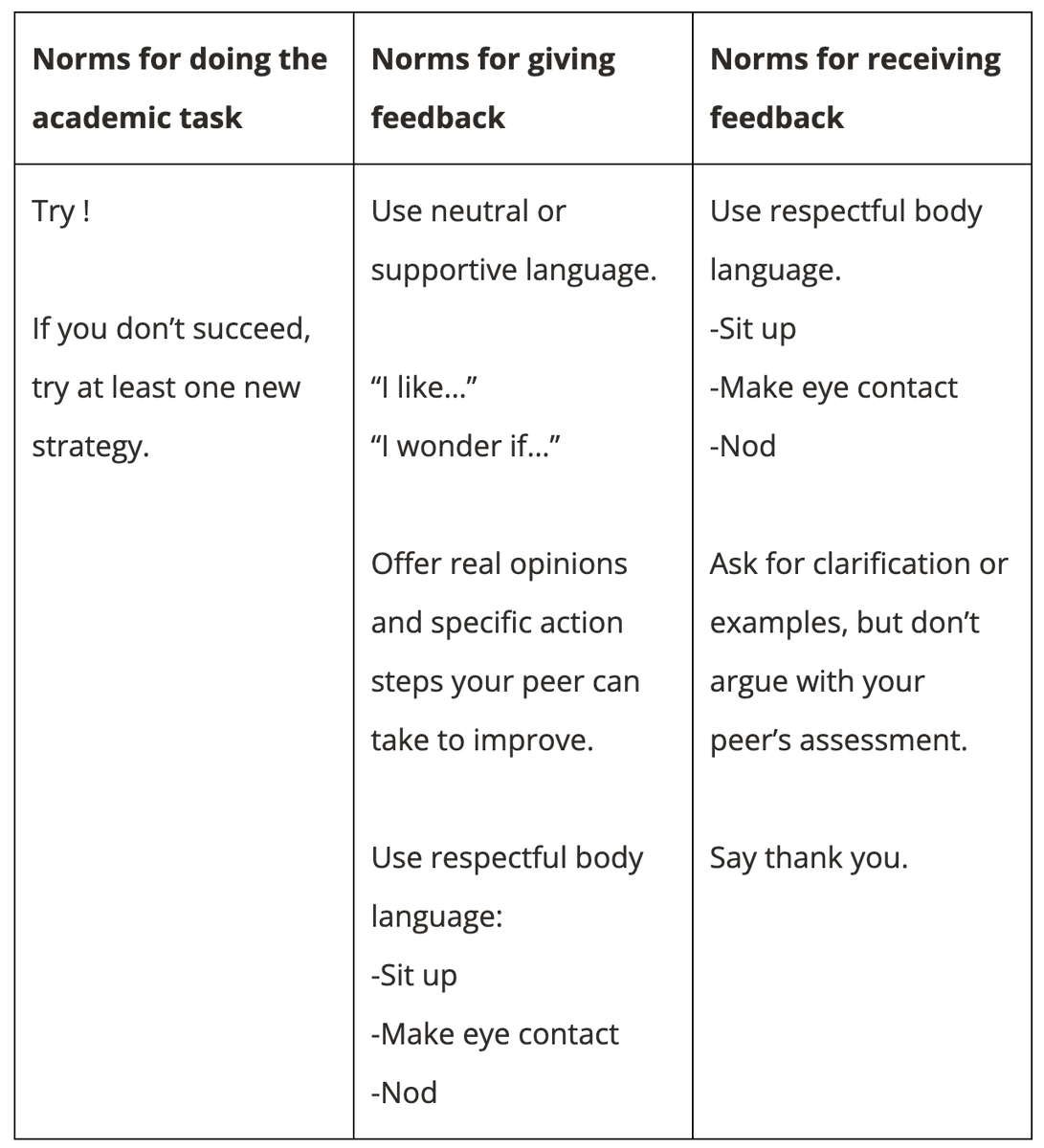
The start of the school year is a great opportunity to set norms! Here's an activity for setting norms around giving and receiving feedback: https://t.co/sna5bbrF6L
Thinking about mixing up your grading system this year? For some inspiration, here's what happened when a teacher gave every student an A: https://t.co/5gryXfic94