“The English shared by John Florio and Shakespeare is hybrid and multilingual, produced by metaphors, wordplay and overabundance of neologisms” Philosopher Marc Goldschmit on John Florio, Shakespeare, and the authorship question 👇🏻
https://t.co/MwHwVvZQjk
📕 Why is #Shakespeare still relevant today? According to @English_Harvard Prof. Stephen Greenblatt, his texts still stand as a window on human behaviour, and as a foil to political oppression. Read more of his @bgowritersfest interview with @StuartKells. https://t.co/BGBipwbO7w
Happy #FlorioFriday with the word “Dishorn” 🪶
#OED's earliest evidence for “Dishorn” is from John Florio's English translation of Montaigne’s Essays (1603).
In Florio’s dictionary (1611): “Scornare, to unhorne, to dishorne. Also to scorn, to abhorre, to mocke, to vilifie, to shame.”
In Merry Wives of Windsor, First Folio (1623):
“Dishorn the spirit and mock him home to Windsor.”
"Fayre mayde, wyll you that I love you?
I cannot hold you that you love not, if you wyl love
I have loved you, I love you, and I will love you
I have hated you, I hate you, and I will hate you
What occasion have I given you?
I know not but I cannot love
I cannot understand you
How can you not understand me?
You speak so learnedly. [...] Let's go to the Theatre to see a Comedie, and if it please you to go with me, I will be glad of your company.
I will goe with you willingly"
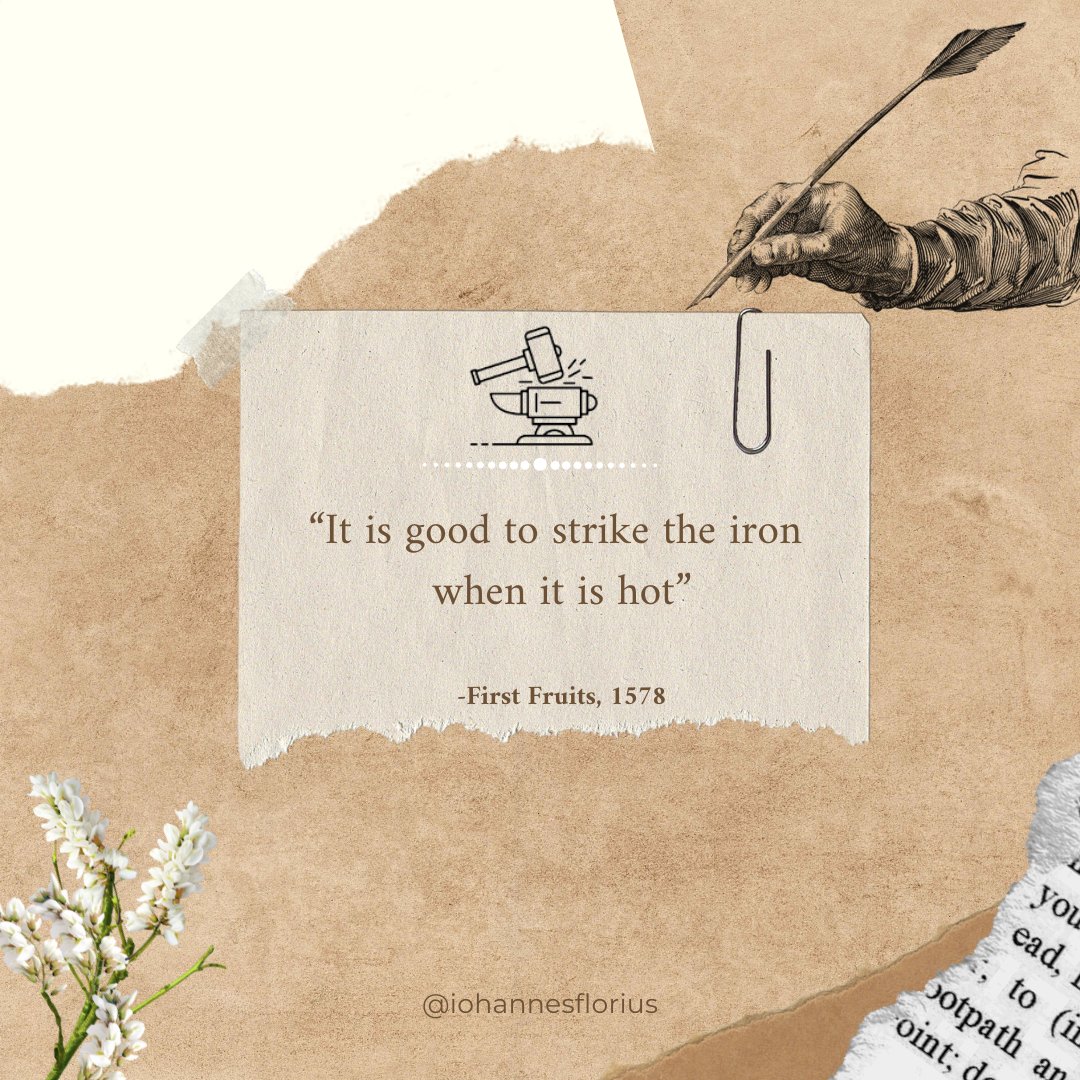
- John Florio, First Fruits, 1578 💘
Happy #FlorioFriday with another passage from Florio's translation of Montaigne's Essays (1603), a piece of pure Midsummer Night’s Dream✨.
A phrase which Montaigne renders calmly as “werewolves, goblins, and chimeras” is given in Florio as...
Happy #FlorioFriday with the beautiful dedication John Florio wrote in 1598 to his patron Henry Wriothesley, Third Earl of Southampton "in whose paie and patronage I have lived some yeeres; to whom I owe and vowe the yeeres I have to live."
"Know ye not, that tyme the deuourer of al things, with tyme & a drop of water doth peirce the flint stone: so perhaps also your continual louyng of her, wil make her heart of Tiger, to become mercyful."
John Florio, First Fruits, 1578.
Happy #FlorioFriday with “marble-hearted”.
John Florio took the freedom of adding many compounds in his Montaigne’s Essays (1603).
An example comes from Book 2 chapter 11, in which Montaigne’s “Souls so cruel” becomes Florio’s “So marble-hearted and savage-minded men.”
Happy #FlorioFriday with a passage from the ingenious letter to reader Florio wrote in the Essays of Montaigne in 1603.
The bad artists imitate, the great artists steal!
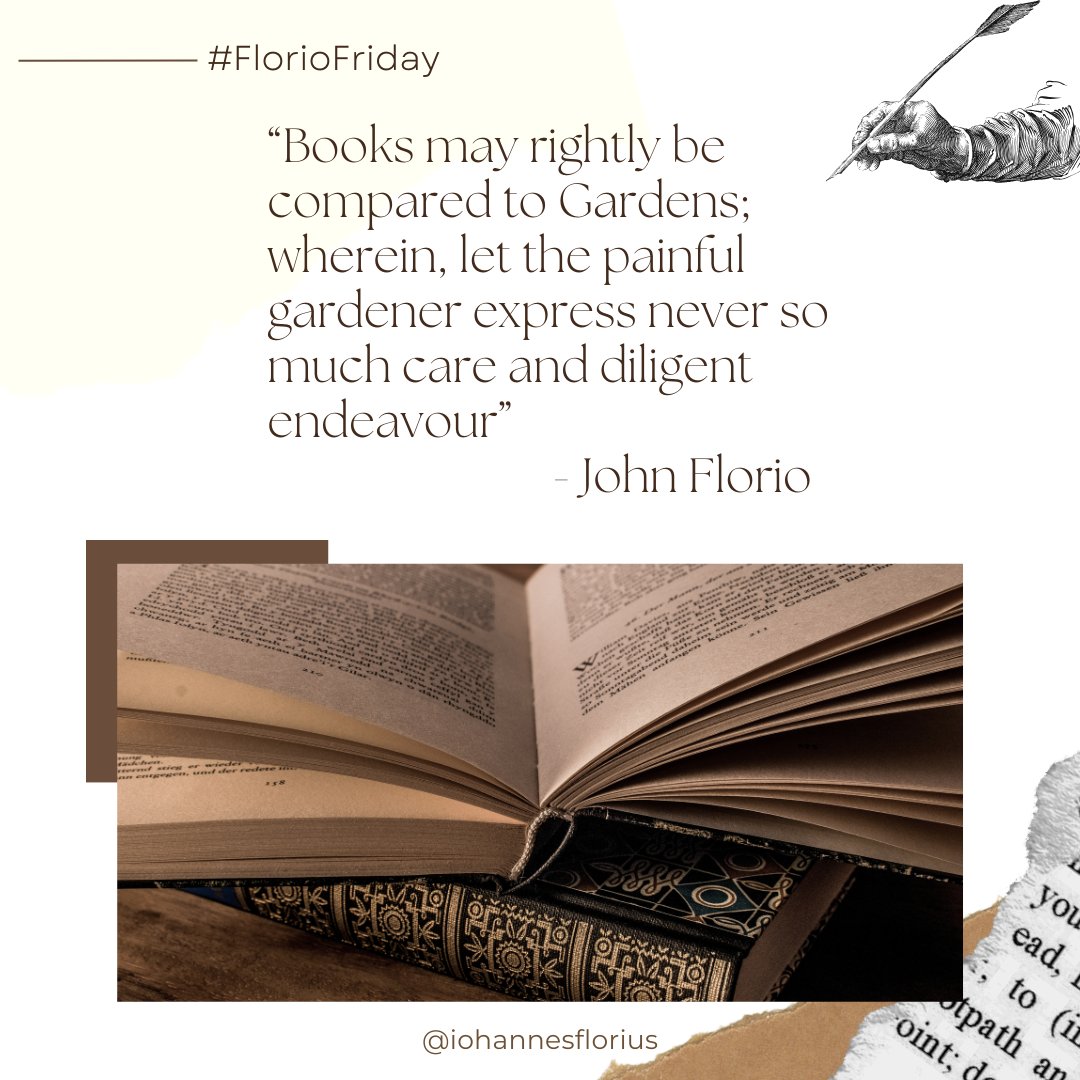
🪶Happy #FlorioFriday with a quote about books!
Florio owned a library of 400 books, mostly Italian comedies and tragedies.
"Books may rightly be compared to Gardens; wherein, let the painful gardener express never so much care and diligent endeavour” - John Florio
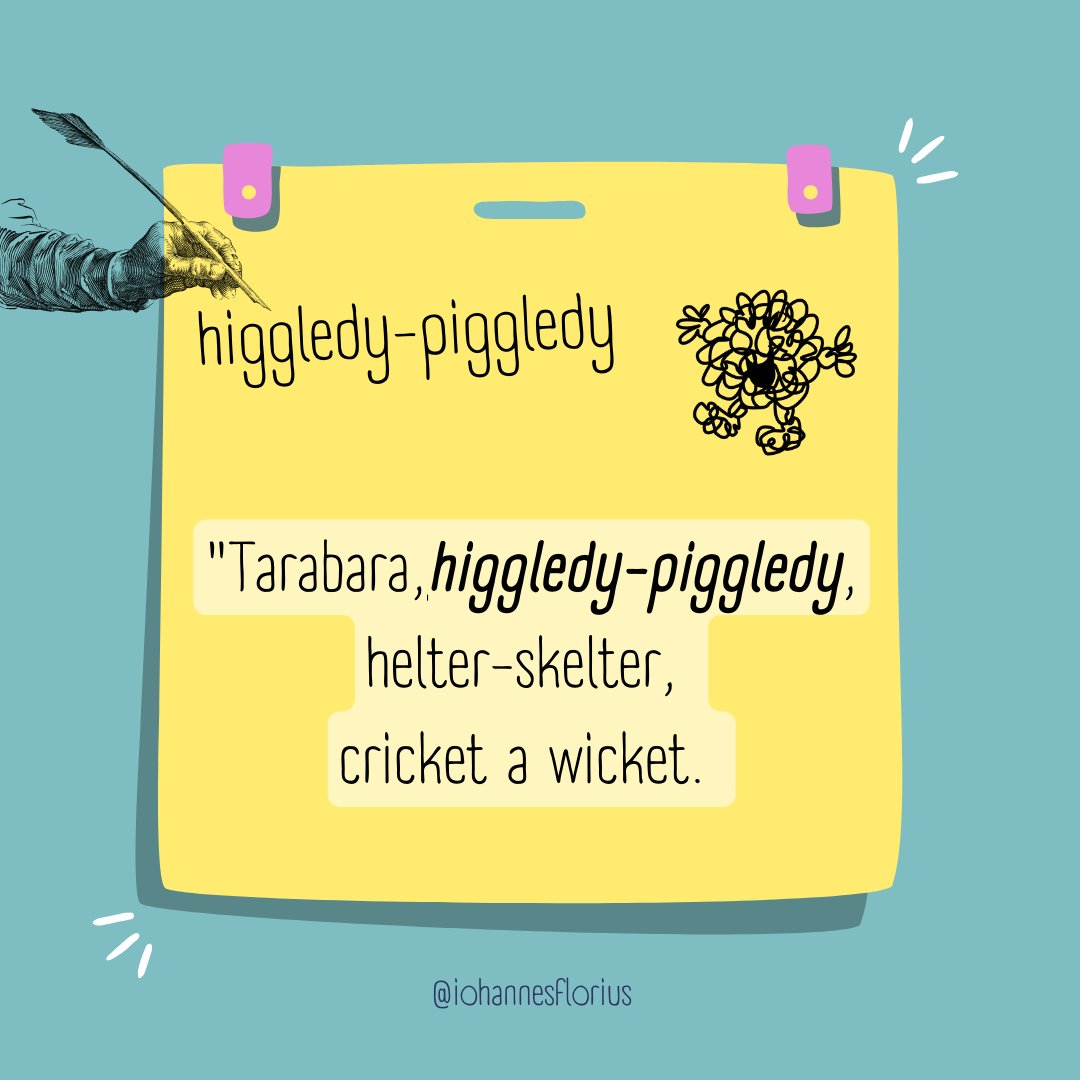
Happy #FlorioFriday with "Higgledy-Piggledy" 🪶
#OED's earliest evidence for higgledy-piggledy is from John Florio's "A World of Words" (1598):
"Tarabara, higgledy-piggledy, helter-skelter, cricket a wicket."
Huge thanks to everyone who joined the event on John Florio and the First Folio last Saturday! ♥️The enthusiasm, questions, and comments made it truly special. In case you missed it, feel free to catch the full presentation on my YouTube channel.
https://t.co/5eFuial52W
Let's start #FlorioFriday with a word that perfectly embodies Florio's personality: "Sophisticated".
#OED's earliest evidence for "Sophisticated" is from 1603, in Florio's translation of Montaigne's Essays.
"And truely, Philosophie is nothing else but a sophisticated poesie".