These decisions might not be common, but they say a lot about how systems prioritise, allocate, and adapt.
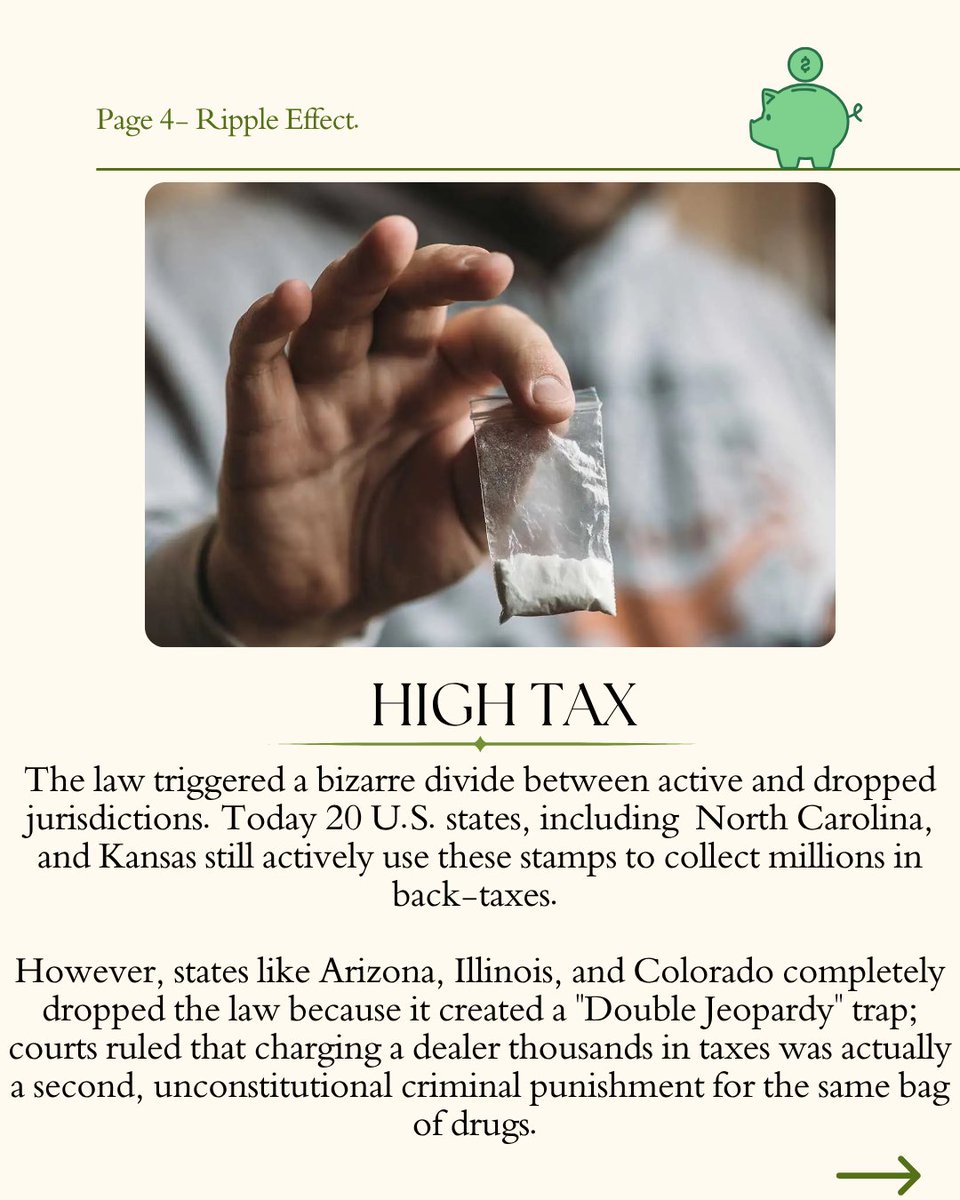
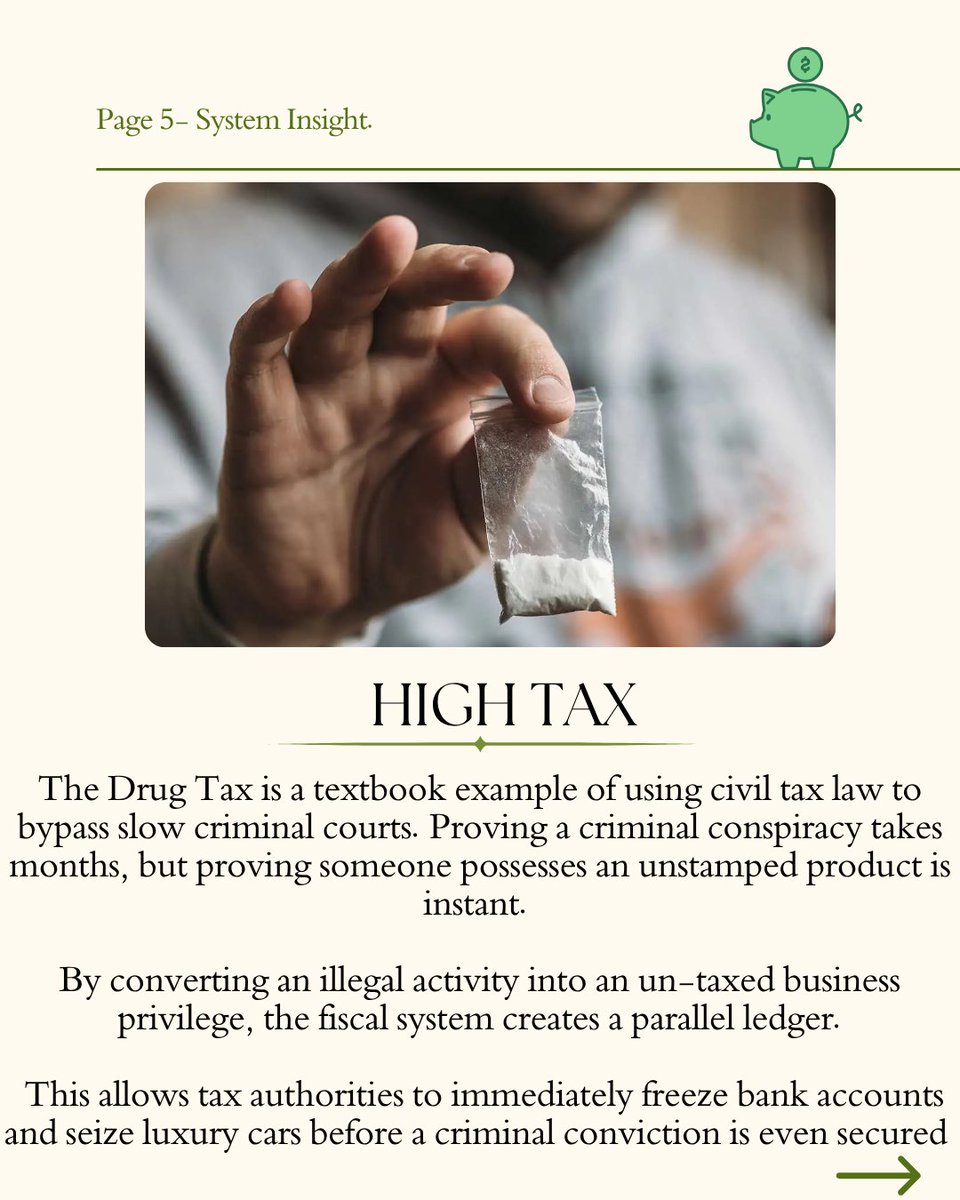
The drugs remained illegal. The taxes were still due.
What's stranger ? taxing illegal activity, or leaving it completely outside the tax system?
Imagine paying taxes… on drugs.
Welcome to Uncommon Cents, a Flywheel Economics series unpacking unconventional policy tools and what they reveal about public systems, institutional choices, and societal priorities.
The last World Economic Outlook felt like:
"Get your act together, world."
This one feels more like:
"Sigh... maybe AI can save us."
The Flywheel team breaks down the latest WEO, are there still reasons for optimism?
🎧 Listen now: https://t.co/uIzpe1YGaH
The global defence boom raises a difficult economic question: What gets deprioritised when military spending rises?
It often means less fiscal space for healthcare, education, or science.
That’s the economics of opportunity cost.
Listen now: https://t.co/uIzpe1YGaH
“Why does conflict in Iran affect fuel prices globally, especially in Nigeria if we produce our own oil?”
The answer: Opportunity cost.
The Flywheel team breaks this down in our April 2026 World Economic Outlook episode.
🎧 Listen now: https://t.co/uIzpe1YGaH
Are we too optimistic about what technology can achieve?
Innovation promises higher productivity and new opportunities, but can it overcome the deeper challenges facing economies today?
Full episode available here: https://t.co/uIzpe1YGaH
#Innovation#AI#FlywheelEconomics
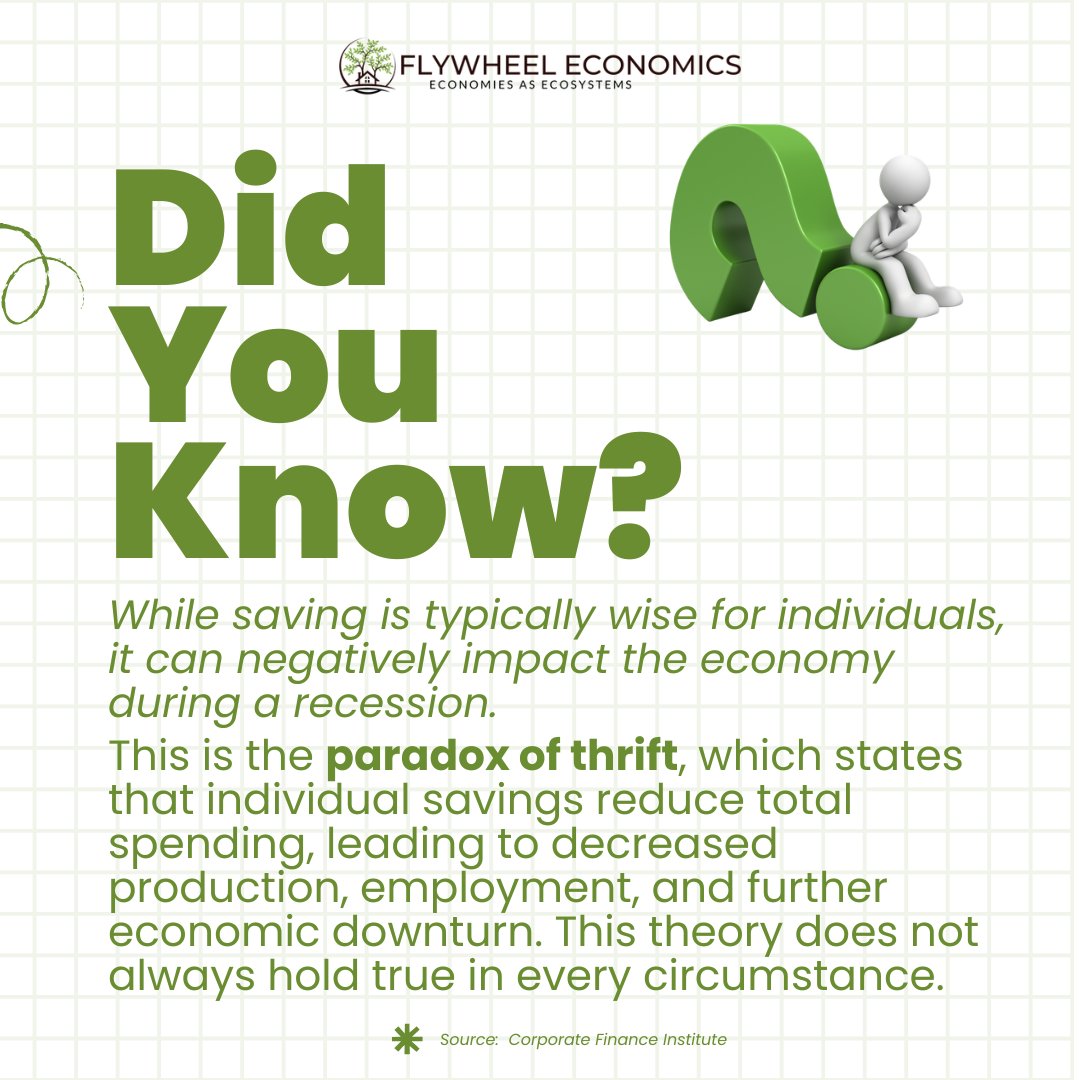
Did you know?
Saving money is wise for individuals, but if everyone cuts spending during a recession, economic activity can decline.
Economists call this the Paradox of Thrift where increased saving can lead to lower demand, reduced production, and weaker growth.
#Economics
What happens when uncertainty becomes one of the defining forces shaping the global economy?
In this episode we explore the challenges faced by economies today and if there are still reasons to be optimistic about tomorrow.
🎙️ Listen now: https://t.co/uIzpe1YGaH
A lot of Nigeria’s industries are already growing.
The question is: What’s stopping it from scaling faster?
The Flywheel Toolkit focuses on identifying the barriers that are slowing momentum and turning them into growth opportunities.
🎧 Listen now: https://t.co/uIzpe1YGaH
Did you know?
Greater efficiency does not always lead to lower consumption. Sometimes it does the opposite.
As technology becomes easier and cheaper to use, demand can grow faster than expected.
What's one modern example you have noticed?
#Innovation#AI#FlywheelEconomics
What if economies are ecosystems, not engines?
The Flywheel Toolkit challenges the idea that policymakers can simply “build” economies through control and design.
Maybe policymakers are stewards, not engineers.
🎧 Listen now: https://t.co/uIzpe1YGaH
“Capital is a coward.”
Why do countries attract short-term portfolio flows but struggle to secure long-term investment?
The Flywheel Toolkit focuses on creating systems investors trust, not just deals investors try.
🎧 Listen now: https://t.co/uIzpe1YGaH
Did you know?
A huge part of the global economy depends on the ocean, from the food we eat to the products shipped across continents.
Protecting marine ecosystems isn’t just environmental work anymore. It’s economic strategy.
What do you think? Share your thoughts!
Fixing one deal isn't reform. Fixing everything at once isn't either. So what actually moves the needle?
The Flywheel approach targets the barriers that hold back entire sectors not just individual transactions.
Listen now: https://t.co/uIzpe1YGaH
The “buy” in Results Mega Buys shouldn’t scare you.
Yes, it sounds transactional.
But programmes already spend scarce things every day:
time, political capital, credibility.
RMBs simply ask: what meaningful change are you actually buying ?
🎧 Listen now: https://t.co/uIzpe1YGaH
Did you know?
Sometimes when prices rise, people actually buy more of that same product not less.
This is one of economics fascinating surprises.
What so you think share your thoughts! #FlywheelEconomies#Economic.
How do programmes do what governments want, what funders want, and still create transformational change?
That’s one of the challenges Results Mega Buys solves.
🎧 Listen now: https://t.co/uIzpe1YGaH
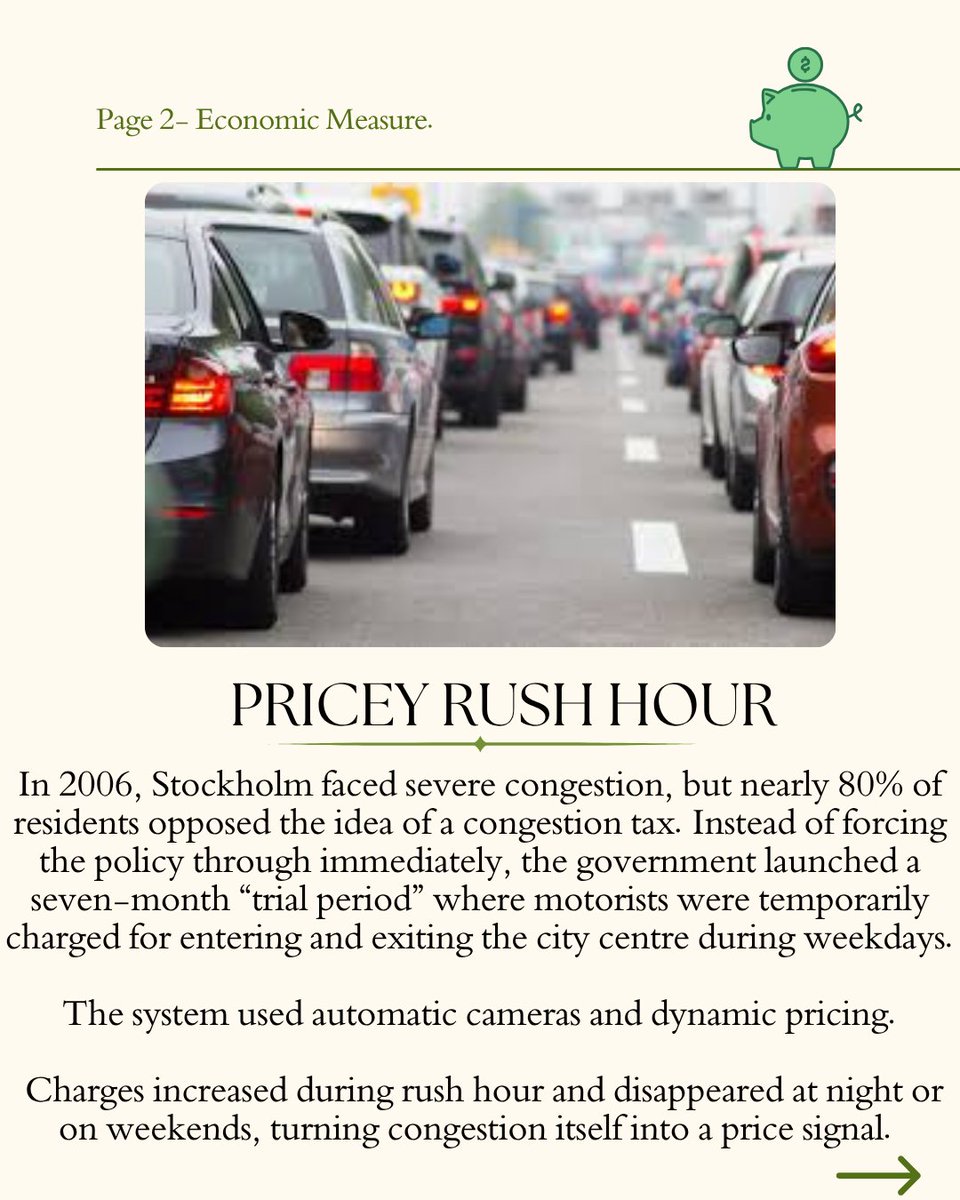
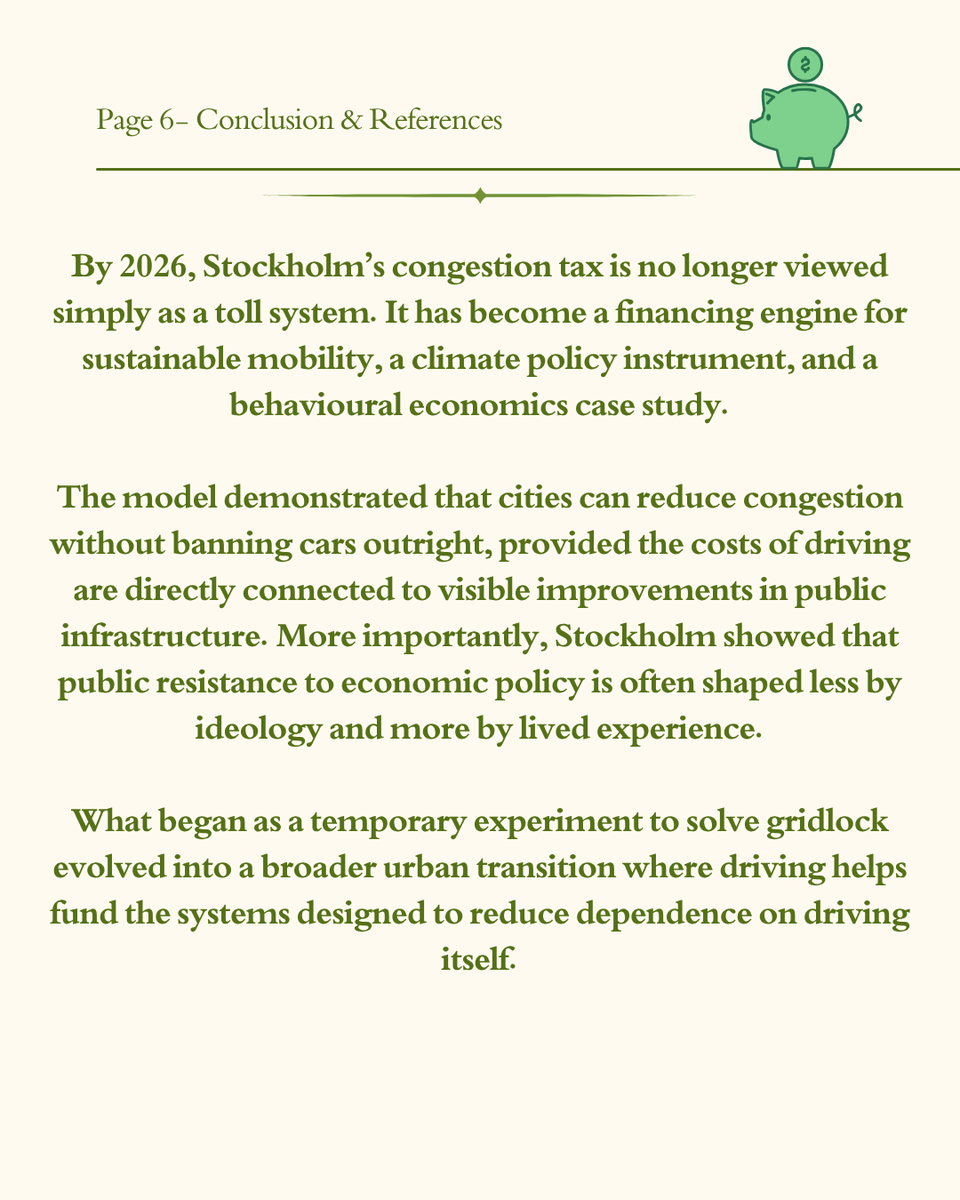
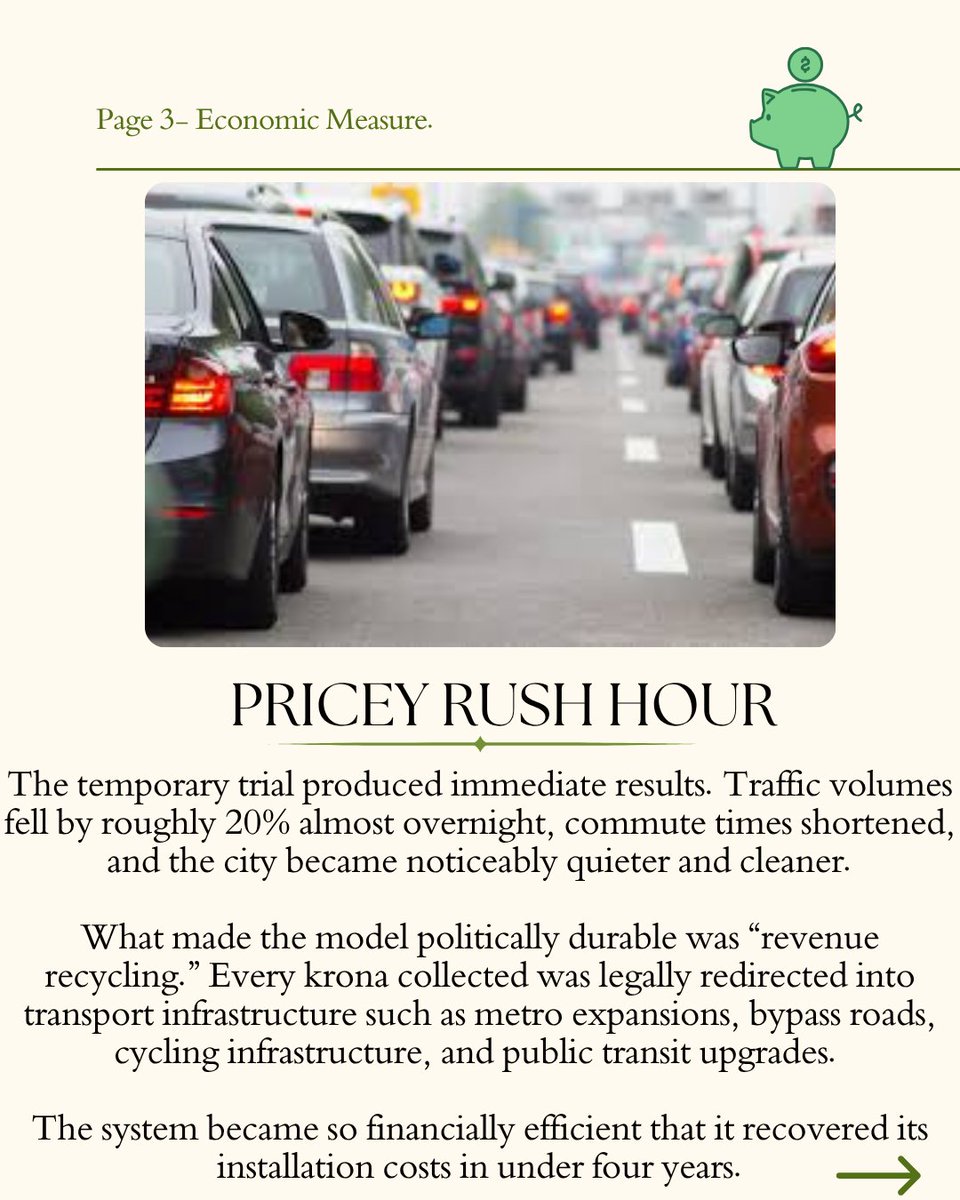
What if the solution to traffic… was charging people to sit in it?
Stockholm turned congestion pricing into more than a toll system it became a climate tool, a funding model, and a behavioural economics experiment.
Welcome to Uncommon Cents, a Flywheel Economics series unpacking unconventional policy tools&what they reveal about public systems, institutional choices, &societal priorities.These decisions might not be common, but they say a lot about how systems prioritise, allocate, &adapt.