Finally… my text: The Palace We Go to Die In: From Punitive Expeditions to Punitive Exhibitions, (for which I also did a voice over) has been published. You can read the text or listen to the audio here https://t.co/Vsg0bGQRLN
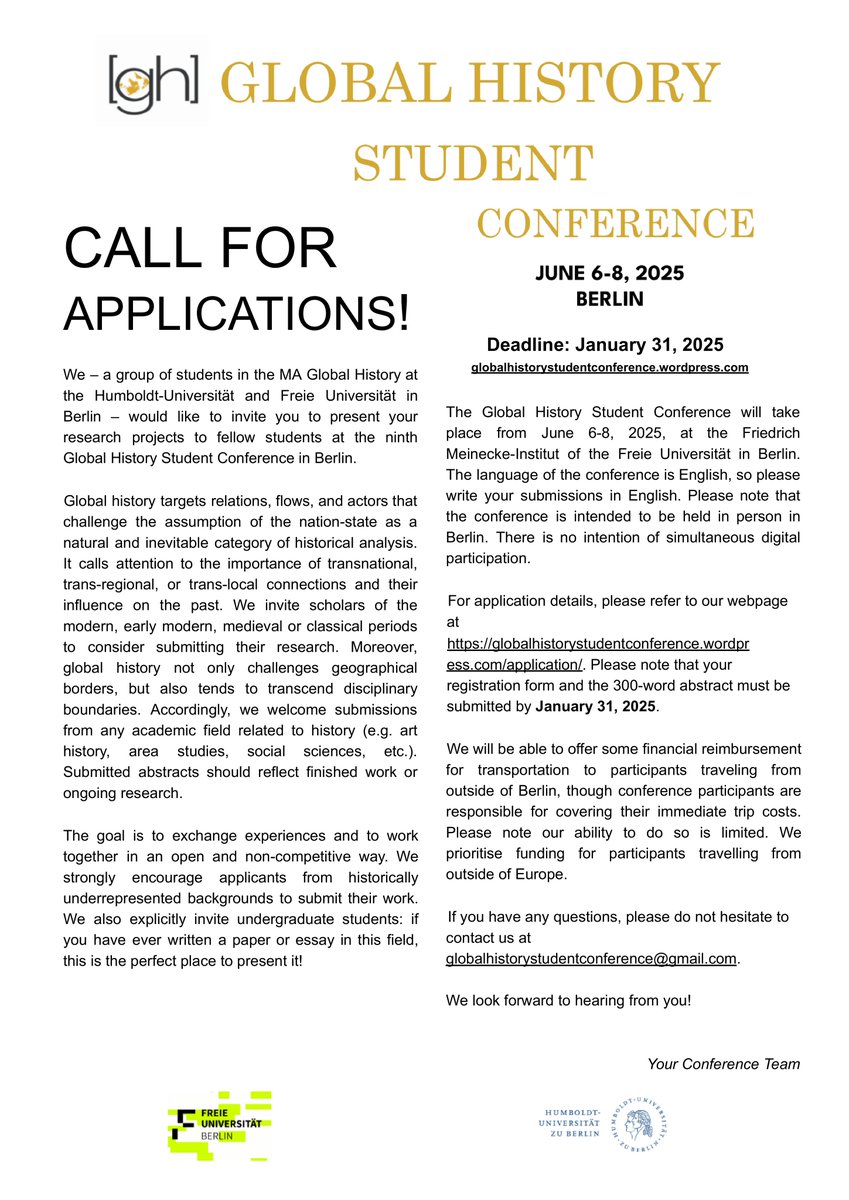
📢The #CfP for the 2025 Global History Student Conference is open📷 All #globalhistory students are welcome to present their work in Berlin📷📷 Applications due January 31, 2025. Travel funding available📷 APPLY NOW: https://t.co/CTN05b96SZ #twitterstorians#GHSC2025
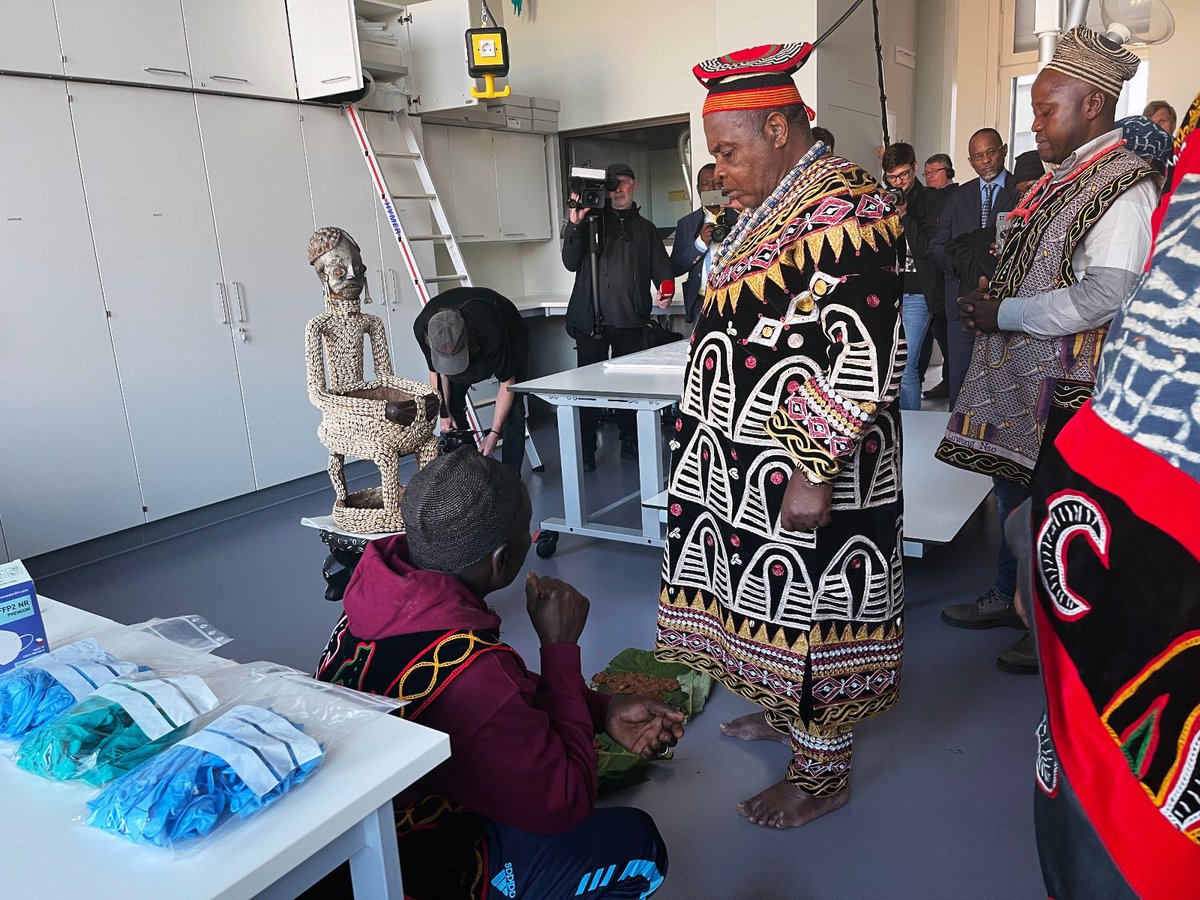
In November, we had the pleasure of hosting @FoghaMc in our colloquium, where he shared a chapter from his dissertation-in-progress titled "The Cameroons and the Political Economy of Restitution" focusing on the restitution of the Ngonnso.
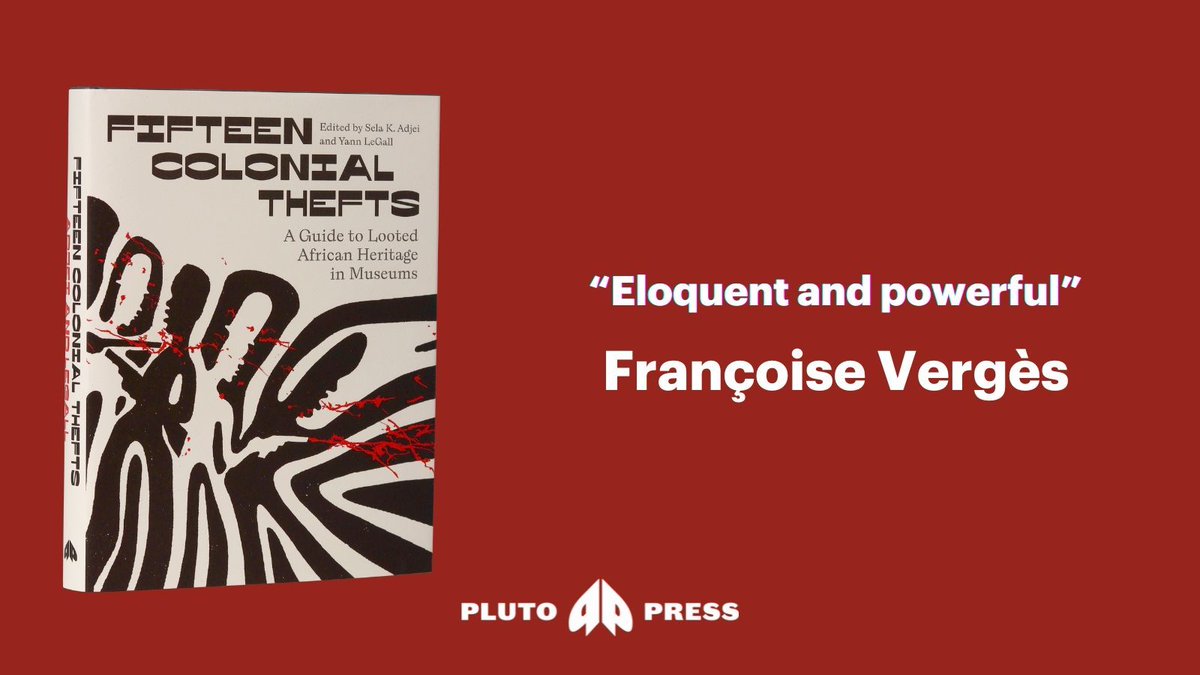
Fifteen Colonial Thefts explores the history of colonial violence in Africa through the prism of fifteen African belongings - all looted at the height of the imperial era and brought to European museum.
Get your copy here: https://t.co/ZdldFX9ORw
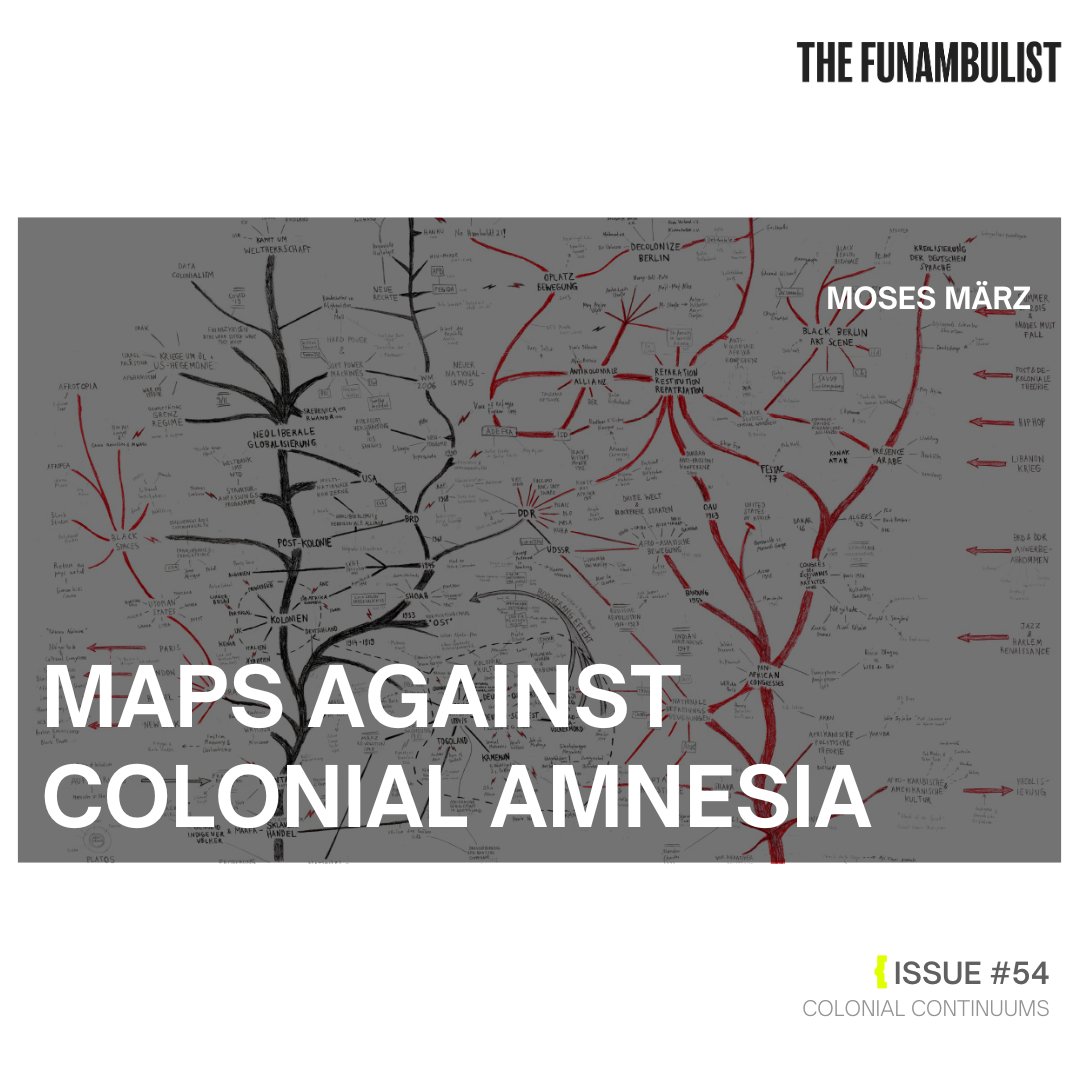
This map by Moses März was produced in 2023 for a series of workshops to develop a concept for the memorialization of German colonialism in Berlin. The participatory process was coordinated by Ibou Diop, driven by civil society organizations
@OpenRestitution I find this interesting but I still think the internet or digital media does not water down museum ethical violations. A racist system with internet connection is still a racist system. If they have no claim to the physical “object” they have none to the digital one.
@AMBrandstetter@ngonnso @GUnrecht
Here’s my idea!
What if in addition to giving back the two “objects” to the Nso community, we decided that every 5 years, two students from Nso will get a scholarship to study in Mainz? For the next 52 years (for the math 2023 minus 1971)
Very much looking forward to participating in this event @KuK_TUBerlin next week. I’ll be speaking about the techniques curators used in the 1970s to make their politics heard within repressive structures
German museums hold more than 40,000 objects from Cameroon, a former colony, according to a new study overseen by Bénédicte Savoy at Berlin's TU. Restitution is on Cameroon's agenda https://t.co/lfHIenOpvP
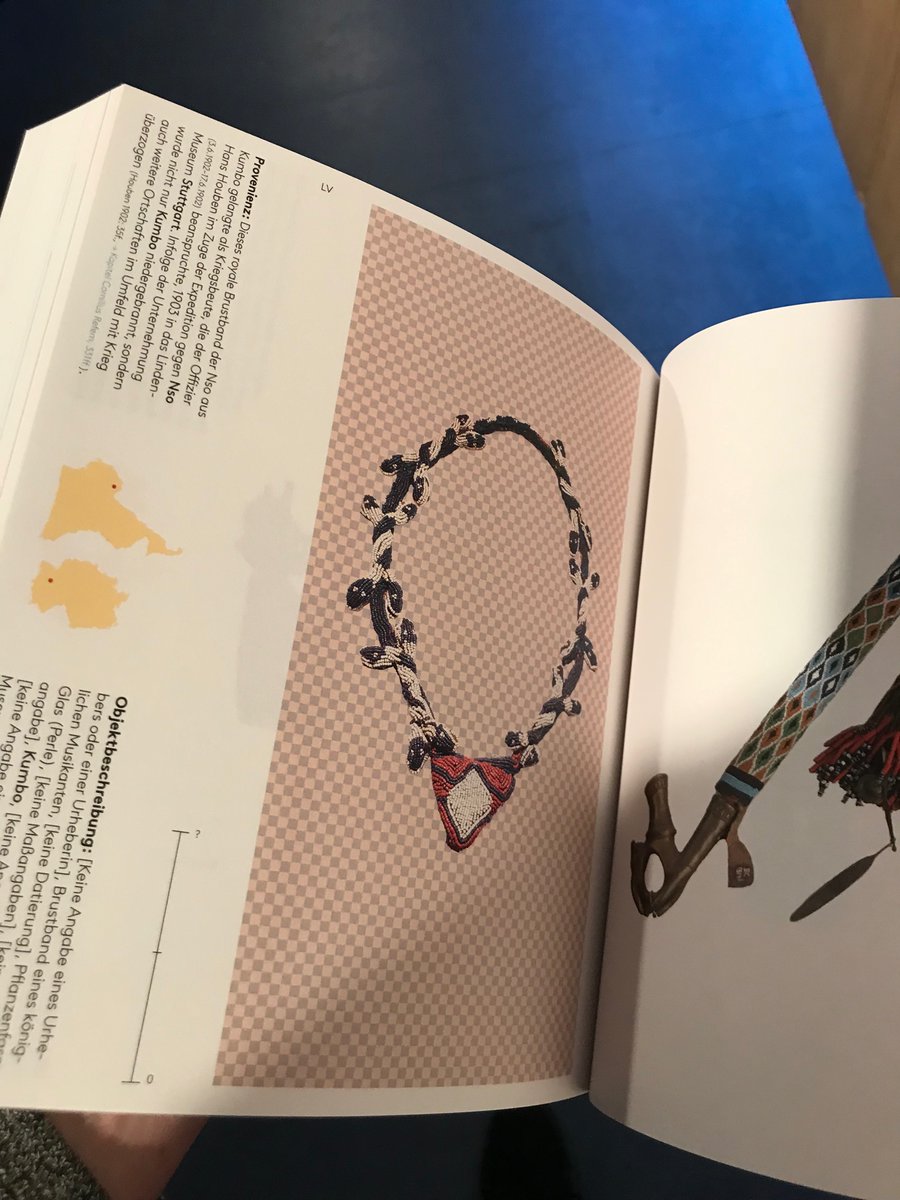
‚Atlas der Abwesenheit. Kameruns Kulturerbe in Deutschland’ ist die Abschlusspublikation des Projekts ‚Umgekehrte Sammlungsgeschichte‘ der @Univ_Dschang und @TUBerlin
Druckversion erscheint im Juli,
OA Version: https://t.co/GtXAk9EFlZ
Morgen ist die Konferenz dazu an der TU.
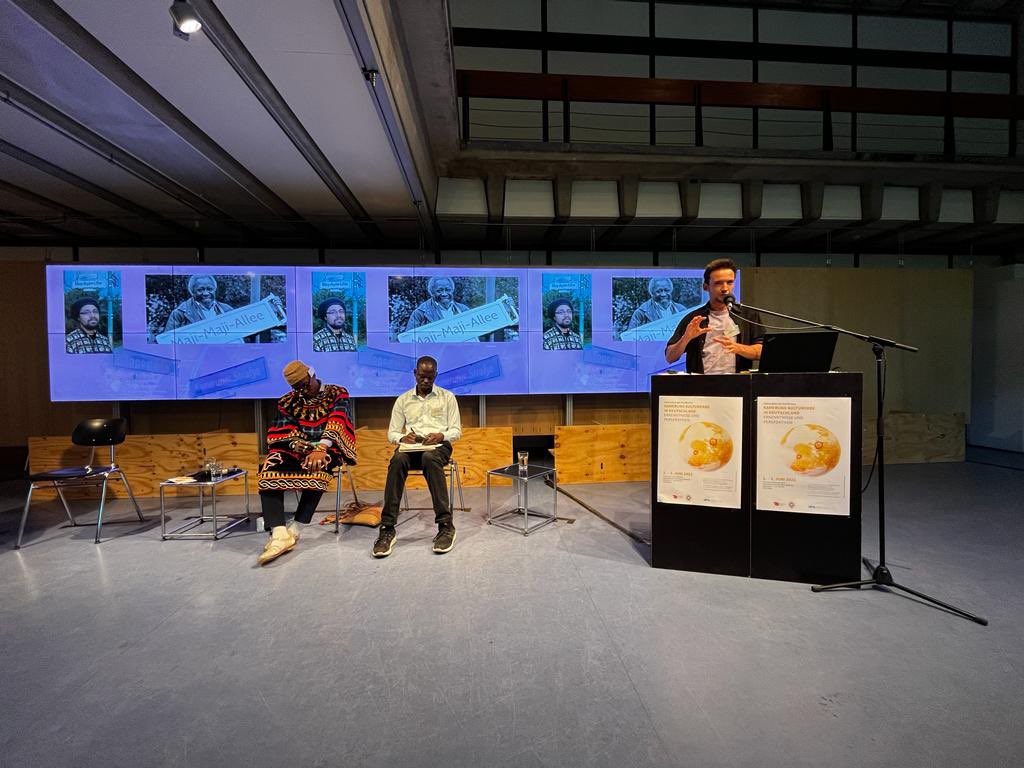
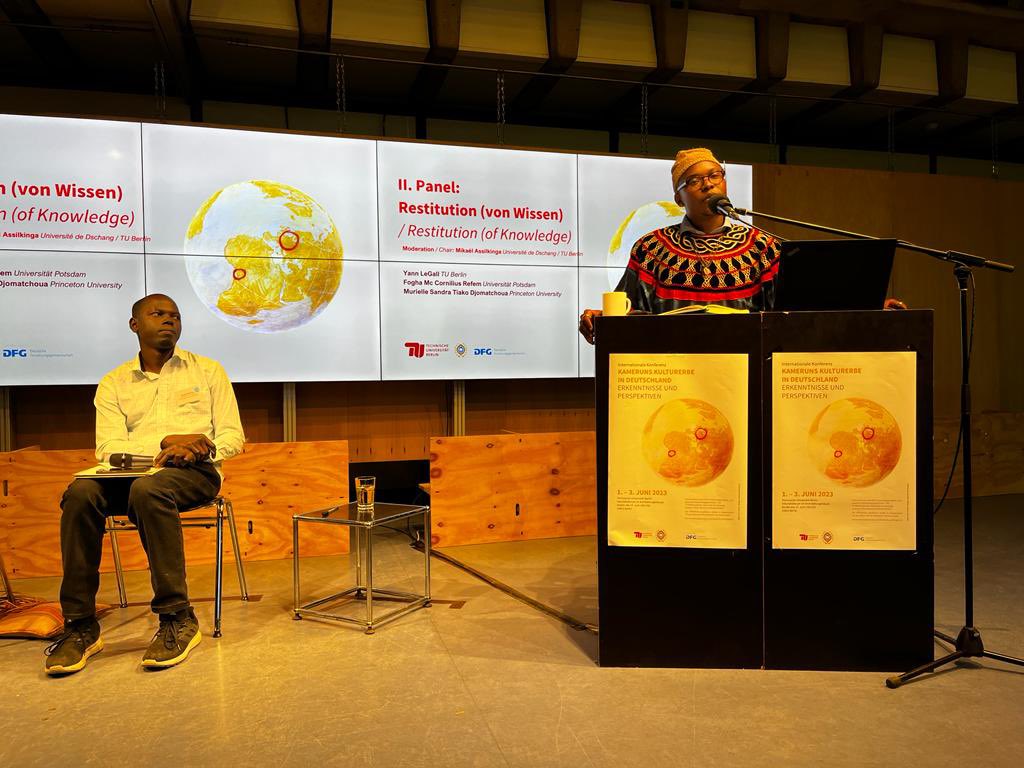
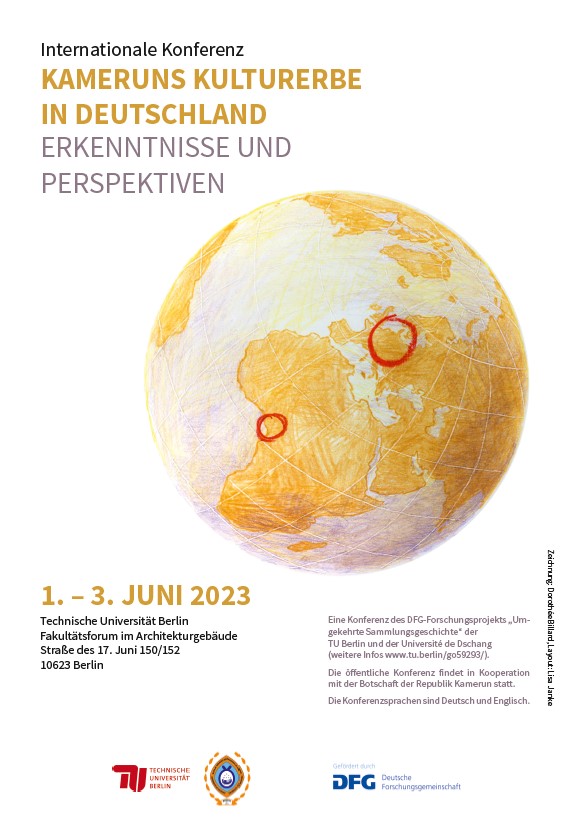
Conference, June 1-3, @TUBerlin:
Cameroon's Cultural Heritage in Germany. Findings and Perspectives
https://t.co/wlEKLkyjXr
On the occasion of the launch of the publication:
Atlas der Abwesenheit. Kameruns Kulturerbe in Deutschland
https://t.co/xVY1hYbBci
This Tuesday (23.5.), 18:30:
Felwine Sarr (@FelwineSarr) in conversation with Jeanne-Ange Wagne and Fogha Mc (@FoghaMc), part of our "KuK-Tuesdays: Dislocation" series at the Hybrid Lab @TUBerlin
Full program: https://t.co/KBNyazTeyZ