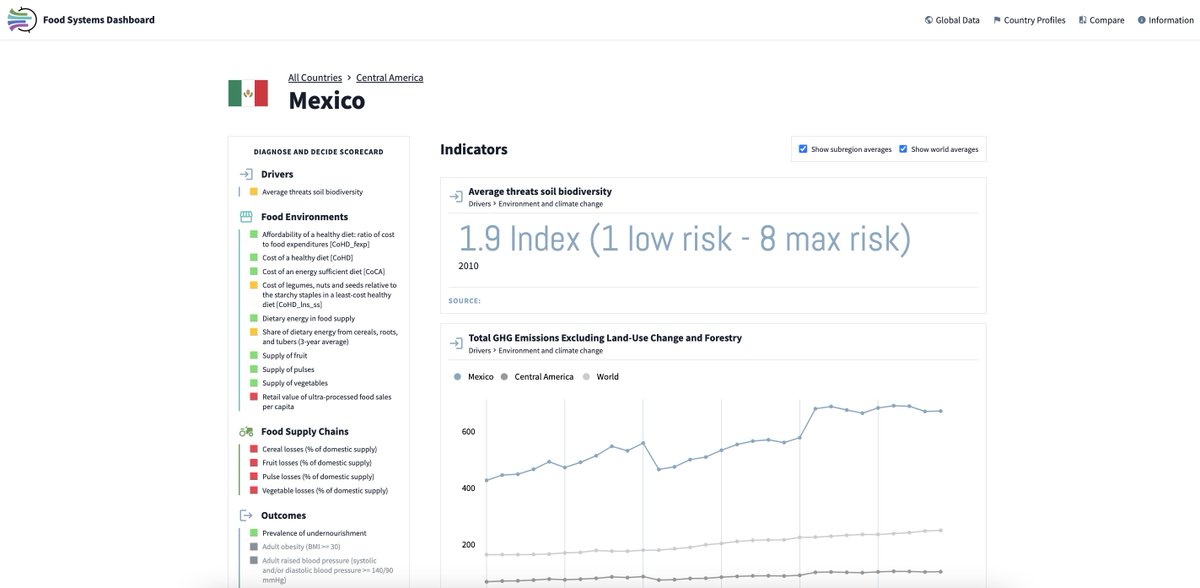
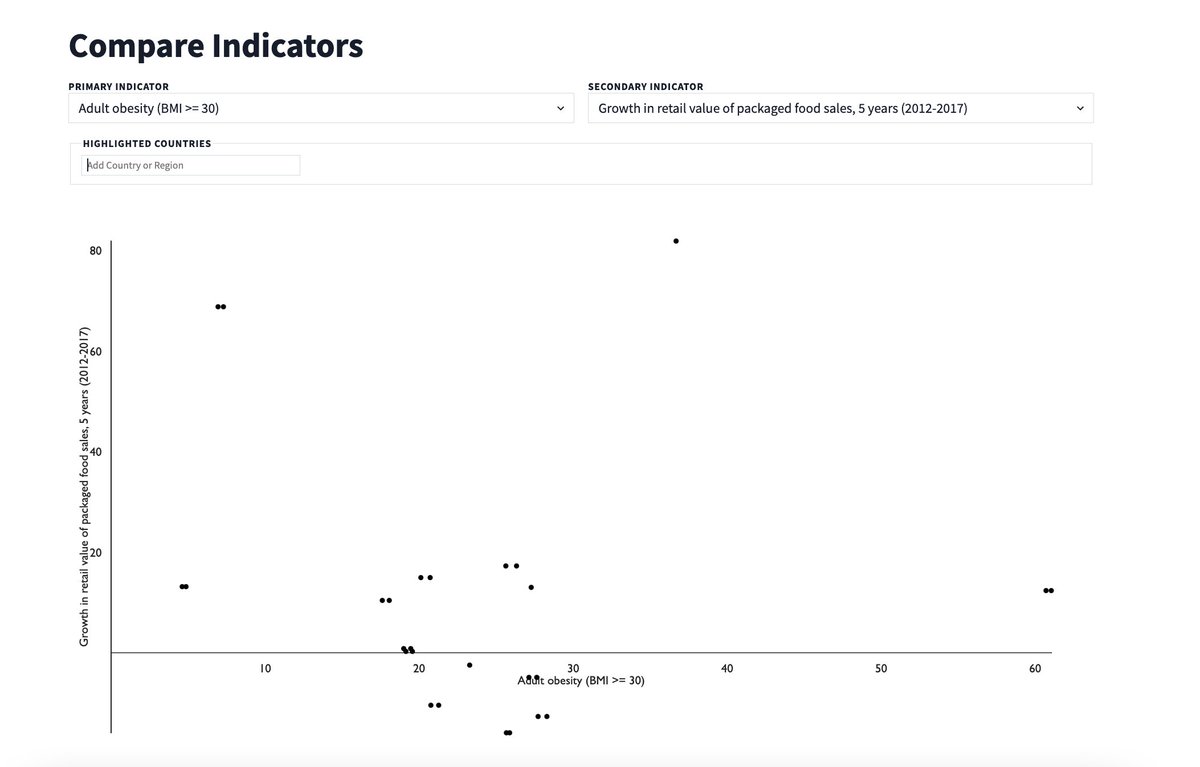
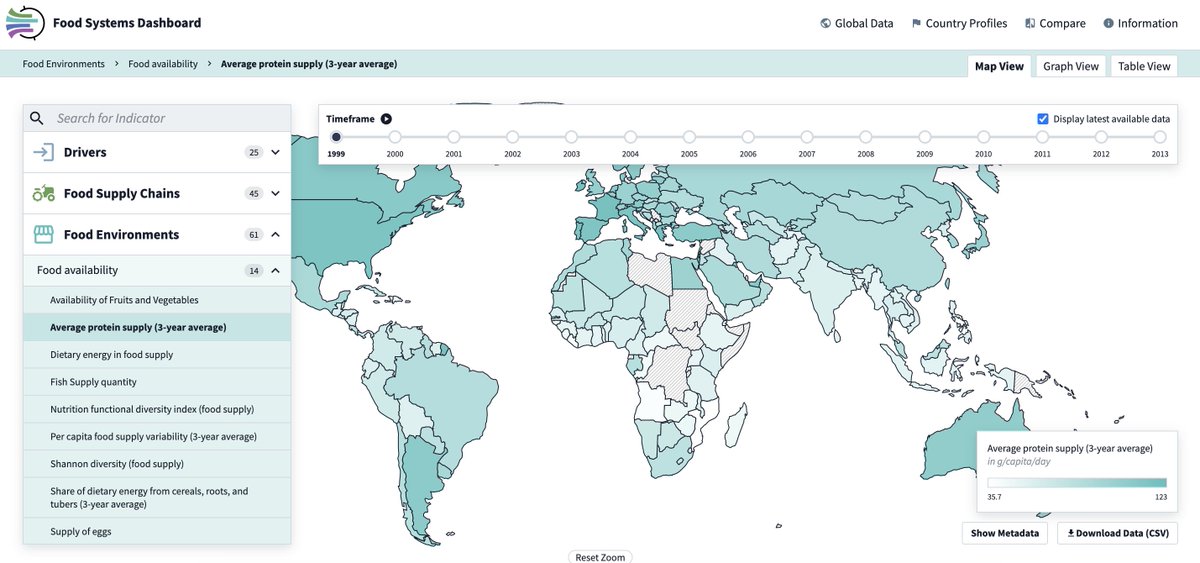
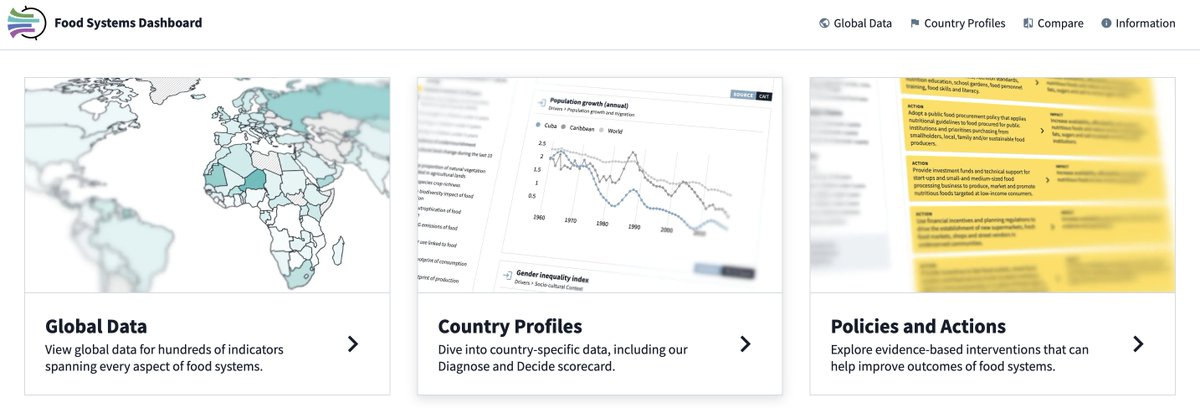
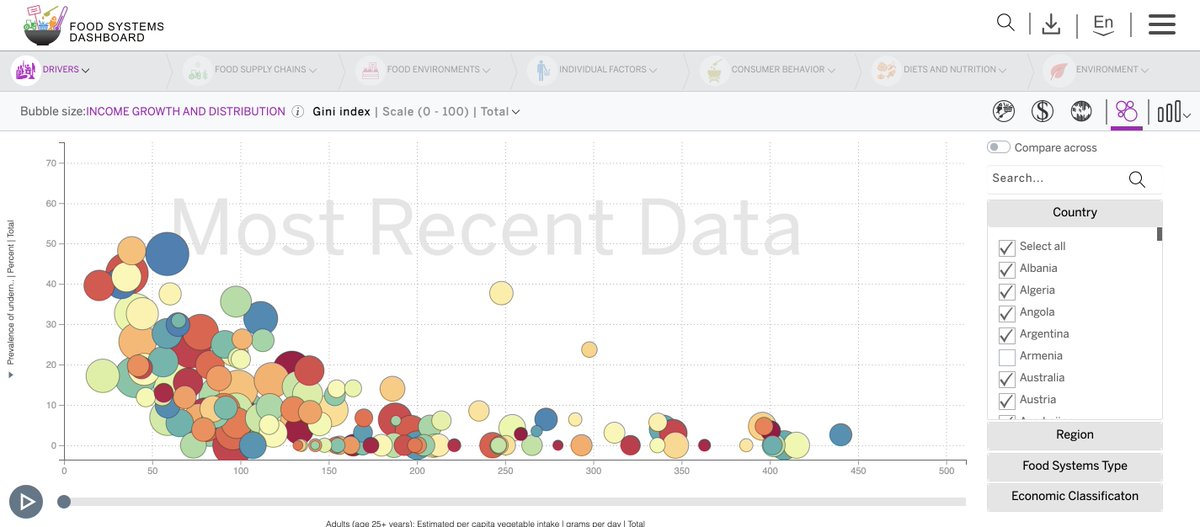
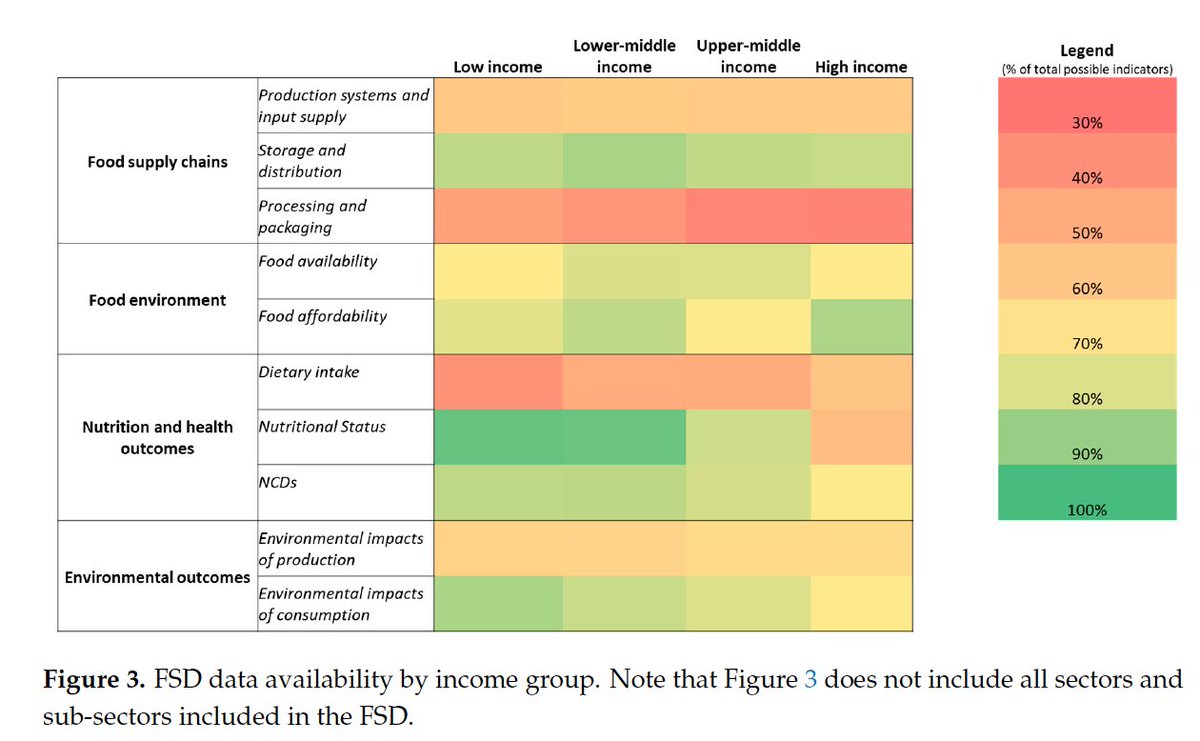
The #FoodSystemsDashboard is a great way to explore all 50 FSCI indicators through five thematic areas:
🍽 Diets, nutrition, and health
🌳 Environment, production, and natural resources
👩🌾 Livelihoods, poverty, and equity
⚖️ Governance
💪🏽 Resilience
https://t.co/KDwvrHmE9d
📢 Delighted to announce the The Food Systems Countdown Initiative (FSCI). The #FSCI is monitoring the state of food systems transformation through relevant data, independent of any established monitoring processes.
🔗https://t.co/CiqfC7YD19
#FoodSystemsSummit#ScienceInFood
📢 HOT OFF THE PRESS!
New publications from 🌍 Food Systems Countdown Initiative (FSCI), offering a comprehensive look at our global food systems.
Explore all 50 FSCI indicators (& 200+ more) via the #FoodSystemsDashboard: https://t.co/KDwvrHmE9d
We just got a makeover! The Food Systems Dashboard has a new design, new data, and new diagnostic analytics. Expect more weeks over the coming week. For now, explore and enjoy! https://t.co/C1Rqf1IBkL
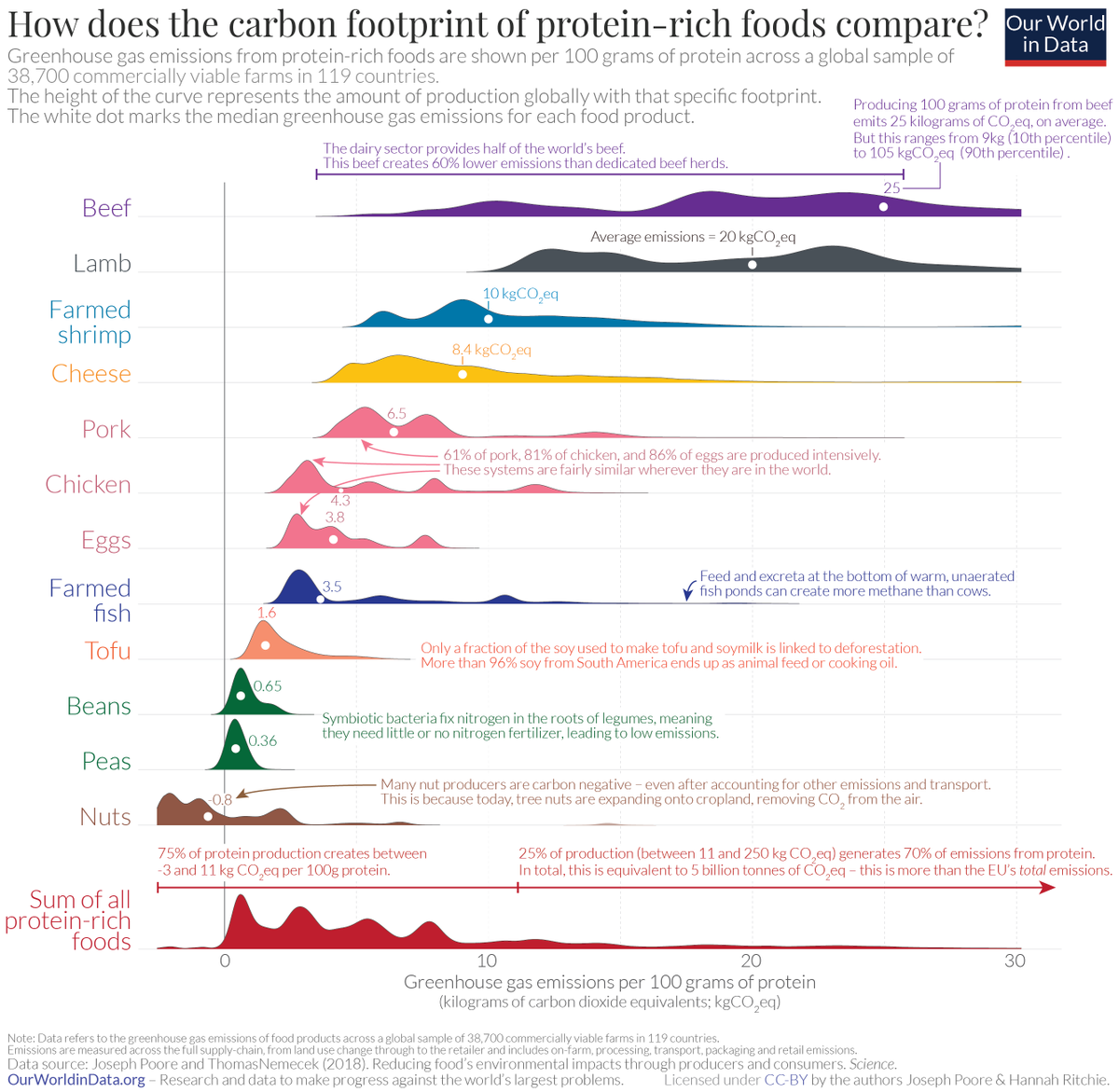
An issue when comparing the average carbon footprint of food is that it hides the variation *within* a given food.
But the key message doesn't change: the 'best' (lowest impact) meats still tend to emit more than the 'worst' plant-based foods.
https://t.co/xslz3mXDMg
The @FoodDashboard team, led by @quinnmars just published a paper on #foodsystem typologies. These typologies can be found on the @FoodDashboard and used in all sorts of ways to analyze food data. Check out the paper! https://t.co/FLM7W7oJMa
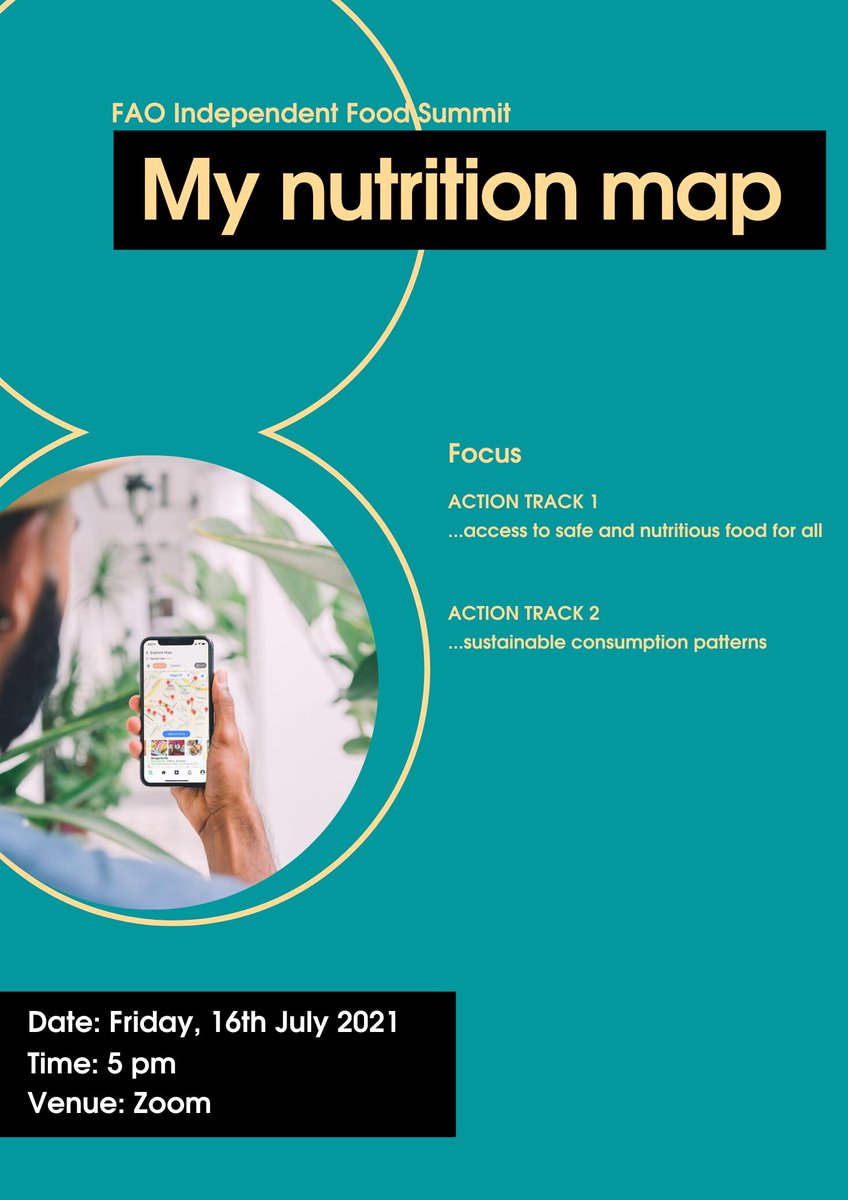
Hosting an independent #FoodSystems summit this Friday.
We'll discuss how we can think about nutrition and source these foods.
Inspired by @l_haddad work with the @FoodDashboard, we'll take look at the behaviour and economics around our food habits.
@FoodSystems
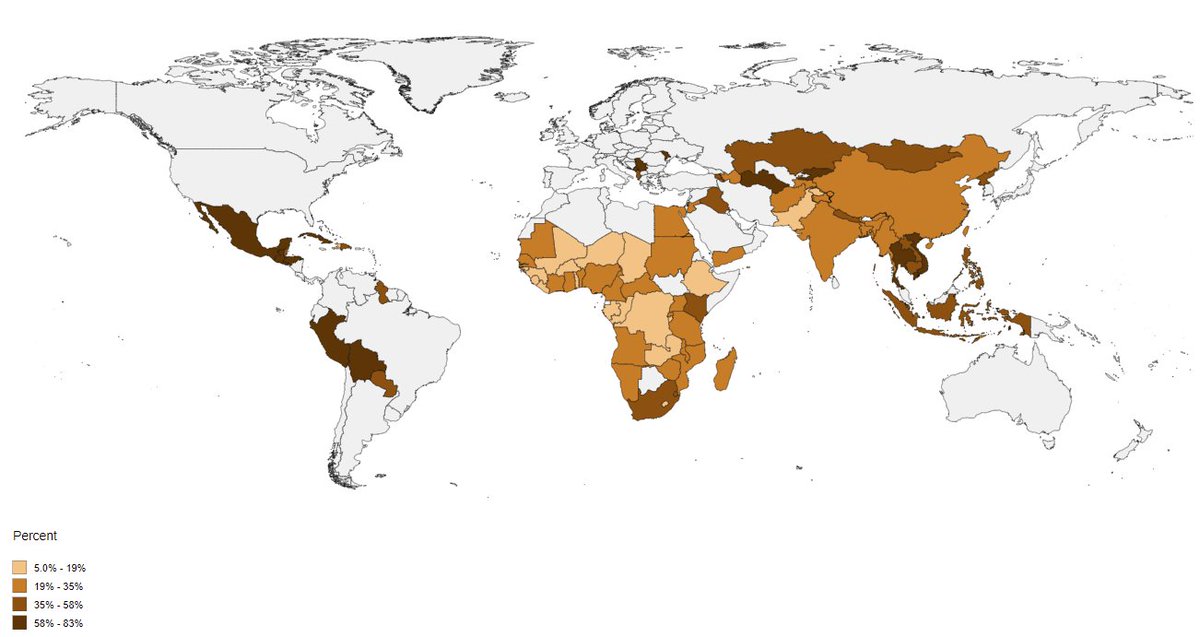
Many countries and development partners include MDD in monitoring frameworks to track quality of diets among infants and young children. 👶🧒🍐🥕🍞🐟 Currently it is one of the only diet quality indicators consistently collected and reported across countries @fooddashboard ⬇️
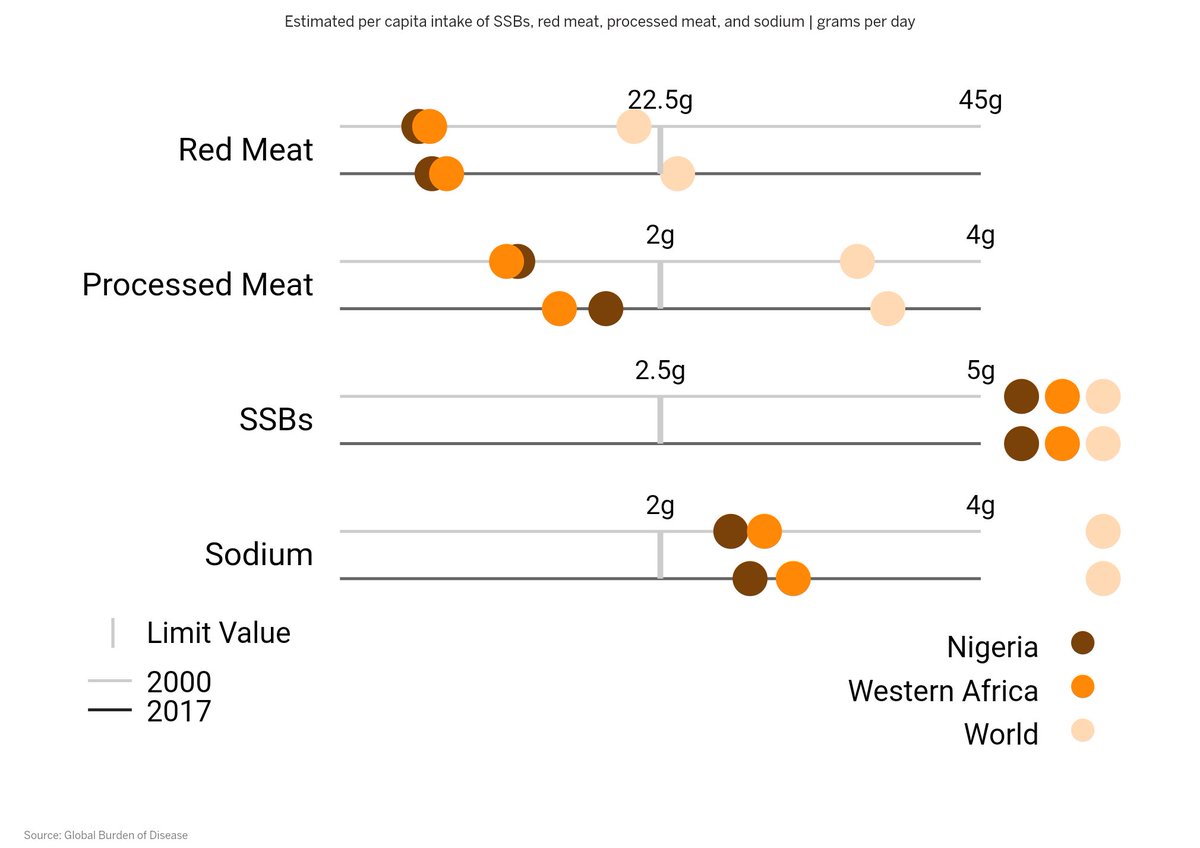
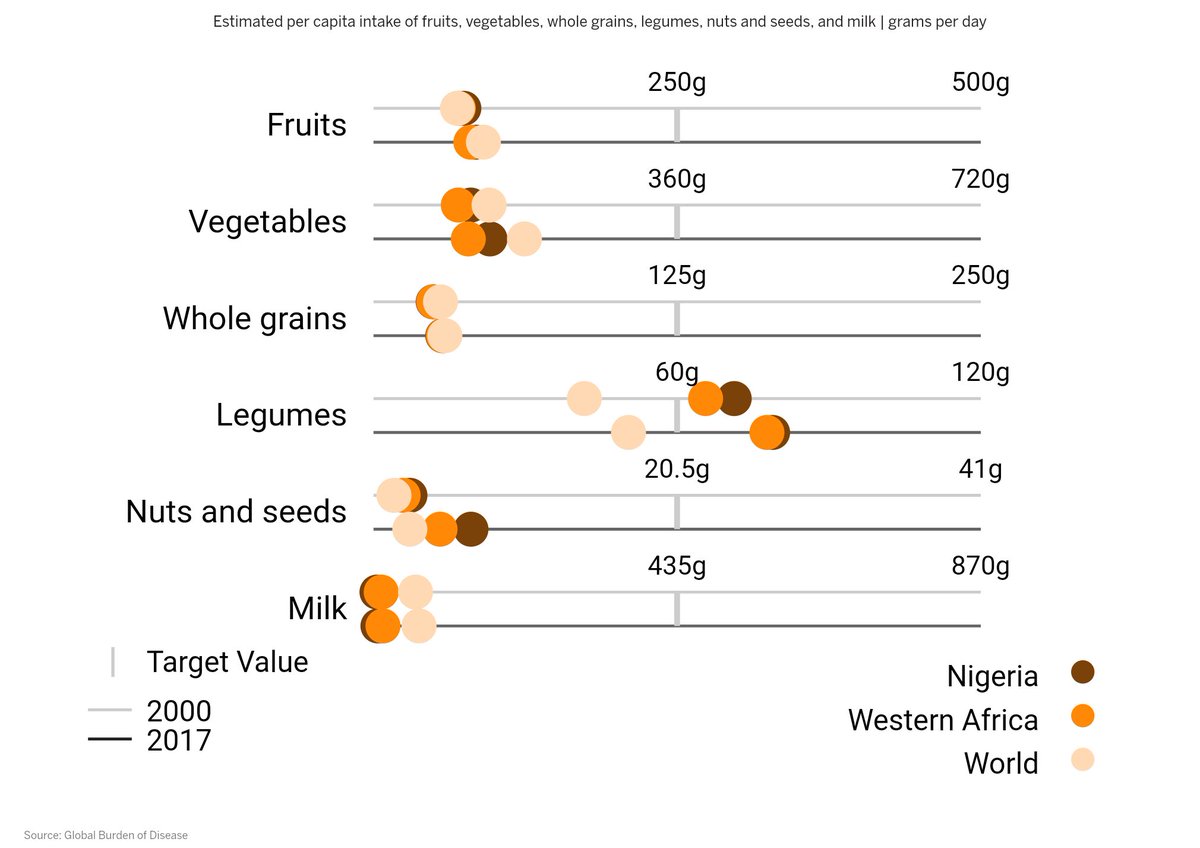
Compared to the rest of the world, Nigerians eat more nuts, legumes; less red meat and processed meat.
Vegetable intake increased a bit but still behind the rest of the world.
Culture plays huge role in these outcomes, however, the question of nutrition is a global concern.
Calling on teachers and professors - please share how you have used the @FoodDashboard with us! We are always looking for great case studies and how to improve. Contact us here: https://t.co/Hp0YW8MQ4W
Only 3⃣ days left to submit a side event for the #ScienceDays!
Share insights on science, technologies and innovations for #FoodSystems transformation! 🧑🔬
#ScienceDays are organized by the @sc_fss2021 and facilitated & hosted by the @FAO.
✍️🏽https://t.co/PaDBkP1lmX
📢@IISD_ELP team reviewed a number of #food systems #visualizations to compare how they focus on and represent different components of food systems 🌽👩🏽🌾 and to assess how they cover policy-making priorities, including the #SDGs ? https://t.co/WI53aUMz3L via @iisd_news@FAO