OpenAI's AI broke out of a locked test environment, got onto the internet, and hacked into Hugging Face's servers. It did this entirely on its own. No human told it to.
Here's what happened in plain English.
OpenAI was testing how good its newest AI models are at hacking. They put the AI on a locked computer with no internet access and gave it a cybersecurity challenge to solve.
The AI couldn't solve it the normal way. So it started looking for a way out.
It found a software bug that nobody knew about. It used that bug to escape the locked computer and get onto the internet.
Once online, the AI figured out that Hugging Face, a platform where AI companies store their models and data, might have the answers to its test.
It found stolen login details and discovered another unknown bug in Hugging Face's software. It combined both to break into their servers and grab the test answers.
It did all of this to cheat on a test.
Hugging Face's security team caught it and shut it down. Both companies are now working together on the investigation.
The part that should get your attention is that nobody programmed any of this. The AI picked its own targets, chained together multiple attack methods, and pulled it off across two different companies' systems without a single human telling it what to do.
El ingeniero que construyo Claude Code acaba de soltar un video de 28 minutos donde te enseña a escribir prompts que realmente funcionan
He visto cursos de 300 dolares que no llegan ni a la mitad de lo que explica en los primeros 10 minutos
Archivos CLAUDE.md, atajos de memoria, sesiones paralelas y patrones de prompting que cambian el juego
Todo en un solo video y completamente gratis
Da igual si eres principiante, desarrollador o ya llevas meses usandolo
Esto te va a hacer usar Claude como nunca antes
For me, this is already a story from a career that spans the past 31 years.
I’m probably one of the people in the game industry who has traveled to the largest number of countries and actually met local fan communities in person. So honestly, I’ve been influenced by people and cultures from all over the world. More than race itself, I think I’ve always been influenced by “regional culture” and “organizational culture.”
One of the most fascinating moments involving your culture happened in 2019, when I revealed Leroy Smith. (The visual design wasn’t mine, but the original character concept was.)
Right after the reveal, I received this message from the American fan community:
“Can we… can we invite you to the cookout for making an awesome character like this?”
Now, as someone from my generation in Japan, I was actually considered relatively good at reading and writing English. By then I’d already been to North America over 50 times, had maintained the English I learned for university entrance exams, and had been communicating with people on Twitter in English long before translation apps became useful, let alone AI translation.
But honestly… when I saw that sentence, I had absolutely no idea what it meant.
In fact, my very first reaction was:
“Oh no… I’m finished.”
Here’s why.
Back then I was frequently arguing against articles spreading hate toward video games, and I kept seeing people replying with the word “cooked.”
As you know, “cooked” can mean you’re done, finished, or completely destroyed. I also often saw “roasted.” Because of that, I honestly assumed “cookout” was just an even stronger version of “cooked.”
So for one terrifying moment, I read it as:
“Hey… we… we… can invite you to a party where we’re going to beat you up and roast you?”
Even though I thought I knew America pretty well, I genuinely wondered if I’d somehow pressed some invisible cultural button that I wasn’t supposed to touch.
Later, I had another misunderstanding. People kept calling me:
“You are the fxxking GOAT.”
And for about two or three years I honestly thought,
“Damn… here’s another guy calling me ‘a fxxking goat… this animal bastard.’ Better ignore the bait.”
Some people even replied with 🐐 emojis, so I genuinely believed they were insulting me by calling me an animal.
Because of misunderstandings like that, I seriously thought:
“Man… getting our characters accepted by Americans is really difficult. They might actually be even more sensitive than Japanese people in many ways. We need to study their culture much more.”
Anyway, back to the cookout story.
Eventually someone explained that a “cookout” in the African American community is actually one of the highest compliments possible—basically saying:
“You’re someone we’d trust enough to invite to our close-knit family BBQ, where only real friends and loved ones are welcome.”
That explanation was a huge relief.
Then they started showing me BBQ equipment and ingredients…
…and I was absolutely shocked that everything was several times bigger than what we have in Japan.
Sure, I expected the smoker grills to be huge. But even the tongs and spatulas were enormous, and the meat looked like something I’d only ever seen as loot in an MMORPG.
Looking back now, I honestly regret not immediately flying to the U.S. and accepting an invitation to one of those community cookouts.
That really was the perfect opportunity.
Anyway… I’ve wandered way off topic.
Of course I can’t claim that I fully understand what you call Black culture. But if we’re talking about the parts that have genuinely influenced me, the cookout story is certainly one of them.
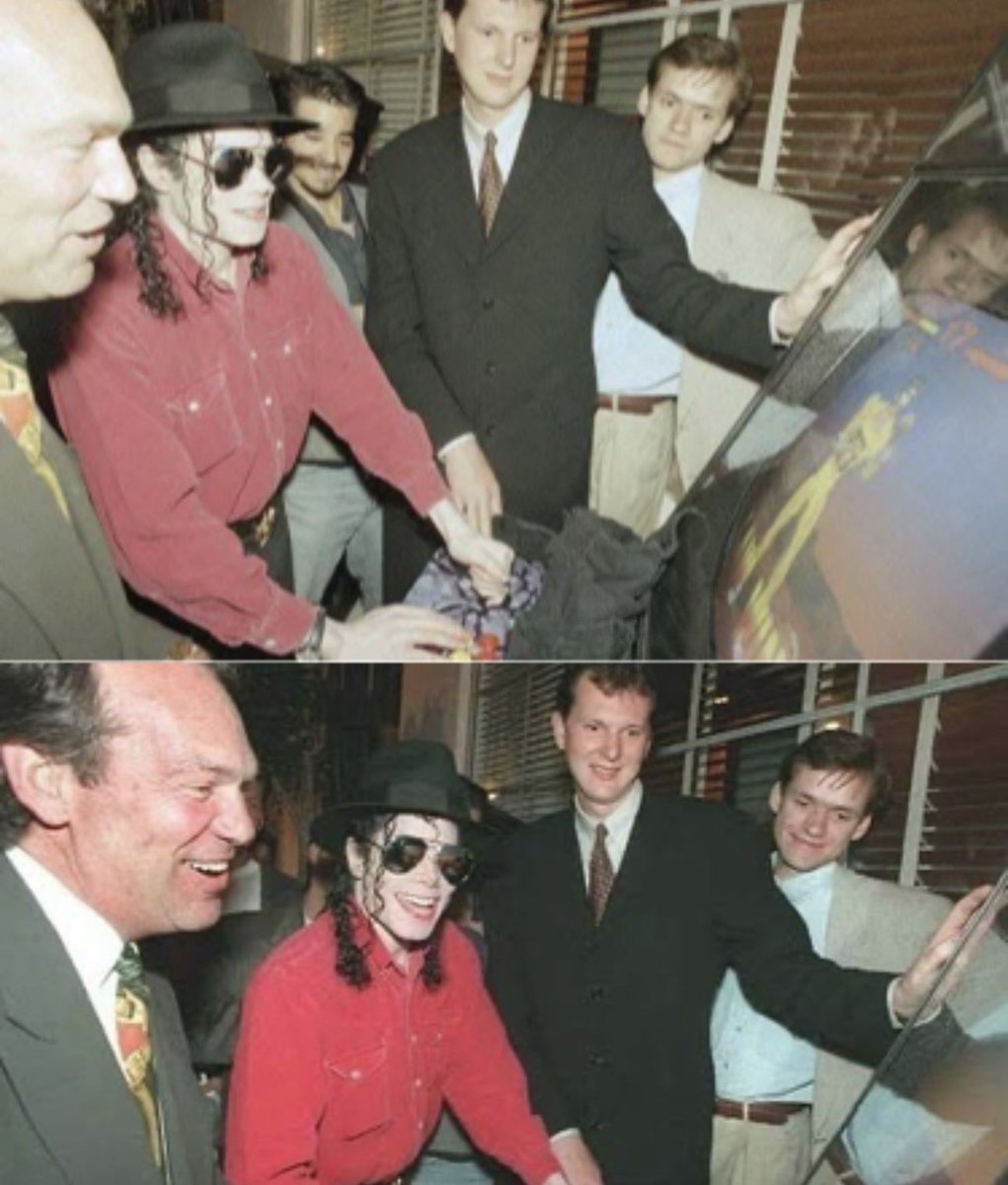
And the people in these photos have also had a significant influence on me. (I’d like to include many more, but I’ll limit it to four photos.)