Kobe Bryant, a five-time NBA champion and the fourth all-time leading scorer in the league, has been posthumously elected into the Naismith Memorial Basketball Hall of Fame https://t.co/Bi9CA9FtoS
It's ok to feel lost
It's ok to feel hopeless
It's ok to feel like people don't understand
It's ok to feel worthless
It's ok to feel helpless
It's ok to feel like nobody cares
It's ok to be human
But don't stay in… https://t.co/TfyncNXfvf
When you have the disease, you have to be sure you keep your muscle strength, flexibility, and mobility. Start treating your muscles early and reduce nerve degeneration and muscle… https://t.co/oMEANgVzkL
Subtypes are given only when the genetic cause is known. Each subtype corresponds to a gene: Every person with CMT2B has a mutation in the RAB7 gene and everyone with CMT4C has two mutations in the SH3TC2gene.
Since 1991, more than 100 different genes causing CMT have been identified and the list continues to grow. CMT can be divided into types and subtypes. The types are the clinical pictures of CMT usually defined by inheritance pattern and nerve conductions.
CMT forms are usually either demyelinating or axonal in nature, though intermediate forms also exist. Since CMT is a multi-gene disorder, there are many different genes that cause the disorder when mutated.
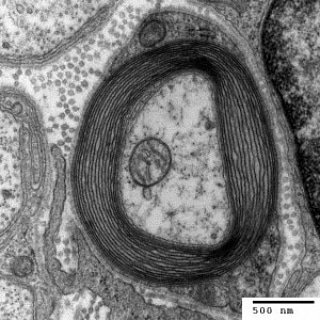
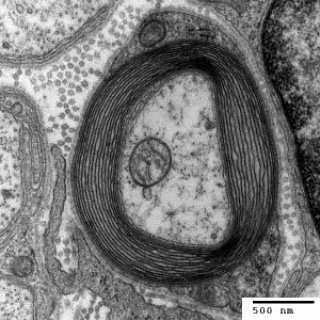
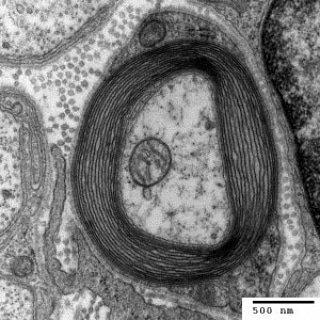
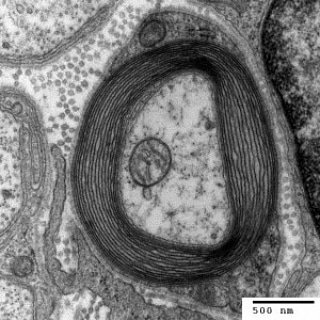
The peripheral nerves are often described as being like electrical wires, with an inner core (the axon) that is wrapped in insulation (the myelin sheath). When the myelin is damaged (Type 1 CMT), the nerve impulses are conducted more slowly than normal.
The peripheral nervous system also comprises motor and sensory nerve fibers, and since CMT affects the peripheral nerves, it usually results in both motor symptoms (weakness and muscle wasting) and sensory symptoms (numbness).
Messages that travel from the brain down the spinal cord, through the lower motor neurons (such as the sciatic nerve of the leg) to the muscles of the body are part of the motor neuron circuitry.